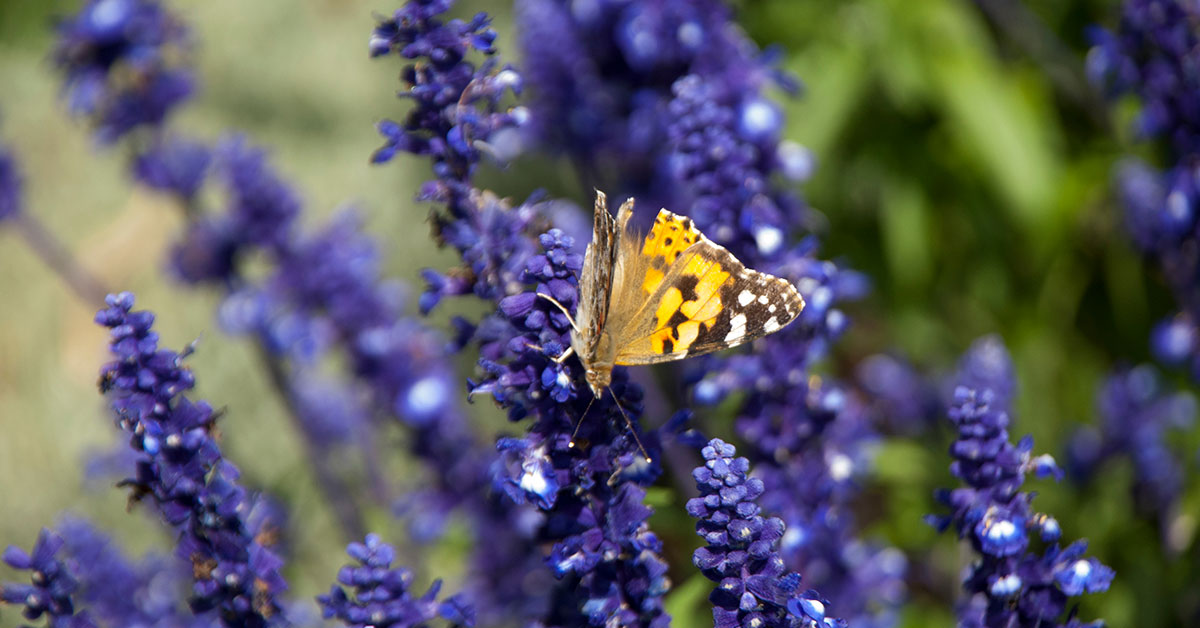

Mealy Blue Sage (Salvia farinacea) is a beautiful and versatile plant that can add a pop of color to any garden or landscape. With its striking blue-purple flowers and long blooming period, this plant is a favorite of gardeners and landscapers alike. In this article, we will explore the various aspects of Mealy Blue Sage, including its growing habits, care requirements, and uses in the garden. Whether you are a seasoned gardener or a beginner, this article is sure to provide you with valuable information on this stunning plant.
What is a Mealy Blue Sage?
Mealy Blue Sage (Salvia farinacea) is a popular ornamental plant that belongs to the Lamiaceae family. It is a herbaceous perennial that is native to the southwestern United States and Mexico. Mealy Blue Sage is an attractive plant that is known for its striking blue flowers that bloom from spring until autumn.
The plant grows up to 1-3 feet tall and has a spread of 1-2 feet. It has a dense growth habit and a bushy appearance. The leaves are lance-shaped and have a gray-green color. The plant also produces fragrant foliage that smells like mint when crushed.
Salvia farinacea is a drought-tolerant plant that prefers full sun to partial shade. It can grow in a variety of soil types, including clay, loam, and sandy soils. The plant is also deer resistant, making it a good choice for gardens in areas with deer populations.
In addition to its ornamental value, Salvia farinacea has medicinal properties. It has been used in traditional medicine to treat various ailments, including respiratory problems, headaches, and fever. The plant also contains compounds that have anti-inflammatory and antioxidant properties.
Overall, Mealy Blue Sage is a beautiful and versatile plant that is easy to grow and maintain. It is a great addition to any garden and can provide both aesthetic and medicinal benefits.
Where is Mealy Blue Sage native?
Mealy Blue Sage (Salvia farinacea) is a flowering plant that is native to North and Central America. It is commonly found in the southwestern United States, particularly in Texas, New Mexico, and Arizona. It can also be found in Mexico, where it is known as “Mejorana Azul.”
In the United States, Mealy Blue Sage is often found in grasslands, prairies, and meadows. It is a hardy plant that can grow in a variety of soil types, from sandy to clay, and can tolerate both drought and heat.
Salvia farinacea has become a popular garden plant in many parts of the world due to its attractive blue-purple flowers and ability to attract pollinators such as bees and butterflies. It has also been used in traditional medicine for its anti-inflammatory and anti-microbial properties.
Despite its popularity as a garden plant, it is important to remember that Mealy Blue Sage is a native plant that plays an important role in the ecosystem. It is important to plant native species in gardens and landscapes to help support local biodiversity and wildlife.
How to start Mealy Blue Sage seeds
Mealy Blue Sage (Salvia farinacea) is a popular plant that is easy to grow from seeds. Here’s how you can start your own Mealy Blue Sage garden from scratch.
Collect the Seeds: The first step is to collect the seeds. You can either buy the seeds online or collect them from an existing plant. If you are collecting seeds from an existing plant, wait until the flowers have died and the seeds have turned brown. Then, simply pluck the seeds from the plant.
Prepare the Soil: Salvia farinacea likes well-drained soil that is rich in organic matter. You can prepare the soil by mixing compost or well-rotted manure into the soil. Make sure the soil is moist but not waterlogged.
Sow the Seeds: You can either sow the seeds directly into the soil or start them in seed trays. If you are starting them in seed trays, fill the trays with seed compost and water it well. Then, sprinkle the seeds onto the surface of the compost and cover them with a thin layer of compost. Water the trays gently and cover them with a plastic bag to help retain moisture.
If you are sowing the seeds directly into the soil, scatter the seeds over the prepared soil and cover them with a thin layer of soil. Water the area gently but thoroughly.
Care for the Seedlings: Salvia farinacea seedlings will emerge within two to three weeks. Once the seedlings have emerged, remove the plastic bag if you are using seed trays. Keep the soil moist but not waterlogged. Keep the seedlings in a warm and well-lit area.
Once the seedlings have grown to a few inches tall, thin them out to give each plant enough space to grow. Mealy Blue Sage likes to be planted in full sun but can tolerate some shade.
Transplanting: Once the seedlings have grown to a few inches tall, they can be transplanted into their permanent location. Make sure the soil is well-drained and rich in organic matter. Water the plants well after transplanting.
Growing & Care Guide
Salvia farinacea is a beautiful herbaceous perennial plant that is native to Texas and Mexico. This plant is known for its striking blue-violet flowers that bloom in spikes throughout the summer and into fall. If you’re interested in growing Mealy Blue Sage in your garden, here are some tips to get you started.
Choose the Right Location
Mealy Blue Sage prefers full sun, so choose a location in your garden that receives at least 6 hours of sunlight per day. This plant also prefers well-drained soil, so make sure your soil has good drainage. If your soil is heavy or clay-like, amend it with compost or sand to improve drainage.
Plant at the Right Time
Salvia farinacea can be planted in either spring or fall. If you’re planting in the spring, make sure to wait until after the last frost to plant. Fall planting should be done at least 6 weeks before the first frost.
Watering
Mealy Blue Sage prefers moderate watering. Too much water can result in root rot, whereas too little water can stunt growth. Water the plant deeply once a week or when the soil feels dry to the touch.
Fertilizing
Mealy Blue Sage does not require much fertilizer. If you want to fertilize, apply a slow-release fertilizer in the spring. Avoid applying fertilizer in the fall, as this can stimulate new growth that may not have time to harden off before the winter.
Pruning
Prune Salvia farinacea in early spring to promote new growth and encourage bushiness. Deadhead spent flowers throughout the growing season to encourage more blooms.
By following these tips, you can successfully grow Mealy Blue Sage in your garden. This plant is not only beautiful, but it also attracts bees, butterflies, and hummingbirds, making it a great addition to any pollinator garden.
Fun facts about Mealy Blue Sage
Mealy Blue Sage (Salvia farinacea) is a popular plant among gardeners due to its beautiful blue flowers and its ability to attract pollinators. However, there are some interesting facts about this plant that you might not know. In this section, we will explore some of the most fascinating facts about Mealy Blue Sage.
Mealy Blue Sage is native to Texas and Mexico, where it grows in the prairies, savannas, and rocky areas. It is a hardy plant that can tolerate hot and dry conditions, making it an ideal choice for gardens in hot and dry regions.
It is a favorite among bees and butterflies due to its nectar-rich flowers. The plant attracts a wide variety of pollinators, including honeybees, bumblebees, and many species of butterflies.
Mealy Blue Sage has a long history of use in traditional medicine. The plant has been used to treat a variety of ailments, including respiratory infections, digestive issues, and skin conditions. The leaves and flowers of the plant are rich in compounds that have anti-inflammatory, anti-bacterial, and anti-fungal properties.
This flower is an easy plant to grow, making it a popular choice for novice gardeners. The plant prefers well-draining soil and full sun but can tolerate partial shade. It is also drought-tolerant, making it an ideal choice for gardens in dry regions.
Salvia farinacea has a pleasant aroma and is sometimes used in culinary dishes. The leaves of the plant can be used to flavor soups, stews, and sauces. The flowers can also be used to decorate salads and other dishes.