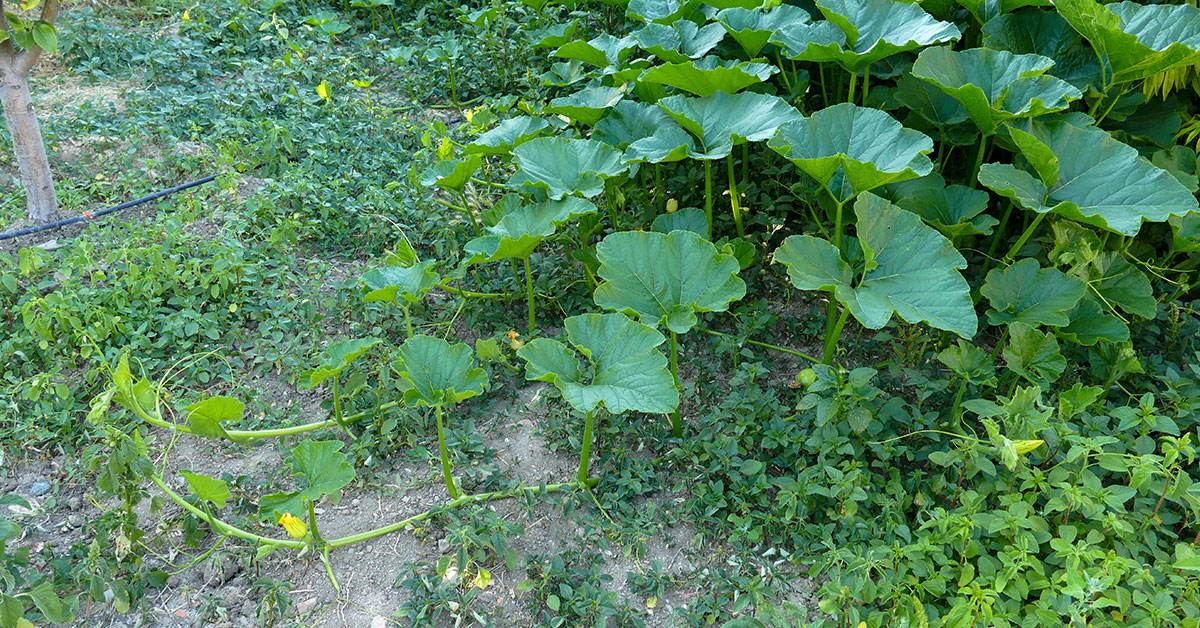

The snowball pumpkin is an eye-catching pumpkin that boasts a round, white exterior and a sweet, tender flesh that is perfect for baking, roasting, and pureeing.
In this blog post, we will dive into the history, characteristics, and uses of the snowball pumpkin.
Get ready to add a touch of elegance and flavor to your fall festivities with this delightful pumpkin variety.
What is a Snowball Pumpkin?
Pumpkins are a type of squash that belongs to the Cucurbitaceae family. They are widely known for their role in Halloween festivities, but they are also a popular ingredient in many dishes, such as pumpkin pie, soup, and bread. One type of pumpkin that has gained popularity in recent years is the Snowball pumpkin.
The Snowball pumpkin, also known as the Ghost pumpkin, is a white, round pumpkin that resembles a snowball. It is a relatively new variety of pumpkin that is becoming increasingly popular for its unique appearance and delicious flavor. The Snowball pumpkin is a medium-sized pumpkin that weighs between 8 and 10 pounds. It has smooth, white skin and a sweet, nutty flavor.
The Snowball pumpkin is a hybrid variety that was developed by crossing the Sugar Pie pumpkin with the Casper pumpkin. The Sugar Pie pumpkin is a variety of pumpkin that is known for its sweet flavor and is commonly used in pies. The Casper pumpkin is a white pumpkin that was originally developed for its ornamental value but has since become popular for its unique flavor.
The Snowball pumpkin is a versatile ingredient that can be used in many dishes. It can be roasted, baked, boiled, or steamed, and it can be used in soups, stews, pies, bread, and other desserts. Its sweet, nutty flavor makes it a great addition to any recipe that calls for pumpkin.
Common problems with growing Snowball pumpkin
Growing your own Snowball pumpkin can be a rewarding experience, but it’s important to be aware of common problems that can arise during the growth process. Here are some of the most common issues that gardeners may encounter when growing Snowball pumpkins:
- Diseases: Snowball pumpkins are susceptible to a variety of diseases that can hinder growth and even kill the plant. Some common diseases include powdery mildew, downy mildew, and bacterial wilt. It’s important to monitor your plants closely and take action as soon as you notice any signs of disease.
- Pests: Just like any other plant, Snowball pumpkins are vulnerable to a variety of pests, including squash bugs, cucumber beetles, and vine borers. These pests can cause significant damage to the plant, so it’s important to take preventative measures to keep them at bay.
- Improper watering: Overwatering or underwatering your Snowball pumpkin can cause stunted growth and even death. It’s important to monitor the soil moisture levels and adjust watering as needed to ensure your plant is getting just the right amount of water.
- Poor soil quality: Snowball pumpkins require well-draining soil that is rich in organic matter. If your soil is too compact or lacks nutrients, your plant may struggle to thrive. It’s important to prepare your soil properly before planting and fertilize regularly throughout the growing season.
When and How to Harvest
Snowball pumpkins are a popular variety of white pumpkins that are often grown for their unique color and shape. These pumpkins are typically ready to harvest around 90-100 days after planting, depending on the growing conditions and climate.
One of the best ways to determine if your snowball pumpkins are ready to harvest is to look at the color of the skin. When the pumpkins are fully mature, the skin will turn from a bright white to a creamy yellow color. In addition, the skin will become hard and tough, making it difficult to dent or scratch the surface.
Another way to tell if your snowball pumpkins are ready to harvest is to check the stems. When the pumpkins are fully mature, the stems will become dry and woody, and will easily snap off the vine when you try to pick them.
How To Harvest
It’s important to harvest your snowball pumpkins at the right time, as they can quickly become overripe and lose their quality if left on the vine for too long. Once you’ve harvested your snowball pumpkins, store them in a cool, dry place with good ventilation to help extend their shelf life.
Harvesting snowball pumpkins is a fun and rewarding process that can be enjoyed by gardeners of all skill levels. By following these simple tips, you can ensure that your pumpkins are ready to be picked at the peak of their quality and flavor.
Uses for Snowball pumpkin
Snowball pumpkins are a unique variety of pumpkin that many people are unfamiliar with. These pumpkins are typically small in size, averaging around 2-3 pounds, and have a round shape with a bright white exterior. While they may look different from your typical pumpkin, they are just as versatile in terms of their culinary uses.
One of the most common ways to use Snowball pumpkins is to incorporate them into soups and stews. Their mild flavor and creamy texture make them a great addition to any savory dish. They can also be used to make pies, muffins, and other baked goods. In fact, some people even prefer Snowball pumpkins over traditional pumpkins for baking because of their smoother texture and milder flavor.
Another popular way to use Snowball pumpkins is to carve them for Halloween or other fall-themed decorations. Their unique white color makes them stand out from traditional orange pumpkins and can add an elegant touch to any fall display.
Snowball pumpkins may not be as well-known as other pumpkin varieties, but they are a versatile and delicious addition to any fall menu. Whether you’re using them in soups and stews or incorporating them into your baked goods, Snowball pumpkins are sure to impress your guests with their unique flavor and appearance.