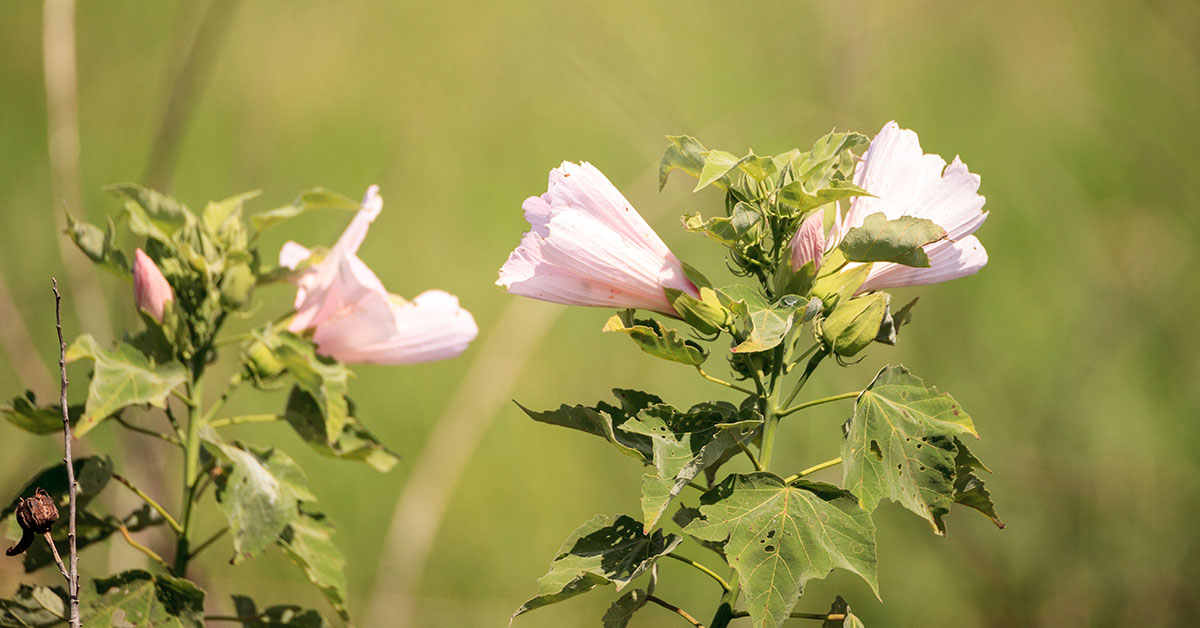

Venture into the mountainous landscapes of western North America and you might be captivated by the graceful presence of a particular plant. With towering stalks adorned with clusters of delicate, pale pink flowers, the Mountain Hollyhock, or Iliamna rivularis, paints a serene picture against the rugged terrain.
It’s a plant that embodies the perfect blend of hardiness and beauty, making it a remarkable addition to a wide array of gardens. This article will illuminate the characteristics of Mountain Hollyhock, its native habitats, the steps to cultivate it in your garden, and other fascinating insights about this charming plant.
What is Mountain Hollyhock?
Iliamna rivularis, commonly known as Mountain Hollyhock or Streambank Wild Hollyhock, is a perennial plant that belongs to the mallow family, Malvaceae. The plant is distinguished by its tall, erect stems, reaching heights of up to 6 feet, and crowned with clusters of cup-shaped, pale pink to lavender flowers. Each flower exhibits a stunning structure with five petals and a central column of stamens. The leaves, typically lobed or heart-shaped, are deep green and act as an appealing backdrop to the pastel blooms.
Mountain Hollyhock blooms from early to mid-summer, its flowers adding an enchanting touch to your garden during this season. As the flowers mature, they give way to interesting, papery seed pods, further enhancing the plant’s visual appeal.
Where is Mountain Hollyhock Native?
Iliamna rivularis, commonly known as mountain hollyhock or streambank wild hollyhock, is a plant native to western North America. Here are the US states where it is known to be native:
- Alaska
- California
- Idaho
- Montana
- Nevada
- Oregon
- Washington
- Wyoming
- Colorado
- New Mexico
Mountain hollyhock is typically found in moist habitats near streams, rivers, and wetland areas in mountainous regions of these states. It prefers cool and moist conditions. I apologize for any confusion caused by my previous responses, and I appreciate your understanding.
How to Grow Mountain Hollyhock
Growing Mountain Hollyhock in your garden is a gratifying endeavor, but it does require some care and attention. Here’s a simple guide on how to cultivate this plant:
- Climate and Location: Iliamna rivularis thrives in regions with a cool to cold climate. It is commonly found in mountainous areas and can tolerate both sun and partial shade. Make sure to choose a location in your garden that provides adequate sunlight or dappled shade.
- Soil Preparation: Mountain hollyhock prefers well-draining soil that is rich in organic matter. Prepare the planting area by loosening the soil and removing any weeds or debris. You can amend the soil with compost or well-rotted manure to improve its fertility and moisture retention.
- Planting: Iliamna rivularis can be propagated from seeds. Sow the seeds directly into the prepared soil in either early spring or late fall. Lightly cover the seeds with a thin layer of soil, as they require some light for germination. Space the seeds or seedlings about 12 to 18 inches apart to allow for their mature size.
- Watering: Keep the soil consistently moist during the germination and establishment phase. Once the plants are established, they can tolerate periods of drought. Water them deeply and infrequently, allowing the soil to dry out between waterings to prevent overwatering.
- Maintenance: Mountain hollyhock generally requires minimal maintenance. Remove any weeds that may compete with the plants for nutrients and water. Deadhead the faded flowers to promote continuous blooming. Prune any damaged or dead stems as needed.
- Protection: Mountain hollyhock is generally resistant to pests and diseases. However, occasional inspection for common garden pests like aphids or caterpillars is recommended. If necessary, employ organic pest control methods to manage any pest infestations.
- Winter Care: Mountain hollyhock is adapted to cold temperatures and can withstand freezing conditions. However, adding a layer of mulch around the base of the plants in late fall can help protect the roots during extreme winters.
By following these guidelines, you can successfully grow mountain hollyhock and enjoy its beautiful pink or white flowers. Happy gardening!
Toxicity
Mountain Hollyhock offers more than just aesthetic appeal. It serves as a food source for various types of wildlife, including deer and elk. It’s also attractive to pollinators, specifically bees and butterflies, enhancing the biodiversity of your garden.
One important note is that all parts of the Mountain Hollyhock plant are poisonous if ingested. So, while it’s generally safe to handle, caution should be taken if you have children or pets that might ingest the plant.
In conclusion, Mountain Hollyhock’s combination of delicate beauty, ecological benefits, and adaptability to various climates makes it a noteworthy addition to your garden. Its towering stalks adorned with pastel flowers are sure to turn heads and charm hearts, creating an atmosphere of serene wilderness right in your backyard.