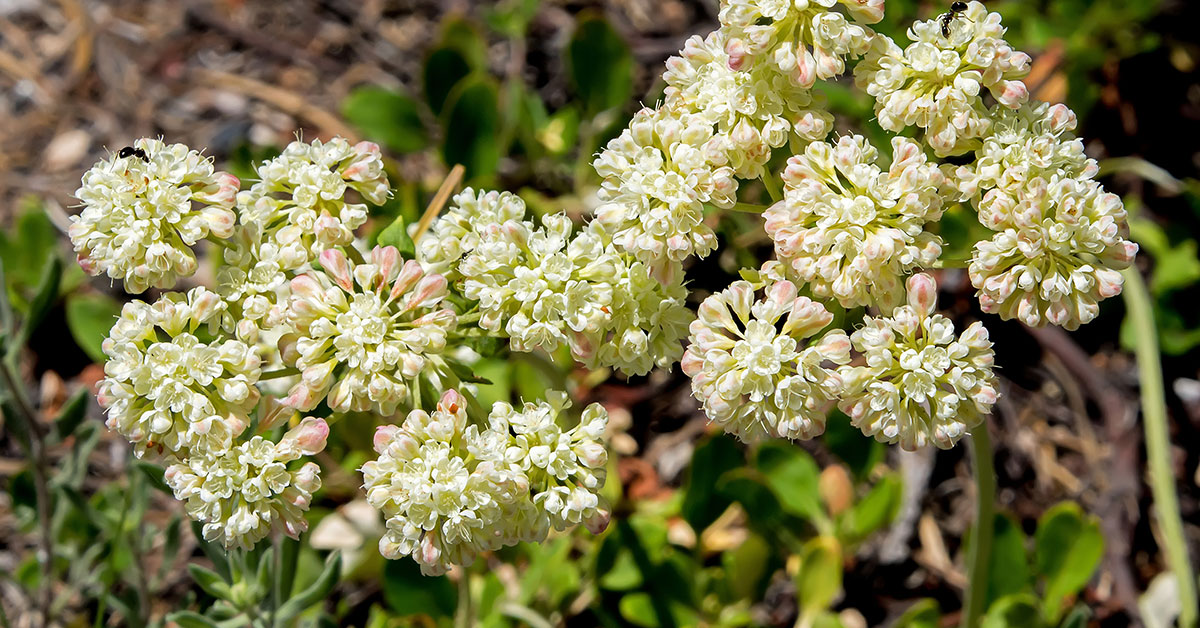

Nature’s palette is filled with colors that dance across a spectrum, from the dramatic reds of roses to the understated whites of daisies. Among these myriad hues, the delicate yellows of the Sulphur Flower, scientifically known as Eriogonum umbellatum, stand out in soft brilliance.
This perennial shrub bursts into a sea of yellow every summer, not only adding a splash of sunshine to your garden but also inviting a diverse range of pollinators. This article delves into the world of the Sulphur Flower, exploring its nature, origins, and how to cultivate it in your garden, along with other fascinating facts.
What is the Sulphur Flower?
Eriogonum umbellatum, commonly referred to as Sulphur Flower, is a perennial shrub that belongs to the buckwheat family, Polygonaceae. The plant is typically low-growing, spreading out in a mat-like form and reaching only about a foot in height. The leaves of the Sulphur Flower are small, leathery, and paddle-shaped, adding an interesting texture to your garden.
Come summer, the plant is adorned with clusters of bright yellow flowers, which give it its common name, Sulphur Flower. Over time, these flowers can transition into attractive shades of orange and rust, offering a multicolored spectacle as the season progresses.
Where is the Sulphur Flower Native?
Eriogonum umbellatum, commonly known as sulfur flower or sulfur buckwheat, is a flowering perennial native to western North America. It is primarily found in the western United States and parts of western Canada.
In the United States, the Sulphur Flower is native to the following states:
- California
- Nevada
- Oregon
- Washington
- Idaho
- Montana
- Wyoming
- Utah
- Colorado
- New Mexico
- Arizona
It is important to note that within these states, the plant’s distribution may vary depending on specific habitats and local conditions.
Growing and care
Cultivating the Sulphur Flower is an easy and rewarding process, thanks to its adaptability and low-maintenance nature. Here are some key guidelines:
Climate and Location: Sulfur flower thrives in regions with a dry and sunny climate. It is well-suited for USDA hardiness zones 4 to 8. Choose a location in your garden that receives full sun exposure for at least six hours a day.
Soil Preparation: Sulfur flower prefers well-draining soil. Prepare the planting area by loosening the soil and removing any weeds or debris. You can amend the soil with organic matter such as compost to improve drainage and fertility.
Planting: Sow the sulfur flower seeds directly into the prepared soil in either early spring or late fall. Lightly cover the seeds with a thin layer of soil, as they require light for germination. Space the seeds or seedlings about 12 to 18 inches apart to allow for their mature size.
Watering: Initially, water the seeds or seedlings gently but regularly to keep the soil moist. Once established, sulfur flower is quite drought-tolerant and does not require frequent watering. Water sparingly, allowing the soil to dry out between waterings.
Maintenance: Sulfur flower is a relatively low-maintenance plant. Remove any weeds that may compete with the young plants for nutrients and water. Additionally, deadhead the faded flowers to encourage further blooming and to prevent self-seeding if you wish to control the spread.
Protection: Sulfur flower is generally resistant to pests and diseases. However, you may want to protect the young seedlings from slugs or snails, especially during wet periods, using organic pest control methods if necessary.
Winter Care: Sulfur flower is adapted to withstand cold temperatures. In regions with severe winters, apply a layer of mulch around the base of the plants to protect the roots from freezing.
The Sulphur Flower is not just a visual delight. It’s a vital part of the ecosystem, attracting a wide array of pollinators, including bees, butterflies, and hummingbirds. Several species of butterflies also use it as a host plant for their larvae.
Moreover, the Sulphur Flower’s durability and adaptability make it a perfect choice for xeriscaping – a type of landscaping that minimizes water use. It’s also deer-resistant, making it an excellent choice for areas with deer populations.