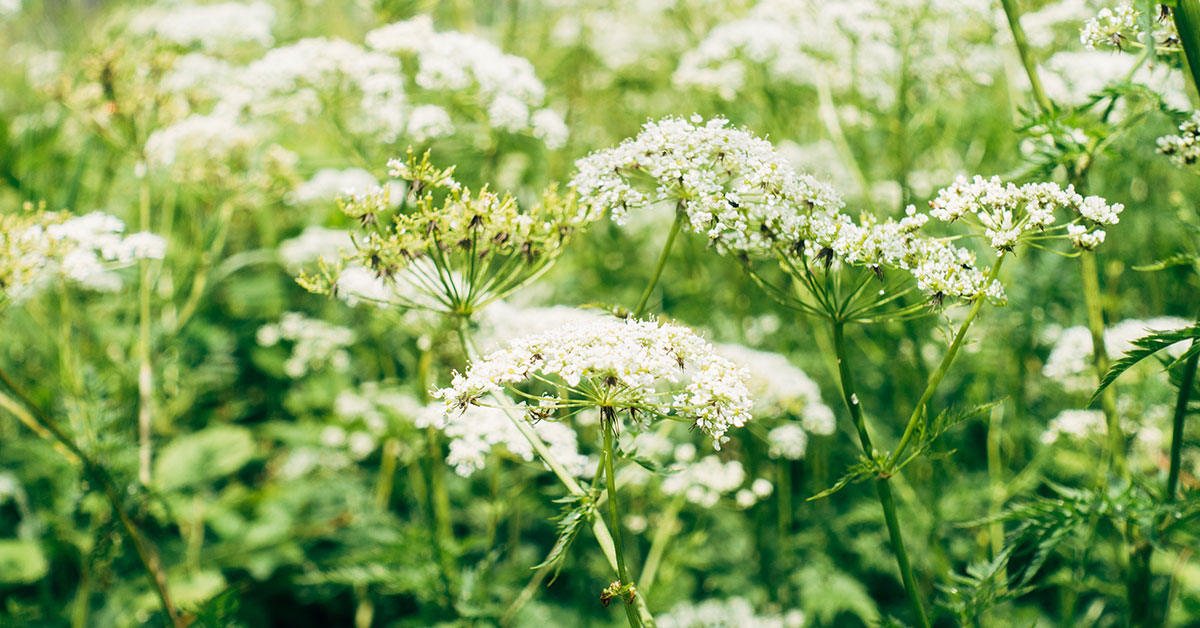

From its lush, aromatic foliage to its clusters of delicate, white flowers, the Western Yarrow, or Achillea millefolium, is a true gem of the American West’s natural flora. With its deep historical roots in traditional medicine and a robust resilience that enables it to thrive in a wide range of conditions, this perennial plant carries with it an allure that’s both practical and aesthetic.
In this article, we will delve deep into the world of Western Yarrow, unearthing its rich past and exploring its present-day applications. We’ll guide you through the process of cultivating this versatile and hardy plant in your garden, from initial planting to ongoing care. As a bonus, we’ll also touch on the ecological benefits of incorporating this native beauty into your landscape, such as its ability to attract pollinators and resist local pests.
Whether you’re an experienced gardener seeking to expand your horizons with native plants, a homeowner looking to design a drought-tolerant landscape, or simply a plant enthusiast interested in the floral wonders of the West, this guide is a journey into the multifaceted world of Western Yarrow. So, let’s embark on this horticultural adventure together, and unfold the magic that this unassuming perennial brings to our gardens and ecosystems.
What is Western Yarrow?
Western Yarrow is highly recognized for its feather-like, finely divided, aromatic leaves and its clusters of small, white to pale pink flowers that bloom from late spring into autumn. The flowers are arranged in a flat-topped inflorescence, often creating a carpet-like visual effect in gardens or meadows.
The plant is also characterized by its hardiness and resilience. It’s drought-tolerant, can thrive in a wide range of soil types, and is generally resistant to pests and diseases. This makes it an excellent choice for gardeners seeking low-maintenance plants or those wanting to create a drought-tolerant or wildlife-friendly garden, as yarrow is highly attractive to a variety of pollinators.
Apart from its ornamental value and ecological benefits, Western Yarrow also has a long history of medicinal use. Various cultures have used it to treat wounds, inflammation, and digestive disorders, owing to its purported antimicrobial and anti-inflammatory properties. In fact, the genus name ‘Achillea’ refers to the ancient Greek hero Achilles, who, according to mythology, used yarrow to treat his soldiers’ wounds.
Whether in a natural meadow, a cottage garden, or a xeriscape, Western Yarrow brings a combination of beauty, resilience, and ecological benefits that can enhance any landscape.
Where is Western Yarrow native?
Western Yarrow (Achillea millefolium) has a very broad native range that spans across the Northern Hemisphere. It can be found natively in many parts of North America, Europe, and Asia. In North America, it is commonly found from Alaska down to Mexico and across most of the United States (excluding some southeastern states) and Canada.
In the United States, the name “Western Yarrow” is often used to refer to the plant because of its prevalence in the western states, but it is indeed native to many parts of the country. It’s a highly adaptable plant that can be found in a variety of habitats including meadows, grasslands, forest edges, and even in more arid environments.
However, local varieties or ecotypes can differ from each other in various characteristics, and it’s always best to choose plants that are adapted to your specific region for the best results in your garden. Always consult with local nurseries or extension services to select the most appropriate plants for your specific area.
Growing & care guide
Sure, here’s the western yarrow growing guide with the prefaces before the colons emboldened:
1. Climate and location: Western yarrow thrives in full sun but can tolerate partial shade. It is adaptable to a wide range of soil types but prefers well-drained soil.
2. Soil preparation: Before planting Western yarrow, prepare the soil by removing any weeds, rocks, or debris. Loosen the soil to a depth of about 8 to 10 inches and amend it with organic matter such as compost to improve drainage and fertility.
3. Planting: Western yarrow can be grown from seeds, divisions, or nursery-bought plants. If starting from seeds, sow them directly into the prepared soil in early spring or late fall. Press the seeds lightly into the soil surface and keep them moist until germination, which usually takes 2 to 3 weeks. If planting divisions or nursery plants, dig a hole slightly larger than the root ball, place the plant in the hole, and backfill with soil. Space the plants about 12 to 24 inches apart.
4. Watering: Once established, Western yarrow is drought-tolerant and requires minimal watering. Water the plants deeply but infrequently, allowing the soil to dry out between waterings. Overwatering can lead to root rot, so it’s important not to keep the soil consistently wet.
5. Maintenance: Western yarrow is a low-maintenance plant. Regularly deadhead the faded flowers to promote continuous blooming and prevent self-seeding. Divide the plants every 2 to 3 years to maintain their vigor and prevent overcrowding. In early spring, cut back the foliage to the base to encourage fresh growth.
6. Pests and diseases: Western yarrow is generally resistant to pests and diseases. However, it can occasionally be affected by aphids or powdery mildew. Monitor the plants regularly and treat any infestations promptly with insecticidal soap or appropriate fungicides.
7. Wildlife attraction: Western yarrow is a magnet for butterflies and bees, making it an excellent addition to pollinator gardens. The flowers also attract beneficial insects that help control garden pests.
By following these guidelines, you can successfully grow Western yarrow and enjoy its beauty in your garden or landscape.
Uses for Western Yarrow
Western yarrow (Achillea millefolium) has a variety of uses beyond its ornamental value. Here are some common uses for Western yarrow:
- Medicinal purposes: Yarrow has a long history of medicinal use. It contains compounds with antimicrobial, anti-inflammatory, and analgesic properties. It has been used to treat wounds, burns, and skin irritations. The leaves and flowers can be dried and used to make teas, tinctures, or infused oils for medicinal purposes.
- Herbal remedies: Yarrow is often used in herbal remedies to alleviate digestive issues, such as bloating, indigestion, and loss of appetite. It is also believed to have diuretic properties and can be used to promote urine flow and relieve urinary tract infections.
- Aromatherapy: The essential oil extracted from Western yarrow has a pleasant aroma and is used in aromatherapy for its calming and soothing effects. It is believed to help reduce stress, anxiety, and insomnia when used in diffusers or diluted in carrier oils for massage.
- Culinary uses: The leaves have a bitter, aromatic flavor and can be used as a culinary herb. They can be added to soups, stews, and salads or used as a seasoning for meat and vegetable dishes. However, it should be used sparingly due to its intense flavor.
- Dyeing: The flowers of Western yarrow can be used to create natural dyes. They yield shades ranging from yellow to tan or even pink, depending on the mordants used. This makes it a popular choice for natural dyeing projects, especially for fabrics and yarns.
- Wildlife support: Western yarrow is highly attractive to butterflies, bees, and other pollinators. By planting Western yarrow in your garden, you can create a habitat and a source of nectar for these beneficial insects, helping to support local pollinator populations.
When using Western yarrow for any medicinal or culinary purposes, it’s essential to research and follow proper guidelines and consult with a knowledgeable herbalist or healthcare professional, especially if you have any underlying health conditions or are taking medications.