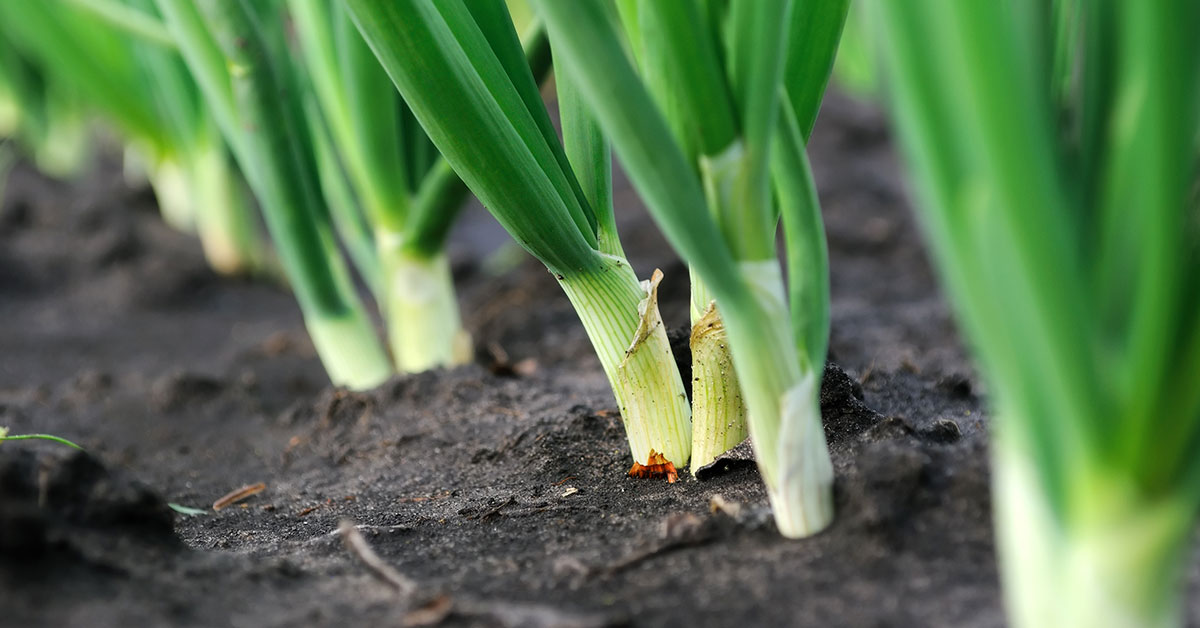

Bermuda onions are a beloved vegetable that has been a staple in kitchens around the world for over a century. These sweet and mild onions are grown exclusively on the island of Bermuda, where they have become a symbol of the island’s agricultural heritage.
Bermuda onions are known for their unique flavor, tender texture, and beautiful white and gold layers. We will explore the history, cultivation, and culinary uses of Bermuda onions, and discover why they have become such a beloved ingredient in global cuisine.
What are Bermuda Onions?
Bermuda onions are a type of sweet onion that is grown exclusively in Bermuda. These onions are known for their unique flavor and mild sweetness, which makes them a popular choice among chefs and home cooks alike.
Bermuda onions are characterized by their large size, flattened shape, and pale yellow color. They are typically harvested in the summer and early fall and are often used in a variety of dishes such as salads, soups, and stir-fries.
One of the reasons that Bermuda onions are so highly prized is that they are grown in a unique environment. The soil in Bermuda is rich in limestone, which gives the onions a distinct flavor and texture. Additionally, the climate in Bermuda is warm and humid, which allows the onions to grow slowly and develop their signature sweetness.
They are a delicious and versatile ingredient that is beloved by chefs and home cooks around the world. Whether you are using them in a classic French onion soup or tossing them into a fresh summer salad, these onions are sure to add a unique and memorable flavor to any dish.
What do Bermuda Onions taste like?
Bermuda onions are a popular variety of onion that are known for their mild and sweet taste. They are commonly used in salads, sandwiches, and other dishes where a milder flavor is desired. Unlike other types of onions, Bermuda onions are not overly pungent or spicy, making them a great choice for those who are sensitive to strong flavors.
When cooked, they become even sweeter and more tender, making them a perfect addition to soups, stews, and casseroles. They can be sautéed, roasted, grilled, or caramelized to enhance their natural sweetness and bring out their unique flavor profile.
Bermuda onions are a versatile and delicious variety of onion that can be used in a wide range of dishes. Whether you are looking to add a touch of sweetness to your favorite salad or are in search of a milder onion to use in your cooking, Bermuda onions are definitely worth a try.
How to start Bermuda Onion seeds
Bermuda onions are a popular type of onion that is widely grown in Bermuda and other parts of the world. They are known for their sweet and mild flavor, as well as their large size. If you are interested in growing Bermuda onions from seed, here are some steps you can follow:
- Select a good location: Bermuda onions prefer well-drained soil that is rich in organic matter. Choose a sunny location in your garden that gets at least 6 hours of direct sunlight each day.
- Prepare the soil: Before planting your Bermuda onion seeds, prepare the soil by removing any weeds or debris. Add compost or other organic matter to the soil to help improve its structure and fertility.
- Sow the seeds: Plant the Bermuda onion seeds in rows, spacing them about 2 inches apart. Cover the seeds with about 1/4 inch of soil and water well.
- Provide proper care: Once your Bermuda onion seeds have germinated, it is important to provide them with proper care. Water the plants regularly, making sure the soil stays moist but not waterlogged. Fertilize the plants every 2-3 weeks with a balanced fertilizer.
- Thin the seedlings: Once the Bermuda onion seedlings have grown to about 2-3 inches tall, thin them out so that they are spaced about 4-6 inches apart. This will give them enough room to grow and develop properly.
- Harvest the onions: Depending on the variety of Bermuda onions you are growing, they may take anywhere from 90 to 120 days to mature. Once the tops of the onions start to yellow and fall over, it is time to harvest them. Carefully dig up the onions and let them dry in the sun for a few days before storing them in a cool, dry place.
How to grow Bermuda Onions
Bermuda onions are a type of sweet onion that is grown in Bermuda, Texas, Georgia, and other parts of the United States. They are a popular ingredient in many recipes and are known for their mild flavor and crisp texture. If you are interested in growing Bermuda onions in your own garden, here are some tips to get you started.
- Choose the Right Location: Bermuda onions prefer a location that receives full sun and has well-drained soil. The soil should be rich in organic matter and have a pH level of 6.0 to 6.5.
- Prepare the Soil: Before planting, it is important to prepare the soil by tilling it to a depth of 6 to 8 inches. Add compost or aged manure to the soil to improve its fertility and structure.
- Planting: Bermuda onions can be grown from seeds or sets. If you are using sets, plant them 1 inch deep and 4 to 6 inches apart. If you are using seeds, sow them ¼ inch deep and 1 inch apart. Water the onions well after planting.
- Watering: These onions require consistent watering throughout the growing season. Water them deeply once a week, or more often if the weather is hot and dry.
- Fertilizing: Apply a balanced fertilizer to the onions every 3 to 4 weeks during the growing season. Avoid using high-nitrogen fertilizers, as they can cause the onions to produce more foliage than bulbs.
- Weeding: Keep the onion bed free of weeds by hand weeding or using a hoe. Weeds can compete with onions for water and nutrients.
- Harvesting: They are ready to harvest when the tops begin to yellow and fall over. Carefully dig up the onions and let them dry in the sun for a few days. Once they are dry, remove the tops and store the onions in a cool, dry place.
Harvesting
Bermuda onions are a type of sweet onion that is known for its mild flavor. These onions can be grown in a variety of soil types, but they prefer well-drained soil that is rich in organic matter. To get the best yield from your Bermuda onions, it is important to know when and how to harvest them.
Bermuda onions are usually ready to harvest about 100 days after planting. The best time to harvest them is when the leaves start to turn yellow and fall over. This is a sign that the onions have stopped growing and are ready to be picked.
It is important to avoid harvesting too early, as this can result in smaller onions. On the other hand, leaving them in the ground for too long can cause the onions to rot.
When harvesting, it is important to be gentle to avoid damaging the onions. Here are the steps to follow:
- Loosen the soil around the onions using a garden fork or shovel.
- Carefully pull the onions out of the ground by grasping the leaves and gently tugging them upward.
- Lay the onions in a dry, shaded area to dry for a few days. This will help the outer layer of skin to dry and protect the onion during storage.
- Once the onions are dry, cut off the leaves and roots and store them in a cool, dry place.
Harvesting is easy and straightforward as long as you know when to do it and how to handle the onions. By following the steps outlined above, you can ensure that you get the best yield from your Bermuda onion crop.