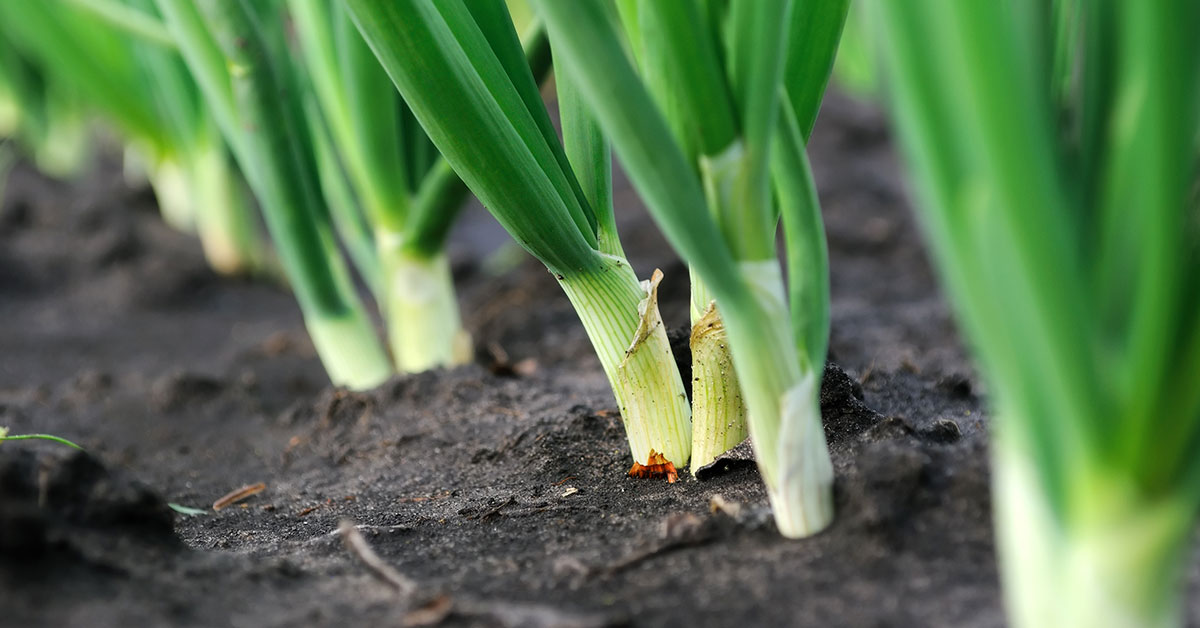

Spanish onions are a type of onion that is widely used in a variety of dishes across the world. These onions are known for their sweet, mild flavor and are often used in salads, soups, stews, and other dishes.
They are also a popular ingredient in Spanish cuisine and are a staple in many traditional recipes.
Whether you are an experienced cook or just starting out in the kitchen, Spanish onions are a versatile and delicious ingredient that can add depth and flavor to any dish.
We will take a closer look at Spanish onions and explore their unique qualities and uses in cooking.
What is a Spanish Onion?
Spanish onions are a type of onion that originates from Spain. They are typically larger than regular onions, with a sweet and mild flavor. Spanish onions are often used in cooking, due to their versatility and ability to enhance the flavor of many dishes.
The size of Spanish onions can vary, but they are generally larger than regular onions. They feature yellow-brown skin and have a sweet and mild flavor. This makes them great for use in dishes where you don’t want the onion to overpower the other ingredients.
In addition to their sweet flavor, they are also known for their high water content. This makes them perfect for use in soups and stews, where they can help to add moisture to the dish.
These onions are also a great source of vitamins and minerals, including vitamin C, vitamin B6, and potassium. They are also low in calories, making them a healthy addition to any meal.
Furthermore, they are a delicious and versatile ingredient that can be used in a variety of dishes. Whether you’re making soup, stew, or just sautéing them for a side dish, Spanish onions are sure to add flavor and nutrition to your meal.
What do Spanish Onions taste like?
When it comes to onions, there are many varieties to choose from. One of the most popular options is the Spanish onion. But, what does it taste like?
Spanish onions are known for their sweet and mild flavor. They are less pungent than other types of onions, such as yellow or white onions. The sweetness of Spanish onions makes them perfect for caramelizing or sautéing, as they add depth and complexity to dishes.
In terms of texture, Spanish onions are also unique. They are typically larger than other onions, and have a firm and crisp texture when raw. When cooked, they become tender and soft, making them a great addition to soups, stews, and sauces.
Spanish onions are a versatile ingredient that can add a touch of sweetness and flavor to a variety of dishes. Whether you’re making a classic French onion soup or a simple sautéed vegetable side dish, Spanish onions are a great choice.
How to start Spanish Onions from seeds
Growing your own Spanish onions can be a rewarding experience, providing you with fresh, flavorful onions for cooking and eating. Starting Spanish onions from seed is a simple process that can be done at home with just a few basic supplies.
Step 1: Gather Supplies: To start Spanish onions from seed, you will need the following supplies:
- Seeds: Purchase high-quality Spanish onion seeds from a reputable seed supplier.
- Seed trays: Use seed trays with drainage holes to ensure proper water flow.
- Growing medium: Choose a high-quality potting mix or seed-starting soil.
- Water: Use room temperature water to avoid shocking the seeds.
- Heating mat: A heating mat can help speed up germination time.
- Grow lights: If you don’t have access to natural light, grow lights can be used to provide sufficient light for the seedlings.
Step 2: Prepare the Seed Trays: Fill the seed trays with the growing medium, leaving about 1 inch of space at the top. Lightly press down on the soil to make sure it is level.
Step 3: Plant the Seeds: Sow the seeds about 1/4 inch deep in the soil, spacing them about 1 inch apart. Cover the seeds with a thin layer of soil and gently press down to ensure good seed-to-soil contact.
Step 4: Water and Cover: Using a spray bottle or watering can gently water the seeds until the soil is moist but not saturated. Cover the seed trays with plastic wrap or a clear lid to create a mini greenhouse effect. This will help keep the soil moist and warm.
Step 5: Provide Light and Heat: Place the seed trays in a warm, bright location. If you don’t have access to natural light, use grow lights to provide sufficient light for the seedlings. For best results, keep the temperature between 60-70°F. If needed, use a heating mat to maintain a consistent temperature.
Step 6: Monitor and Water: Check the seed trays daily to make sure the soil remains moist. Water, as needed using a spray bottle or watering, can.
Step 7: Transplant Seedlings: Once the seedlings have grown to about 4-6 inches tall and have developed their first set of true leaves, they are ready to be transplanted into larger containers or the garden.
How to grow Spanish Onions
If you are a gardening enthusiast or a lover of home-grown vegetables, then you should definitely consider growing Spanish onions. Spanish onions are a type of onion that is known for its sweet and mild taste. They are larger than regular onions, and they are used in many different dishes, including soups, stews, and salads.
Here’s a step-by-step guide on how to grow Spanish onions:
- Choose the right location: Spanish onions need plenty of sunlight, so make sure you choose a location that gets at least 6 hours of sunlight per day. They also need well-drained soil, so avoid areas that are prone to flooding.
- Prepare the soil: Before planting your Spanish onion seeds, you need to prepare the soil. Add organic matter such as compost or well-rotted manure to the soil to improve its fertility. You can also add a slow-release fertilizer to provide your plants with the necessary nutrients.
- Plant the seeds: Spanish onions can be grown from seeds or seedlings. If you are using seeds, plant them about 1/4 inch deep in rows that are 12 inches apart. If you are using seedlings, plant them about 4 inches apart.
- Water the plants: Spanish onions need regular watering, especially during the first few weeks after planting. Water them deeply once a week, or more often if the weather is hot and dry.
- Weed the area: Keep the area around your Spanish onion plants free of weeds. Weeds can compete with your plants for water and nutrients, so it’s important to keep them under control.
- Harvest the onions: Spanish onions are ready to be harvested when the tops start to turn yellow and fall over. Carefully dig them up using a garden fork, being careful not to damage the bulbs.
When and how to harvest Spanish Onions
Spanish onions are a popular and versatile type of onion. They are known for their sweet and mild flavor, which makes them a favorite ingredient in many dishes. If you’re growing Spanish onions in your garden, you may be wondering when and how to harvest them. Here are some tips to help you get the most out of your onion crop.
The timing of your onion harvest will depend on the variety of onions you are growing. Spanish onions typically take longer to mature than other types of onions, so you will need to be patient. You should expect to wait between 100 and 120 days from planting to harvest.
One way to tell if your onions are ready to be harvested is to watch for the tops to start to yellow and fall over. This is a sign that the onions have stopped growing and are ready to be pulled from the ground.
To harvest your Spanish onions, you will need to gently loosen the soil around the onions with a garden fork. Be careful not to damage the onions as you do this. Once the soil is loosened, you can grasp the onion by the stem and pull it from the ground.
After you have harvested your onions, you should lay them out in a dry, well-ventilated area to cure. This will help the onions to dry out and develop a papery skin, which will help to protect them during storage.
How To Store Onions
Once your Spanish onions have been cured, you can store them in a cool, dry place. You can store them in a mesh bag or a crate, but make sure that they are not touching each other. This will help to prevent them from rotting.
You should also check your onions regularly for any signs of spoilage. If you notice any onions that are soft or have begun to rot, you should remove them from the storage area immediately.
Harvesting Spanish onions is a simple process that requires patience and care. By following these tips, you can ensure that your onions are harvested at the right time and stored properly to enjoy their sweet and mild flavor throughout the year.