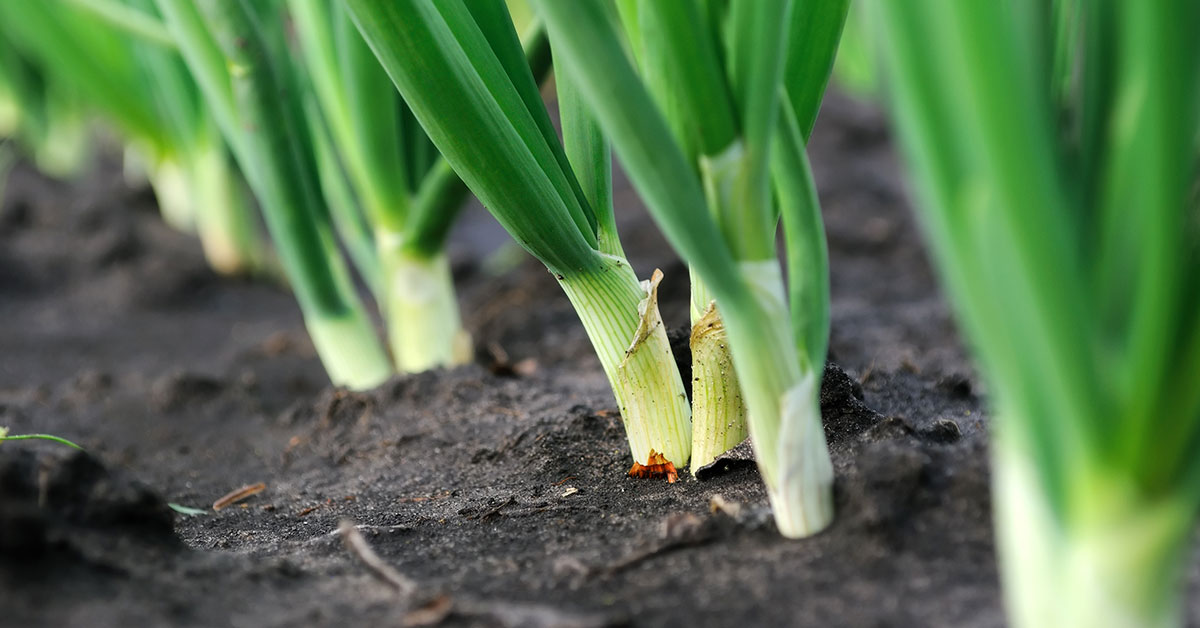

Maui onions are a popular type of onion that are grown exclusively on the island of Maui in Hawaii.
These onions are known for their sweet and mild flavor, making them a favorite among chefs and food lovers alike.
Maui onions are also highly prized for their size and unique shape, with some reaching up to 5 pounds in weight and resembling a flattened globe.
We will explore the history and cultivation of Maui onions, as well as their culinary uses and nutritional benefits.
What are Maui Onions?
Maui onions are a type of sweet onion that is grown exclusively on the Hawaiian island of Maui. They are renowned for their unique flavor, which is milder and sweeter than regular onions. Maui onions have pale yellow flesh and a papery, golden-brown skin.
These onions are grown in the volcanic soil of Maui, which is rich in minerals and nutrients. The warm, sunny climate of the island, combined with the fertile soil, creates the perfect environment for growing these sweet onions. The onions are typically harvested in the spring and early summer months and are available in grocery stores and farmers’ markets across the United States.
Maui onions are so highly regarded that they have been recognized as a distinct product by the state of Hawaii and are protected by law. This means that only onions grown on the island of Maui can be marketed as Maui onions.
In addition to their delicious flavor, Maui onions are also a good source of vitamin C and fiber. They can be used in a variety of dishes, including salads, sandwiches, soups, and stews. Whether you’re a foodie looking to try something new or simply looking for a healthy, flavorful addition to your meals, Maui onions are definitely worth a try.
What do Maui Onions taste like?
Maui onions are a special type of onion grown on the island of Maui in Hawaii. They are known for their sweet, mild flavor that sets them apart from other onions. When you bite into a Maui onion, you’ll notice that it is juicy and crisp with a satisfying crunch.
Unlike other onions, Maui onions have a low sulfur content, which makes them less pungent and more palatable. This mild flavor makes them perfect for adding to salads, sandwiches, and other dishes where you want the onion flavor without it overpowering the other ingredients.
Maui onions are also great for grilling and caramelizing. When cooked, they become even sweeter and take on a rich, caramelized flavor that pairs perfectly with grilled meats, vegetables, and cheese.
Maui onions are a delicious and unique ingredient that adds a sweet and mild onion flavor to any dish. If you haven’t tried them yet, you’re missing out on a culinary delight that is sure to become a favorite in your kitchen.
How to start Maui Onions from seed
Maui onions are a type of sweet onion that is grown exclusively on the Hawaiian island of Maui. These onions are known for their mild flavor, crisp texture, and beautiful white flesh. While you can find Maui onions in many grocery stores, they are also relatively easy to grow from seed. In this section, we’ll go over the steps to start them from seed.
Choose Your Seeds: The first step in starting Maui onions from seed is to choose your seeds. You can purchase Maui onion seeds online or at your local garden center. Look for seeds that are specifically labeled as Maui onions to ensure that you are getting the right variety.
Prepare Your Soil: Maui onions grow best in well-draining soil that is rich in organic matter. Before planting your seeds, you’ll want to prepare your soil by adding compost or other organic materials. You can also mix in a slow-release fertilizer to help nourish your plants as they grow.
Plant Your Seeds: Once your soil is prepared, it’s time to plant your Maui onion seeds. You can plant your seeds directly in the ground or start them indoors in seed trays. If you choose to start your seeds indoors, you’ll want to plant them about 8-10 weeks before your last frost date. Plant your seeds about 1/4 inch deep and 1 inch apart.
Water and Care for Your Plants: Maui onions need regular watering and care to thrive. Water your plants deeply once a week, or more often if the weather is particularly hot or dry. You’ll also want to keep an eye out for pests and diseases, such as onion maggots or fungal infections. If you notice any issues, treat them promptly with organic pesticides or fungicides.
How to grow
Maui onions are a popular variety of onion that is known for their sweet and mild flavor. Growing them can be easy if you follow a few simple steps. Here are some tips on how to grow Maui onions.
- Start with the right soil: Maui onions grow best in well-draining soil that is rich in organic matter. Make sure the soil pH is between 6.0 and 7.0.
- Choose the right time to plant: They are typically planted in the fall or winter. This gives the onions plenty of time to grow and mature before the warm summer months.
- Plant onion sets: These onions are typically grown from onion sets, which are small onion bulbs. Plant the onion sets about 1 inch deep and 4 inches apart.
- Water regularly: They need to be watered regularly, especially during the growing season. Water deeply once a week, or more often if the soil is dry.
- Fertilize regularly: These plants need to be fertilized regularly to ensure healthy growth. Use a balanced fertilizer every 4-6 weeks during the growing season.
- Control weeds: Weeds can compete with these onions for nutrients and water. Keep the area around the onions weed-free by using mulch or hand weeding.
- Harvest at the right time: They are ready to be harvested when the leaves start to yellow and fall over. Pull the onions out of the ground and let them dry in the sun for a few days before storing them.
When and how to harvest
Maui onions are a type of sweet onion that is grown exclusively on the Hawaiian island of Maui. These onions are known for their mild flavor, which makes them a favorite among chefs and food enthusiasts. To get the most out of your Maui onion crop, it is important to know when and how to harvest them.
Timing is everything when it comes to harvesting. These onions should be harvested when they are fully mature, which usually happens between July and September. You can tell that the onions are ready for harvest when the tops of the plants start to dry out and fall over. This is a sign that the onions have stopped growing and that their skins have begun to dry out.
To harvest Maui onions, you will need a shovel or a pitchfork. Gently dig around the base of the plant to loosen the soil. Then, carefully lift the onion out of the ground, making sure that you do not damage the skin. If the skin is damaged, the onion will not store well and will be more prone to rot.
Once you have harvested them, it is important to cure them properly. This will help to extend their shelf life and ensure that they remain flavorful. To cure your onions, spread them out in a single layer in a cool, dry, and well-ventilated area. Make sure that the onions are not touching each other, as this can cause them to rot. Leave the onions to cure for at least two weeks, or until the skins are completely dry.
Harvesting requires a bit of patience and care. By waiting until the onions are fully mature and then carefully lifting them out of the ground, you can ensure that your crop will be flavorful and long-lasting. And by properly curing your onions, you can enjoy them for months to come.