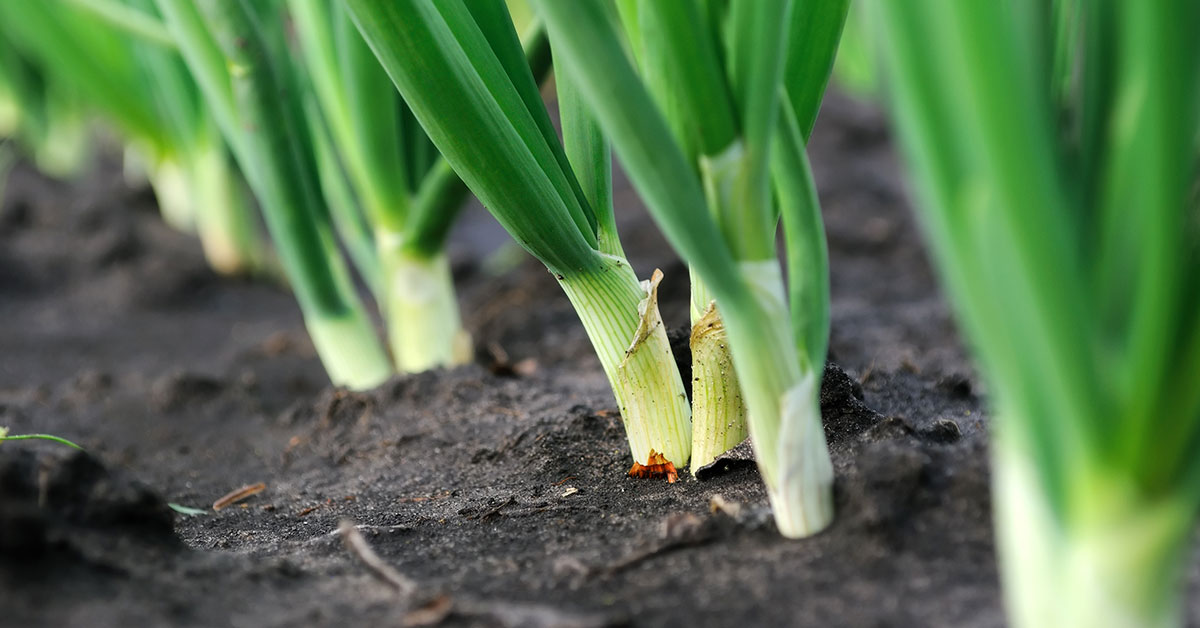

Walla Walla onions are a type of sweet onion that is grown in the Walla Walla Valley of Washington State.
These onions are known for their distinctive flavor, which is milder and sweeter than other onion varieties. In fact, they are so beloved that they have been designated as Washington’s official state vegetable.
We will explore the history of Walla Walla onions, how they are grown and harvested, and some delicious ways to enjoy them in your cooking.
What is a Walla Walla Onion?
Walla Walla onions are a type of sweet onion that is grown exclusively in the Walla Walla Valley of Washington State. They are named after the city of Walla Walla, which is located in the southeastern part of the state. These onions are known for their mild, sweet flavor and are popular among chefs and home cooks alike.
Walla Walla onions are typically harvested in late spring to early summer and are available for a brief period of time each year. They are larger in size than most onions, with a flattened shape and light brown skin. The flesh of the onion is white and juicy, and the flavor is sweet and mild.
Because of their delicate flavor, Walla Walla onions are often used raw in salads and sandwiches. They can also be grilled or roasted, which brings out their natural sweetness. Some popular recipes that feature Walla Walla onions include French onion soup, caramelized onion tart, and onion rings.
In addition to their delicious taste, Walla Walla onions are also packed with nutrients. They are high in vitamin C, fiber, and antioxidants, making them a healthy addition to any diet.
Walla Walla onions are a delicious and unique type of onion that is well worth seeking out. Their sweet flavor and versatility in the kitchen make them a favorite among cooks and foodies alike.
What do Walla Walla Onions taste like?
Walla Walla onions have a sweet and mild taste, making them a favorite among many chefs and home cooks. They are not as pungent as other varieties of onions, which makes them ideal for raw consumption.
When you bite into a Walla Walla onion, you will notice its crisp texture and juiciness. The sweetness of the onion is well-balanced, making it a perfect addition to various dishes. It has a subtle flavor that doesn’t overpower the other ingredients, which makes it a versatile ingredient in many recipes.
The sweetness of Walla Walla onions is due to the low sulfur content in the soil in which they are grown. This low sulfur content is also responsible for their mild taste. The soil in the Walla Walla region is rich in nutrients, which gives the onions their unique flavor profile.
These onions are perfect for salads, sandwiches, and burgers. They can also be caramelized and used as a topping for pizzas or mixed with other vegetables for stir-fries. The sweetness of these onions also makes them an excellent choice for pickling.
They have a sweet and mild taste that sets them apart from other varieties of onions. They are versatile and can be used in a wide range of dishes, making them a favorite among chefs and home cooks. If you haven’t tried Walla Walla onions yet, you’re missing out on one of the best culinary experiences.
How to start Walla Walla Onions from seeds
Growing Walla Walla onions from seed is a great way to ensure a bountiful harvest of these sweet and juicy onions. Here are some steps to get started:
- Choose a good location: Walla Walla onions require full sun and well-drained soil. Choose a location in your garden that receives at least 6 hours of direct sunlight and has loose, fertile soil.
- Prepare the soil: Before planting your Walla Walla onion seeds, prepare the soil by removing any weeds or debris and adding organic matter such as compost or well-rotted manure. This will improve the soil structure and fertility, which will help your onions grow strong and healthy.
- Start seeds indoors: Walla Walla onion seeds can be started indoors about 8-10 weeks before the last frost date in your area. Sow the seeds in individual pots or seed trays, and keep them in a warm, sunny location. Keep the soil moist but not waterlogged, and fertilize with a balanced fertilizer every 2 weeks.
- Transplant seedlings: Once the seedlings have reached about 6 inches in height and have developed a strong root system, they can be transplanted into the garden. Choose a cloudy day or late afternoon to transplant, and make sure to space the seedlings about 4-6 inches apart.
- Water and fertilize: Walla Walla onions require consistent moisture and regular fertilization to grow well. Water deeply once a week, and fertilize with a balanced fertilizer every 3-4 weeks. Avoid over-fertilizing, as this can cause the onions to grow too quickly and become watery.
- Harvest and store: They are ready to harvest when the tops have begun to fall over and dry out. Carefully dig up the onions with a garden fork, and let them dry in a warm, dry location for a few days. Once they are completely dry, trim the tops and store the onions in a cool, dry location.
How to grow Walla Walla Onions
If you are a fan of onions, then you must have heard about the Walla Walla onions. These sweet and juicy onions are a favorite of many people, and they are perfect for adding flavor to any dish. If you are interested in growing your own, then you have come to the right place.
- Start by choosing the right location
The first step in growing Walla Walla onions is to choose the right location. These onions need full sun, so make sure that you choose a spot that receives at least six hours of sunlight every day. It is also important to choose a spot with well-drained soil that has a pH level between 6.0 and 7.0. - Prepare the soil
Once you have chosen the right location, it is time to prepare the soil. Start by removing any weeds or debris from the area. You can then add compost or well-rotted manure to the soil to improve its fertility. Make sure that you mix the compost or manure well with the soil. - Plant the onions
These onions are usually planted in the spring. You can start by planting seeds indoors 8-10 weeks before the last frost date in your area. Alternatively, you can plant onion sets directly into the ground in the spring. Onion sets are small onion bulbs that have been grown the previous year. Make sure that you plant the onion sets about 1 inch deep and 4 inches apart. - Water the onions
Once you have planted the onions, it is important to water them regularly. Make sure that the soil is moist but not waterlogged. Onions need about 1 inch of water per week, so make sure that you water them deeply once a week. - Fertilize the onions
These onions need to be fertilized regularly to ensure healthy growth. You can fertilize the onions with a balanced fertilizer every 3-4 weeks. Make sure that you follow the instructions on the fertilizer package. - Harvest the onions
They are usually ready for harvest in late summer. You can tell that the onions are ready when the tops start to turn yellow and fall over. Once the onions are ready, you can pull them out of the ground and leave them in the sun to dry for a few days. You can then store the onions in a cool, dry place for up to six months.
When to harvest Walla Walla Onions
Walla Walla onions are a popular variety of sweet onions that are known for their mild flavor and crisp texture. If you are growing these onions in your garden, it is important to know when and how to harvest them so that you can enjoy their delicious taste.
The best time to harvest Walla Walla onions is when the leaves of the plants start to turn yellow and fall over. This usually happens in late summer or early fall, depending on when you planted your onions. You can also check the size of the bulbs to see if they are ready for harvest. Walla Walla onions should be about 3 inches in diameter when they are ready to be picked.
To harvest Walla Walla onions, gently lift the bulbs out of the soil using a garden fork or trowel. Be careful not to damage the bulbs as you lift them out of the ground. Once you have harvested all of your onions, you should let them dry in a warm, dry place for a few days before storing them.
Walla Walla onions can be stored for several months if they are stored properly. After harvesting, you should remove any excess dirt from the onions and let them dry in a warm, dry place for a few days. Once they are completely dry, you can store them in a cool, dry place such as a pantry or basement. You can also store them in a mesh bag or a wire basket to allow air to circulate around the onions.