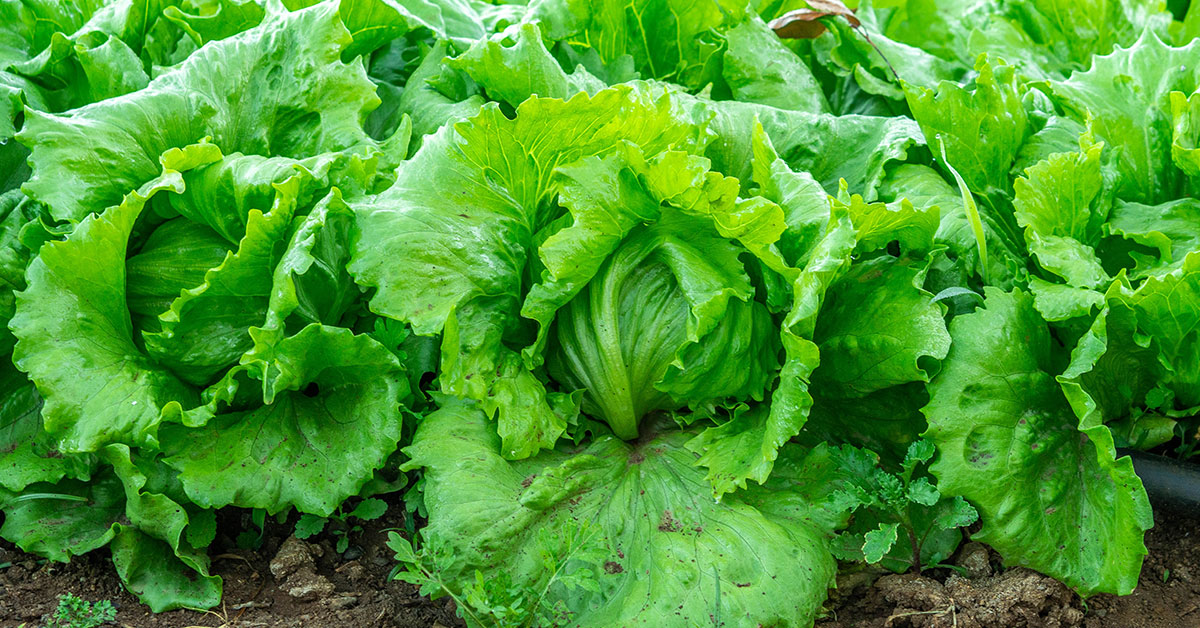

In the vast landscape of leafy greens, Iceberg lettuce stands tall as an iconic player. It’s a key ingredient in salads, sandwiches, and numerous classic dishes. This article provides a detailed guide on growing Iceberg lettuce, its taste profile, the process of growing it from seeds, and the optimal time for harvesting to ensure the freshest produce.
What is Iceberg Lettuce?
Iceberg lettuce, scientifically known as Lactuca sativa, is a variety of lettuce belonging to the Asteraceae family. It’s often recognized by its round and compact “head” that resembles a small cabbage. Iceberg lettuce was first developed in the United States in the 19th century and has remained a staple in many households ever since. Despite being low in nutritional value compared to darker green lettuces, it’s still rich in fiber and contains trace amounts of vitamins and minerals.
What Does Iceberg Lettuce Taste Like?
Iceberg lettuce is celebrated for its crunchy texture more than its flavor. It has a mild, slightly sweet taste with a refreshing crunch in every bite. The white part towards the center is especially crisp, while the darker outer leaves have a more subtle flavor. Its crunch and high water content make it a refreshing addition to dishes, especially during the hot summer months.
How to Start Iceberg Lettuce from Seeds
Learning how to grow iceberg lettuce from seed is an invaluable skill for anyone striving towards a self-sufficient and sustainable lifestyle. Starting from seed not only gives you a deeper understanding of the plant’s life cycle, but it’s also cost-effective and rewarding.
It allows you to produce fresh, chemical-free lettuce right in your backyard, ensuring you always have a supply of crisp, nutrient-rich greens for your meals. Plus, the process of nurturing a plant from seed to harvest is deeply satisfying, providing a sense of accomplishment and a tangible connection to the food you consume. Cultivate your green thumb and enrich your diet by learning to grow this vegetable from seed.
Growing iceberg lettuce from seed is a straightforward process. Here’s a step-by-step guide:
- Choose the Right Time: This is a cool-weather crop, best grown in early spring or fall.
- Prepare Your Soil: Iceberg lettuce prefers well-draining soil, rich in organic matter. Amend your garden soil with compost or well-rotted manure to increase its fertility.
- Sow Your Seeds: Sow the lettuce seeds directly into the garden, or start them indoors for an early start. Plant the seeds 1/4 inch deep, spaced about 1 inch apart. If you’re starting indoors, you can transplant the seedlings when they’re 3-4 weeks old and after the last expected frost.
- Thinning: Once the seedlings have grown a few inches high, thin them so that they are approximately 8-12 inches apart. This gives each plant enough space to develop fully.
- Watering and Care: Keep the soil consistently moist but avoid waterlogging. Iceberg lettuce has shallow roots, so it needs regular watering, especially in dry weather. Protect young plants from frost and consider using a shade cloth if the weather turns too hot (above 75 degrees Fahrenheit) as high temperatures can cause bolting (premature flowering).
Remember to rotate your lettuce crops to prevent soil-borne diseases, and consider companion planting with crops like radishes, carrots, or onions to deter pests.
How to Grow Iceberg Lettuce
Mastering the art of growing iceberg lettuce can be a game-changer for your diet and sustainability goals. This crisp, refreshing vegetable is a staple in salads and wraps, offering a low-calorie, nutrient-rich option that’s versatile in the kitchen. B
y growing your own, you can ensure a fresh, pesticide-free supply right at your doorstep. Moreover, it allows you to engage with the food you eat on a deeper level, and makes a positive contribution to reducing your carbon footprint. Embrace the joy and benefits of home gardening by learning to cultivate your own iceberg lettuce. Here’s how to do it:
- Choose the Right Spot: Iceberg lettuce prefers full sun in cool conditions and partial shade when it’s warmer. The planting site should receive 6-8 hours of sunlight daily.
- Prepare the Soil: This veggie thrives in well-drained, fertile soil with a pH between 6.0 and 6.8. Enrich the soil with organic matter or compost before planting for best results.
- Plant the Seedlings: Place the seedlings about 12-18 inches apart to allow for growth. Water them thoroughly after planting.
- Water and Fertilize: It needs consistent moisture, so water regularly, especially during dry spells. Overwatering, however, can lead to disease and root problems. Apply a balanced, slow-release fertilizer at planting and again midway through the growing season to support healthy growth.
- Mulch: Apply mulch around the lettuce plants to help retain soil moisture, suppress weeds, and keep the soil cool.
When to Harvest Iceberg Lettuce
Iceberg lettuce usually takes about 70-95 days to mature from seed or 60-70 days from transplanting, depending on the specific variety and growing conditions. You can harvest the lettuce when the head feels firm to the touch. To do so, cut the head from the stem about an inch above the soil level. Always aim to harvest in the cool morning hours to ensure the lettuce is crisp and fresh.
Remember, growing veggies at home can be a rewarding experience, offering a reliable supply of this versatile and crisp green. By following these guidelines, you’ll be well-equipped to grow and enjoy your own Iceberg lettuce right from your backyard!