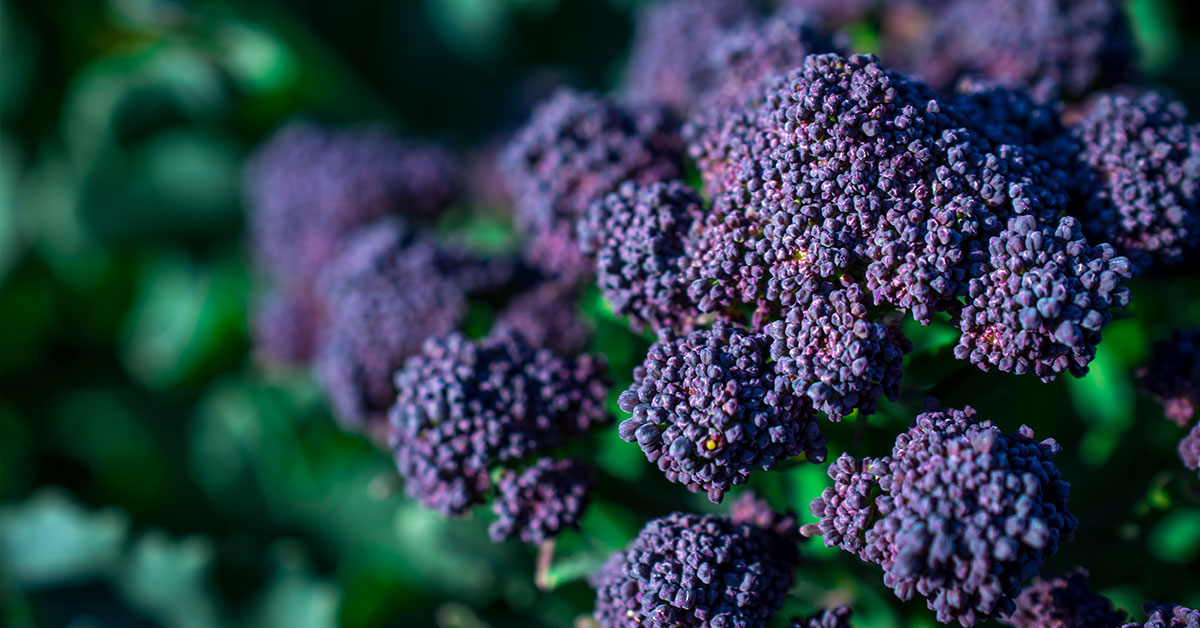

Purple Sprouting Broccoli is a unique and delicious vegetable that is gaining popularity among food enthusiasts.
It is a member of the brassica family and is known for its vibrant purple color and delicate flavor.
Unlike regular broccoli, which produces a single head, Purple Sprouting Broccoli produces multiple small heads that are packed with nutrients and antioxidants.
We will explore the nutritional benefits, culinary uses, and growing tips for this vibrant and tasty vegetable.
Whether you are a seasoned chef or a beginner cook, you will find something to love about Purple Sprouting Broccoli.
What is Purple Sprouting Broccoli?
Are you looking for a new vegetable to add to your diet? Look no further than purple sprouting broccoli! This versatile vegetable is packed with nutrients and flavor, making it a great addition to any meal.
But what exactly is purple sprouting broccoli? Unlike traditional broccoli, which has a large central head, purple sprouting broccoli produces smaller heads and long, tender stems. The deep purple color of the sprouts and leaves is due to the presence of anthocyanins, which are powerful antioxidants.
In addition to being visually stunning, purple sprouting broccoli is also incredibly nutritious. It is rich in vitamins C and K, as well as fiber, folate, and potassium. It is also a good source of phytonutrients, which have been linked to a reduced risk of chronic diseases such as cancer and heart disease.
But the benefits don’t stop there. Purple sprouting broccoli is also easy to prepare and can be used in a variety of dishes. Try roasting it with garlic and lemon for a delicious side dish, or add it to soups and stir-fries for a nutritious boost.
What does Purple Sprouting Broccoli taste like?
Purple sprouting broccoli, also known as PSB, is a unique and nutritious vegetable that has become increasingly popular in recent years. As the name suggests, this type of broccoli has a vibrant purple color and is known for its delicate, sweet flavor. Compared to regular broccoli, PSB has a milder taste and a more tender texture, making it a great addition to a variety of dishes.
When cooked, purple sprouting broccoli has a slightly sweeter taste than regular broccoli, with a hint of nuttiness. It has a subtle earthy flavor that pairs well with a range of other ingredients, such as garlic, lemon, and Parmesan cheese. PSB also has a slightly crunchy texture, which adds a pleasant crunch to dishes such as stir-fries and salads.
One of the great things is that this plant it’s incredibly versatile and can be used in a variety of dishes. For example, it can be roasted, grilled, stir-fried, or steamed. It’s also a great addition to pasta dishes, soups, and stews.
In addition to its delicious taste, purple sprouting broccoli is also incredibly healthy. It’s packed with vitamins and minerals, including vitamin C, vitamin K, and fiber. It’s also a great source of antioxidants, which help to protect the body against disease and illness.
If you’re looking for a delicious and nutritious vegetable to add to your diet, purple sprouting broccoli is definitely worth trying. Whether you’re a fan of broccoli or not, this unique and flavorful vegetable is sure to impress. So why not give it a try and see what all the fuss is about?
Starting Purple Sprouting Broccoli from Seeds
Purple sprouting broccoli is an excellent addition to any vegetable garden. It is a delicious and nutritious vegetable that can be enjoyed throughout the winter months. The good news is that it is easy to grow from seed, and you can start the process indoors or outdoors.
- Choose the right time
Purple sprouting broccoli is a cool-season crop, which means it is best to start it in the late summer or early fall. This will give the plant enough time to mature before the winter frost sets in. If you live in a warmer climate, you can start the seeds in late winter or early spring.
- Prepare the soil
Be sure to provide well-drained soil that is rich in organic matter. Before planting the seeds, loosen the soil to a depth of at least 12 inches and mix in some compost or well-rotted manure. This will provide the plant with the nutrients it needs to grow.
- Plant the seeds
Place the seeds in a seed tray or small pots filled with potting soil. Sow the seeds at a depth of ¼ inch and cover them with a thin layer of soil. Water the seeds gently and keep the soil moist but not waterlogged.
Transplanting And Aftercare
- Provide the right conditions
The seeds need to be kept in a warm and sunny location until they germinate. Once the seeds have sprouted, move the seedlings to a cooler location with plenty of light. Aim to keep the temperature between 60-70°F.
- Transplant the seedlings
Once the seedlings have grown to a height of 2-3 inches, they are ready to be transplanted into the garden. Choose a spot that receives full sun and has well-drained soil. Dig a hole that is slightly larger than the seedling’s root ball and gently place the seedling in the hole. Water the plant well and add a layer of mulch around the base to retain moisture.
- Care for the plants
This plant needs to be watered regularly, especially during dry spells. Apply a balanced fertilizer every 4-6 weeks to promote healthy growth. Keep an eye out for pests such as aphids and caterpillars and take appropriate action if necessary.
How to Grow Purple Sprouting Broccoli
Purple sprouting broccoli is a delicious and nutritious vegetable that is easy to grow in your garden. Here are some tips to help you grow your own purple sprouting broccoli:
- Choose a sunny spot: This plant needs at least 6 hours of direct sunlight each day. Choose a spot in your garden that gets plenty of sun.
- Prepare the soil: It prefers well-drained soil that is rich in organic matter. Add compost or well-rotted manure to the soil to improve its fertility.
- Plant the seeds: Plant the seeds in the spring, as soon as the soil is workable. Sow the seeds 1 inch deep and 2 inches apart. Water the soil well after planting.
- Thin the seedlings: Once the seedlings have emerged, thin them to 4-6 inches apart. This will give them room to grow and develop.
- Water regularly: This broccoli needs regular watering to thrive. Water the plants deeply once a week, or more often in hot, dry weather.
- Fertilize: Apply a balanced fertilizer every 4-6 weeks to promote healthy growth and development.
- Watch for pests: This plant is susceptible to pests like aphids, cabbage worms, and flea beetles. Check your plants regularly and treat any infestations promptly.
- Harvest: It can be harvested in the late winter or early spring, depending on when you planted the seeds. Harvest the broccoli when the heads are firm and tight.
When and How to Harvest Purple Sprouting Broccoli
Purple sprouting broccoli is a nutritious and delicious vegetable that is popular among health-conscious individuals and foodies alike. Harvesting this vegetable at the right time is crucial to ensure that you get the best flavor and texture. Here’s what you need to know about when and how to harvest purple sprouting broccoli.
Purple sprouting broccoli is a cool-season crop that grows best in mild climates. It is typically sown in late spring or early summer and takes about 8-10 weeks to mature. The harvest season usually starts in late winter or early spring, and the plants can continue producing until early summer.
When to Harvest
The ideal time to harvest purple sprouting broccoli is when the florets are fully formed but before the flowers start to open. The florets should be tightly packed and firm. You can check the readiness of the broccoli by gently pressing the florets. If they are still tight, then it’s not yet time to harvest. If they start to loosen, then the broccoli is overripe and may not taste as good.
How to Harvest
To harvest, use a sharp knife or pair of garden shears to cut the stem at an angle just below the florets. Make sure to leave at least one inch of stem attached to the plant to encourage regrowth. If you see any yellowing or wilting leaves on the plant, remove them to prevent the spread of the disease.
After harvesting, rinse the broccoli in cool water and pat it dry with a paper towel. You can store it in a plastic bag in the refrigerator for up to a week. To enjoy the best flavor, it’s best to cook the broccoli soon after harvesting.