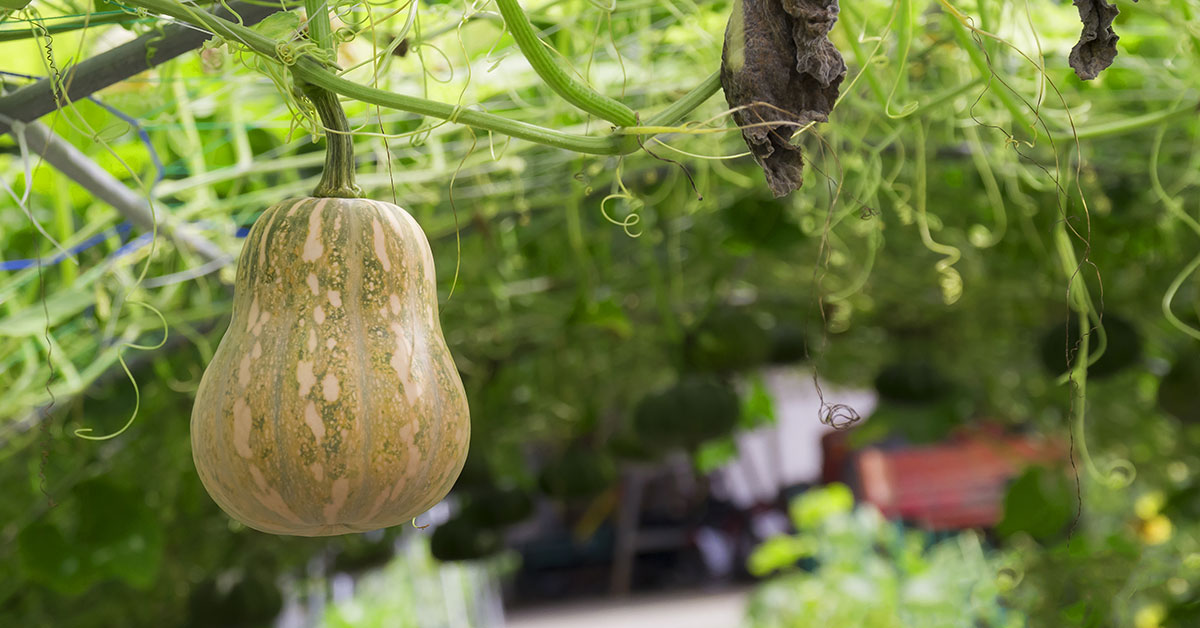

Waltham Butternut Squash is a popular winter squash variety that is known for its sweet and nutty flavor. It is a member of the Cucurbitaceae family, which includes other popular vegetables like pumpkins, zucchinis, and cucumbers.
This winter squash variety is named after Waltham, Massachusetts, where it was first developed in the 1940s. It has since become a staple in many kitchens due to its versatility and nutritional value. We will explore the many benefits and uses of this delicious winter squash variety.
What is a Waltham Butternut Squash
Waltham Butternut Squash is a popular winter squash variety that is widely cultivated in the United States. It is a member of the Cucurbitaceae family, which includes other popular squash varieties such as pumpkin and zucchini. The Waltham Butternut Squash is named after Waltham, Massachusetts, where it was originally developed by the Waltham Agricultural Experiment Station in the 1940s.
This squash variety is known for its distinctive bell-like shape and its smooth, tan exterior. It has a bright orange flesh that is sweet and nutty in flavor. The Waltham Butternut Squash is a relatively small squash, typically weighing between two and three pounds. It is also a prolific producer, making it a popular choice for home gardeners and small-scale farmers.
In addition to being delicious, this squash is also a good source of nutrition. It is high in fiber, vitamins A and C, and potassium. It is also low in calories, making it a healthy choice for anyone looking to add more vegetables to their diet.
Waltham Butternut Squash is a versatile and flavorful vegetable that can be used in a variety of recipes. It can be roasted, baked, mashed, or pureed, and it pairs well with a wide range of flavors and seasonings. Whether you’re a seasoned cook or a beginner, this squash variety is a great addition to any kitchen.
What does Waltham Butternut Squash taste like?
Waltham Butternut Squash is a popular variety of winter squash that is widely grown in the United States. The squash has a sweet and nutty flavor with a slightly buttery taste. The flesh of the squash is creamy and dense, making it perfect for roasting, baking, or pureeing into soups.
When cooked, it has a soft texture and a deep orange color. Its natural sweetness makes it a popular ingredient in many fall and winter recipes, including pies, muffins, and casseroles. The squash’s flavor is slightly earthy, with hints of nutmeg and cinnamon, making it a perfect addition to savory dishes as well.
Waltham Butternut Squash has a deliciously unique flavor that is both sweet and savory. Its versatility in cooking makes it a popular ingredient in many dishes, and its nutritional benefits make it a healthy choice for any meal.
How to start from seeds
Starting your own Waltham Butternut Squash plant from seed is a great way to ensure that you have a supply of delicious, fresh squash throughout the growing season. Here are some steps to follow to successfully start your own Waltham Butternut Squash from seed:
- Choose your seeds: Waltham Butternut Squash seeds can be found at most garden centers or ordered online. Choose a reputable supplier and look for seeds that are labeled as organic and non-GMO.
- Prepare your soil: Waltham Butternut Squash likes well-draining soil that is rich in organic matter. You can either use a pre-made potting mix or make your own by mixing equal parts of compost, peat moss, and vermiculite.
- Plant your seeds: Fill a small pot with your prepared soil. Make a hole in the center of the soil about 1 inch deep. Place one seed in the hole and cover it with soil. Water the soil lightly.
- Provide the proper environment: Waltham Butternut Squash seeds need warm soil to germinate. Place your pot in a warm, sunny location, or use a seedling heat mat to keep the soil temperature between 70 and 80 degrees Fahrenheit. Keep the soil moist but not waterlogged.
- Transplant your seedlings: Once your seedlings have developed their first true leaves, they are ready to be transplanted into larger pots or directly into your garden bed. Choose a sunny location with well-draining soil and plenty of space for your plants to spread out.
How to grow Waltham Butternut Squash
This variety of squash is relatively easy to grow and can thrive in a variety of climates. Here are some steps you can take to ensure a successful harvest:
- Choose the right location: Waltham Butternut Squash requires a lot of sunlight and well-draining soil. Choose a spot in your garden that gets at least 6 hours of direct sunlight per day and has soil that drains well.
- Prepare the soil: Before planting your squash, prepare the soil by tilling the area and adding compost or other organic matter to improve soil quality.
- Plant the seeds: Waltham Butternut Squash can be planted directly in the ground or started indoors and transplanted outside. If planting directly in the ground, sow the seeds about 1 inch deep and 2-3 feet apart. If starting indoors, plant the seeds about 3-4 weeks before the last frost and transplant them outside once the weather has warmed up.
- Water regularly: This squash requires regular watering, especially during hot, dry weather. Water deeply once or twice a week, making sure the soil stays evenly moist.
- Fertilize as needed: If your soil is lacking in nutrients, you may need to fertilize your squash plants. Use a balanced fertilizer and apply according to package instructions.
- Watch for pests and diseases: This plant can be susceptible to a variety of pests and diseases, including squash bugs, powdery mildew, and vine borers. Keep an eye out for any signs of damage and take action as needed.
When to Harvest Waltham Butternut Squash
Waltham Butternut Squash is a popular variety of winter squash that is known for its sweet, nutty flavor and smooth texture. If you are planning to grow this plant in your garden, it is important to know when and how to harvest it to ensure that you get the best quality squash.
When to Harvest
Waltham Butternut Squash typically takes around 80-100 days to mature from the time of planting. The best time to harvest the squash is when the skin has turned a deep tan color and is hard to the touch. The stem of the squash should also be dry and brown. You can test the ripeness of the squash by pressing your fingernail into the skin. If the skin is hard and resists your nail, the squash is ready to be harvested.
How to Harvest
When harvesting it is important to be gentle to avoid damaging the squash. To harvest the squash, use a sharp knife or pruning shears to cut the stem of the squash about 1-2 inches above the fruit. Do not pull the squash off the vine, as this can damage the stem and affect the quality of the squash.
Once you have harvested, store them in a cool, dry place with good ventilation. The squash can last for several months if stored properly. Avoid storing the squash in areas with high humidity or temperatures above 50 degrees Fahrenheit, as this can cause the squash to spoil.
Harvesting at the right time and in the right way is essential for getting the best quality squash. By following these simple tips, you can enjoy the delicious taste and health benefits of Waltham Butternut Squash all winter long.