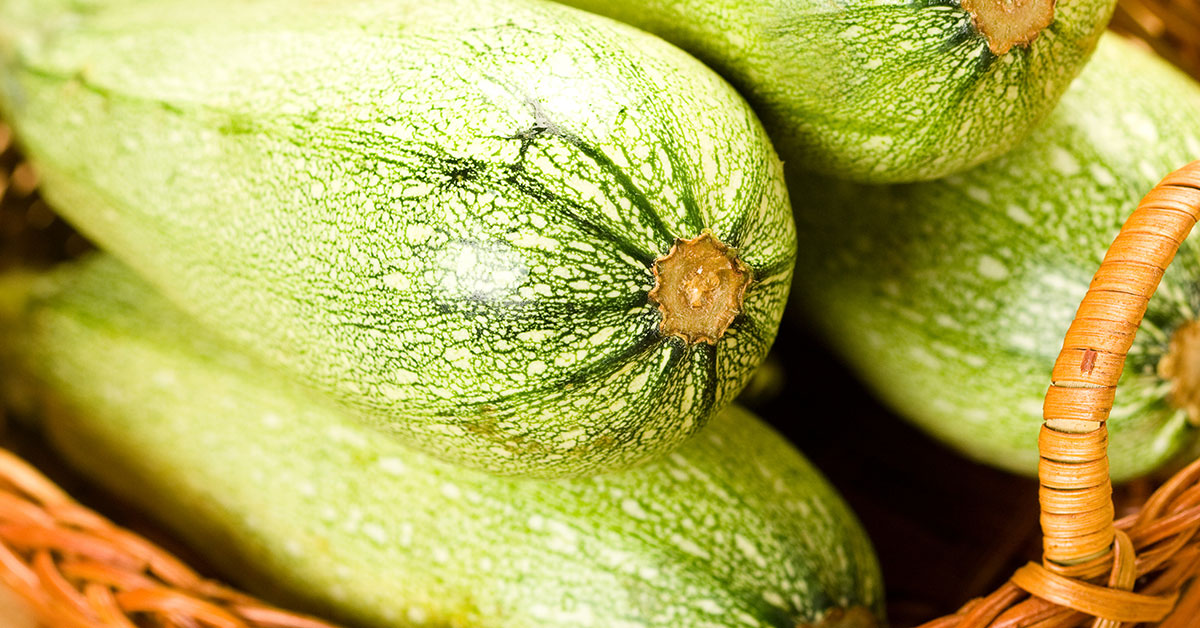

Lebanese cuisine is known for its rich and diverse flavors. One of the famous and much-loved dishes in Lebanese cuisine is zucchini.
This versatile vegetable is a staple in Lebanese households, and it is used in several dishes ranging from appetizers to main courses, and even desserts. Lebanese zucchini is a delicious and healthy ingredient that is easy to find in any grocery store.
We will explore the different ways Lebanese zucchini is used in traditional Lebanese cuisine and share some mouth-watering recipes for you to try at home.
What is a Lebanese Zucchini?
Lebanese zucchini, also known as Lebanese squash or courgette, is a type of summer squash that is commonly grown and consumed in the Middle East, particularly in Lebanon. It is a small, slender variety of zucchini that is typically harvested when it is still young and tender before the seeds have fully developed.
One of the distinctive features is its shape, which is elongated and cylindrical, with a slightly tapered end. It is usually about 6 to 8 inches long and 1 to 2 inches in diameter, with smooth, glossy skin that ranges in color from light green to dark green. The flesh is pale green, firm, and slightly sweet, with a delicate flavor that is ideal for a wide range of culinary applications.
Lebanese zucchini is rich in nutrients, including vitamins A and C, potassium, and dietary fiber, making it a healthy and nutritious addition to any diet. It is also low in calories, making it an excellent choice for those who are looking to maintain a healthy weight or reduce their caloric intake.
Due to its versatile flavor and texture, Lebanese zucchini is a popular ingredient in many traditional Middle Eastern dishes, such as stuffed zucchini, zucchini fritters, and zucchini soup. It can also be used in a variety of other dishes, including salads, stir-fries, and stews, and is often grilled or roasted to bring out its natural sweetness and flavor.
What does Lebanese Zucchini taste like?
Lebanese zucchini, also known as “Kusa,” is a type of summer squash that is widely used in Lebanese cuisine. It is a versatile ingredient that is used in many dishes, from stews and soups to salads and side dishes.
One of its unique characteristics is its flavor. It has a mild, slightly sweet taste that is similar to other varieties of summer squash. However, it also has a slightly nutty flavor that sets it apart from other types of squash.
When cooked, Lebanese zucchini has a tender texture that is slightly firm, making it perfect for soups and stews. It also retains its shape well when sautéed or roasted, making it an excellent vegetable to add to salads or serve as a side dish.
How to start Lebanese Zucchini seeds
If you are looking to grow Lebanese zucchini, the first step is to start from seed. Here are some steps you can follow:
- Choose the right seeds: Look for Lebanese zucchini seeds at your local nursery or online. Make sure to choose high-quality seeds that are suitable for your region.
- Prepare the soil: Lebanese zucchini thrives in well-draining soil that is rich in organic matter. Add compost, manure, or other organic material to your soil before planting.
- Sow the seeds: Sow your seeds directly into the soil or start them indoors in pots. If you are starting them indoors, make sure to transplant them outside after the last frost.
- Water regularly: Keep the soil moist but not waterlogged. Water your plants regularly, especially during hot and dry weather.
- Provide support: These plants can become quite large and heavy, so it is a good idea to provide support for the stems and fruits. Use stakes or trellises to keep the plants upright.
- Harvest: Lebanese zucchini is ready to harvest when the fruits are about 6 to 8 inches long. Use a sharp knife or scissors to cut the fruits from the plant.
How to grow Lebanese Zucchini
Lebanese zucchini, also known as Lebanese squash, is a popular summer vegetable in the Middle East. It has a cylindrical shape, dark green skin, and tender flesh that is perfect for grilling, roasting, or sautéing. If you’re interested in growing your own Lebanese zucchini, here are some tips to get started:
- Choose the right location: this plant thrives in warm, sunny locations with well-draining soil. Make sure you choose a spot in your garden that receives at least 6-8 hours of direct sunlight per day.
- Prepare the soil: Lebanese zucchini prefers soil that is rich in organic matter and has a pH between 6 and 7. Before planting, amend your soil with compost or well-rotted manure to improve its fertility and texture.
- Plant the seeds: You can plant the seeds directly in the soil after the last frost date in your area. Plant the seeds 1 inch deep and space them 2-3 feet apart to allow for adequate growth.
- Water and fertilize: Keep the soil consistently moist but not waterlogged. Lebanese zucchini is a heavy feeder, so fertilize every 2-3 weeks with a balanced fertilizer or compost tea to ensure healthy growth.
- Control pests and diseases: this plant is susceptible to pests like squash bugs and diseases like powdery mildew. Monitor your plants regularly and use organic pest and disease controls as needed.
- Harvest: Lebanese zucchini are typically ready to harvest 45-60 days after planting. Harvest the fruits when they are 6-8 inches long and tender. Leaving them on the vine for too long can result in tough, woody flesh.
When and How to Harvest Lebanese Zucchini
Lebanese zucchini is a popular vegetable in the Middle East and Mediterranean region, known for its tender flesh and delicate flavor. Harvesting this vegetable at the right time is crucial for ensuring its quality and taste. Here’s what you need to know about when and how to harvest Lebanese zucchini.
When to Harvest
Lebanese zucchini is ready to harvest when it reaches a length of 6-8 inches and a diameter of 1-2 inches. It’s important to harvest the zucchini before it becomes too large, as this can affect the flavor and texture. You should also avoid harvesting the zucchini too early, as this can result in a bitter taste. The best time to harvest is when it’s still young and tender.
How to Harvest
You’ll need a sharp knife or pruning shears. Cut the stem of the zucchini about an inch above the fruit, taking care not to damage the plant. It’s important to use a clean and sharp tool to avoid damaging the plant or leaving any debris behind.
If you’re harvesting multiple zucchinis, it’s best to pick them up every 2-3 days to avoid any overripe or oversized fruits. This will also encourage the plant to continue producing more zucchinis throughout the growing season.
Storing Lebanese Zucchini
After harvesting Lebanese zucchini, it’s important to store it properly to maintain its freshness and quality. You can store the zucchini in a cool, dry place for up to a week. Avoid storing it in airtight containers or plastic bags, as this can cause the zucchini to rot.
Alternatively, you can freeze the zucchini for later use. Simply slice the zucchini into rounds, blanch them in boiling water for 2-3 minutes, then transfer them to airtight containers or freezer bags. The frozen zucchini can be used in soups, stews, or other dishes throughout the year.
Harvesting at the right time and in the right way is crucial for ensuring its quality and taste. By following these tips, you’ll be able to enjoy this delicious and versatile vegetable throughout the growing season.