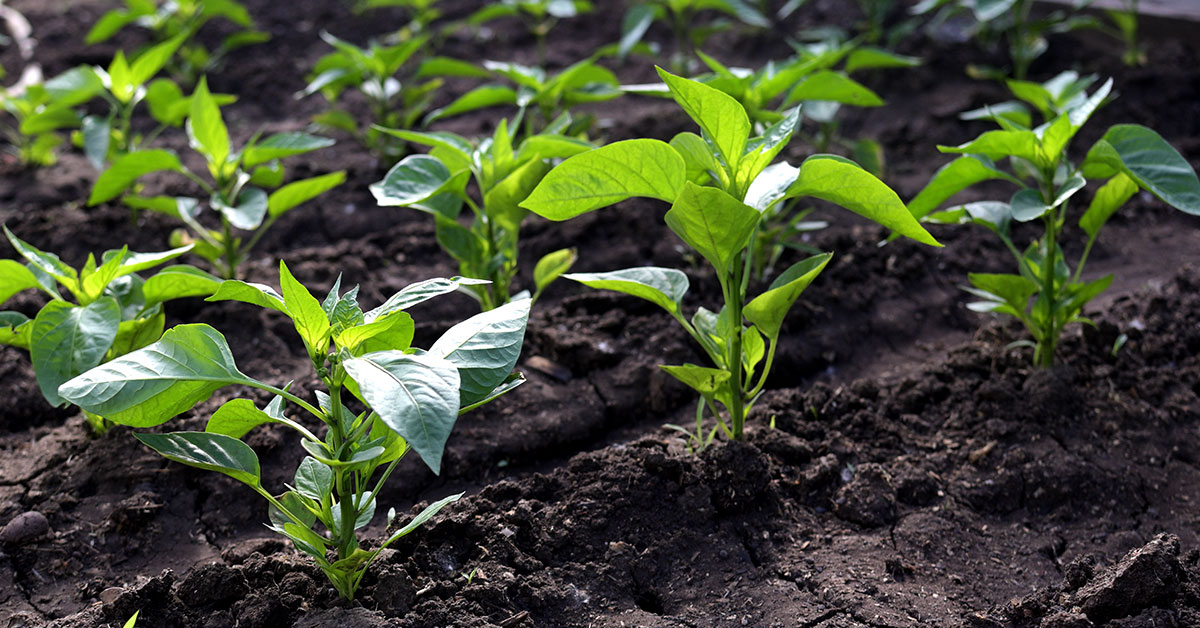

The Lemon Drop pepper is a fascinating addition to any garden, boasting both beauty and flavor. This pepper plant is famous for its bright yellow, lantern-shaped fruits that add a pop of color to your garden. But looks are not all that this plant has to offer.
The Lemon Drop pepper is renowned for its unique flavor, which is a blend of citrus and heat that will leave your taste buds tingling. We will explore everything you need to know about growing and caring for the Lemon Drop pepper plant.
What are Lemon Drop peppers?
The Lemon Drop pepper is a spicy and unique addition to any garden. It is a type of hot pepper that originates from Peru and is known for its bright yellow color and citrusy flavor. The pepper gets its name from its appearance, which resembles a small lemon.
The Lemon Drop pepper plant is a member of the Capsicum baccatum species, which is known for its high heat levels and fruity flavor. It is a bushy plant that can grow up to three feet tall and produces an abundance of small, thin-walled peppers. The peppers themselves are typically around one to two inches in length and are incredibly hot, with a Scoville rating that ranges from 30,000 to 50,000.
While the Lemon Drop pepper plant is native to Peru, it has become popular in other parts of the world in recent years because of its unique flavor and heat level. It can be used in a variety of dishes, including salsas, hot sauces, and marinades. It can also be dried and ground into a powder to add heat and flavor to dishes.
Overall, the Lemon Drop pepper is a great choice for gardeners who are looking for a spicy and flavorful addition to their garden. It’s bright yellow color and citrusy flavor make it stand out from other hot peppers, and its high heat level ensures that it will add a kick to any dish.
What do Lemon Drop peppers taste like?
Lemon Drop peppers are a variety of pepper that is known for their unique flavor profile. As the name suggests, this pepper plant has a lemony taste, but it is not overpowering. It is a medium to hot pepper, with a Scoville rating of around 15,000 to 30,000.
When you taste a Lemon Drop pepper, you will notice a bright, citrusy flavor, with a subtle hint of sweetness. The lemony taste is not acidic, but rather refreshing, making it a great addition to many recipes. It goes well with seafood, chicken, salads, and many other dishes.
The heat level of the Lemon Drop pepper is also worth mentioning. It is not as hot as a habanero but still provides a noticeable kick. The heat builds slowly and lingers on the tongue, allowing you to enjoy the flavor of the pepper before the heat sets in.
Overall, the Lemon Drop pepper plant is a great addition to any garden. Providing a unique flavor and heat level that is sure to impress. If you are a fan of spicy food and enjoy experimenting with different flavors, then this pepper plant is definitely worth trying.
How to start Lemon Drop peppers from seeds
If you’re a fan of hot peppers, the Lemon Drop pepper is definitely one to try. With a bright yellow color and a tart, citrusy flavor, these peppers are a popular choice for adding heat to dishes of all kinds. If you want to grow your own Lemon Drop pepper plant, the easiest way to get started is by planting seeds.
Here’s a step-by-step guide to starting your Lemon Drop pepper plant from seed:
- Gather your supplies: You’ll need Lemon Drop pepper seeds, seed-starting soil, small pots or seed trays, and a spray bottle for watering.
- Prepare your soil: Fill your pots or seed trays with seed-starting soil. This type of soil is specially formulated to provide the nutrients and moisture that young seedlings need to thrive.
- Plant your seeds: Plant your Lemon Drop pepper seeds about 1/4 inch deep in the soil. Cover them with a light layer of soil and gently press down to ensure good contact.
- Water your seeds: Use a spray bottle to mist the soil surface with water. Be careful not to over-water, as this can cause the seeds to rot.
- Provide warmth and light: Lemon Drop pepper seeds need warmth and light to germinate. Place your pots or seed trays in a warm, sunny location, such as a south-facing window or under grow lights.
- Keep the soil moist: Check your soil daily and mist it with water as needed to keep the soil surface moist. Avoid letting the soil dry out completely.
- Wait for sprouts: It can take anywhere from 7 to 21 days for Lemon Drop pepper seeds to germinate. Be patient and keep providing warmth, light, and moisture.
- Transplant your seedlings: Once your Lemon Drop pepper seedlings have grown to a few inches tall and have developed several sets of leaves, they are ready to be transplanted into larger pots or into your garden. Be sure to harden off your seedlings first by gradually exposing them to outdoor conditions before planting them in the ground.
How to Grow
If you’re looking for a spicy addition to your garden, the Lemon Drop peppers are a great choice. Here’s how to grow one successfully.
- Choose a sunny location: Lemon Drop peppers need plenty of sunshine to grow and thrive, so choose a spot in your garden that gets at least 6-8 hours of direct sunlight each day.
- Prepare the soil: Lemon Drop peppers prefer well-draining soil with a pH between 6.0-7.0. Add compost or other organic matter to the soil to improve drainage and fertility.
- Plant the seeds: Sow Lemon Drop pepper seeds indoors 6-8 weeks before the last frost in your area. Plant the seeds 1/4 inch deep in pots or seed trays filled with moist potting soil. Keep the soil moist and warm (around 75-85 degrees Fahrenheit) until the seeds germinate.
- Transplant the seedlings: Once the seedlings have grown to 3-4 inches tall and have developed their second set of leaves, transplant them into larger pots or into your garden. Space the plants 12-18 inches apart to give them room to grow.
- Water and fertilize regularly: Keep the soil consistently moist but not waterlogged. Lemon Drop pepper plants need regular watering, especially during hot, dry weather. Fertilize the plants every 2-3 weeks with a balanced fertilizer.
- Watch for pests and diseases: Lemon Drop pepper plants can be susceptible to pests like aphids, spider mites, and whiteflies, as well as diseases like powdery mildew and bacterial spot. Keep an eye out for any signs of damage or disease, and treat promptly if needed.
- Harvest the peppers: Lemon Drop peppers are ready to harvest when they turn bright yellow. Pick them carefully by hand to avoid damaging the plant. Use the peppers fresh or dried, or preserve them by pickling or canning.
By following these steps, you can successfully grow a healthy and productive Lemon Drop pepper plant. Enjoy the spicy kick they add to your meals!
When and How to Harvest
Lemon Drop peppers are a popular hot pepper variety that originated from Peru. It has a bright yellow color and a unique, citrusy flavor that makes it a favorite among gardeners and chefs alike. If you’re growing Lemon Drop peppers in your garden, it’s important to know when and how to harvest it for the best flavor and quality.
The ideal time to harvest Lemon Drop pepper is when it reaches its full maturity. This means that the pepper has turned completely yellow and is firm to the touch. The size of the pepper can range from about 1-2 inches in length.
It’s important to note that Lemon Drop peppers can take a while to reach maturity, often around 75-90 days after transplanting. You can expect to harvest your first peppers around mid to late summer.
If you’re unsure whether your Lemon Drop peppers are ready for harvest, you can do a simple test. Gently tug on the pepper. If it comes off easily from the stem, it’s ready to be harvested.
To harvest Lemon Drop pepper, you’ll need a sharp pair of scissors or pruning shears. Use the scissors to snip the pepper off the stem, leaving a little bit of stem attached to the pepper. This will help to preserve the pepper’s freshness and prolong its shelf life.
It’s important to wear gloves or wash your hands thoroughly after handling hot peppers. The capsaicin in the pepper can irritate your skin and eyes.
If you have more Lemon Drop peppers than you can use or eat, you can dry them for later use. Simply hang the peppers in a dry, well-ventilated area until they are completely dry and brittle. You can then store them in an airtight container for several months.
Harvesting Lemon Drop peppers at the right time and using proper techniques will ensure that you enjoy the best flavor and quality from your homegrown peppers.