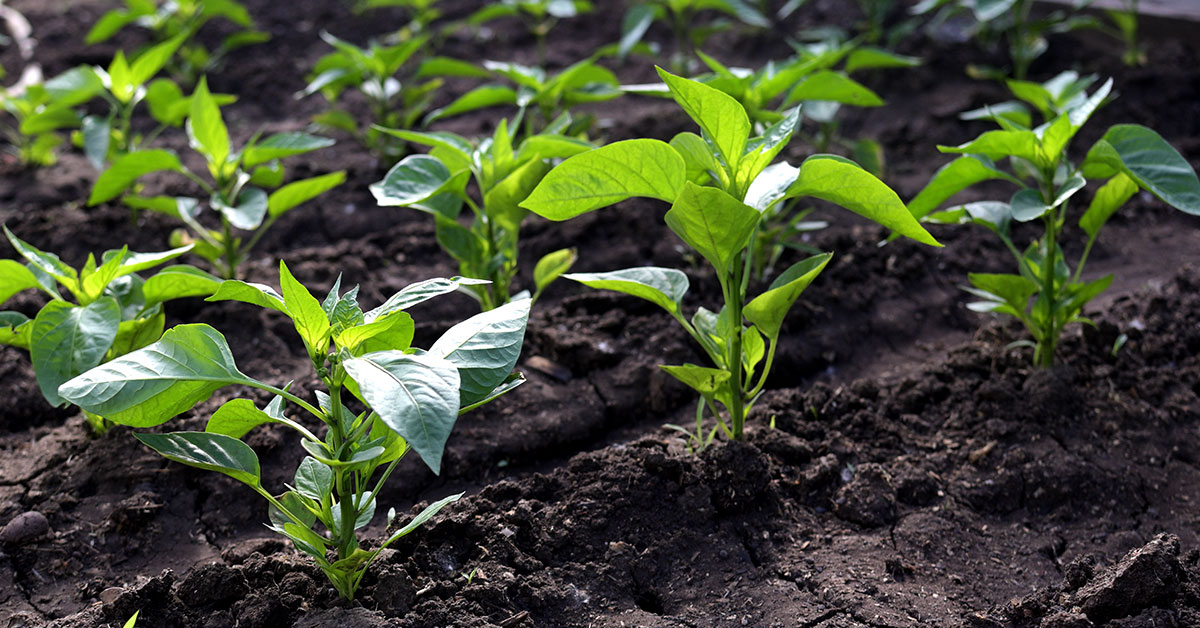

The Bahamian Goat pepper plant is a spicy and flavorful pepper that is native to the Bahamas. This pepper plant is known for its heat level and unique taste, making it a popular ingredient in many Caribbean and Bahamian dishes.
With its vibrant red color and small size, the Bahamian Goat pepper plant is a favorite among home gardeners and chefs alike. We will explore the history and characteristics of the Bahamian Goat pepper plant, as well as tips for growing and using this fiery pepper.
What are Bahamian Goat peppers?
The Bahamian Goat pepper is a small, bushy plant that belongs to the Capsicum chinense species. This plant is native to the Bahamas and is known for its fiery and intense heat. It is one of the hottest peppers in the world, with a Scoville rating of 100,000 to 500,000. Don’t underestimate the heat of this pepper!
The Bahamian Goat pepper plant can grow up to 3 feet tall and 2 feet wide. It has dense foliage with small, pointed leaves that are dark green in color. The plant produces small, wrinkled peppers that start out green and turn yellow or orange when they mature. The peppers are typically about 1 to 2 inches long and 1 inch wide.
The Bahamian Goat pepper plant is a popular choice among chili lovers and is commonly used in Caribbean and Bahamian cuisine. Its heat level makes it ideal for adding a spicy kick to stews, sauces, and marinades. The peppers can also be dried and ground into a powder to add flavor to dishes.
Aside from its culinary uses, the Bahamian Goat pepper plant is also valued for its medicinal properties. It contains capsaicin, which is a natural pain reliever and anti-inflammatory agent. Some studies have also shown that capsaicin may have cancer-fighting properties.
Overall, the Bahamian Goat pepper plant is a unique and versatile plant that offers both culinary and medicinal benefits. It’s intense heat and distinctive flavor make it a favorite among chili enthusiasts, while its potential health benefits make it a valuable addition to any garden.
What do Bahamian Goat peppers taste like?
The Bahamian Goat pepper plant is known for its extremely spicy kick and unique flavor profile. The peppers themselves are small and compact, but don’t let their size fool you – they pack a serious punch. When you bite into a Bahamian Goat pepper, you’ll immediately notice a strong, tangy flavor accompanied by a rush of heat.
But there’s more to the Bahamian Goat pepper’s taste than just spiciness. Many people describe the flavor as being slightly sweet and fruity, with hints of citrus and even a touch of smokiness. This complex flavor profile makes the Bahamian Goat pepper a favorite among foodies and spice enthusiasts alike.
When used in cooking, the Bahamian Goat pepper can add a unique depth of flavor to any dish. It pairs particularly well with seafood, pork, and chicken, but can also be used to spice up vegetarian and vegan dishes. Whether you want to add heat to your favorite salsa recipe or want to give your stir-fry an extra kick, the Bahamian Goat pepper is a great choice.
Overall, if you’re a fan of spicy food with a complex flavor profile, the Bahamian Goat pepper is definitely worth trying. Just be sure to use it sparingly – these peppers are not for the faint of heart!
How to start Bahamian Goat peppers from seeds
If you’re looking to start growing Bahamian Goat pepper plants from seed, you’re in luck. These peppers are relatively easy to grow and can be started indoors or outdoors, depending on your climate.
To begin, you’ll need to gather some supplies. You’ll need potting soil, seed trays or small pots, and Bahamian Goat pepper seeds. You may also want a heat mat to help with germination, as these peppers do best in warm soil.
Once you have your supplies, fill your seed trays or pots with potting soil. Make sure the soil is moist but not waterlogged. Place one or two seeds in each pot, and cover them lightly with soil. You can also sprinkle a thin layer of vermiculite over the top of the soil to help with moisture retention.
If you’re using a heat mat, place your seed trays on the mat and set the temperature to around 80°F. Keep the soil moist but not waterlogged, and within a week or two, you should start to see sprouts.
Once your sprouts have emerged, remove the heat mat and place your seedlings in a sunny location. Make sure they get at least six hours of sunlight a day. As your plants grow, you may need to transplant them to larger pots or move them outside if the weather permits.
How to grow Bahamian Goat peppers
Growing your own Bahamian Goat pepper plant can be a rewarding experience. This pepper plant is known for its fiery heat and unique flavor which makes it a favorite among spice enthusiasts and chefs. If you’re interested in growing your own Bahamian Goat pepper plant, here’s what you need to know:
- Choose the right location: Bahamian Goat pepper plants require plenty of sunlight, so it’s essential to choose a location that gets at least six hours of direct sunlight every day. The soil should be well-draining and rich in organic matter.
- Planting: The best time to plant Bahamian Goat pepper plants is in the early spring, after the last frost. You can start the seeds indoors and then transplant them outside once the weather warms up. The seeds should be planted about a quarter of an inch deep and spaced about two inches apart.
- Watering: Bahamian Goat peppers require consistent moisture, but they don’t like to be overwatered. Water the plants deeply once a week, and let the soil dry out slightly between watering.
- Fertilizing: Bahamian Goat pepper plants need to be fertilized regularly to thrive. Use a balanced fertilizer every two weeks during the growing season.
- Pruning: Prune your Bahamian Goat pepper plant regularly to encourage bushy growth and increase pepper production. Pinch off the tips of the branches when they reach six inches in length.
- Harvesting: Bahamian Goat peppers are ready to be harvested when they turn bright red. You can harvest the peppers when they’re still green, but they won’t be as hot. Use gloves when harvesting and handling the peppers, as they can be extremely hot.
When and how to harvest
Bahamian Goat pepper plants are known for their spicy and flavorful peppers. These peppers are often used in Caribbean cuisine and can add a kick to any dish. If you are growing Bahamian Goat pepper plants in your garden, it is important to know when and how to harvest them to ensure the best flavor and quality.
Bahamian Goat peppers typically start producing peppers in the late summer or early fall. The peppers will start out green and will gradually turn yellow or orange as they ripen. It is important to wait until the peppers are fully ripe before harvesting them. This will ensure that they have the best flavor and heat level.
How to Harvest
When it comes to harvesting Bahamian Goat peppers, there are a few things to keep in mind. First, you should always wear gloves when handling the peppers. The oils from the peppers can cause skin irritation and burning sensations.
To harvest the peppers, simply use a pair of scissors or pruning shears to cut them off the plant. Be sure to leave a small stem attached to the pepper. This will help to prevent any damage to the pepper and will also make it easier to handle.
Once you have harvested the peppers, you can use them fresh in your cooking or you can dry them for later use. To dry the peppers, simply string them up using a needle and thread and hang them in a dry, well-ventilated area. They should be fully dry within a few weeks.
Harvesting Bahamian Goat peppers is a simple process that can yield delicious results. By waiting until the peppers are fully ripe and using gloves to handle them, you can ensure that you get the best flavor and heat level from your peppers.