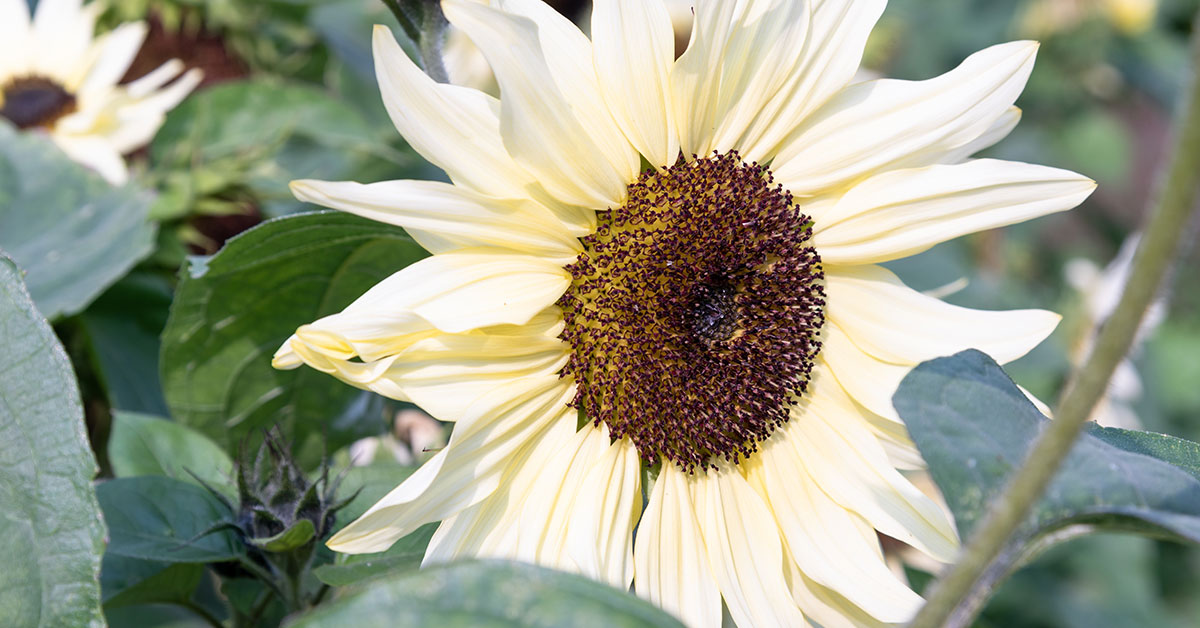

In the enchanting realm of sunflowers, few varieties captivate gardeners and nature enthusiasts quite like the Buttercream Sunflower, an exquisite cultivar known for its delicate and creamy hues. As the name suggests, ‘Buttercream’ sunflowers present a unique twist to the traditional sunflower with their soft, pale yellow petals that evoke a sense of elegance and grace. With their striking beauty and gentle charm, these captivating flowers have gained popularity, becoming a sought-after addition to gardens, floral arrangements, and artistic creations.
In this comprehensive guide, we delve into the enchanting world of growing Helianthus annuus ‘Buttercream’ sunflowers. From seed selection and planting techniques to essential care tips and creative uses, we explore the nuances and intricacies that bring forth the utmost elegance of these remarkable flowers. Discover the joy of cultivating these gentle beauties and witness firsthand the transformative power they possess in your outdoor space.
Whether you are a devoted sunflower enthusiast or a gardening aficionado seeking new horizons, this article will equip you with the knowledge and inspiration needed to embark on a successful journey of cultivating Helianthus annuus ‘Buttercream.’ Step into a world where elegance meets botanical brilliance, and let the radiant allure of ‘Buttercream’ sunflowers grace your garden with its delicate charm.
What is a Buttercream sunflower?
Helianthus annuus ‘Buttercream’ is a specific cultivar of sunflower derived from the species Helianthus annuus. Cultivars are plant varieties that have been selectively bred or developed to possess certain desired traits. Buttercream is the cultivar name given to this particular variety of sunflower.
The Buttercream sunflower is known for its unique coloration. It typically features creamy or pale yellow petals, resembling the color of butter or cream. The flower heads of Buttercream sunflowers can range in size, but they generally exhibit the classic sunflower shape, with a large, round disc at the center surrounded by the radiating petals.
The Buttercream sunflower cultivar is often chosen for its soft and delicate appearance, offering a gentle alternative to the more traditional bright yellow or orange sunflowers. It can add a touch of elegance and subtlety to floral arrangements, gardens, or bouquets.
When growing Buttercream sunflowers, similar cultivation techniques for Helianthus annuus varieties can be applied. They thrive in full sun and well-drained soil. Proper spacing, regular watering, and providing support for taller varieties are essential considerations for successful growth.
It’s worth noting that cultivar names can vary across different regions or seed companies. If you are specifically interested in Buttercream sunflowers, it is advisable to seek out reputable seed suppliers or nurseries that offer this specific cultivar to ensure you obtain the desired variety for your gardening or floral endeavors.
How to grow Buttercream Sunflowers
To grow a Buttercream Sunflower, you can follow these general guidelines:
- Sunlight and Location: Choose a sunny location in your garden that receives at least 6 to 8 hours of direct sunlight per day. Sunflowers thrive in full sun.
- Soil Preparation: Sunflowers prefer well-drained soil with a pH range of 6.0 to 7.5. Before planting, loosen the soil and remove any weeds or debris. Adding organic matter like compost can improve soil fertility and drainage.
- Planting: Sow the seeds directly into the prepared soil after the last frost date in your area. Plant the seeds about 1 to 2 inches (2.5 to 5 centimeters) deep and space them according to the specific recommendations provided on the seed packet. Typically, sunflower seeds are spaced around 6 to 24 inches (15 to 60 centimeters) apart, depending on the cultivar and desired spacing.
- Watering and Maintenance: Water the seeds immediately after planting and keep the soil consistently moist until the seedlings emerge, usually within 7 to 10 days. Once established, sunflowers are relatively drought-tolerant and do not require frequent watering unless there is an extended dry period. However, regular watering can promote healthier growth and larger flowers. Water deeply at the base of the plants to encourage strong root development. Avoid overwatering, as it can lead to root rot.
- Support: Buttercream sunflowers can grow tall and may require support to prevent them from toppling over in strong winds or heavy rain. Consider staking the plants or using a trellis system to provide support as they grow. Staking should be done early when the plants are still young to avoid damaging the roots later on.
- Fertilization: Sunflowers are relatively low-maintenance plants and do not require heavy fertilization. If your soil is lacking nutrients, you can apply a balanced fertilizer or incorporate organic matter into the soil before planting. Follow the instructions on the fertilizer packaging for proper application rates.
- Pest and Disease Management: Monitor the sunflowers for common garden pests such as aphids or snails and take appropriate measures if necessary. Good airflow and proper spacing between plants can help reduce the risk of fungal diseases. If needed, organic insecticides or fungicides can be used according to the product instructions.
- Harvesting Seeds: Once the flower heads have matured and the petals have dried out, you can harvest the seeds. Cut the flower heads from the stem, leaving a few inches of stem attached. Hang the flower heads upside down in a dry, well-ventilated area to allow the seeds to fully dry. Once dry, you can remove the seeds for consumption, saving, or sharing.
By following these guidelines and providing proper care, you can enjoy the unique beauty of Buttercream sunflowers in your garden. Remember to save some seeds from your harvested flowers for future plantings if desired.
When to harvest Buttercream Sunflower seeds
Buttercream Sunflowers, like other sunflower varieties, is typically harvested when the flower heads have matured, the petals have dried, and the seeds are fully developed. Here are some indicators to help determine the right time for harvest:
- Days to maturity: The Buttercream Sunflower is a fast grower compared to some larger varieties. It will mature about 60 days after germination. You should be able to harvest them after about 2 months of growing.
- Petal condition: As the sunflower matures, the petals of Helianthus annuus ‘Buttercream’ will start to dry out and change color. They may turn brown or yellow, and some may even fall off naturally.
- Seed head color: The disc in the center of the sunflower, which holds the seeds, will transition from green to a darker, more prominent brown or black color as it matures.
- Seed head drying: The seed head will begin to dry out, and the back of the disc will become less fleshy and more papery.
- Seed moisture content: It’s essential to harvest the seeds when they are fully mature and have low moisture content. To check the seed’s readiness, press your thumbnail against a seed. If it leaves an indent, the seeds are not fully matured and require more time. If no indent is left, the seeds are likely ready for harvest.
Once these signs are observed, you can proceed with harvesting Buttercream sunflower seeds. Cut the flower heads from the stem, leaving a few inches of stem attached. Hang the seed heads upside down in a dry, well-ventilated area to allow further drying. This process typically takes a few weeks, depending on the humidity levels in your area. The seeds are considered fully dry and ready for storage when they easily separate from the disc and feel hard to the touch.
After the seeds have completely dried, you can remove them from the seed heads and store them in airtight containers in a cool, dry place. Properly stored sunflower seeds can remain viable for several years, allowing you to enjoy the beauty and potential of Helianthus annuus ‘Buttercream’ in future planting seasons.
Common problems
While sunflowers are generally robust and resilient plants, they can encounter a few common problems. Here are some issues you may face when growing sunflowers and suggestions on how to address them:
Pests: Sunflowers can be vulnerable to pests such as aphids, slugs, snails, and birds. To control aphids, you can spray the affected plants with a strong jet of water or use insecticidal soap. For slugs and snails, organic pest control methods like handpicking or using barriers such as crushed eggshells or diatomaceous earth can be effective. To protect sunflower heads from birds, you can cover them with lightweight netting.
Diseases: While sunflowers are generally disease-resistant, they can occasionally be affected by diseases such as downy mildew or powdery mildew. Ensuring good air circulation, avoiding overhead watering, and applying fungicides as a preventive measure or treatment can help manage these diseases.
Stunted Growth: Insufficient sunlight or overcrowding can lead to stunted growth in sunflowers. Make sure your sunflowers receive at least 6 to 8 hours of direct sunlight daily and provide adequate spacing between plants. Thin out overcrowded plants to allow proper air circulation and root development.
Floppy Stems: Tall sunflowers with heavy flower heads may develop weak or floppy stems. Providing support, such as staking or using a trellis system, can help prevent stem breakage or leaning. Stake the plants when they are young and tie them gently to the support structure as they grow.
Watering Issues: Overwatering can cause root rot, while underwatering can lead to wilting and poor growth. Sunflowers prefer well-drained soil, so water deeply but less frequently, allowing the top inch (2.5 centimeters) of soil to dry out between waterings. Monitor soil moisture levels and adjust watering accordingly.
Nutrient Deficiencies: Sunflowers may experience nutrient deficiencies, particularly if the soil lacks essential elements. Nitrogen deficiency can cause yellowing of leaves, while phosphorus deficiency can result in stunted growth. Fertilize the soil with a balanced fertilizer or amend it with organic matter to provide the necessary nutrients.
Weather Conditions: Extreme weather conditions like strong winds, heavy rain, or hail can damage sunflowers. Stake them securely or provide windbreaks to protect them from strong gusts. Consider covering young sunflower plants with row covers during inclement weather.
By being attentive to these potential problems and taking appropriate preventive or corrective measures, you can ensure the healthy growth and vitality of your sunflowers. Regular monitoring, proper care, and prompt action can help address any challenges that arise, allowing you to enjoy the stunning beauty of these remarkable flowers.