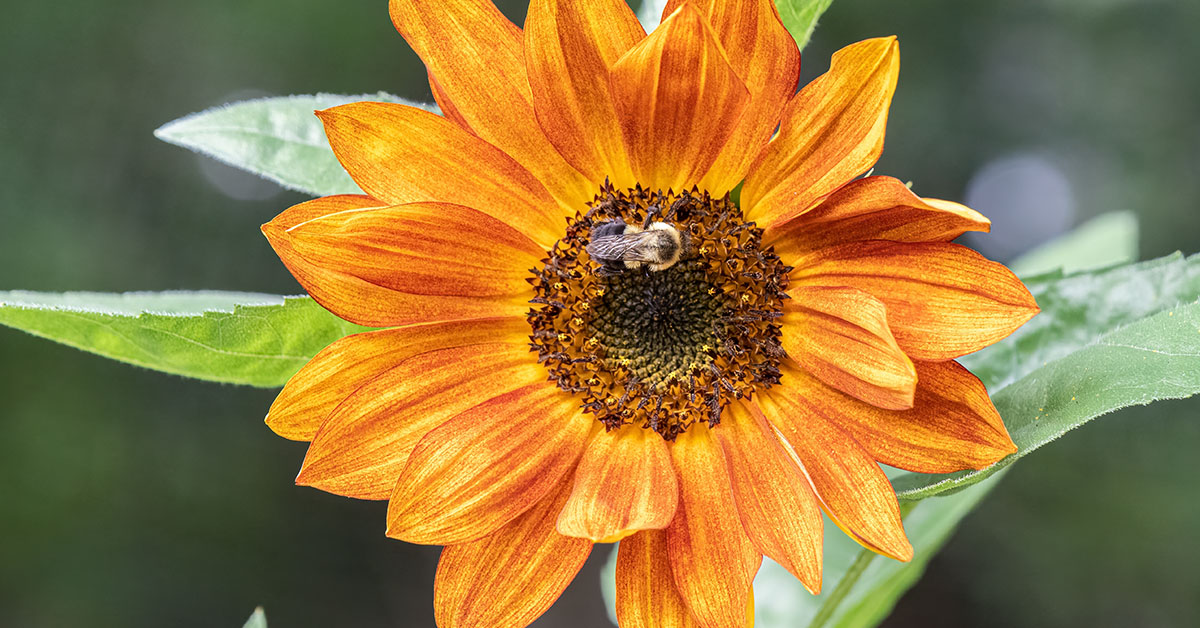

The Evening Sun Sunflower, with their captivating blend of fiery reds, warm oranges, and vibrant yellows, bring a dazzling burst of color to any garden landscape. These eye-catching flowers, known for their stunning appearance and easy cultivation, have gained popularity among gardening enthusiasts and flower lovers alike.
In this article, we will delve into the art of growing Evening Sun sunflowers, exploring the steps to successful cultivation, from seed sowing to harvesting the sunflower’s bountiful beauty. Whether you’re a seasoned gardener or a novice, get ready to embark on a journey of vibrant hues and radiant blooms as we uncover the secrets to nurturing these magnificent floral wonders.
What is an Evening Sun Sunflower?
Evening Sun sunflowers are a specific variety of the Helianthus annuus species. They are known for their stunning and vibrant coloration, making them a popular choice for gardens and floral arrangements. The blooms of Evening Sun sunflowers display a captivating blend of deep reds, oranges, and warm yellows, creating a striking visual impact. The petals often feature an attractive gradient effect, transitioning between different hues.
This cultivar of sunflowers typically grows to a height of about 4 to 6 feet (1.2 to 1.8 meters) and produces large flower heads. These flower heads consist of a central disk surrounded by numerous ray florets, which are the petals we commonly associate with sunflowers. Evening Sun sunflowers can be grown in a variety of climates and are often utilized for ornamental purposes, attracting pollinators like bees and butterflies to the garden.
When cultivating Evening Sun sunflowers, it is important to provide them with full sun exposure, well-drained soil, and regular watering. They generally prefer warm temperatures and thrive in regions with a longer growing season. Seeds can be sown directly into the ground after the last frost, and germination usually occurs within 7 to 10 days. With proper care, the plants will develop sturdy stems and produce their vibrant, multi-colored blooms during the summer months.
Whether you’re looking to enhance your garden or enjoy the beauty of fresh-cut flowers indoors, the Evening Sun sunflower is an excellent choice due to its captivating colors and visual appeal.
What does an Evening Sun Sunflower look like?
The Evening Sun sunflower features large flower heads with a diameter ranging from 6 to 10 inches (15 to 25 centimeters). The blooms are characterized by their warm and vibrant color palette. The petals exhibit shades of deep red, fiery orange, and warm yellow, often with a gradient effect. The colors are rich and intense, creating a visually striking display.
The central disk of the sunflower, which contains the tiny individual florets, is typically dark brown or black. The ray florets, which are the outer petals we commonly associate with sunflowers, radiate outwards from the disk. They are elongated and slightly curved, giving the flower head its characteristic shape.
The stems of Evening Sun sunflowers are sturdy and can reach a height of 4 to 6 feet (1.2 to 1.8 meters). The leaves are large, broad, and typically green in color. The overall growth habit of this sunflower cultivar is upright and vigorous.
Evening Sun sunflowers are often grown for decorative purposes in gardens and landscapes. Their vibrant colors and large blooms make them a focal point in flower beds, attracting attention and adding a splash of warmth and beauty. They are also frequently used in cut flower arrangements, bringing a touch of the sunflower’s charm indoors.
Please note that while this description is based on typical characteristics of Evening Sun sunflowers, variations may exist due to factors such as growing conditions and individual plant specimens. It’s always best to consult reliable sources or refer to the specific guidelines provided by the seed supplier or nursery when cultivating or identifying a particular cultivar.
How To Grow Evening Sun Sunflowers
To grow Helianthus annuus Evening Sun sunflowers, you can follow these general guidelines:
- Select a suitable location: Choose a spot in your garden that receives full sun exposure for at least 6 to 8 hours per day. Ensure the soil is well-drained, as sunflowers do not tolerate waterlogged conditions.
- Prepare the soil: Before planting, loosen the soil using a garden fork or tiller. Remove any weeds or debris, and amend the soil with compost or well-rotted organic matter to improve its fertility and drainage.
- Sow the seeds: You can start Evening Sun Sunflower seeds indoors 3 to 4 weeks before the last frost date or directly sow the seeds in the garden after the danger of frost has passed. If starting indoors, use biodegradable pots to minimize root disturbance during transplanting. Plant the seeds about 1 inch (2.5 centimeters) deep and space them 6 to 12 inches (15 to 30 centimeters) apart. If sowing directly in the garden, plant multiple seeds together and thin them to the desired spacing once they germinate.
- Watering and maintenance: Keep the soil consistently moist but not waterlogged during the germination period. Once established, sunflowers are generally drought-tolerant but benefit from regular watering, especially during dry spells. Water deeply at the base of the plants rather than overhead to prevent foliar diseases. Mulching around the base of the plants can help retain moisture and suppress weed growth.
- Provide support: As Evening Sun sunflowers grow tall, they may require support to prevent them from toppling over in windy conditions. Install stakes or place a trellis near each plant early in their growth to provide support as they mature.
- Fertilization: Sunflowers are not heavy feeders, but you can apply a balanced fertilizer or compost around the base of the plants once or twice during the growing season. Follow the instructions on the fertilizer packaging for application rates.
- Pest and disease control: Monitor your sunflowers for common pests like aphids or caterpillars. Use organic or appropriate pest control methods if necessary. Sunflowers are generally resilient to diseases, but good air circulation and avoiding overhead watering can help prevent issues.
- Harvesting: Evening Sun sunflowers will typically bloom in late summer or early fall. You can harvest the flowers once the petals are fully open and the seeds in the center have developed and are plump. Cut the stem below the flower head and hang them upside down in a dry, well-ventilated area to dry. Once the flower heads are completely dry, gently rub the seeds off the head for storage or use.
By following these steps and providing proper care, you should be able to enjoy the vibrant and beautiful Evening Sun sunflowers in your garden.
Common Problems
While sunflowers are generally easy to grow and low-maintenance, they can face a few common problems. Here are some issues you may encounter when growing sunflowers and how to address them:
Pests: Sunflowers can attract pests such as aphids, caterpillars, and beetles. Regularly inspect your plants for any signs of infestation, like distorted leaves, holes, or the presence of insects. Use insecticidal soaps, neem oil, or other organic pest control methods to manage these pests. Alternatively, you can introduce beneficial insects like ladybugs or lacewings that feed on aphids.
Diseases: While sunflowers are generally resistant to diseases, certain conditions can lead to fungal infections. Botrytis (gray mold), powdery mildew, and downy mildew are some common diseases that may affect sunflowers. Ensure proper air circulation by providing adequate spacing between plants, avoid overhead watering, and remove any infected plant material promptly. Fungicides may be used as a preventive measure or to manage severe infections, following the instructions on the product label.
Birds: Birds, especially sparrows, can feed on sunflower seeds, causing damage to the developing flower heads. Consider using netting or bird deterrents to protect the ripening seed heads. Harvesting the flower heads early and drying them indoors can also help prevent bird damage.
Floppy or top-heavy stems: Tall sunflower varieties may experience floppiness or stem breakage, especially in windy conditions or if the soil is not well-drained. Provide support to sunflowers by staking them early on or using a trellis. If the stems bend or break, you can gently tie them to the support structure using soft ties or twine.
Poor growth or stunted plants: Sunflowers thrive in full sun, so insufficient sunlight can result in weak or stunted growth. Make sure your sunflowers receive at least 6 to 8 hours of direct sunlight per day. Additionally, ensure the soil is well-drained and fertile, and provide adequate water to promote healthy growth.
By being attentive to these common issues and taking appropriate measures, you can help your sunflowers grow successfully and enjoy their beautiful blooms.
When to harvest
Evening Sun sunflowers are typically harvested when the flower heads are fully mature and the seeds are developed. Here are some general guidelines for when to harvest Evening Sun sunflowers:
- Flower appearance: Wait until the flower heads have fully opened and the petals begin to dry and wilt. The vibrant colors of the petals may start to fade or change slightly as the flower matures.
- Back of the flower head: Observe the back or rear side of the flower head. It should turn yellow or brown as it matures. This is an indication that the sunflower is reaching its harvesting stage.
- Seed development: Check the center of the flower head where the seeds are located. The seeds should appear plump and fully formed. When pressed with your fingernail, the seeds should be hard and no longer have a milky consistency. This indicates that the seeds are mature and ready for harvesting.
- Time frame: Evening Sun sunflowers usually take around 80 to 100 days to reach maturity from the time of sowing or transplanting. However, this can vary based on growing conditions and the specific instructions provided by the seed supplier or nursery. Keep track of the approximate planting date and refer to the expected maturity timeline provided for this particular sunflower cultivar.
It’s important to note that sunflowers are often harvested for their seeds rather than their flower heads. If you are primarily interested in collecting the seeds, you can wait until the flower head is fully mature and the seeds are developed before harvesting.
By considering these factors and monitoring the appearance and development of the flower heads, you can determine the optimal time to harvest sunflowers for your desired purpose, whether it’s for seed collection, ornamental use, or any other purpose you have in mind.