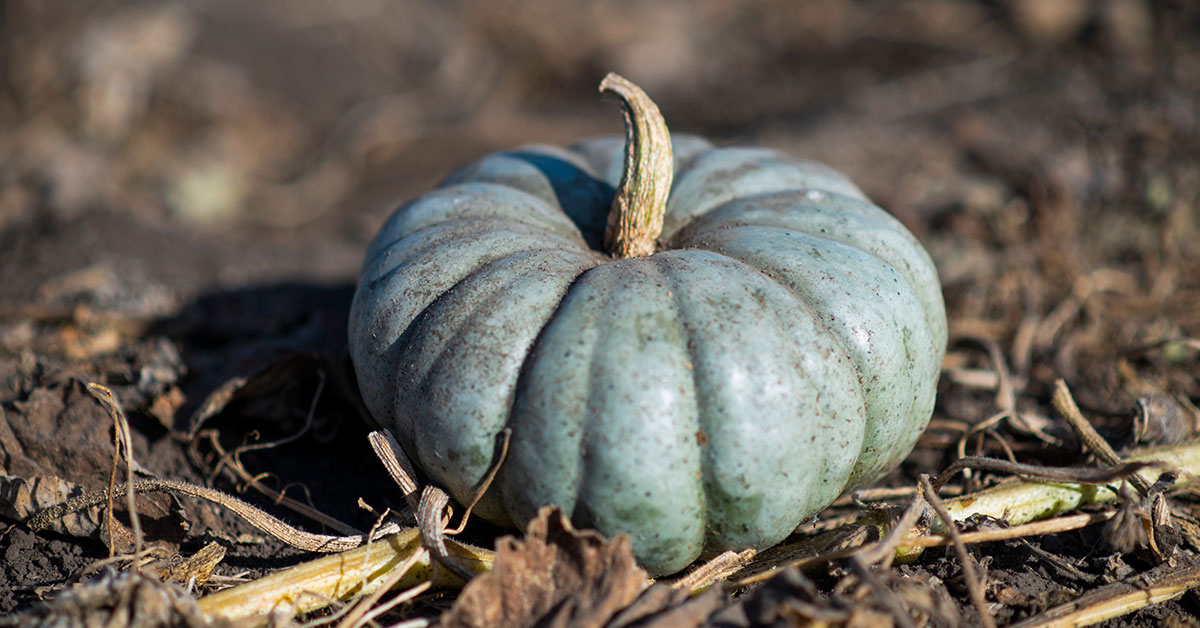

If you are a pumpkin lover, then you must have heard of the Jarrahdale pumpkin, a unique variety of winter squash that originated in Australia. This pumpkin is known for its stunning blue-greyish exterior, flattened shape, and sweet, nutty flavor.
It has gained popularity in recent years among chefs and home cooks alike, thanks to its versatility in recipes and its ability to add a touch of elegance to any dish. In this blog post, we will explore the history, characteristics, and culinary uses of the Jarrahdale pumpkin, so that you can discover all the reasons why this pumpkin deserves a spot on your plate.
What is a Jarrahdale pumpkin?
Jarrahdale pumpkin is a type of pumpkin that originated from the town of Jarrahdale, near Perth in Western Australia. It is a medium-sized pumpkin with a distinctive blue-grey skin and a flattened, ribbed shape. The flesh of the Jarrahdale pumpkin is a deep orange color, and it has a sweet, nutty flavor that is similar to butternut squash. Some additional facts about this pumpkin:
- Size: Jarrahdale pumpkins are medium to large in size, typically weighing between 10 and 20 pounds (4.5 to 9 kilograms), although they can grow larger under ideal conditions.
- Color: The skin of a Jarrahdale pumpkin is a distinctive grayish-blue or slate blue color, often with pale, silver-gray ribbing. The flesh is a vibrant orange.
- Days to Harvest: On average, Jarrahdale pumpkins take approximately 90 to 110 days to reach maturity and are ready for harvest. This time frame can vary depending on growing conditions and the specific variety.
- Sun Requirements: Jarrahdale pumpkins require full sun exposure to thrive. They should be planted in a location that receives at least 6 to 8 hours of direct sunlight each day.
- Growing Conditions: Jarrahdale pumpkins prefer well-drained soil with a pH range of 6.0 to 7.5. They are typically grown as annuals in temperate climates but can also be cultivated in greenhouses or raised beds.
- Culinary Uses: The flesh of Jarrahdale pumpkins is dense, smooth, and mildly sweet with a nutty flavor. It is well-suited for various culinary uses, including soups, stews, roasted vegetables, pies, muffins, and other desserts.
- Longevity: Properly stored Jarrahdale pumpkins can last for several months, with the flavor often improving over time. They should be kept in a cool, dry place away from direct sunlight.
The Jarrahdale pumpkin is a popular variety of pumpkin in Australia, where it is often used in soups, stews, and curries. It is also a popular choice for baking, as its sweet, rich flavor makes it an excellent ingredient for pies, muffins, and bread.
One of the reasons why the Jarrahdale pumpkin is so popular is because of its unique appearance. Its blue-grey skin and ribbed shape make it a visually striking addition to any dish, and its deep orange flesh adds a pop of color and flavor that is hard to resist.
In addition to its culinary uses, the Jarrahdale pumpkin is also prized for its nutritional value. It is high in fiber, vitamin A, and potassium, and it is a great source of antioxidants that can help protect against disease and inflammation.
If you’re looking to add some variety to your pumpkin recipes, the Jarrahdale pumpkin is definitely worth considering. Its unique flavor, appearance, and nutritional benefits make it a versatile and delicious addition to any kitchen.
What does a Jarrahdale pumpkin taste like?
When it comes to taste, Jarrahdale pumpkins have a mildly sweet and nutty flavor. The flesh is typically dense and smooth, with a vibrant orange color.
Many people describe the taste of Jarrahdale pumpkins as similar to a combination of sweet potatoes and butternut squash. The flavor is often described as earthy and slightly savory, with subtle hints of sweetness. It has a mild, pleasing taste that is not overly strong or overpowering.
The flesh of Jarrahdale pumpkins is well-suited for cooking and can be used in a variety of dishes such as soups, stews, roasted vegetables, and even desserts like pies or muffins. It can be mashed, pureed, or cubed for different culinary applications.
Ultimately, taste preferences can vary from person to person, so it’s always a good idea to try it for yourself to see if you enjoy the flavor of Jarrahdale pumpkins.
How to start Jarrahdale pumpkin seeds
Growing pumpkins from seed is an incredibly rewarding and relatively easy gardening endeavor. With the right preparation and care, anyone can experience the joy of watching these vibrant vines produce bountiful, colorful pumpkins. Starting pumpkins from seed allows you to choose from a wide variety of shapes, sizes, and colors to suit your preferences.
Additional Resource: Our Full Guide On Starting Pumpkins From Seed
Growing & care
Caring for pumpkins is remarkably straightforward, making it an ideal choice for both novice and experienced gardeners. Once established, pumpkins require minimal maintenance.
- Transplanting: When the danger of frost has passed and the soil has warmed up, transplant the pumpkin seedlings into your prepared garden bed or large containers. Ensure they are spaced 3-5 feet apart to allow for proper growth and airflow.
- Care and Maintenance: Water your pumpkin plants deeply and regularly, aiming for about 1-2 inches of water per week. Mulch around the plants to conserve moisture and suppress weed growth. Monitor for pests and diseases, and take appropriate action if necessary.
- Pollination: Pumpkins require pollination for fruit set. Bees and other pollinators are crucial for this process. To encourage pollination, avoid using insecticides that could harm pollinators and consider hand-pollinating if necessary.
- Fertilization: As the pumpkin plants grow, provide them with regular feedings of balanced fertilizer according to the package instructions. This will help support healthy foliage growth and fruit development.
- Pruning and Training: Control the growth of your pumpkin vines by gently pruning back excessive foliage. This promotes better airflow and directs energy towards fruit production. Use trellises or supports to train the vines if desired.
Harvesting: Harvest pumpkins when they reach their full color, have a hard rind, and the stem starts to dry out. Cut the pumpkins carefully from the vine, leaving a few inches of stem attached. Handle them gently to avoid any damage.
Common problems with growing Jarrahdale pumpkins
Jarrahdale pumpkin is a popular variety of pumpkin that is known for its delicious taste and attractive blue-grey color. However, like any other crop, growing Jarrahdale pumpkin comes with its own set of challenges. In this section, we will discuss some of the common problems that you may encounter while growing Jarrahdale pumpkin.
- Pests: One of the most common problems that gardeners face while growing Jarrahdale pumpkin is pest infestation. Aphids, squash bugs, and cucumber beetles are some of the most common pests that can attack your plants. These pests can cause damage to the leaves, stems, and fruits of the plant, resulting in poor growth and yield.
- Diseases: Another common problem that you may encounter while growing Jarrahdale pumpkin is diseases. Powdery mildew, downy mildew, and bacterial wilt are some of the common diseases that can affect your plants. These diseases can cause yellowing of leaves, stunted growth, and premature fruit drop.
- Poor Soil Quality: Jarrahdale pumpkin requires well-draining soil that is rich in organic matter. If the soil is too heavy or compacted, it can lead to poor growth and yield. Additionally, if the soil lacks essential nutrients, it can affect the overall health of the plant.
- Temperature and Moisture: Jarrahdale pumpkin requires warm temperatures and consistent moisture to grow well. If the temperature drops below 60 degrees Fahrenheit, it can slow down the growth of the plant. On the other hand, if the soil is too dry or too wet, it can lead to poor growth and yield.
To avoid these common problems, it is important to take proper care of your plants. Make sure that you plant the seeds in well-draining soil and provide them with adequate water and nutrients. Additionally, keep an eye out for pests and diseases and take prompt action if you notice any signs of infestation. With proper care, you can grow healthy and delicious Jarrahdale pumpkin in your garden.
Days to maturity
The maturity or harvesting time for Jarrahdale pumpkins typically ranges from 90 to 110 days after planting, depending on growing conditions and the specific variety. This means that it takes approximately three to four months for the pumpkins to reach full maturity from the time they are planted as seeds or seedlings.
It’s worth noting that these are general guidelines, and the exact time to maturity can vary based on factors such as climate, soil conditions, and cultivation practices. It’s always best to consult the seed packet or the information provided by the seed supplier for more precise information on the specific variety of Jarrahdale pumpkin you are growing.
When to harvest Jarrahdale pumpkins
If you’re growing Jarrahdale pumpkins in your garden, you’ll want to make sure you harvest them at just the right time. Harvesting too early can result in underdeveloped pumpkins, while waiting too long can lead to overripe or damaged pumpkins.
The best time to harvest Jarrahdale pumpkins is when the vines have started to die back and the skin of the pumpkin has hardened. You can check the skin by gently pressing your thumb against it – if it feels hard and doesn’t leave an indentation, it’s ready to be harvested.
Another way to tell if your pumpkins are ready to be harvested is by looking at the stem. When the pumpkin is ripe, the stem will turn brown and start to crack. If the stem is still green and pliable, it’s not quite ready yet.
It’s also important to harvest your Jarrahdale pumpkins before the first frost of the season. Frost can damage the skin and cause the pumpkin to rot. If you’re expecting frost in your area, be sure to harvest your pumpkins before it arrives.
When harvesting your Jarrahdale pumpkins, use a sharp knife or pair of pruning shears to cut the stem about 2-3 inches above the pumpkin. Be careful not to damage the stem or the skin of the pumpkin.
Once you’ve harvested your Jarrahdale pumpkins, store them in a cool, dry place with good ventilation. They can last for several months if stored properly, making them a great addition to your fall and winter meals.
Uses for Jarrahdale pumpkins
Jarrahdale pumpkin is a unique variety of pumpkin that has become increasingly popular among food enthusiasts. This pumpkin has distinct features, including its blue-grey skin and sweet, nutty flavor. Jarrahdale pumpkin is used in many different types of dishes and is a versatile ingredient in the kitchen.
One of the most common ways to use Jarrahdale pumpkin is in soups and stews. The pumpkin’s sweet flavor and creamy texture make it an excellent addition to hearty dishes. It can also be roasted or pureed to use in sauces and dips.
Jarrahdale pumpkin is also a great ingredient for baking. Its sweet flavor and moist texture make it an excellent replacement for other types of pumpkin in pumpkin pie recipes. It can also be used in muffins, bread, and other baked goods to add a unique flavor and texture.
In addition to its culinary uses, Jarrahdale pumpkin is also a popular decoration during the fall and Halloween season. Its unique blue-grey skin makes it a great addition to any pumpkin display, and its large size makes it perfect for carving into intricate designs.
Overall, Jarrahdale pumpkin is a versatile ingredient that can be used in many different ways in the kitchen. Its sweet flavor and unique texture make it a great addition to soups, stews, baked goods, and more. If you’re looking to try something new in the kitchen, consider adding Jarrahdale pumpkin to your next recipe.