
Have you ever wondered which pumpkin variety is best for carving? Meet the Howden pumpkin – a classic choice for jack-o-lanterns that has been a favorite among pumpkin enthusiasts for decades. In this blog post, we’ll take a closer look at the history, characteristics, and tips for growing and carving the Howden pumpkin. Get ready to discover why this pumpkin variety is a favorite among Halloween enthusiasts everywhere!
What is a Howden pumpkin?
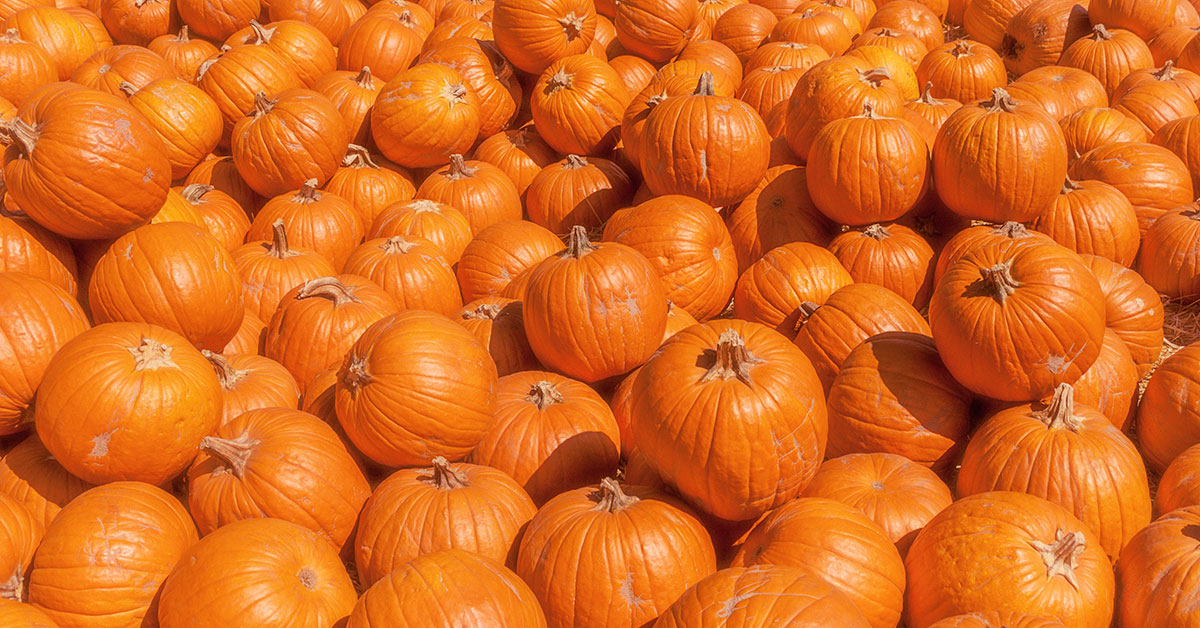
The Howden pumpkin is a type of pumpkin that is known for its large size and deep orange color. It is a variety of Connecticut field pumpkin, which is a popular type of pumpkin that is grown in the United States. The Howden pumpkin was developed by John Howden, a farmer from Massachusetts, in the 1970s.
The Howden pumpkin is an ideal pumpkin for carving, as it has thick walls and a sturdy stem. It also has a sweet flavor, which makes it a good choice for making pumpkin pies and other baked goods. The Howden pumpkin can grow up to 25 pounds or more, which makes it one of the largest types of pumpkins available.
One of the reasons why the Howden pumpkin has become so popular is because it is an excellent pumpkin for Halloween. Its large size makes it perfect for carving into jack-o-lanterns, and its thick walls make it easy to work with. Additionally, the deep orange color of the Howden pumpkin is perfect for creating spooky and fun designs.
Overall, the Howden pumpkin is a great choice for anyone who wants to create a memorable Halloween jack-o-lantern or enjoy the delicious flavor of a sweet pumpkin pie. Whether you are a seasoned pumpkin carver or new to the world of pumpkin growing, the Howden pumpkin is a must-try variety.
Common problems with growing Howden pumpkins
When it comes to growing Howden pumpkins, there are a few common problems that gardeners may encounter. Here are some of the most common issues and how to address them:
- Poor germination: Sometimes, Howden pumpkin seeds may not germinate well. This can be due to a variety of factors, including old or poor-quality seeds, soil that is too cold or too wet, or inadequate light. To improve germination rates, make sure to use fresh, high-quality seeds and plant them in warm, well-draining soil that receives plenty of sunlight.
- Powdery mildew: Powdery mildew is a fungal disease that appears as a white, powdery coating on leaves. It can affect Howden pumpkins and other types of squash and can cause stunted growth and reduced yields. To prevent powdery mildew, make sure to plant your pumpkins in an area with good air circulation and avoid overhead watering. If powdery mildew does appear, treat it with a fungicide or neem oil.
- Squash bugs: Squash bugs are a common pest that can damage Howden pumpkins by sucking the sap from leaves and stems. They can also transmit diseases. To control squash bugs, handpick them off your plants or use an insecticidal soap or neem oil. You can also try planting companion plants that repel squash bugs, such as marigolds or nasturtiums.
- Blossom end rot: Blossom end rot is a physiological disorder that causes the bottom of the pumpkin to turn black and mushy. It’s caused by a calcium deficiency, which can be the result of irregular watering or poor soil quality. To prevent blossom end rot, make sure to water your plants regularly and evenly, and amend your soil with plenty of organic matter.
By being aware of these common problems and taking steps to prevent or address them, you can help ensure a healthy harvest of delicious Howden pumpkins.
How to start Howden pumpkin seeds
Growing pumpkins from seed is an incredibly rewarding and relatively easy gardening endeavor. With the right preparation and care, anyone can experience the joy of watching these vibrant vines produce bountiful, colorful pumpkins. Starting pumpkins from seed allows you to choose from a wide variety of shapes, sizes, and colors to suit your preferences.
Additional Resource: Our Full Guide On Starting Pumpkins From Seed
Growing & care
Caring for pumpkins is remarkably straightforward, making it an ideal choice for both novice and experienced gardeners. Once established, pumpkins require minimal maintenance.
- Transplanting: When the danger of frost has passed and the soil has warmed up, transplant the pumpkin seedlings into your prepared garden bed or large containers. Ensure they are spaced 3-5 feet apart to allow for proper growth and airflow.
- Care and Maintenance: Water your pumpkin plants deeply and regularly, aiming for about 1-2 inches of water per week. Mulch around the plants to conserve moisture and suppress weed growth. Monitor for pests and diseases, and take appropriate action if necessary.
- Pollination: Pumpkins require pollination for fruit set. Bees and other pollinators are crucial for this process. To encourage pollination, avoid using insecticides that could harm pollinators and consider hand-pollinating if necessary.
- Fertilization: As the pumpkin plants grow, provide them with regular feedings of balanced fertilizer according to the package instructions. This will help support healthy foliage growth and fruit development.
- Pruning and Training: Control the growth of your pumpkin vines by gently pruning back excessive foliage. This promotes better airflow and directs energy towards fruit production. Use trellises or supports to train the vines if desired.
- Harvesting: Harvest pumpkins when they reach their full color, have a hard rind, and the stem starts to dry out. Cut the pumpkins carefully from the vine, leaving a few inches of stem attached. Handle them gently to avoid any damage.
When to harvest Howden pumpkins
Howden pumpkin is a popular variety of pumpkin that is known for its large size and vibrant orange color. When it comes to harvesting your Howden pumpkins, there are a few things to keep in mind to ensure that your pumpkins are ripe and ready to be picked.
One of the first things to consider is the time of year. Howden pumpkins typically take between 95 and 120 days to mature, depending on the growing conditions. This means that if you planted your pumpkin seeds in late May or early June, you can expect your pumpkins to be ready for harvest sometime between late September and early November.
Another thing to look for is the color of the pumpkin. When Howden pumpkins are ripe, they will turn a deep, rich shade of orange. If your pumpkins are still green or have a yellow tinge to them, they are not yet ready to be picked.
You should also check the stem of the pumpkin to see if it has begun to dry out. When a Howden pumpkin is ready to be harvested, the stem will start to dry and crack, which is a sign that the pumpkin is fully mature and ready to be picked. If the stem is still green and pliable, it is best to wait a few more days before harvesting.
When it comes time to harvest your Howden pumpkins, be sure to use a sharp knife or pruning shears to cut the stem about 2-3 inches above the pumpkin. This will help prevent any damage to the pumpkin, which can increase the risk of rot or other issues during storage.
Uses for Howden pumpkins
Howden pumpkins are a popular variety of pumpkin that are typically used for a variety of purposes. These large, round pumpkins have a bright orange skin and a thick, meaty flesh that is perfect for cooking and baking.
One of the most popular uses for Howden pumpkins is in the creation of delicious pumpkin pies. The sweet, rich flavor of the pumpkin flesh is perfect for creating a smooth, creamy filling that is a favorite among many people during the fall months.
In addition to pies, Howden pumpkins can also be used to create a wide range of other dishes. They can be roasted, mashed, or pureed to create soups, stews, and other savory dishes. Some people even use them to create sweet treats like pumpkin bread, muffins, and cookies.
Another popular use for Howden pumpkins is as a decorative item during the fall season. Their large size and bright orange color make them perfect for carving into jack-o-lanterns or using as part of a festive fall display.
Overall, Howden pumpkins are a versatile and delicious variety of pumpkin that can be used in a variety of ways. Whether you’re looking to create a delicious pumpkin dish or add some fall flair to your decor, these pumpkins are sure to impress.