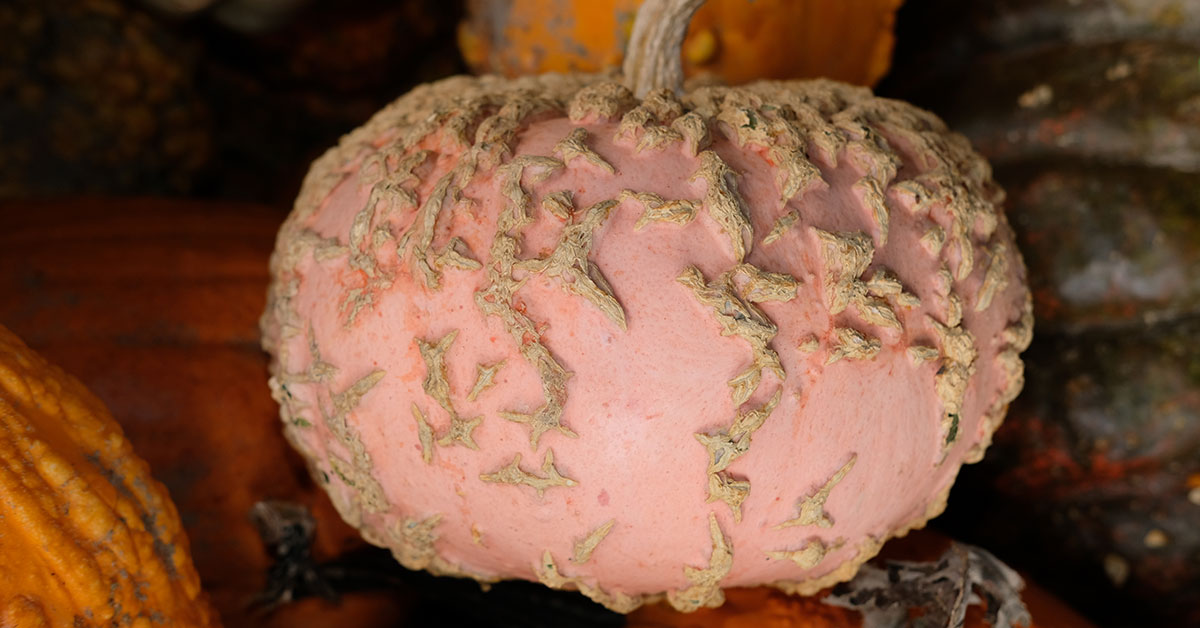

The Galeux d’Eysines pumpkin is a unique and striking variety of pumpkin that is becoming increasingly popular among gardeners and foodies. This French heirloom pumpkin is known for its distinctive warty appearance and sweet, nutty flavor. It is a versatile ingredient that can be used in a variety of dishes, from savory soups and stews to sweet treats like pies and cakes.
In this blog post, we will explore the history and characteristics of Galeux d’Eysines pumpkin, as well as provide some tips on how to grow and cook this delicious and fascinating vegetable.
What is a Galeux d’Eysines pumpkin?
Galeux d’Eysines pumpkin, also known as the “Warty French Pumpkin,” is a unique variety of pumpkin that is native to the Eysines region of France. It is prized for its distinctive appearance, with its bumpy, warty skin that looks like it has been covered in peanut shells. But it’s not just its appearance that makes the Galeux d’Eysines pumpkin so special; it also has a rich, sweet flavor that makes it a favorite among chefs and foodies alike.
The Galeux d’Eysines pumpkin is a member of the Cucurbita maxima species, which includes other popular varieties like the Hubbard squash and the Kabocha squash. It typically weighs between 10 and 20 pounds and has a flattened shape with deep ribs. The skin is a pale orange color with a rough, bumpy texture that makes it look like it has been covered in warts or peanut shells.
Despite its unusual appearance, the Galeux d’Eysines pumpkin is highly sought after by chefs and food enthusiasts for its delicious flavor and creamy texture. It has a sweet, nutty taste that is perfect for soups, stews, and roasted dishes. The flesh is dense and firm, with a deep orange color that is rich in vitamins and antioxidants.
In addition to its culinary uses, this variety of pumpkin is also prized for its ornamental value. Its unique appearance makes it a popular choice for fall decorations, and it can be used to create stunning centerpieces and other festive displays.
How to start Galeux d’Eysines pumpkin seeds
Growing pumpkins from seed is an incredibly rewarding and relatively easy gardening endeavor. With the right preparation and care, anyone can experience the joy of watching these vibrant vines produce bountiful, colorful pumpkins. Starting pumpkins from seed allows you to choose from a wide variety of shapes, sizes, and colors to suit your preferences.
Additional Resource: Our Full Guide On Starting Pumpkins From Seed
Growing & care
Caring for pumpkins is remarkably straightforward, making it an ideal choice for both novice and experienced gardeners. Once established, pumpkins require minimal maintenance.
- Transplanting: When the danger of frost has passed and the soil has warmed up, transplant the pumpkin seedlings into your prepared garden bed or large containers. Ensure they are spaced 3-5 feet apart to allow for proper growth and airflow.
- Care and Maintenance: Water your pumpkin plants deeply and regularly, aiming for about 1-2 inches of water per week. Mulch around the plants to conserve moisture and suppress weed growth. Monitor for pests and diseases, and take appropriate action if necessary.
- Pollination: Pumpkins require pollination for fruit set. Bees and other pollinators are crucial for this process. To encourage pollination, avoid using insecticides that could harm pollinators and consider hand-pollinating if necessary.
- Fertilization: As the pumpkin plants grow, provide them with regular feedings of balanced fertilizer according to the package instructions. This will help support healthy foliage growth and fruit development.
- Pruning and Training: Control the growth of your pumpkin vines by gently pruning back excessive foliage. This promotes better airflow and directs energy towards fruit production. Use trellises or supports to train the vines if desired.
- Harvesting: Harvest pumpkins when they reach their full color, have a hard rind, and the stem starts to dry out. Cut the pumpkins carefully from the vine, leaving a few inches of stem attached. Handle them gently to avoid any damage.
Common problems with growing Galeux d’Eysines pumpkins
Galeux d’Eysines pumpkin is a unique and flavorful variety of pumpkin. It is known for its beautiful, warty exterior and sweet, nutty flavor. However, growing Galeux d’Eysines pumpkin can be challenging, and many gardeners face common problems when trying to cultivate this particular type of pumpkin.
One of the most common problems with growing Galeux d’Eysines pumpkin is poor germination. The seeds of this pumpkin variety are notorious for being slow to germinate and can take up to three weeks to sprout. In addition, they require warm soil temperatures and consistent moisture to germinate successfully. To improve the chances of successful germination, it is recommended to start the seeds indoors in a warm and humid environment.
Another common problem with growing Galeux d’Eysines pumpkin is powdery mildew. This fungal disease affects many types of plants, including pumpkins, and can cause foliage to become covered in a white, powdery coating. Powdery mildew thrives in warm, humid conditions and can spread quickly, leading to stunted growth and reduced yields. To prevent powdery mildew, it is important to keep the foliage dry and provide good air circulation around the plants.
Finally, Galeux d’Eysines pumpkin can also be susceptible to pests such as squash bugs and cucumber beetles. These insects can damage the leaves and stems of the plants, leading to reduced growth and yield. To prevent pest infestations, it is recommended to use organic pest control methods such as handpicking and applying neem oil or insecticidal soap.
When to harvest Galeux d’Eysines pumpkins
Galeux d’Eysines pumpkin is a rare and unique variety of pumpkin that is prized for its delicious flavor and distinctive appearance. This pumpkin is also known as the “warty pumpkin” due to the bumpy texture of its skin. Harvesting Galeux d’Eysines pumpkin at the right time is crucial to ensure that you get the best flavor and texture from this amazing pumpkin.
The ideal time to harvest Galeux d’Eysines pumpkin is when the skin has turned a rich orange color and the stem has dried and turned brown. You can also check if the pumpkin is ready by gently pressing your finger against the skin. If the skin feels hard and resists your pressure, then the pumpkin is ready to be harvested.
It is important to note that harvesting Galeux d’Eysines pumpkin too early can result in a lack of sweetness and flavor, while harvesting it too late can cause the pumpkin to become overripe and mushy. Therefore, it is essential to pay close attention to the color and texture of the pumpkin to determine the right time for harvesting.
Once you have determined that your Galeux d’Eysines pumpkin is ready to be harvested, use a sharp knife or pair of pruners to cut the stem about 2-3 inches above the pumpkin. Be careful not to damage the stem or the pumpkin itself, as this can affect the longevity and quality of the pumpkin.
After harvesting, it is best to store your Galeux d’Eysines pumpkin in a cool, dry place such as a pantry or root cellar. This will help to preserve the pumpkin’s freshness and flavor for several weeks or even months.
Uses for Galeux d’Eysines pumpkins
Galeux d’Eysines pumpkin is a unique and versatile variety of pumpkin that has become increasingly popular in recent years. This pumpkin is primarily used for cooking and is known for its sweet and nutty flavor. In this blog section, we will discuss some of the most common uses for Galeux d’Eysines pumpkin.
One of the most popular ways to use Galeux d’Eysines pumpkin is in soups and stews. The flesh of this pumpkin is dense and flavorful, making it perfect for creating hearty and delicious soups. It is also commonly used in curries and other spicy dishes, as its sweetness helps to balance out the heat of the spices.
Another popular use for Galeux d’Eysines pumpkin is in baked goods. Its sweet and nutty flavor makes it a great choice for pies, muffins, and bread. The pumpkin can be roasted or boiled and mashed before being added to the batter, giving the final product a rich and satisfying flavor.
Galeux d’Eysines pumpkin can also be used in savory dishes such as casseroles and gratins. Its flavor pairs well with other fall vegetables such as sweet potatoes, carrots, and parsnips, making it a great addition to any autumnal dish.
Finally, Galeux d’Eysines pumpkin can also be used as a decorative item. Its unique appearance, with its warty exterior and pale orange flesh, makes it a popular choice for Halloween decorations. It can also be used as a centerpiece for fall-themed tablescapes.
Overall, Galeux d’Eysines pumpkin is a versatile ingredient that can be used in a variety of dishes. Its sweet and nutty flavor makes it a popular choice for fall cooking, and its unique appearance makes it a fun and festive addition to any fall decor.