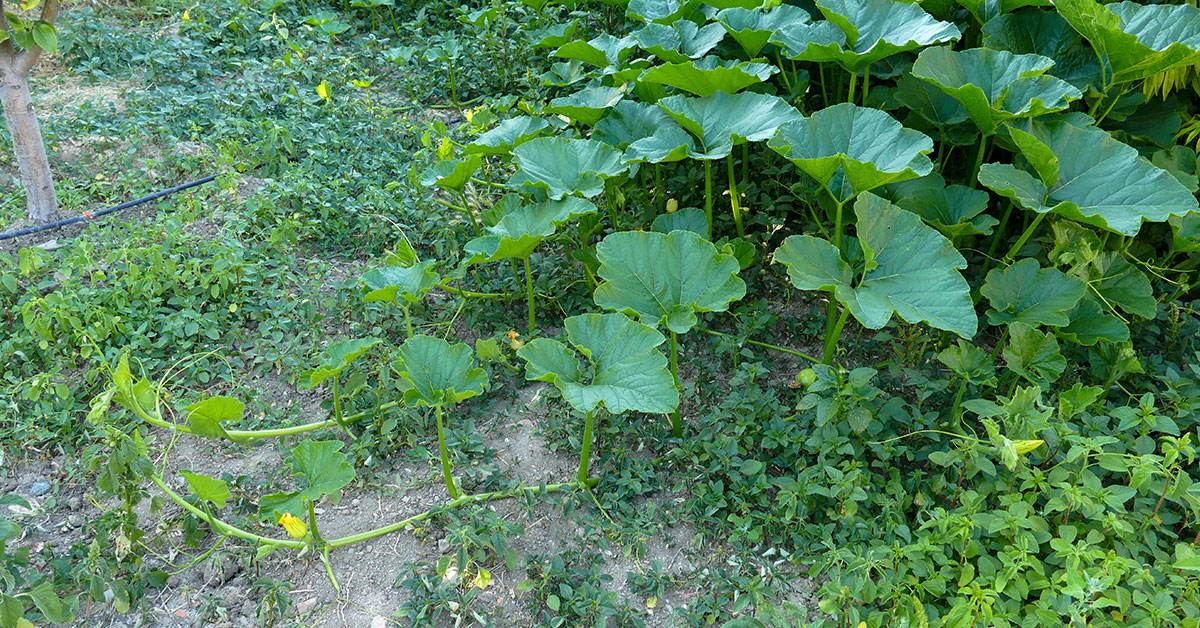

If you’re a pumpkin lover, then you might be interested in trying out the latest trend in the pumpkin world – the Cotton Candy pumpkin. Yes, you read that right! The Cotton Candy pumpkin is a unique and delicious twist on the classic pumpkin that is taking the world by storm. In this blog post, we’ll explore everything you need to know about this delightful treat, from its origin to how to grow and enjoy it. So, let’s get started!
What is a Cotton Candy pumpkin?
Cotton Candy pumpkin is a unique variety of pumpkin that has gained popularity in recent years. This type of pumpkin is known for its small size, round shape, and beautiful pastel pink color, which resembles the classic carnival treat, cotton candy.
Unlike traditional pumpkins, Cotton Candy pumpkins have a sweeter, milder flavor, making them perfect for use in sweet dishes and desserts. They are also easier to handle due to their smaller size, making them ideal for carving and decorating.
Cotton Candy pumpkins are a great addition to fall décor and are perfect for Halloween and Thanksgiving. You can use them as centerpieces, table decorations, or even as part of your outdoor fall displays. Their unique color and shape make them a standout addition to any fall-themed event.
In addition to their aesthetic appeal, Cotton Candy pumpkins have some health benefits too. They are an excellent source of fiber, potassium, and vitamins A and C. Incorporating them into your diet can help boost your immune system, aid digestion, and promote healthy skin.
Common problems with growing Cotton Candy pumpkins
Cotton Candy pumpkin is a unique variety that is becoming increasingly popular among gardeners. This pumpkin has a sweet flavor and interesting texture that makes it perfect for baking, roasting, and even carving. However, like all plants, the Cotton Candy pumpkin is susceptible to certain problems that can affect its growth and yield. Here are some common problems that you may encounter when growing Cotton Candy pumpkin:
Powdery Mildew
Powdery mildew is a fungal disease that affects many plants, including Cotton Candy pumpkin. It typically appears as a white or gray powdery coating on the leaves, stems, and fruits of the plant. Powdery mildew can weaken the plant and reduce its yield. To prevent powdery mildew, keep the pumpkin plant well-ventilated and avoid overhead watering. You can also apply a fungicide if the problem persists.
Squash Bugs
Squash bugs are common pests that can cause serious damage to Cotton Candy pumpkin plants. These bugs feed on the leaves and stems of the plant, causing wilting and yellowing. They can also transmit diseases that can further weaken the plant. To control squash bugs, regularly inspect your plants for signs of infestation and remove any bugs that you find. You can also use insecticidal soaps or neem oil to control the problem.
Root Rot
Root rot is a fungal disease that affects the roots of Cotton Candy pumpkin plants. It typically occurs in wet or poorly-drained soils and can cause the plant to wilt and eventually die. To prevent root rot, make sure that your pumpkin plants are grown in well-drained soil and avoid over-watering. You can also apply a fungicide if the problem persists.
Fruit Rot
Fruit rot is a common problem that affects many types of pumpkins, including Cotton Candy pumpkin. It typically occurs when the fruit is exposed to moisture, which can cause it to rot and decay. To prevent fruit rot, make sure that your plants are grown in well-drained soil and avoid overhead watering. You can also harvest the fruit as soon as it is ripe to prevent it from rotting on the vine.
How to start Cotton Candy pumpkin seeds
Growing pumpkins from seed is an incredibly rewarding and relatively easy gardening endeavor. With the right preparation and care, anyone can experience the joy of watching these vibrant vines produce bountiful, colorful pumpkins. Starting pumpkins from seed allows you to choose from a wide variety of shapes, sizes, and colors to suit your preferences.
Additional Resource: Our Full Guide On Starting Pumpkins From Seed
Growing & care
Caring for pumpkins is remarkably straightforward, making it an ideal choice for both novice and experienced gardeners. Once established, pumpkins require minimal maintenance.
- Transplanting: When the danger of frost has passed and the soil has warmed up, transplant the pumpkin seedlings into your prepared garden bed or large containers. Ensure they are spaced 3-5 feet apart to allow for proper growth and airflow.
- Care and Maintenance: Water your pumpkin plants deeply and regularly, aiming for about 1-2 inches of water per week. Mulch around the plants to conserve moisture and suppress weed growth. Monitor for pests and diseases, and take appropriate action if necessary.
- Pollination: Pumpkins require pollination for fruit set. Bees and other pollinators are crucial for this process. To encourage pollination, avoid using insecticides that could harm pollinators and consider hand-pollinating if necessary.
- Fertilization: As the pumpkin plants grow, provide them with regular feedings of balanced fertilizer according to the package instructions. This will help support healthy foliage growth and fruit development.
- Pruning and Training: Control the growth of your pumpkin vines by gently pruning back excessive foliage. This promotes better airflow and directs energy towards fruit production. Use trellises or supports to train the vines if desired.
- Harvesting: Harvest pumpkins when they reach their full color, have a hard rind, and the stem starts to dry out. Cut the pumpkins carefully from the vine, leaving a few inches of stem attached. Handle them gently to avoid any damage.
When to harvest Cotton Candy pumpkins
If you’re growing Cotton Candy pumpkins, you’re probably wondering when the best time is to harvest them. Harvesting your pumpkins at the right time is essential to ensure that they’re ripe and ready to eat. Here are some tips to help you determine when to harvest your Cotton Candy pumpkins.
Look for signs of maturity
The first step in determining when to harvest your Cotton Candy pumpkins is to examine them for signs of maturity. Mature pumpkins will have a hard, fully-formed rind that’s difficult to scratch with your fingernail. The stem will also start to dry out and turn brown.
Check the size
Cotton Candy pumpkins are typically small, weighing between 1.5 and 3 pounds when mature. If your pumpkins have reached this size, they’re likely ready to harvest.
Consider the time of year
Cotton Candy pumpkins are typically ready to harvest in late September or early October. However, the exact timing will depend on your climate and growing conditions. If you’re unsure, you can always do a quick internet search for the best time to harvest in your area.
Perform a tap test
Finally, you can perform a tap test to determine if your pumpkins are ready to be harvested. Gently tap your finger against the pumpkin’s rind. If it sounds hollow, the pumpkin is likely mature and ready to be harvested.
By following these tips, you’ll be able to determine when your Cotton Candy pumpkins are ready to be harvested. Once you’ve harvested your pumpkins, you can use them to make delicious recipes like pumpkin pie, pumpkin soup, and roasted pumpkin seeds. Happy harvesting!
Uses for Cotton Candy pumpkins
Cotton Candy pumpkins are a unique variety of pumpkin that are known for their sweet and delicate flavor, as well as their distinctive appearance. While they may not be as commonly used as other pumpkin varieties, they are still a popular choice for a variety of culinary applications. Here are some of the most common uses for Cotton Candy pumpkins:
- Baking – Cotton Candy pumpkins are great for baking, especially in recipes that call for pumpkin puree. Their sweet flavor and smooth texture make them perfect for pumpkin pies, cakes, muffins, and breads.
- Soups and stews – Cotton Candy pumpkins can be used in soups and stews, where their sweet flavor can add a unique depth of flavor. They can also be roasted and added to salads or used as a garnish for other dishes.
- Decorations – Cotton Candy pumpkins are a popular choice for fall decorations, as their light pink color and unique shape make them stand out from other pumpkins. They can be carved, painted, or used in centerpieces to add a touch of whimsy to your home decor.
- Beverages – Cotton Candy pumpkins can even be used to make beverages, such as pumpkin spice lattes or pumpkin smoothies. Their sweet flavor and delicate aroma make them a perfect addition to any fall-themed drink.
Overall, Cotton Candy pumpkins are a versatile and unique variety of pumpkin that can be used in a variety of culinary applications. Whether you are baking, cooking, decorating, or simply enjoying their sweet flavor, these pumpkins are sure to add a touch of whimsy and fun to your fall season.