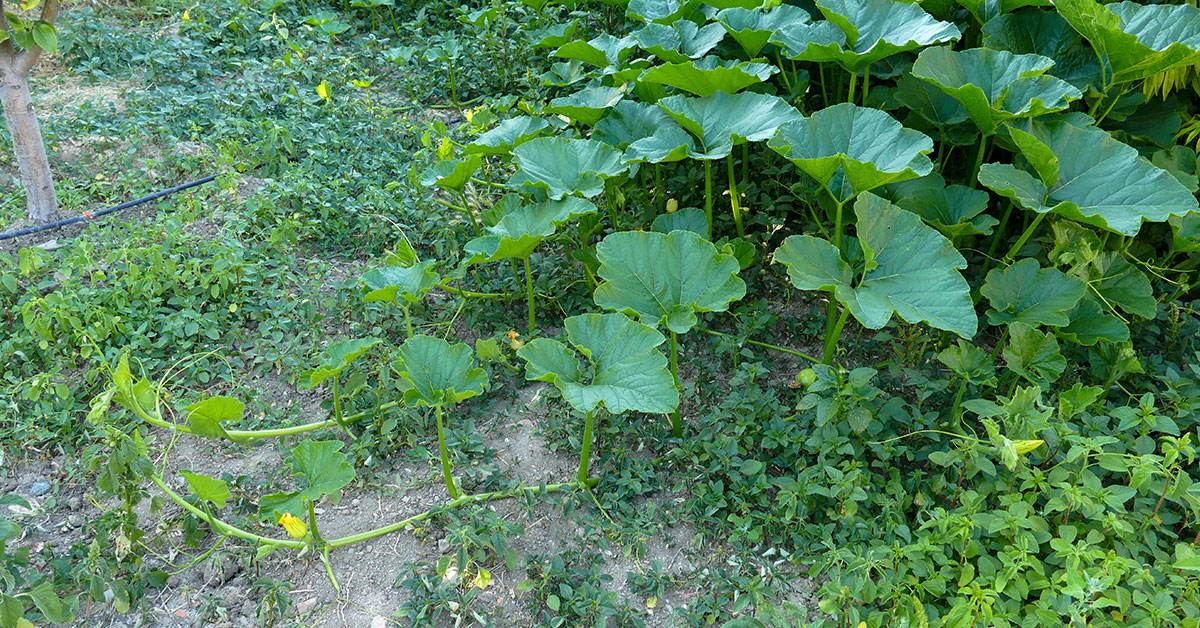

The Connecticut Field pumpkin is a traditional variety of pumpkin that has been grown in the United States for centuries. It is one of the oldest and most popular varieties of pumpkin that is commonly used for carving, cooking, and decorating during the fall season.
The Connecticut Field pumpkin is known for its large size and bright orange color, making it a popular choice for Halloween decorations. In this blog post, we will explore the history, characteristics, and uses of the Connecticut Field pumpkin.
What is a Connecticut Field pumpkin?
Connecticut Field pumpkin is a type of pumpkin that is widely grown in the state of Connecticut in the United States. It is a large, round, and slightly flattened variety of pumpkin that is known for its hardy nature and its ability to withstand harsh weather conditions.
This pumpkin is typically orange in color and has a smooth and slightly ribbed exterior. It is also known for its thick and meaty flesh, which is perfect for cooking and baking. Unlike other types of pumpkins, the Connecticut Field pumpkin is not very sweet and has a more subdued flavor, which makes it perfect for savory dishes.
The Connecticut Field pumpkin has been grown in Connecticut for centuries and was once a staple crop for farmers in the region. Its hardy nature and long shelf life made it an ideal crop for storing over the winter months, providing sustenance for families during the long, cold winters.
Today, the Connecticut Field pumpkin is still a popular crop in the region, and it is widely used in a variety of dishes, including pumpkin pies, soups, stews, and even roasted or grilled as a side dish. Its versatility and rich flavor have made it a favorite among chefs and home cooks alike.
How to start Connecticut Field Pumpkin seeds
Growing pumpkins from seed is an incredibly rewarding and relatively easy gardening endeavor. With the right preparation and care, anyone can experience the joy of watching these vibrant vines produce bountiful, colorful pumpkins. Starting pumpkins from seed allows you to choose from a wide variety of shapes, sizes, and colors to suit your preferences.
Additional Resource: Our Full Guide On Starting Pumpkins From Seed
Growing & care
Caring for pumpkins is remarkably straightforward, making it an ideal choice for both novice and experienced gardeners. Once established, pumpkins require minimal maintenance.
- Transplanting: When the danger of frost has passed and the soil has warmed up, transplant the pumpkin seedlings into your prepared garden bed or large containers. Ensure they are spaced 3-5 feet apart to allow for proper growth and airflow.
- Care and Maintenance: Water your pumpkin plants deeply and regularly, aiming for about 1-2 inches of water per week. Mulch around the plants to conserve moisture and suppress weed growth. Monitor for pests and diseases, and take appropriate action if necessary.
- Pollination: Pumpkins require pollination for fruit set. Bees and other pollinators are crucial for this process. To encourage pollination, avoid using insecticides that could harm pollinators and consider hand-pollinating if necessary.
- Fertilization: As the pumpkin plants grow, provide them with regular feedings of balanced fertilizer according to the package instructions. This will help support healthy foliage growth and fruit development.
- Pruning and Training: Control the growth of your pumpkin vines by gently pruning back excessive foliage. This promotes better airflow and directs energy towards fruit production. Use trellises or supports to train the vines if desired.
- Harvesting: Harvest pumpkins when they reach their full color, have a hard rind, and the stem starts to dry out. Cut the pumpkins carefully from the vine, leaving a few inches of stem attached. Handle them gently to avoid any damage.
Common pumpkin pests and diseases
Growing pumpkins can sometimes encounter a few common problems. Here are some issues you may face and their corresponding solutions:
- Powdery Mildew: This fungal disease appears as a white, powdery coating on the leaves, causing them to wither and die. To combat powdery mildew, ensure proper spacing between plants for good air circulation. Apply fungicides as a preventive measure or use organic treatments like neem oil or a mixture of baking soda and water.
- Squash Bugs: These pests feed on the leaves, causing wilting and stunted growth. Handpick and destroy the bugs or use insecticidal soap to control their population. Placing floating row covers over young plants can prevent squash bugs from laying eggs.
- Vine Borers: The larvae of squash vine borers burrow into the stems, leading to wilting and plant death. Cut open the stem, remove the borer, and mound soil at the base of the affected plant to encourage rooting. Applying row covers early in the season can help prevent adult borers from laying eggs.
- Blossom End Rot: This physiological disorder manifests as sunken, darkened areas on the blossom end of the fruit. It is caused by calcium deficiency or inconsistent watering. Maintain consistent soil moisture levels, provide adequate calcium through organic amendments, and mulch around the plants to regulate soil moisture.
- Poor Fruit Set: Insufficient pollination can result in poor fruit development. Encourage pollinators by planting pollinator-friendly flowers nearby. In the absence of sufficient pollinators, hand-pollinate by transferring pollen from male to female flowers using a small brush or cotton swab.
- Overwatering or Root Rot: Excessive watering or poorly drained soil can lead to root rot and plant decline. Allow the soil to dry slightly between waterings, and improve drainage by amending the soil with organic matter or growing pumpkins in raised beds.
- Weeds: Weeds compete for nutrients, water, and sunlight, hampering pumpkin growth. Regularly weed around the plants to minimize competition and maintain a weed-free zone.
Remember to monitor your plants regularly, catch problems early, and apply appropriate treatments promptly. By implementing these preventive measures and taking swift action when needed, you can address common pumpkin-growing problems and enjoy a successful harvest.
When to harvest Connecticut Field pumpkins
Connecticut Field pumpkin is a popular variety of pumpkin that is widely grown in the United States. This variety is well-known for its large size, sweet flavor, and versatility in cooking. If you are planning to grow Connecticut Field pumpkin in your garden, it is important to know when to harvest them.
Connecticut Field Pumpkins are ready for harvest approximately 110 days after they germinate. Here are some tips to help you determine the right time to harvest your Connecticut Field pumpkins.
Observe the Color
One of the easiest ways to tell when your Connecticut Field pumpkins are ready for harvest is to observe their color. When the pumpkins are fully mature, they will have a deep orange color. If the pumpkins are still green or have a lighter shade of orange, they are not yet ready for harvest.
Check the Skin
Another way to determine the maturity of your Connecticut Field pumpkins is to check the skin. When the pumpkins are ready for harvest, the skin will be hard and tough. You should be unable to puncture the skin with your fingernail. If the skin is still soft, the pumpkin is not yet mature enough for harvest.
Look for Signs of Tendrils Drying
Connecticut Field pumpkins typically produce tendrils that attach the pumpkin to the vine. As the pumpkins mature, these tendrils will start to dry up and turn brown. When the majority of the tendrils have dried up, it is a sign that the pumpkin is ready for harvest.
Measure the Size
Connecticut Field pumpkins can grow quite large, often weighing up to 25 pounds or more. If you are looking for a smaller pumpkin, you can harvest them when they are around 6 to 8 inches in diameter. For larger pumpkins, wait until they reach their full size before harvesting.
In conclusion, harvesting Connecticut Field pumpkins requires a bit of observation and patience. By checking the color, skin, tendrils, and size, you can ensure that your pumpkins are fully mature and ready to be harvested. With the right timing, you can enjoy the sweet and delicious flavor of Connecticut Field pumpkins in your favorite recipes.
Uses for Connecticut Field pumpkins
Connecticut Field pumpkins are typically used for making pumpkin pies, pumpkin puree, and other seasonal pumpkin-based recipes. These pumpkins are also used for carving during Halloween, and their large size makes them ideal for carving intricate designs.
The Connecticut Field pumpkin is known for its sweet, nutty flavor which makes it a popular ingredient in baking. The flesh of the pumpkin is ideal for making pie filling, as it is rich in natural sugars and has a smooth texture. The pumpkin’s seeds can also be roasted and used as a healthy snack.
In addition to culinary uses, Connecticut Field pumpkins are also used for decorative purposes. Their iconic orange color and large size make them a popular choice for Halloween decorations, and they are also used as centerpieces during Thanksgiving celebrations.
Overall, Connecticut Field pumpkins are versatile and have a wide range of uses. Whether you’re baking a pumpkin pie, carving a Halloween decoration, or using them as a decorative centerpiece, these pumpkins are a great addition to any fall celebration.