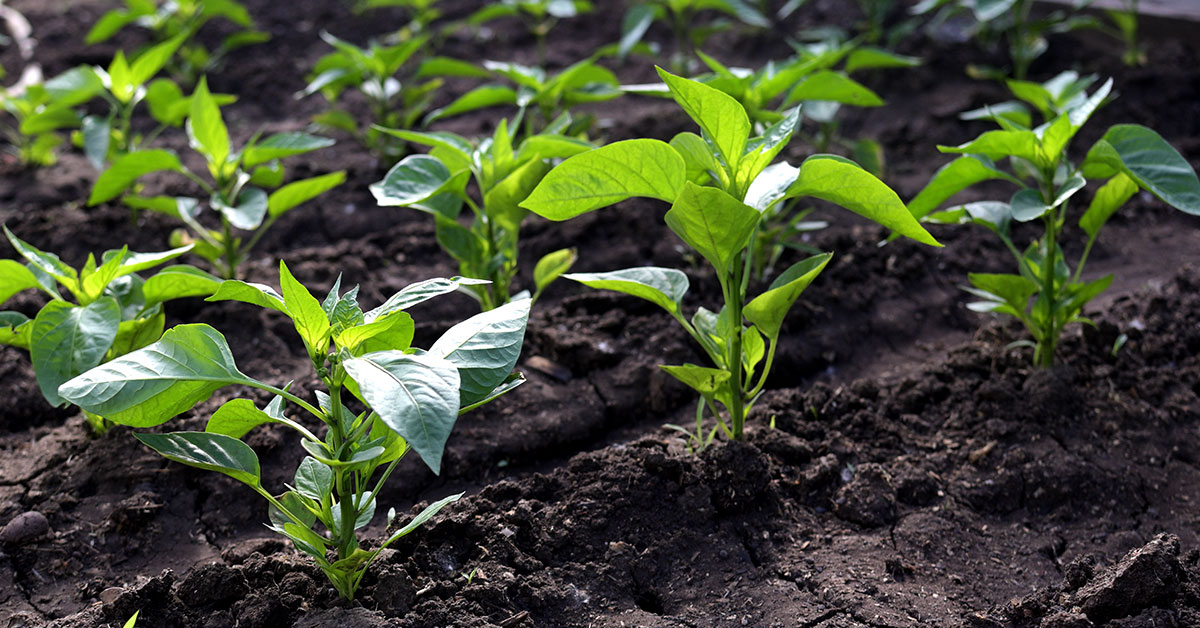

The pimento pepper plant, also known as the allspice pepper plant, is an annual pepper plant native to the Caribbean and Central America. It is a member of the myrtle family and produces small, aromatic, and flavorful fruits that are commonly used in cooking.
The pimento pepper is also an attractive ornamental plant, with glossy green leaves and clusters of small white flowers. In this blog post, we will explore the history, cultivation, and culinary uses of the pimento pepper plant.
What is a pimento pepper?
One of the most popular pepper plants grown in gardens today is the pimento pepper plant. This plant produces red, heart-shaped peppers that are sweet and mild in flavor. They are a staple ingredient in many recipes, including salads, stews, and sauces.
The pimento pepper plant, also known as the cherry pepper plant, is native to Jamaica and is a member of the Capsicum annuum species. The plant grows to a height of about 2-3 feet and produces an abundance of peppers throughout the growing season.
The pimento pepper plant is relatively easy to grow and can be grown in containers or in the ground. It prefers a warm, sunny location and well-draining soil. The plant is also fairly resistant to pests and diseases, making it a low-maintenance option for gardeners.
In addition to being a delicious addition to many dishes, the pimento pepper plant is also rich in vitamins A and C. So not only does it add flavor to your meals, but it also provides nutritional benefits.
Overall, the pimento pepper plant is a great choice for gardeners who want to add a little spice to their lives. With its mild flavor and ease of growing, it is a great addition to any garden.
What do pimento peppers taste like?
Pimento peppers are known for its unique flavor that is both sweet and a touch spicy. It has a mild heat level, making it perfect for those who want to enjoy the taste of peppers without the intense heat.
The taste of pimento peppers has been described as fruity and slightly tangy, with hints of sweetness and a subtle smoky flavor. The flavor of the pepper can vary depending on factors such as the ripeness of the fruit and the growing conditions.
They are commonly used in cooking to add flavor to a variety of dishes. They are often used in Caribbean and Latin American cuisine, where they are used in dishes such as jerk chicken, stews, and rice dishes. In addition, pimento peppers are commonly used in the United States to make pimento cheese, a popular spread that is often used in sandwiches.
Overall, the pimento pepper plant has a unique and delicious taste that is sure to add flavor to any dish. Whether you are looking to add a little bit of spice to your meals or want to enjoy the sweet and tangy flavor of the pepper, the pimento pepper plant is definitely worth trying.
How to start pimento pepper seeds
If you are interested in growing pimento peppers, you may be wondering how to get started. One common way to start pimento pepper plants is from seed. Here is a step-by-step guide to help you start your own pimento pepper plants from seed:
- Choose your seeds: First, you will need to choose the right seeds for your pimento pepper plants. You can purchase seeds online or at your local garden center. Look for seeds that are specifically labeled as pimento peppers.
- Start indoors: Pimento pepper plants need to be started indoors before they can be transplanted outside. Fill a seed tray or small pots with seed-starting soil. Moisten the soil, but do not make it too wet.
- Plant your seeds: Plant two or three seeds in each pot, about 1/4 inch deep. Cover the seeds with soil and gently press down.
- Provide warmth and light: Pimento pepper seeds need warmth and light to germinate. Place the pots in a warm, well-lit area, such as a windowsill or under grow lights. Keep the soil moist, but not too wet.
- Thin and transplant: Once the seeds have germinated and the seedlings have grown a few leaves, you will need to thin them out. Choose the strongest seedling in each pot and remove the others. When the seedlings are about 2-3 inches tall, you can transplant them into larger pots or outside in your garden.
- Care for your plants: They need regular watering and fertilization to grow strong and healthy. Make sure to water your plants regularly and fertilize them every two weeks with a balanced fertilizer.
With these simple steps, you can start your own pimento pepper plants from seed and enjoy delicious, home-grown peppers all season long.
How to grow pimento pepper plants
Pimento pepper, also known as allspice pepper, is a popular pepper variety that is commonly used in Jamaican cuisine. It is a small, sweet pepper with a distinctive flavor that is often used in pickling, sauces, and spice blends. If you’re a fan of this unique pepper, you may want to consider growing your own pimento pepper plant. Here are some steps to get started.
- Choose the right location: Pimento pepper plants thrive in warm, sunny locations with well-drained soil. Choose a spot in your garden that receives at least 6 hours of direct sunlight each day.
- Prepare the soil: Pimento pepper plants prefer soil that is rich in organic matter and has a pH between 6.0 and 6.8. Add compost or well-rotted manure to your soil before planting to help improve its quality.
- Plant the seeds: Pimento pepper seeds can be started indoors 6-8 weeks before the last frost in your area. Alternatively, you can sow the seeds directly into your garden once the soil has warmed up. Plant the seeds 1/4 inch deep and 2-3 inches apart.
- Water regularly: Pimento pepper plants require consistent moisture to grow and produce fruit. Water your plants deeply once a week, or more frequently if the weather is particularly hot and dry.
- Fertilize: Pimento pepper plants benefit from regular fertilization throughout the growing season. Use a balanced fertilizer every 4-6 weeks to provide your plants with the nutrients they need to thrive.
- Prune your plants: Once your pimento pepper plants have reached a height of 6-8 inches, pinch out the top of the plant to encourage bushier growth. Remove any dead or damaged leaves as needed throughout the season.
- Harvest your peppers: Pimento peppers can be harvested when they are green or allowed to ripen to a bright red color. Pick the peppers off the plant carefully to avoid damaging the stem or other peppers on the same plant.
By following these simple steps, you can grow your own pimento pepper plant and enjoy the unique flavor of this delicious pepper in your own cooking.
When to harvest pimento peppers
Pimento pepper plants are a popular choice for home gardeners and farmers alike. These plants are relatively easy to grow and produce a bountiful harvest of flavorful peppers. Once your pimento pepper plants have grown and matured, it’s time to harvest them. But when is the right time to harvest, and how should you go about it?
The timing of your pimento pepper harvest will depend on a few factors, including the variety of pepper, climate, and growing conditions. Pimento peppers are typically ready to harvest when they have reached their full size and have turned red or orange in color. This is usually around 80-90 days after planting, but it can vary depending on the variety and growing conditions.
It’s important not to wait too long to harvest your pimento peppers, as they can become overripe and lose their crispness and flavor. On the other hand, harvesting them too early can result in underdeveloped peppers that lack the characteristic sweetness and heat of fully matured pimentos.
Harvesting pimento peppers is relatively easy. You’ll need a pair of pruning shears or sharp scissors to cut the peppers from the plant. Simply hold the stem of the pepper with one hand and cut the stem with the other. Be sure to leave a small amount of stem attached to the pepper, as this will help to keep it fresh longer.
It’s important to handle pimento peppers carefully when harvesting, as they can be delicate and easily bruised. Be gentle when cutting the peppers from the plant and avoid pulling or twisting them, as this can damage the plant and affect future harvests.
Once you’ve harvested your pimento peppers, store them in a cool, dry place until you’re ready to use them. They can be stored in the refrigerator for up to two weeks or frozen for longer storage.