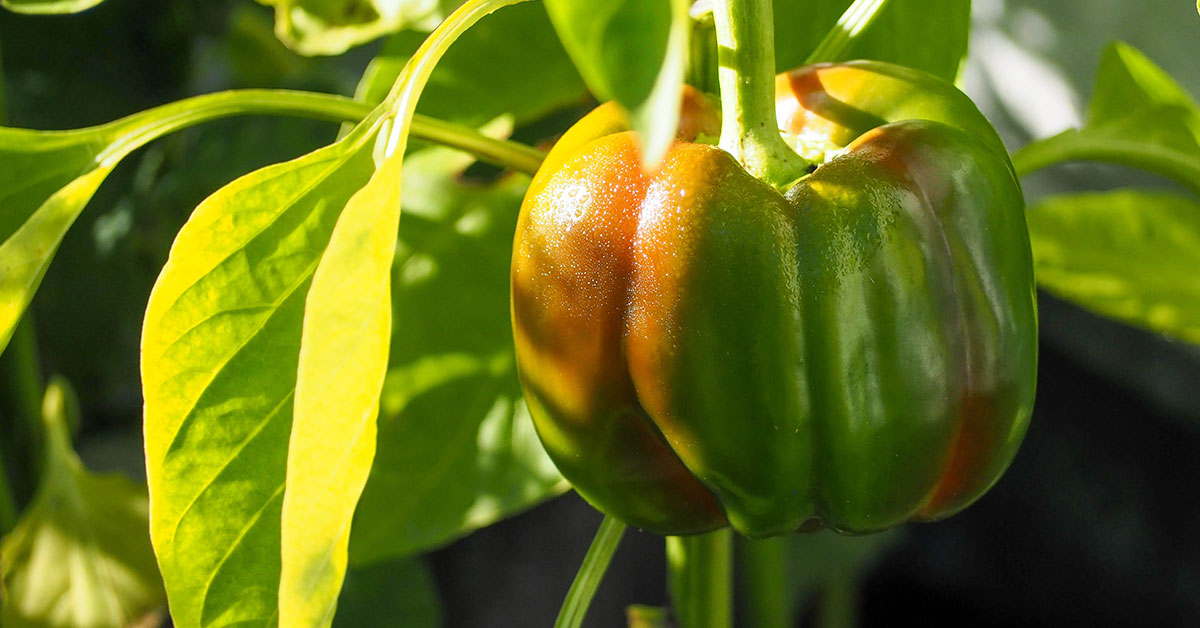

Are you ready to add some vibrant color and delicious flavors to your garden? You’re going to want to plant at least a few bell pepper plants! Whether you’re a seasoned gardener or a beginner, growing bell peppers can be a rewarding and enjoyable experience.
These versatile vegetables come in a variety of colors and can be used in countless culinary creations, from fresh salads to stir-fries and stuffed peppers. In this article, we’ll explore the art of growing bell peppers, providing you with essential tips and techniques to cultivate healthy plants and bountiful harvests.
What is a bell pepper?
A bell pepper, also known as a sweet pepper or capsicum, is a vegetable that belongs to the nightshade family. It is characterized by its distinctive bell shape and thick flesh. Bell peppers are typically harvested when they are fully mature and have a sweet, crisp flavor. They come in various colors, including green, red, yellow, orange, and even purple.
Bell peppers are not only visually appealing but also pack a nutritional punch, as they are rich in vitamins A and C, fiber, and antioxidants. Their versatility in cooking, along with their vibrant colors, makes them a popular choice for salads, stir-fries, stuffed dishes, and more.
What do bell peppers taste like?
Bell peppers have a mild, sweet flavor with a subtle tanginess. The taste can vary slightly depending on the color of the pepper. Green bell peppers, which are harvested before they fully ripen, have a slightly bitter or grassy taste compared to their ripe counterparts. As bell peppers mature and change color, they become sweeter and develop a more pronounced flavor.
Red, orange, and yellow bell peppers are generally sweeter and have a fruitier taste. They also tend to be milder in terms of spiciness compared to other pepper varieties. Overall, bell peppers offer a refreshing and enjoyable taste that complements a wide range of dishes.
How tall do bell pepper plants grow?
Bell pepper plants typically reach a height of 1 to 3 feet (30 to 90 centimeters), although the exact height can vary depending on the variety, growing conditions, and pruning practices. Some bell pepper cultivars are known to be more compact and may grow to a shorter height, while others can grow taller under optimal conditions.
In general, bell pepper plants have a bushy growth habit with multiple stems branching out from the base. They usually have a spread similar to their height, forming a rounded shape. It’s important to provide adequate spacing between plants to allow for proper air circulation and avoid overcrowding.
Pruning techniques, such as pinching off the tips of the main stems, can help promote bushier growth and limit the plant’s overall height. Supporting the plants with stakes or cages can also help prevent branches from bending or breaking under the weight of the fruit.
Keep in mind that the height of bell pepper plants is just one aspect of their growth, and the focus should be on creating healthy and productive plants that yield abundant and flavorful peppers.
Starting bell peppers from seed
Starting bell peppers from seeds is a relatively simple process. Here’s a brief overview of how to get started:
- Choose high-quality seeds: Select bell pepper seeds from a reputable supplier or save seeds from mature peppers you’ve enjoyed.
- Start indoors: Since bell peppers require a longer growing season, it’s best to start them indoors. Use seed trays or small pots filled with seed-starting mix.
- Sow the seeds: Plant the seeds about a quarter to a half inch deep in the soil. Place 2-3 seeds in each pot or cell, as not all seeds may germinate.
- Provide optimal conditions: Bell peppers require warmth and moisture for germination. Keep the soil consistently moist but not waterlogged. Place the trays or pots in a warm location, ideally around 75-85°F (24-29°C).
- Ensure good lighting: Once the seeds have germinated and sprouted, provide them with bright light. Place them near a sunny window or use artificial grow lights to provide 12-16 hours of light per day.
- Harden off and transplant outdoors: Before transplanting the seedlings outdoors, gradually expose them to outdoor conditions over a period of 7-10 days. Start with a few hours of outdoor exposure, gradually increasing the duration each day. Plant them in a sunny spot with fertile soil once they have acclimated.
By following these steps, you can successfully start bell peppers from seeds and enjoy a bountiful harvest of delicious peppers in your garden.
How to grow bell peppers
Once bell pepper seedlings are transplanted outdoors, they require proper care to ensure healthy growth and optimal yields. Here’s a brief overview of how to care for bell peppers in the outdoor garden:
- Sunlight: Bell peppers thrive in full sunlight, so choose a location that receives at least 6-8 hours of direct sunlight daily.
- Watering: Water the plants consistently to keep the soil evenly moist. Avoid overwatering, as it can lead to root rot. Provide deep waterings rather than frequent shallow ones.
- Mulching: Apply a layer of organic mulch, such as straw or wood chips, around the base of the plants. Mulching helps retain moisture, suppresses weeds, and maintains a more stable soil temperature.
- Fertilization: Bell peppers benefit from regular fertilization to promote healthy growth and fruit development. Use a balanced fertilizer or incorporate compost or well-rotted manure into the soil before planting. Follow the recommended application rates on the fertilizer packaging.
- Pest and disease management: Monitor the plants for pests such as aphids, caterpillars, or pepper maggots. Use organic pest control methods like insecticidal soaps or neem oil if necessary. Watch out for common diseases like blossom end rot or fungal infections, and take preventive measures such as providing consistent watering and proper spacing between plants.
By following these care guidelines, you can enjoy healthy bell pepper plants that produce abundant and flavorful harvests throughout the growing season.
When to harvest
Bell peppers can be harvested at various stages of ripeness, depending on personal preference and the desired flavor. Here are some general guidelines for when to harvest bell peppers:
- Green bell peppers: Green bell peppers are typically harvested when they reach their full size, regardless of their color. They can be picked when they are firm, crisp, and have a glossy appearance. These peppers are less sweet and have a slightly bitter or grassy taste compared to mature, colored peppers.
- Colored bell peppers: If you prefer sweeter and more flavorful bell peppers, allow them to fully ripen and change color. The exact color will depend on the specific variety you are growing. For example, red bell peppers turn bright red, while yellow bell peppers turn a vibrant yellow. Generally, colored bell peppers are harvested when they have reached their mature color, are firm to the touch, and have a glossy appearance.
- Overripe bell peppers: If left on the plant for too long, bell peppers will continue to ripen and may eventually become overripe. Overripe bell peppers are often softer, wrinkled, and may have a less desirable texture. They can still be used in cooking, but their flavor may be less sweet and more intense.
Remember to handle the peppers carefully when harvesting to avoid damaging the plant. Use sharp garden shears or a knife to cut the peppers from the plant, leaving a short stem attached. Harvesting regularly encourages the plant to produce more peppers throughout the growing season.