
Amur Maple, scientifically known as Acer ginnala, is a small deciduous tree that is native to northern Asia, including parts of China, Japan, Mongolia, and Russia. It has been introduced to many other parts of the world, including North America, where it has become a popular ornamental tree in landscaping and gardening. With its stunning fall foliage and compact size, the Amur Maple is a versatile and attractive addition to any home garden or public park. In this blog, we will explore the many benefits and unique features of this beautiful tree.
What is an Amur Maple?
Amur Maple is a deciduous shrub or small tree that is native to northeastern Asia, particularly in China, Japan, and Korea. It belongs to the Aceraceae family, which also includes other maple species. This species is commonly grown in gardens and parks for its ornamental value, stunning fall foliage, and overall hardiness. The scientific name of Amur Maple is Acer ginnala.
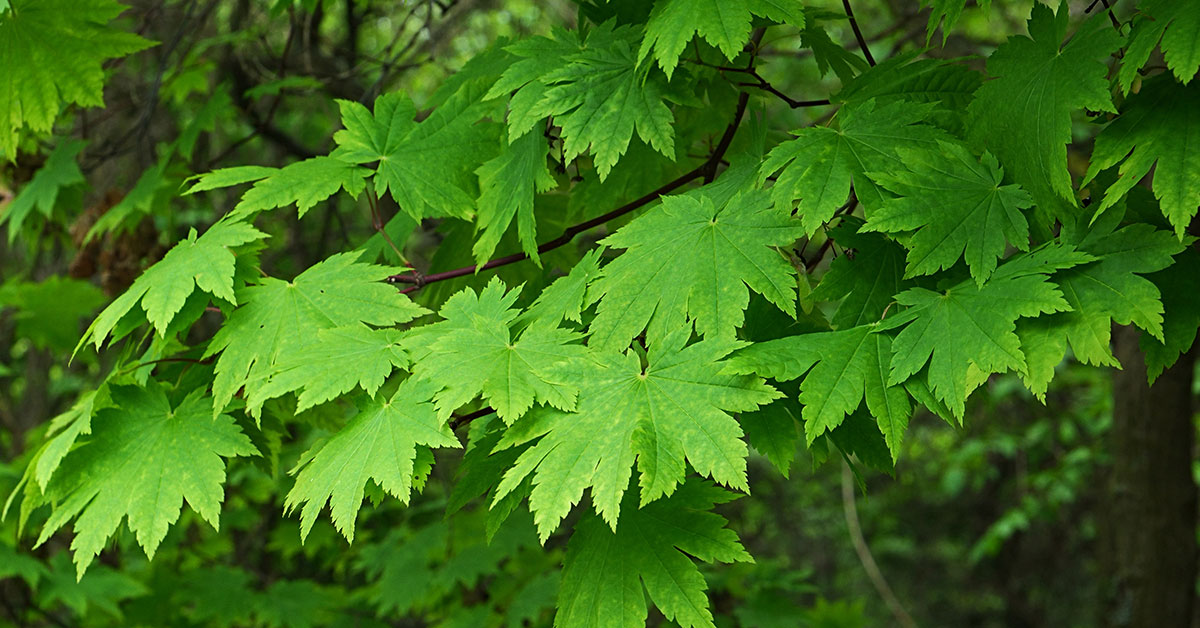
Amur Maple is a small tree that typically grows up to 20 feet tall and wide. It features a dense, rounded crown and a smooth, grayish-brown bark that becomes scaly as it ages. The leaves of the Amur Maple are simple, opposite, and palmate, with 3-5 lobes that are sharply pointed. The leaves are bright green in the spring and summer and turn into brilliant shades of red, orange, or yellow in the fall. The tree produces small, fragrant, yellowish-white flowers in the spring, which are followed by winged seeds that disperse in the wind.
Overall, the Amur Maple is an attractive and versatile tree that can be grown in a wide range of climatic conditions. It is easy to maintain, drought-tolerant, and adaptable to different soil types. Its hardiness and resiliency make it a popular choice for gardening enthusiasts and landscapers alike.
How to plant and care for Amur Maples
Amur Maple is a small tree that is native to Northeast Asia. It is an excellent choice for a landscape tree, as it is easy to care for and provides a beautiful display of fall foliage. Here are some tips on how to plant and care for Amur Maple.
Planting
- Choose a location that receives full sun to partial shade. It prefers well-drained soil but can tolerate a variety of soil types.
- Dig a hole that is two to three times wider than the root ball, but no deeper than the root ball.
- Gently remove the tree from its container and loosen any tangled or circling roots.
- Place the tree in the hole and backfill with soil, making sure the tree is straight and the soil is firm around the roots.
- Water the tree thoroughly.
Watering
Amur Maples prefer consistent moisture but can tolerate short periods of drought. Water the tree deeply once a week during the growing season, and more frequently during periods of drought.
Fertilizing
Amur Maples do not require a lot of fertilizer, but a slow-release fertilizer can be applied in the spring to promote healthy growth.
Pruning
Prune your maple in the late winter or early spring to remove any dead or damaged branches. It is also a good time to shape the tree and remove any crossing branches.
Pests and Diseases
Amur Maple is generally resistant to pests and diseases, but it can be susceptible to leaf spot and verticillium wilt. Proper watering and pruning can help prevent these issues.
The Amur Maple is a beautiful and easy-to-care-for tree that can add color and interest to any landscape. By following these tips on planting and care, you can enjoy the beauty of this tree for years to come.
Where are Amur Maples native?
The Amur Maple is a deciduous shrub or small tree species native to northeastern Asia. Its natural range spans from eastern Mongolia and northeastern China to the Korean Peninsula, Japan, and the Russian Far East.
In its native range, the Amur Maple grows in a variety of habitats, from forest edges and open woodlands to rocky slopes and riverbanks. It is a hardy species that can tolerate a wide range of temperatures, from -40°C in winter to 30°C in summer.
Today, the Amur Maple has been introduced to many parts of the world, including North America, Europe, and Australia, where it is grown as an ornamental plant in parks, gardens, and along roadsides. Its adaptability and stunning fall colors have made it a popular choice among gardeners and landscapers.
Fall foliage
When autumn comes around, the leaves of the Amur Maple turn into a beautiful array of colors that can range from yellow to orange to red.
The leaves of the Amur Maple are typically palm-shaped and can be up to 4 inches wide. During the summer, the leaves are a bright green color, but as the weather starts to cool down, the leaves begin to change. The fall foliage of the Amur Maple is one of the main reasons why people love this tree.
As the days get shorter and cooler, the leaves of the Amur Maple begin to change color. The first sign of this change is the appearance of yellow hues. These gradually intensify, creating a beautiful golden hue that covers the entire tree. As the temperature drops even further, the leaves begin to turn orange and eventually a deep red color.
One of the most remarkable things about the fall foliage of the Amur Maple is the way it seems to glow in the sunlight. The vibrant colors of the leaves are a sight to behold, and they create a stunning contrast against the blue sky.