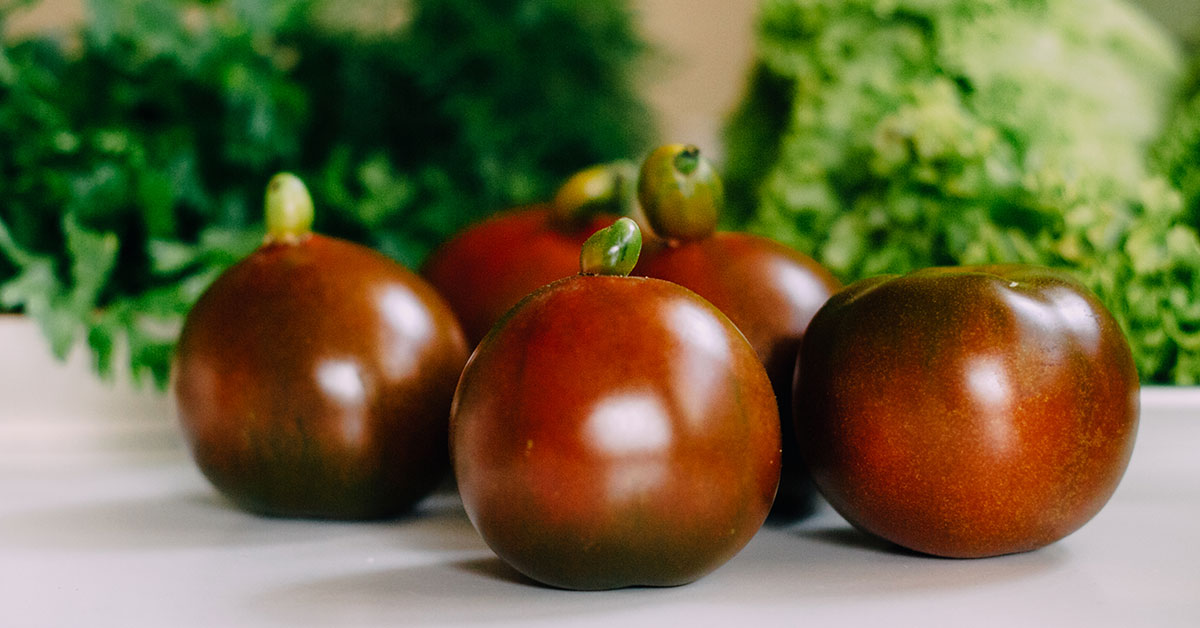

The Black Prince tomato is a strikingly beautiful and delicious heirloom tomato that has been gaining popularity among gardeners and food enthusiasts alike. With its deep, dark color and rich flavor, this tomato is a favorite among those who appreciate the unique and complex taste of heirloom varieties.
But the Black Prince tomato is more than just a pretty face – it is also a hardy and productive plant that can provide a bountiful harvest throughout the growing season.
In this blog, we’ll take a closer look at this fascinating tomato, including its history, growing requirements, and culinary uses. Whether you are an experienced gardener or a curious foodie, there is something to love about the Black Prince tomato.
What is a Black Prince tomato?
A Black Prince tomato is a type of heirloom tomato that is known for its unique and rich flavor. It is a medium-sized tomato that is typically dark red or purple in color, with a deep, almost smoky taste that is both sweet and slightly tart.
The Black Prince tomato is believed to have originated in Siberia, and it is known for its ability to grow well in cooler climates. This makes it a popular choice for gardeners in regions with shorter growing seasons.
In addition to its delicious flavor, the Black Prince tomato is also known for its striking appearance. Its dark color and smooth skin make it a visually appealing addition to salads, sandwiches, and other dishes.
Overall, the Black Prince tomato is a tasty and versatile ingredient that is well worth trying if you are a fan of fresh, flavorful produce. Whether you grow it in your own garden or purchase it from a local farmer’s market, this tomato is sure to be a hit with your taste buds.
How to start Black Prince tomatoes from seed
Starting tomatoes from seed is a cost-effective and rewarding way to grow your own tomato plants. To begin, choose the tomato varieties that suit your preferences and growing conditions.
Fill seed trays or pots with a lightweight and well-draining seed starting mix, plant the seeds at the recommended depth, and provide adequate moisture and warmth for germination.
Once the seedlings have developed their second set of true leaves, they can be transplanted into larger containers or individual pots. Gradually acclimate the seedlings to outdoor conditions before transplanting them into the garden.
By following these basic steps, you can successfully start tomatoes from seed and enjoy a thriving crop of homegrown tomatoes.
Additional Resource: Our comprehensive guide to starting tomatoes from seed
Growing & care
Transplanting and caring for tomatoes outdoors involves a few essential steps. First, choose a sunny location with well-drained soil. Prior to transplanting, harden off the seedlings by gradually exposing them to outdoor conditions.
Dig a hole slightly larger than the root ball of each seedling and plant them, burying the stem up to the first set of leaves. Water the seedlings thoroughly after transplanting. Provide consistent watering, aiming for 1-2 inches of water per week.
Stake or cage the plants for support and prune indeterminate varieties by removing suckers. Monitor for pests and diseases, taking prompt action if necessary. By following these steps, you’ll set your tomato plants up for healthy growth and a fruitful harvest.
Additional Resource: How to transplant and care for tomatoes outdoors
Common tomato pests and diseases
Tomatoes are susceptible to various pests and diseases that can affect their health and productivity. Some common tomato pests include aphids, tomato hornworms, whiteflies, and cutworms. These pests can cause damage to leaves, stems, and fruit, leading to reduced plant vigor and yield.
Additionally, tomato plants can be affected by diseases such as early blight, late blight, fusarium wilt, and verticillium wilt. These diseases can cause leaf discoloration, wilting, and fruit rot. Proper identification and timely intervention are crucial to effectively manage these pests and diseases and ensure the successful growth of tomato plants.
Additional Resource: Comprehensive list of tomato diseases and pests and how to fix them
Common problems
Black Prince tomatoes are a popular heirloom variety that is loved by many gardeners for their rich, complex flavor. However, like any tomato plant, they can be susceptible to a number of common problems that can affect their growth and yield. In this section, we’ll take a closer look at some of the most common problems that gardeners may encounter when growing Black Prince tomatoes.
- Blossom end rot: Blossom end rot is a common problem that affects many tomato plants, including Black Prince tomatoes. This condition is caused by a calcium deficiency in the plant, which can result in black, sunken spots on the bottom of the fruit. To prevent blossom end rot, make sure that your plants are getting enough calcium and water regularly.
- Early blight: Early blight is a fungal disease that can affect the leaves and stems of tomato plants. Symptoms of early blight include yellowing leaves, brown spots, and wilting. To prevent early blight, make sure that your plants are getting enough sunlight and air circulation, and avoid overcrowding.
- Late blight: Late blight is another fungal disease that can cause serious damage to tomato plants, including Black Prince tomatoes. Symptoms of late blight include water-soaked lesions on the leaves and stems, as well as grey mold on the fruit. To prevent late blight, make sure that your plants are getting enough sunlight and air circulation, and avoid watering them from above.
- Verticillium wilt: Verticillium wilt is a soil-borne disease that can cause wilting, yellowing, and stunted growth in tomato plants. Unfortunately, there is no cure for this disease, so prevention is key. To prevent verticillium wilt, avoid planting tomatoes in the same location year after year, and make sure that your soil is well-draining.
- Tomato hornworm: Tomato hornworms are large green caterpillars that can quickly devour tomato plants, including Black Prince tomatoes. To prevent tomato hornworms, inspect your plants regularly for signs of damage and remove any caterpillars that you find by hand. You can also use natural predators like ladybugs and lacewings to control the population of tomato hornworms in your garden.
By being aware of these common problems and taking steps to prevent them, you can ensure a healthy and productive crop of Black Prince tomatoes year after year.
Uses
Black Prince tomatoes are a popular variety of heirloom tomatoes that are known for their rich, deep flavor and dark color. These tomatoes are typically used for a variety of culinary purposes, thanks to their unique taste and texture.
One of the most common uses for Black Prince tomatoes is in salads. Their rich flavor and color make them a great addition to any green salad, adding a pop of color and a burst of flavor. They can also be paired with other vegetables and fruits to create more complex salads.
Another popular use for Black Prince tomatoes is in sauces and salsas. Their intense flavor makes them an ideal ingredient for creating rich and flavorful sauces that can be used in a variety of dishes. They can also be diced and mixed with other ingredients to create a delicious salsa that can be used as a dip or topping for grilled meats and vegetables.
In addition to their use in salads and sauces, Black Prince tomatoes can also be roasted or grilled to bring out their unique flavor. When cooked, they become even sweeter and more flavorful, making them an excellent ingredient for pasta dishes, pizzas, and other savory dishes.
Overall, Black Prince tomatoes are a versatile and delicious ingredient that can be used in a variety of culinary applications. Whether you’re making a salad, sauce, or savory dish, these tomatoes are sure to add a burst of flavor and color to your cooking.