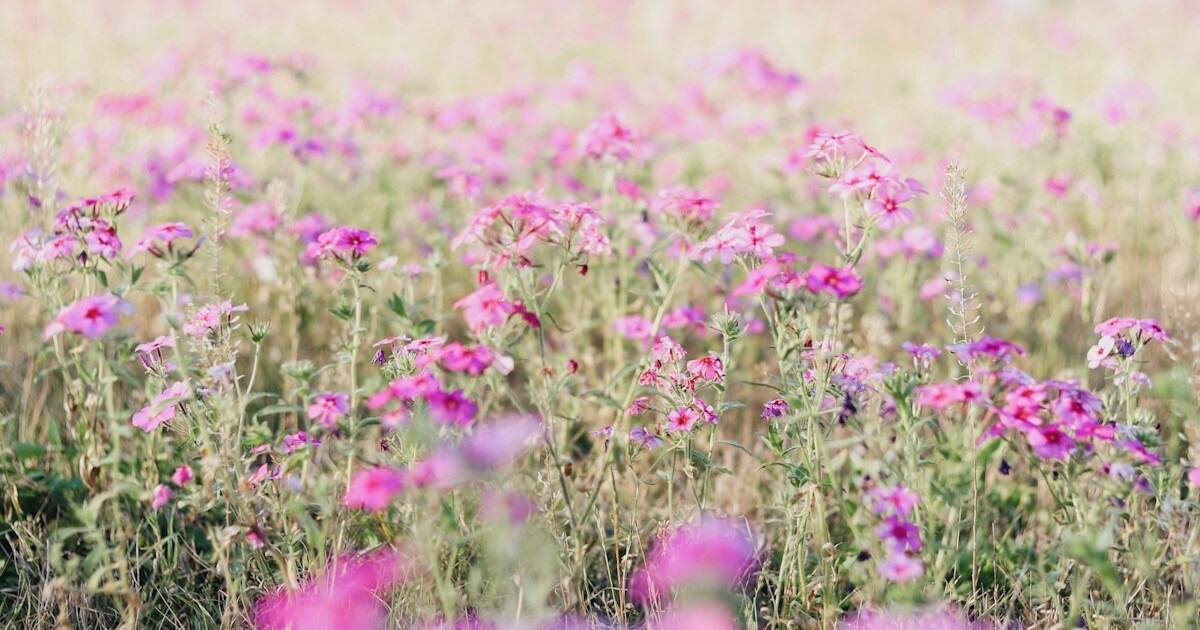

Late summer is the perfect time to think ahead to next year’s wildflower extravaganza. As the sun slants lower and days begin to cool, your meadow is ready for the groundwork that will yield a carpet of blooms next spring. I know how disappointing it can feel to sow seed in spring only to watch weeds outpace your precious wildflowers—so let’s tackle the prep work now, when you have the space and time to set things up for success.
In this article, I’m thrilled to share nine essential tasks that will transform your meadow into prime real estate for native blooms, pollinators, and nesting wildlife. From soil testing to creating microhabitats, each tip draws on hands-on meadow management and an understanding of plant and insect behaviors. Grab your spade and notebook—it’s going to be a fun late-summer project that pays off in a riot of color next year!
Test and Amend Your Soil

Before you sow a single seed, it’s crucial to know what you’re working with beneath your feet. Take soil samples from several spots across your meadow and send them for analysis to check pH, nutrient levels, and organic matter content. Many native wildflowers—from purple coneflower (Echinacea purpurea), native to North America, to California poppy (Eschscholzia californica), native to the western U.S.—thrive in lean, well-draining soils, so avoid overloading with nitrogen-rich amendments.
Once you have your results, tweak your meadow’s fertility accordingly. If phosphorus is low, a light application of bone meal can help roots establish; if the soil is too acidic, a dusting of lime may bring pH into the ideal 6.5–7.0 range. I once had an oak-dominated patch that tested overly acidic, and after adding lime in late August, my wild lupine (Lupinus perennis) seedlings shot up vigorously next spring!
Remove Invasive and Competitive Weeds
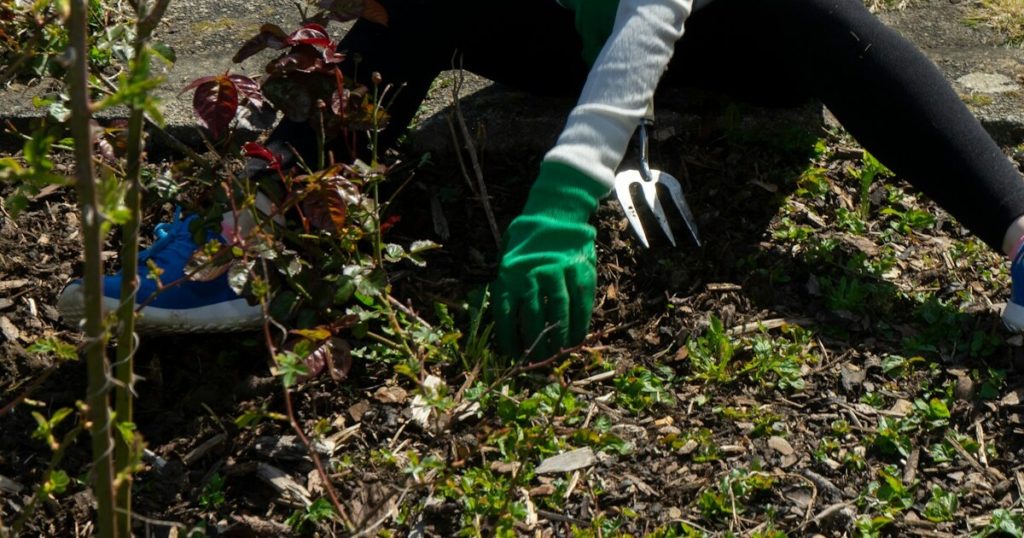
It’s such a bummer when aggressive plants choke out your seedlings! Spend time this late summer uprooting invasives like Canada thistle (Cirsium arvense) or multiflora rose (Rosa multiflora), both non-native but notorious for overrunning prairies. Pull young rosettes by hand or spot-treat with organic herbicides, taking care to avoid native species.
Clearing these competitors now gives your wildflower seeds a fighting chance. Plus, by removing woody shrubs, you allow more sunlight to reach the ground—a critical factor for sun-loving species like blanketflower (Gaillardia aristata), native to central North America. You’ll also sneakily carve nesting spaces for ground-nesting bees that love bare patches!
Mow or Brush-Harvest for Seedbed Preparation

A final cut of the meadow in late summer helps suppress perennial grasses and opens up the ground for sowing. Use a flail mower or brush hog set high to remove seed heads and reduce biomass, then rake or run a drag harrow across the surface to disturb the topsoil. This light scarification creates pockets where seeds can lodge, improving germination.
I’m always amazed at how volunteering earthworms and springtails spring into action after this disturbance, aerating the soil and breaking down plant residues. Their tunneling not only loosens the ground for roots but also creates microhabitats where tiny wildflower seedlings can establish safely!
Map Existing Native Patches
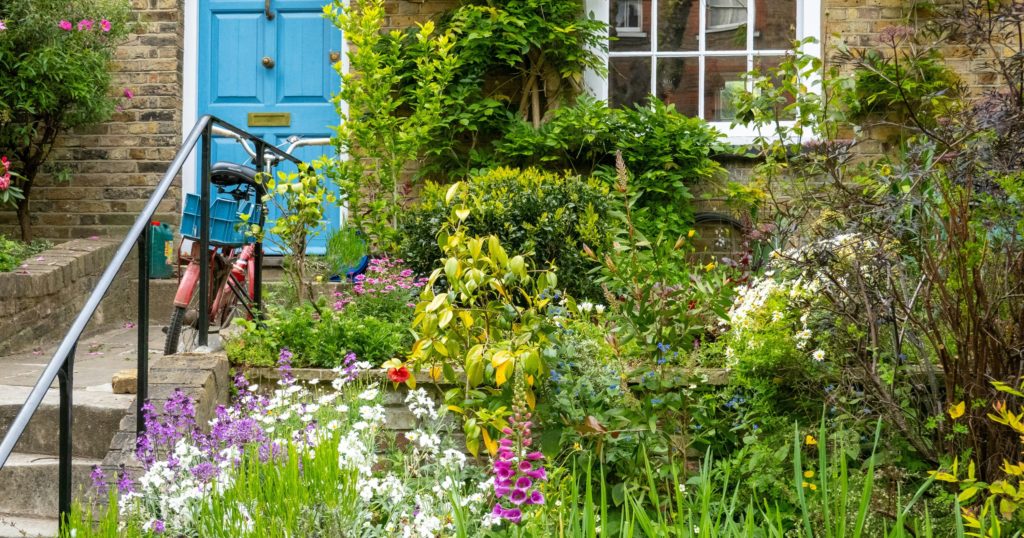
Before sowing new mixes, stroll your meadow with a notebook or GPS device and mark locations of existing native wildflowers—like compass plant (Silphium laciniatum), native to Midwestern prairies. These pockets are genetic gold, well-adapted to your local conditions. By mapping them, you avoid trampling or re-seeding over these survivors.
This exercise also reveals microclimates—lower damp hollows or sun-baked ridges—where different species shine. Noting these variations helps you tailor seed mixes to each niche, ensuring early spring bloomers like prairie smoke (Geum triflorum) and late-summer standouts such as butterfly weed (Asclepias tuberosa) each get their ideal spots!
Choose and Mix Native Seed Varieties

Next, select a diverse blend of native annuals, biennials, and perennials that suit your region’s climate and soil. A balanced mix might include black-eyed Susan (Rudbeckia hirta), native to central North America, and slender blazing star (Liatris cylindracea), native to eastern prairies. Aim for at least 20–30 species to stagger bloom times and attract a variety of pollinators.
When mixing seed, use a carrier like clean sand or cracked oat groats at a roughly 1:1 ratio by volume. This way, you can see your spread pattern clearly, avoiding clumps. I love how this method ensures even coverage—each handful of mix practically sows itself across the prepared bed!
Sow at the Right Time with Proper Technique
Timing matters: the ideal window is late fall after frost or early spring just before soil warms. For late-summer prep, plan to broadcast seed onto the surface now and let natural freeze–thaw cycles press seeds into the soil over winter. If you sprinkle in August, cover seeds lightly with a thin layer of compost or sand—no more than ¼ inch—to guard against wind and birds.
After sowing, pack the ground gently with a roller or by walking in straight lines. This firm contact helps small seeds like those of Virginia bluebells (Mertensia virginica), native to eastern North America, make direct soil contact necessary for germination come spring. It also deters pests from plucking seeds before they sprout!
Create Microhabitats with Logs and Stones

Wildflowers don’t grow in a vacuum—they thrive alongside insect and microbe communities. Lay a few fallen logs or stone piles in shaded corners to mimic natural debris. These structures become refuges for beneficial creatures: ground beetles and solitary wasps nest in crevices, while frogs and toads use moist hideaways under logs.
When these allies emerge next spring, they’ll patrol for slugs, cutworms, and other seedling threats. Plus, watching tadpoles turn into frogs in temporary pools formed around your log piles is one of my favorite garden spectacles!
Mulch Sparingly to Suppress Annuals

A light mulch of straw or chopped leaves can help smother annual weeds without smothering your wildflower seedlings. Spread a thin layer—no more than an inch—just enough to shade out opportunistic grasses. This strategy gives slower-germinating perennials like prairie violets (Viola pedatifida), native to North American prairies, room to catch up.
As the mulch breaks down, it feeds soil life and retains moisture through winter. Earthworms will gladly incorporate this organic matter, further enhancing soil structure for those delicate seeds waiting to burst to life!
Monitor and Adjust Next Season
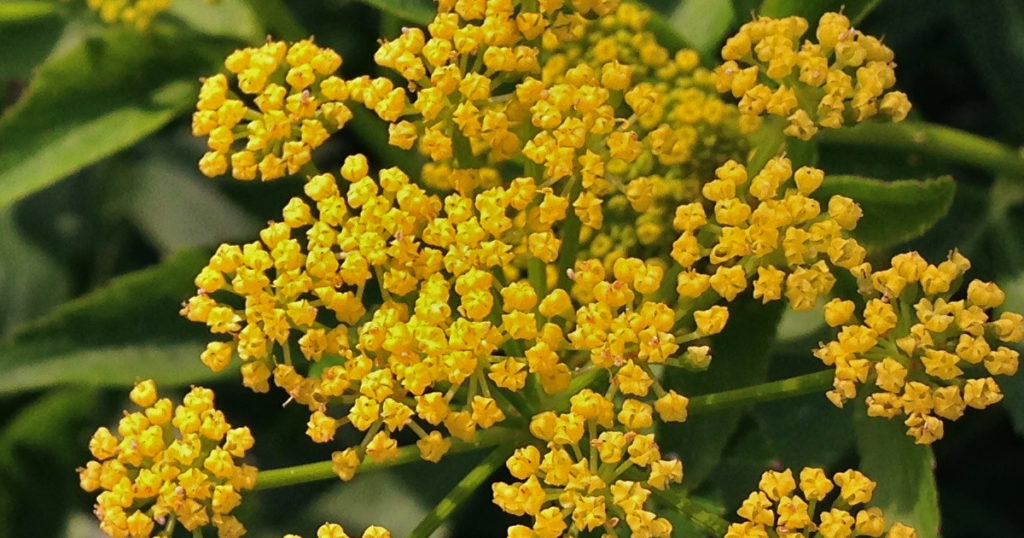
Finally, plan to monitor your meadow closely next spring. Keep a journal of where seedlings appear strongest and where gaps remain. If some species underperform, note them for reseeding in targeted spots. I find it rewarding to see volunteer clovers or golden alexanders (Zizia aurea) pop up—nature’s bonus extras!
By logging successes and hiccups, you refine your approach year after year. Your meadow evolves into a dynamic, self-sustaining habitat—bursting with wildflowers, humming with pollinators, and providing endless joy every time you step outside!