

Summer’s blazing sun can turn a garden into an oven, leaving tender leaves scorched, blossoms wilted, and even seasoned gardeners scrambling for relief. I know how heartbreaking it is to watch prized plants struggle under relentless heat—especially when you’ve nurtured them all season! With climate patterns shifting, heatwaves are becoming more frequent, so it’s crucial to arm your garden with defenses that keep it thriving when temperatures soar.
In this article, I’m excited to share nine strategies—randomized for variety—that have saved my own veggie beds, flower borders, and container plantings from heat stress. Each tip not only helps your plants stay cool but also supports beneficial wildlife—like bees, butterflies, and ground-nesting insects—so your garden remains a buzzing oasis even on the hottest days. Let’s dive in and keep those green spaces lush and lively!
Move Containers to Cooler Spots

When potted plants bake in midday sun, their roots overheat quickly. Moving containers to shaded areas—under trees, porches, or even the north side of your house—can drop soil temperatures by 10–15°F! I once rescued my begonias by shifting them beneath a tall oak; within hours, their drooping leaves revived with renewed vigor.
This simple relocation also creates new microhabitats for beneficial insects. I’ve seen mason bees nesting in the cool crevices of shaded pots, while ladybugs forage on aphids that hide in the cooler leaf axils. By giving pots a backstage pass to shade, you’re supporting both plant health and wildlife shelter!
Install Shade Cloth

Shade cloth is like sunscreen for your garden—draped over hoops or frames, it cuts incoming light by 30–70%, depending on density. I learned this trick when my peppers were wilting in a week-long heatwave; after installing a 50% shade sail, their leaves perked up, and blooms went on to set fruit!
Under the cooler canopy created by shade cloth, soil moisture lasts longer, benefiting ground-nesting pollinators like sweat bees that dig their burrows in undisturbed soil. The dappled light also mimics forest-edge conditions that many perennials and vegetables evolved with, reducing stress and encouraging continued growth!
Use Reflective Mulches

Light-colored mulches—such as coarse white sand, crushed gravel, or reflective landscape fabric—bounce sunlight away from the soil surface, keeping root zones up to 10°F cooler. I sprinkled pea gravel around my tomato plants one summer and was amazed at how much longer I could go between waterings without wilting!
Reflective mulches double as pest deterrents: the bright surface disorients aphids and leafhoppers, reducing their numbers. Beneficial hoverflies and predatory wasps, drawn by the cooler microclimate, still patrol the reflective beds, helping to keep pest populations balanced.
Group Plants by Microclimate
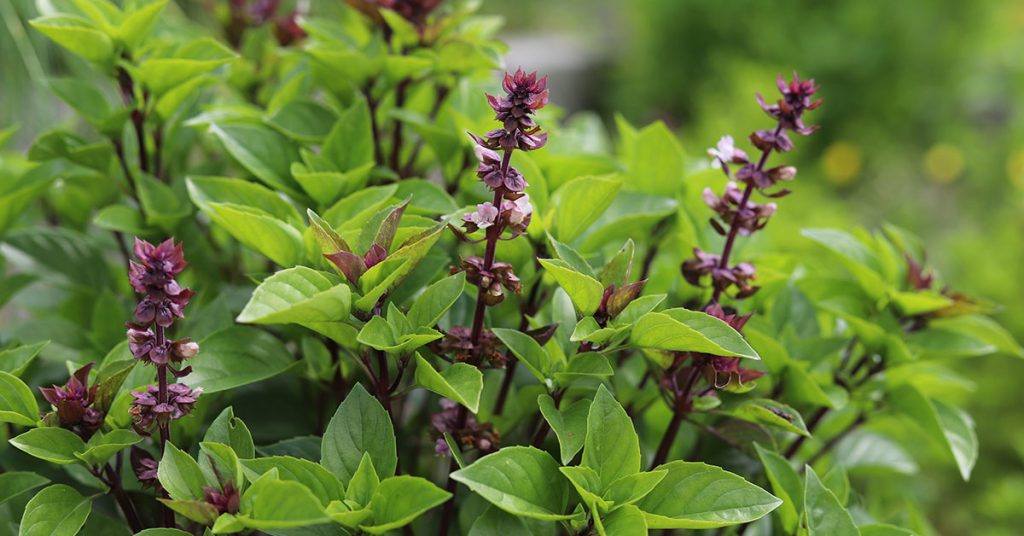
Not all areas in your garden bake equally—south-facing beds scorch, while north-side borders stay cooler. Grouping heat-sensitive plants (like lettuce and basil) in naturally cooler microclimates, and sun-lovers (like eggplants and agastache) in hotter spots, maximizes each plant’s comfort! I reconfigured my veggie patch this way and saw a dramatic drop in heat-related wilting.
This strategic layout also fosters localized wildlife hubs. Cool, moist corners under shrubs attract ground beetles and springtails that help decompose mulch, while sunny pockets invite pollinators like bumblebees to seek nectar from heat-tolerant blooms—creating a dynamic, balanced ecosystem across your garden.
Apply a Thick Mulch Layer
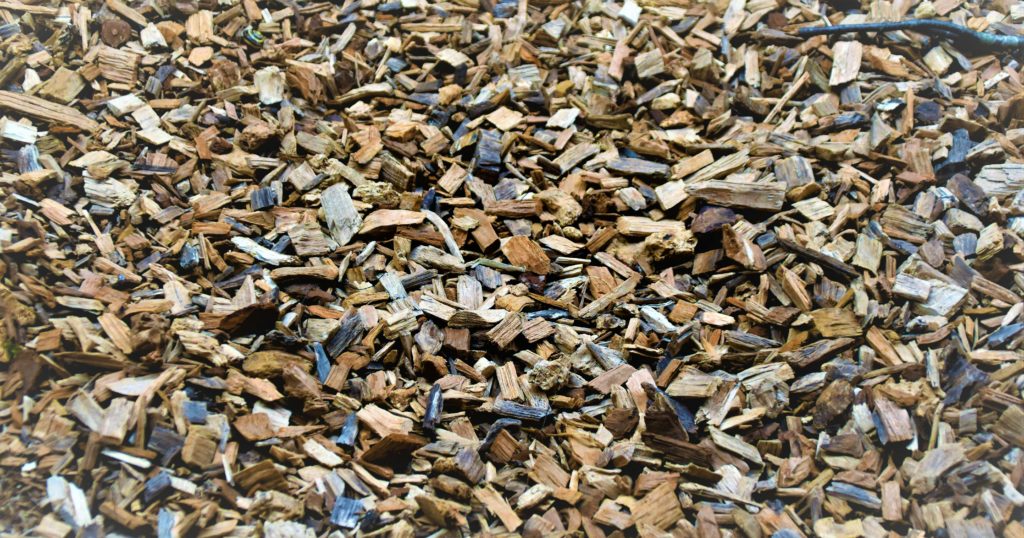
A generous 3–4 inch layer of organic mulch—straw, shredded leaves, or wood chips—acts like an insulating blanket, keeping soil temperatures stable and reducing evaporation. I mulch around my squash vines every June, and those beds stay moist and cool through the hottest afternoons!
As the mulch breaks down, it enriches the soil and invites earthworms and soil-dwelling beneficial nematodes, which aerate the ground and suppress harmful pests. This living mulch not only shields roots but also fosters a healthy soil community that supports plant vigor even in extreme heat.
Use Anti-Transpirant Sprays

Anti-transpirants form a thin film on leaf surfaces, reducing water loss through stomata. Spraying a light coating on heat-sensitive foliage before a predicted heatwave can cut transpiration by up to 30%. I’ve used these sprays on succulents and ferns with great success—their leaves stayed plump and green while surrounding plants wilted!
Be sure to choose formulations safe for food crops if you’re treating edibles. Reduced water stress also means fewer nectar-free days, so bees and butterflies can continue foraging without dehydrating in search of moisture!
Plant Drought-Tolerant Companions
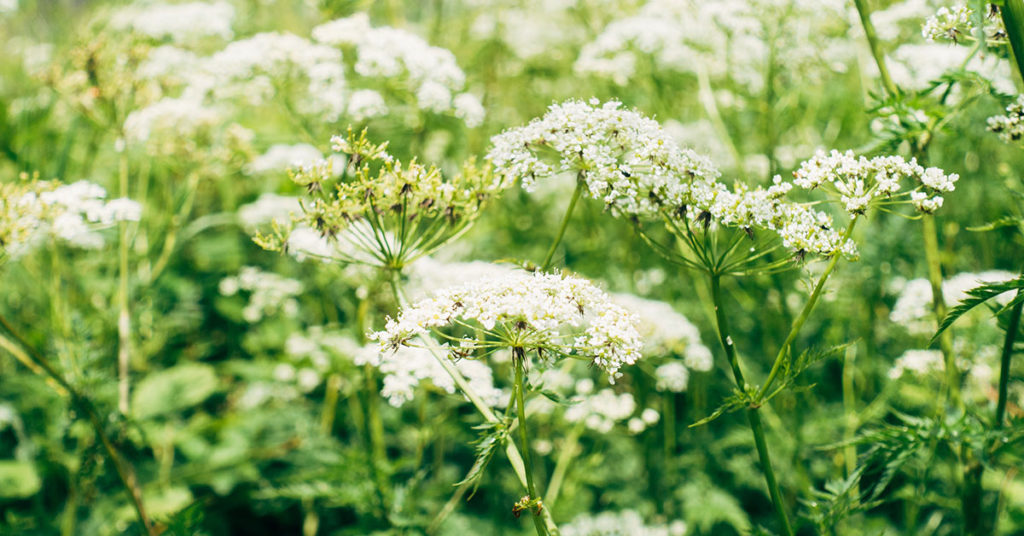
Interplanting thirsty varieties with drought-hardy companions—like yarrow (Achillea), lavender (Lavandula), or sedum—creates micro-shade and shared moisture retention. I mixed bee balm with my tomatoes last summer, and the minty canopy cooled the soil while supporting hummingbirds and native bees with extra nectar!
These companions also occupy different root depths, reducing competition. Deep-rooted yarrow draws moisture from lower soil layers, while tomatoes sip near the surface—this layered approach mirrors natural plant communities in dry habitats, boosting resilience to heat stress.
Create Windbreaks
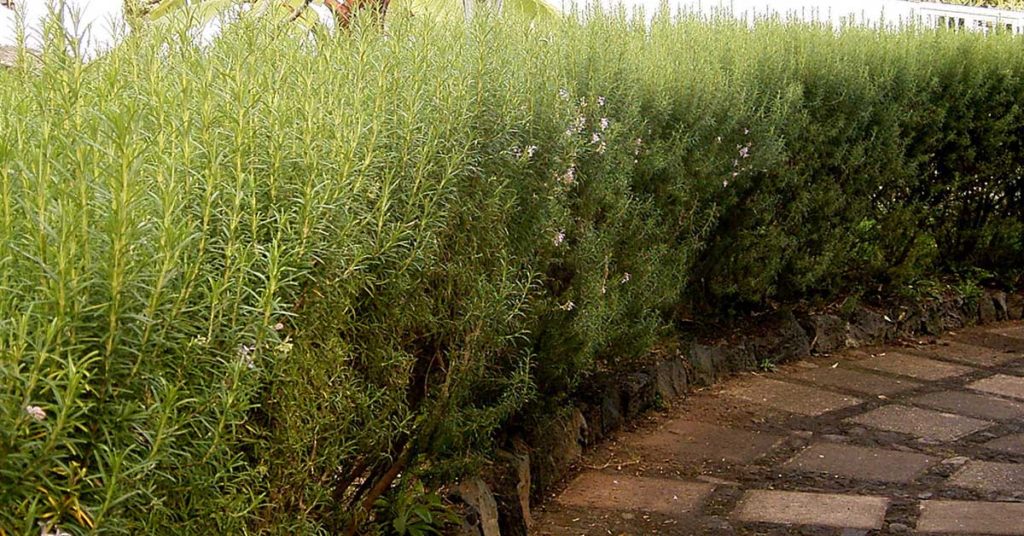
Hot, drying winds can exacerbate heat stress and sap moisture. Installing temporary windbreaks—lattice panels draped with burlap or rows of fast-growing sunflowers—calms airflow and reduces evaporation. I erected a burlap screen along my western fence and noticed my peppers and eggplants stayed turgid through the afternoon gusts!
Calmer air also helps pollinators like butterflies and hoverflies land safely on flowers. A sheltered bloom is a welcome landing pad, encouraging pollination even when breezes would otherwise scatter pollen and nectar seekers.
Adjust Watering Schedule
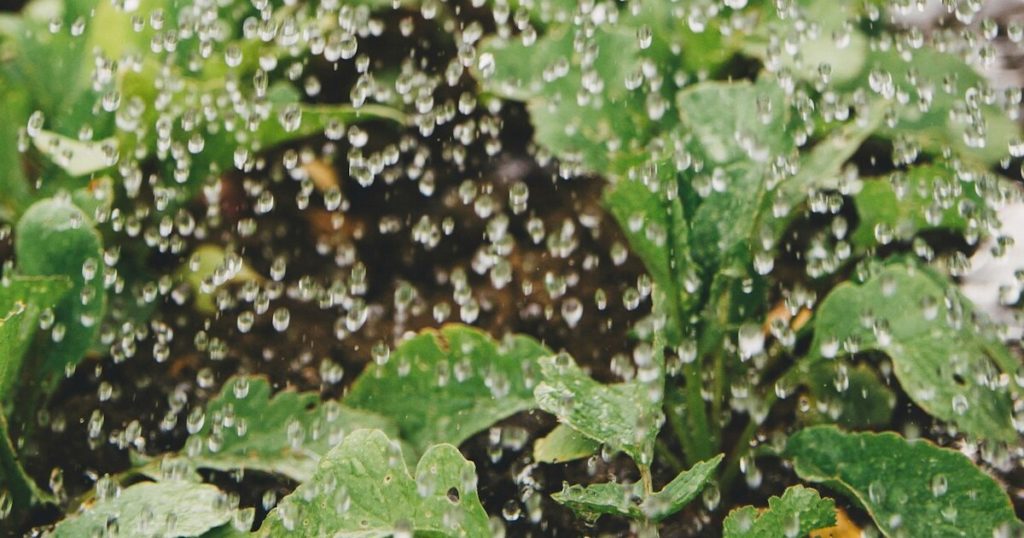
Watering at the right time—early morning or late evening—ensures plants absorb moisture before evaporation peaks. I switched from midday sprinkling to dawn watering and cut my irrigation needs by nearly half, with plants sipping water when they needed it most!
Deep, infrequent watering encourages roots to grow downward, accessing cooler, moister soil layers. This deep-root system also provides nesting chambers for ground-nesting bees and predatory beetles, which emerge to feast on surface pests without drying out in the midday sun.