

When fall arrives, it’s easy to focus on outdoor plants and forget about your indoor greenery. But your pothos—whether it’s the golden, marble queen, or satin variety—needs a little seasonal attention to stay lush and vigorous as the days get shorter. These tropical beauties, native to the Solomon Islands in the South Pacific, are hardy houseplants that can adapt to many conditions, but they do have seasonal needs. Cooler weather and lower light levels can slow their growth, and if you don’t adjust care accordingly, you might notice yellowing leaves or leggy vines.
I’ve had pothos in my home for years, and every fall, I notice the shift in their energy. They start conserving resources, and without some adjustments, they can lose that vibrant, jungle-like look. The good news? Pothos aren’t invasive in most indoor environments (though outdoors in warm, frost-free climates they can become aggressive climbers), and with a few tweaks to your care routine, you can keep them thriving until spring returns. Let’s dive into the best ways to keep them looking like the statement plants they’re meant to be!
Adjust Watering for Cooler Temperatures

As temperatures drop and indoor heating begins, pothos plants don’t drink as quickly as they do in the summer. Overwatering in fall is a common mistake, and it can lead to root rot, which is far harder to fix than a slightly thirsty plant. Instead of sticking to a rigid watering schedule, check the soil with your finger—only water when the top inch feels dry.
Because pothos are native to tropical regions, they’re used to consistent but moderate moisture. In fall, the cooler environment and reduced light slow evaporation, so watering less frequently helps mimic their natural seasonal rhythm. This also prevents fungus gnats, which are often attracted to overly damp soil in cooler months.
Maximize Available Light

With shorter days, your pothos will get less sunlight, and in their native habitat, they’d be growing under bright, filtered jungle light year-round. In fall, move them closer to windows that get bright but indirect sun—east- or south-facing spots often work best. If natural light is limited, consider supplementing with a grow light to keep the leaves vibrant and encourage steady growth.
A pothos starved of light will start producing smaller leaves and longer gaps between them, giving it a sparse appearance. By boosting light exposure now, you help maintain that full, cascading look. This is especially important for variegated varieties, which can lose their distinct leaf patterns if they don’t get enough light.
Trim and Prune for Bushier Growth
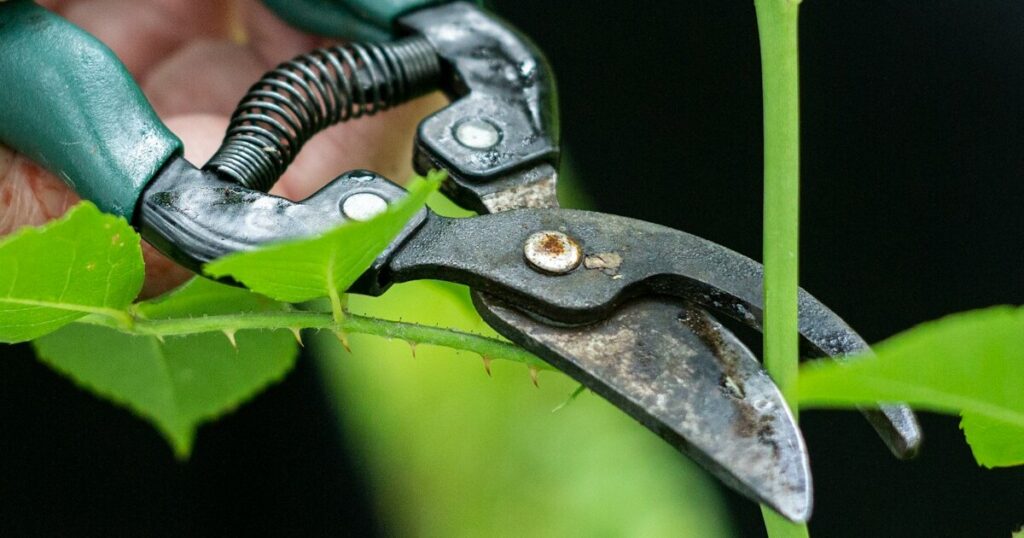
Fall is a great time to give your pothos a light haircut. Trimming leggy vines encourages new shoots to grow from the base, keeping your plant lush. Use clean, sharp scissors to snip just above a node (where the leaf meets the stem), and you can even propagate these cuttings for more plants or to share with friends.
In their native environment, pothos would scramble up tree trunks, producing large leaves as they climb. Indoors, pruning helps mimic the natural renewal process that would happen when vines are damaged or shaded out in the wild. Plus, removing any yellow or damaged leaves lets the plant direct energy toward healthy, new growth.
Clean the Leaves
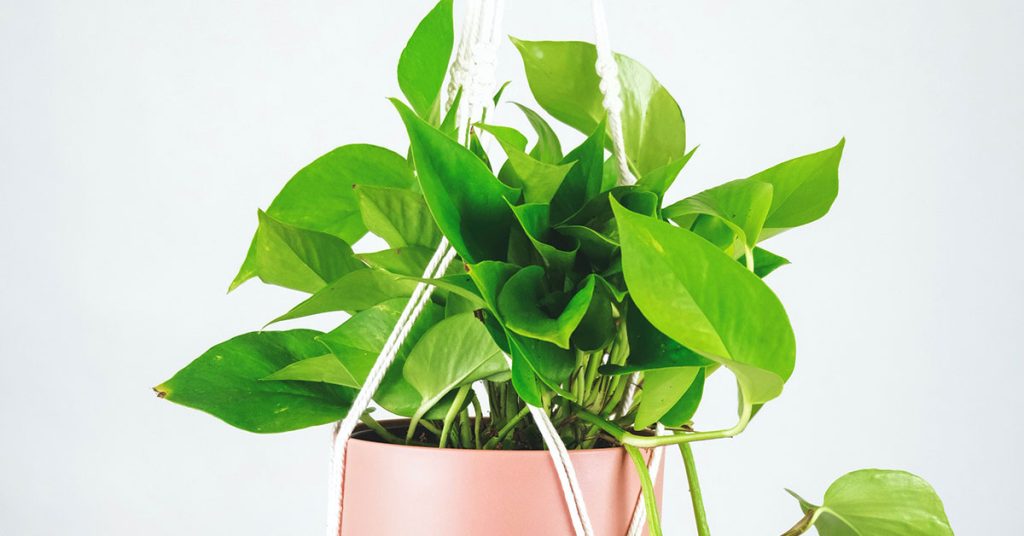
Dust can accumulate quickly on pothos leaves in the fall, especially once heating systems kick in and stir up particles. This layer of dust doesn’t just dull their shine—it also blocks light, making photosynthesis less efficient. Gently wiping leaves with a damp cloth or giving them a light shower in the sink keeps them healthy and looking fresh.
Clean leaves also discourage pests like spider mites, which sometimes appear when the air gets dry indoors. In their tropical homeland, rain would naturally rinse their leaves clean. By simulating that in your home, you’re giving your plant a more natural, healthy environment.
Check for Pests Regularly

Even though pothos are fairly resilient, the dry indoor air in fall can invite pests like spider mites and mealybugs. These pests often arrive unnoticed, and by the time you see leaf damage, they’ve already settled in. Inspect the undersides of leaves and along the stems every couple of weeks to catch issues early.
Pothos in the wild are tough climbers that can shrug off some leaf damage, but indoors, they rely entirely on you to protect them. Keeping a close eye now means you can treat problems quickly with insecticidal soap or neem oil before they spread to your other plants.
Rotate for Even Growth
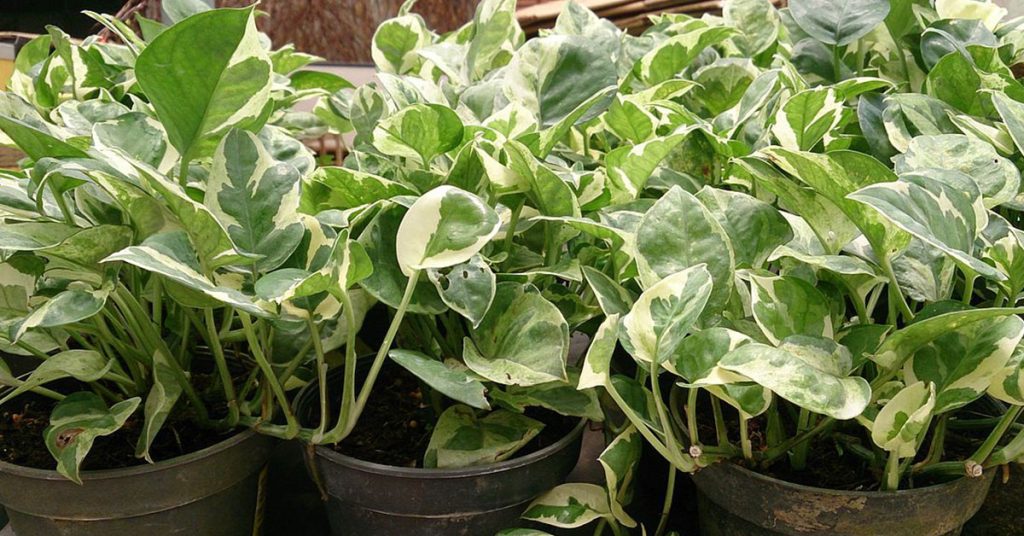
With the lower light of fall, plants will lean more toward their light source. Rotating your pothos every week or two ensures even exposure and balanced growth. Otherwise, you might end up with a lopsided plant that looks full on one side and sparse on the other.
This mimics how they’d receive light from different angles in their natural climbing habitats, where shifting shadows and sun patterns prevent one-sided growth. A simple quarter turn every now and then keeps your pothos symmetrical and attractive all season long.
Maintain Humidity Levels

Indoor heating can dry out the air, and while pothos aren’t as finicky as some tropical plants, they do appreciate a bit of extra humidity. In their native habitat, they’d be surrounded by consistently moist air. In fall, using a small humidifier nearby, grouping plants together, or placing the pot on a pebble tray with water can help replicate those conditions.
Boosting humidity keeps leaves from browning at the edges and encourages steady growth. You’ll notice your pothos stays perkier and more vibrant when the air isn’t too dry, especially if you have variegated types that are more sensitive to environmental changes.
Fertilize Lightly
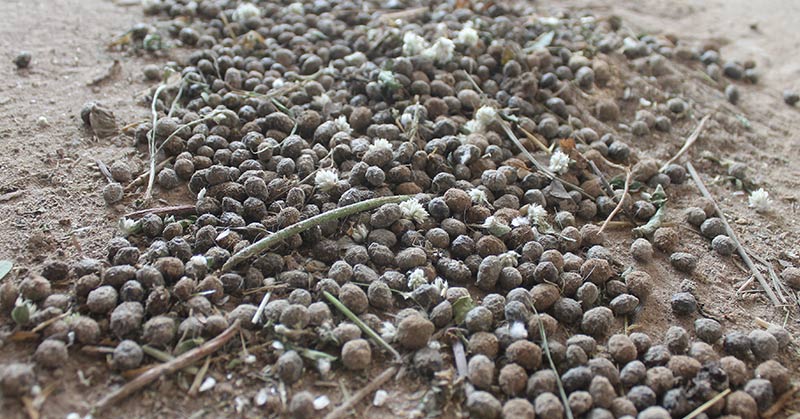
By fall, your pothos is slowing down its growth, so heavy feeding isn’t necessary. However, a diluted, balanced liquid fertilizer once a month can give it enough nutrients to stay healthy through the season. Over-fertilizing now can lead to salt build-up in the soil, which can damage roots.
In their natural environment, nutrients would come in smaller, more consistent doses from decaying organic matter. Mimicking this light feeding approach keeps your pothos steady without pushing it into excessive, weak growth that’s harder to maintain during the darker months.
Refresh the Soil Surface
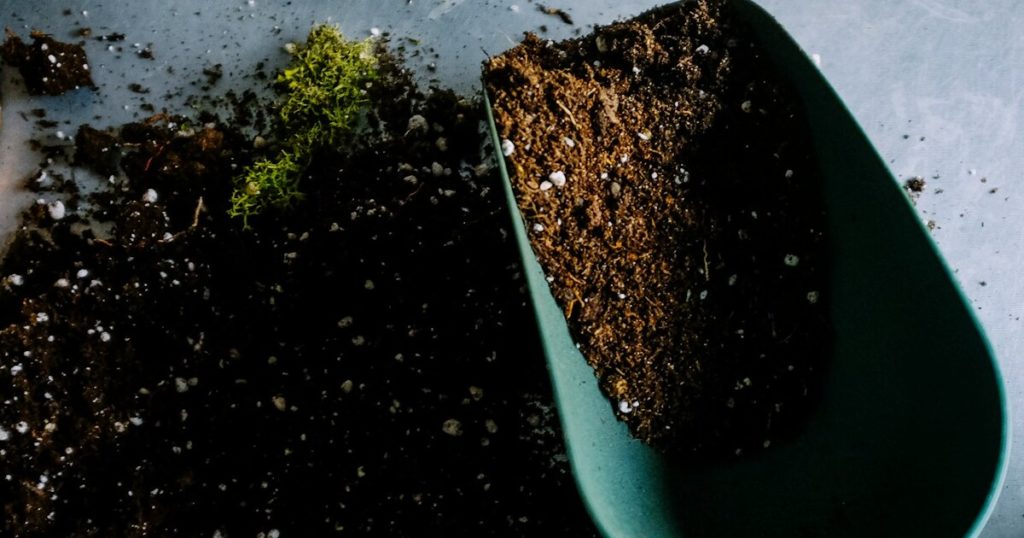
If your pothos has been in the same pot for a while, the top layer of soil can become compacted or depleted. In fall, gently remove the top inch of soil and replace it with fresh, well-draining potting mix. This improves aeration and adds a small boost of nutrients without the stress of a full repot during the slower growth period.
This also allows you to inspect for any early signs of root issues or pest eggs hiding in the soil. In the wild, leaf litter and organic debris would naturally refresh the soil around a pothos vine. Indoors, we have to give them that same renewal to keep them thriving through the seasons.