
There’s nothing quite as gratifying as harvesting a mountain of sweet potatoes from your own garden—and the best part is, with a few savvy techniques, you can keep that bounty coming year after year! As a gardener who’s watched those vibrant orange roots multiply in raised beds and containers, I know how empowering it feels to offer sweet potatoes not just for one season, but for countless meals to come. Whether you’re craving sweet potato fries in November or planning homemade pies in January, the right methods ensure you’ll never run out!
In this guide, I’m thrilled to share nine proven ways to cultivate an endless supply of sweet potatoes. We’ll dive into selection of disease‑resistant slips, advanced planting strategies, soil optimization, pest management, and clever regeneration techniques. Each tip includes practical steps, notes on the vine’s tropical American origins, potential invasiveness in warm climates, and the wildlife interactions—like bees pollinating morning blooms or ground beetles sheltering under the heart-shaped leaves—that turn a mere patch into a thriving ecosystem.
Practice Vine Tip Cuttings
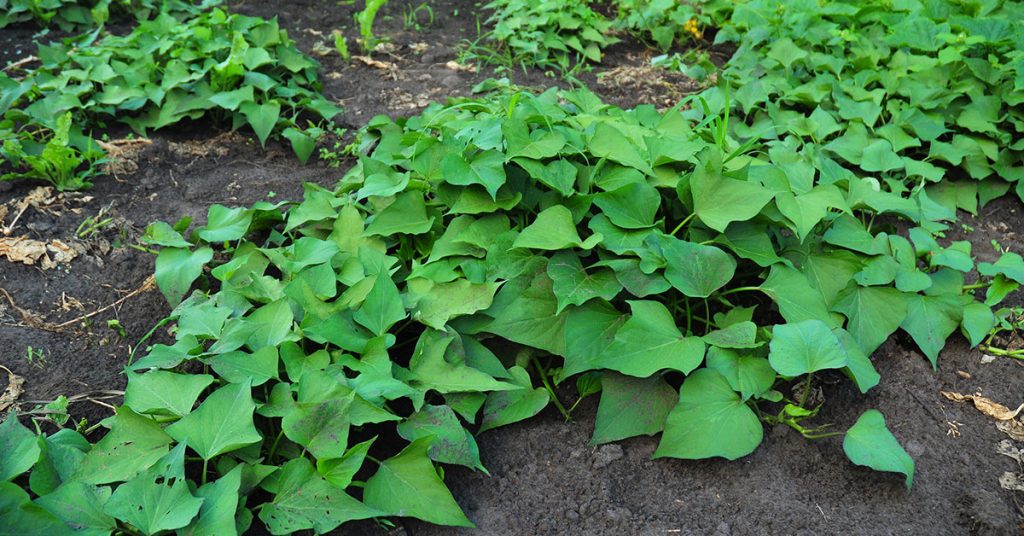
One of my favorite tricks for perpetual sweet potato production is vine tip cuttings. Simply snip 4–6 inches of healthy vine, remove the lower leaves, and set the cutting in a jar of water or directly into moist potting mix. Within a week, you’ll see roots emerging—and once they’re an inch or two long, transplant them back into the garden or containers. This method not only multiplies your plants quickly but also perpetuates the exact variety you love, so you’re never left searching for slips!
Sweet potatoes (Ipomoea batatas) are native to Central and South America and generally non‑invasive in temperate gardens, yet their vigorous vines can spread in tropical zones if left to ramble unchecked. Watch for pollinators—hummingbird moths and solitary bees often visit the small, pale flowers—and you might even spot ground‑nesting beneficial insects like carabid beetles taking refuge beneath dense foliage. By regenerating from vine tips, you maintain a controlled patch while keeping that endless supply humming along!
Harvest and Replant Your Best Tubers
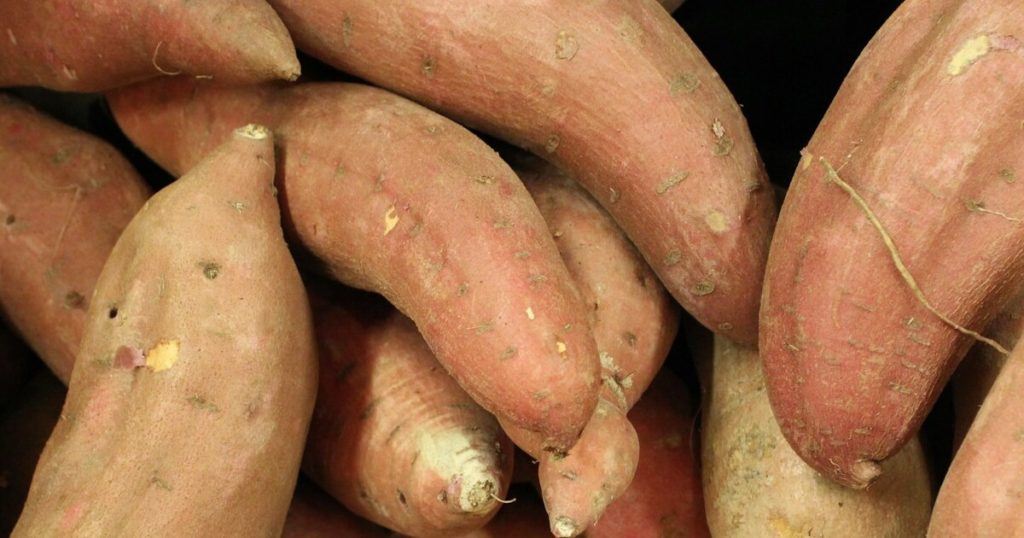
When you dig for sweet potatoes each fall, set aside your largest, blemish‑free tubers for replanting next spring. Store them in a cool, dark pantry for a few weeks to cure, then slip them directly into your planting area. Not only does this save you from buying new slips, but selecting the most vigorous tubers ensures each generation grows stronger and more productive than the last—a self‑sustaining cycle that keeps on giving!
Ipomoea batatas isn’t typically invasive outside its native tropical Americas, though volunteers may sprout near parent plants in warm microclimates. Those spontaneous sprouts can be coaxed into new slips, extending your supply further. Plus, the winding vines create sheltered spots for beneficial wildlife: watch crimson and gold ladybugs patrol the leaves for aphids, and marvel as bumblebees tuck into the tiny morning blossoms. Replanting your best tubers means more roots, more vines, and more wildlife‑friendly cover!
Optimize Soil with Organic Matter
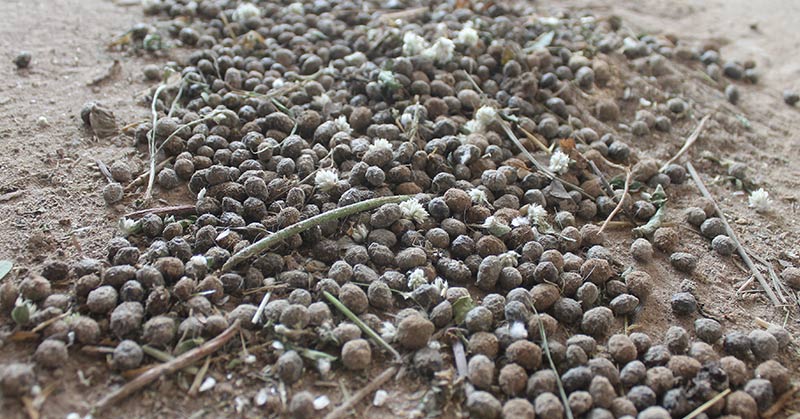
Sweet potatoes thrive in loose, rich soil, so amending your beds with plenty of compost and well‑rotted manure is essential. Work a generous two to three inches of organic matter into the top eight inches of soil before planting your slips. This not only boosts fertility but also improves drainage—vital for preventing rot in these moisture‑sensitive tubers.
Although sweet potatoes hail from the tropical Americas, they aren’t regarded as invasive in most home garden soils. A well‑amended bed mimics their native, loamy habitats while discouraging weeds that compete for nutrients. As a bonus, the crumbly texture provides prime real estate for ground‑nesting bees and earthworms, enriching the ecosystem and improving soil structure with every wriggle and burrow!
Encourage Beneficial Insects to Control Pests
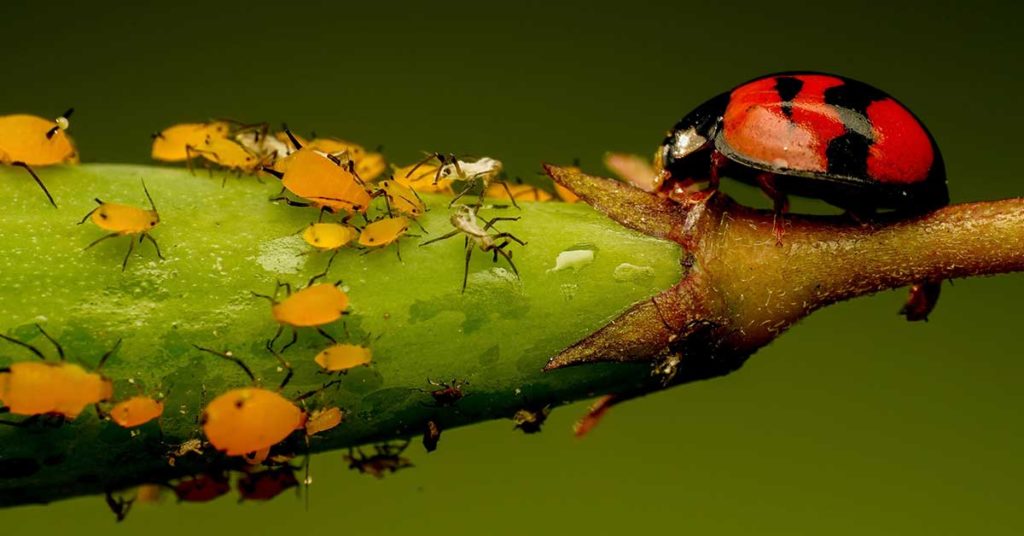
It’s such a bummer when pests threaten your precious vines, but you can tip the balance by welcoming beneficial insects. Planting companion flowers like calendula or alyssum near your sweet potatoes lures hoverflies, lacewings, and ladybugs to dine on aphids and spider mites. Plus, the soft mulch of fallen petals serves as safe nesting material for ground‑dwelling solitary bees.
Ipomoea batatas is native to Central and South America and rarely becomes invasive, yet its generous canopy can hide sooty mold or vine borers if left unchecked. By creating insect‑friendly corridors, you harness nature’s pest control without resorting to chemicals. Watch as syrphid larvae patrol the leaves and parasitic wasps slip beneath vines to parasitize caterpillars—nature’s own gardening helpers at work in your patch!
Use the Trench Method for Bulking

For maximum tuber yield, try the trench planting method. Dig trenches about six inches deep and lay vines horizontally, covering them with two inches of soil. As shoots emerge, hill soil around the stems several times during the growing season. This “earthing up” encourages the development of numerous side tubers, giving you a true mountain of sweet potatoes rather than a few oversized roots.
While sweet potatoes aren’t invasive outside their native tropical zones, their vines can sprawl—trenches help manage that growth neatly. The covered sections also provide cool, moist habitat for ground beetles and centipedes that feed on soil pests. And when you finally uncover those rows, you’ll uncover dozens of delicious tubers—proof that careful technique yields endless rewards!
Implement Succession Planting
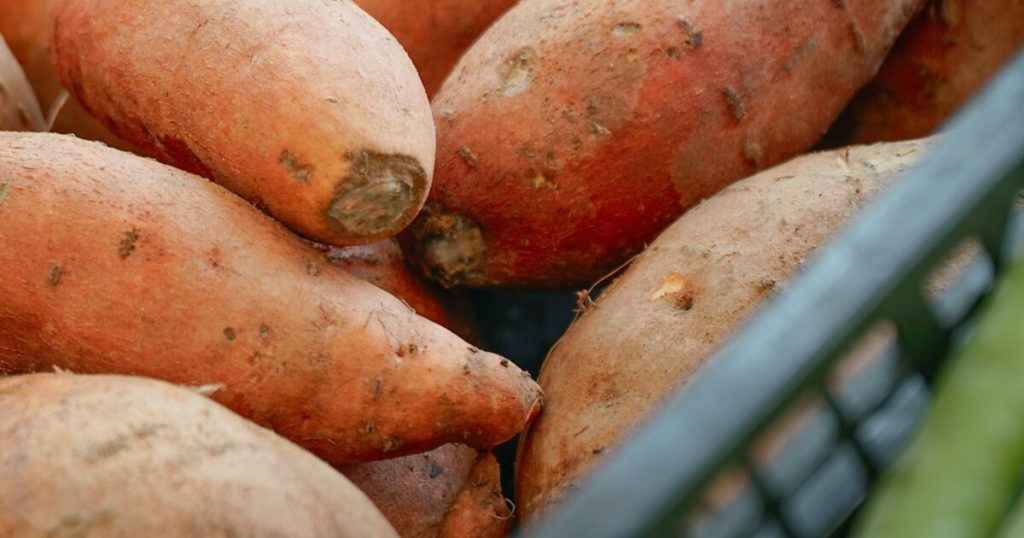
Don’t stop at one planting! In warm regions, you can sow multiple batches of slips spaced four to six weeks apart. Early plantings offer an early harvest, while later ones extend your supply into autumn. I always get a thrill from watching the newest vines unfurl just as the first harvest is coming in—like clockwork, the cycle continues!
Ipomoea batatas derives from tropical Americas and seldom invades cooler climates, so successive plantings usually stay contained. Just keep an eye on volunteer sprouts from leftover tubers and pinch them back if they threaten crowded beds. The fresh vines also serve as next‑season slips, and the patch remains a buzzing habitat—bees, wasps, and beetles gallivanting among the lush foliage until frost finally sets in!
Start with Disease‑Resistant Slips
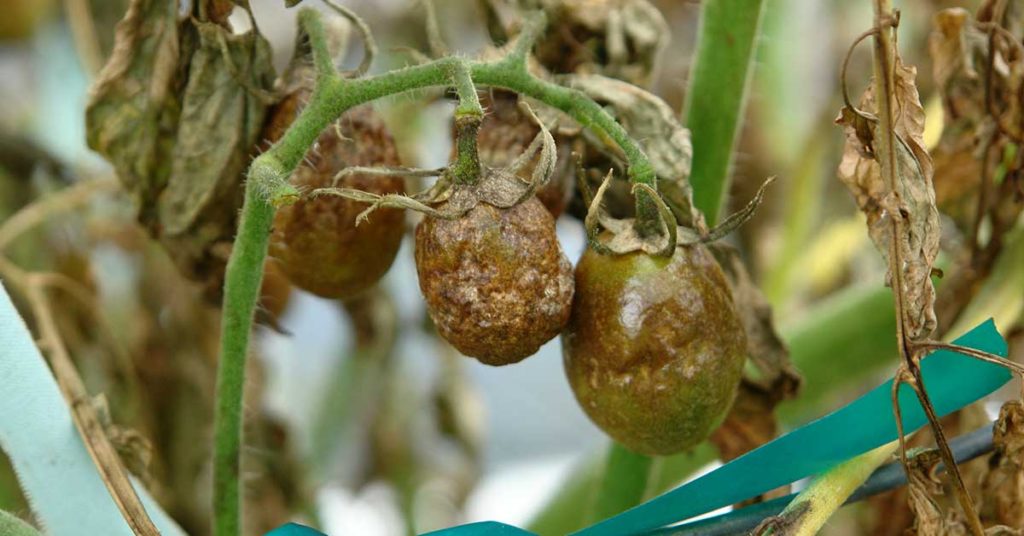
Investing in certified disease‑free or virus‑resistant sweet potato slips can save you endless headaches later. These sturdy young plants stand up better to root rot, weevil infestations, and various fungal threats common in humid, warm soils. One of my favorite discoveries was switching to a nematode‑resistant variety—instant boost in yield and vigor!
Native to Central and South America, sweet potatoes crave warm, well‑drained soil—but pathogens proliferate in soggy beds. Disease‑resistant slips give you a head start, ensuring your endless supply doesn’t fizzle out prematurely. Plus, healthy vines produce more flowers, attracting pollen‑hungry bees and butterfly visitors like painted ladies—turning your garden into both a food source and a pollinator haven!
Cure and Store Tubers for Next Season
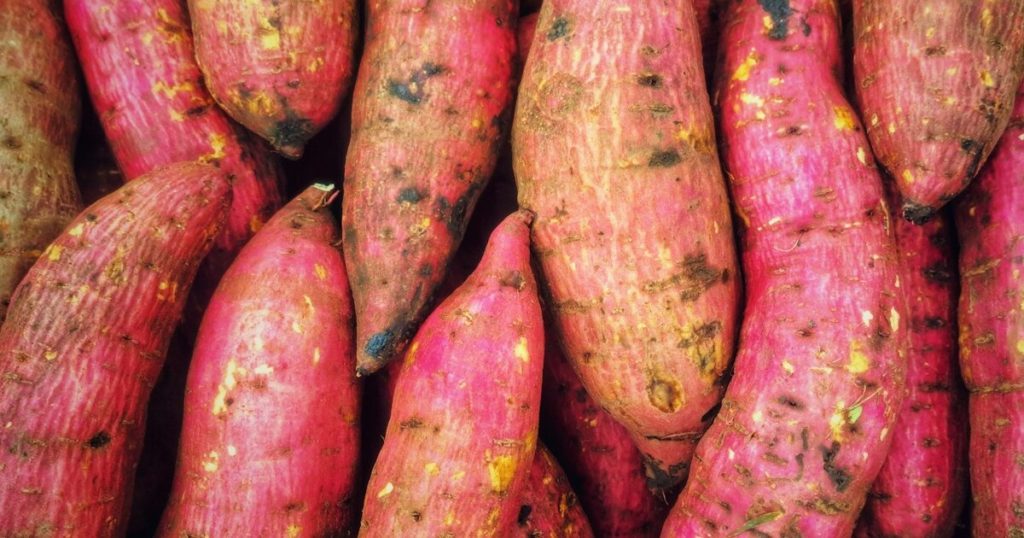
After harvest, curing is crucial: keep freshly dug sweet potatoes at 80–85°F with high humidity for two weeks. This process heals surface scrapes, turns starch to sugar, and toughens the skin—extending storage life for months. Once cured, store them at 55–60°F in a dark, well‑ventilated spot, and you’ll have slip‑ready tubers whenever planting season approaches!
Though sweet potatoes come from tropical Americas and don’t usually become invasive, neatly stored tubers mean fewer forgotten roots sprouting in the pantry! Cured tubers also maintain sweet flavor and nutrition, making mealtime all the more rewarding. And when you finally slice one to produce slips, you’ll find a robust source of roots and shoots—truly an endless cycle of growth!
Cultivate in Containers or Raised Beds
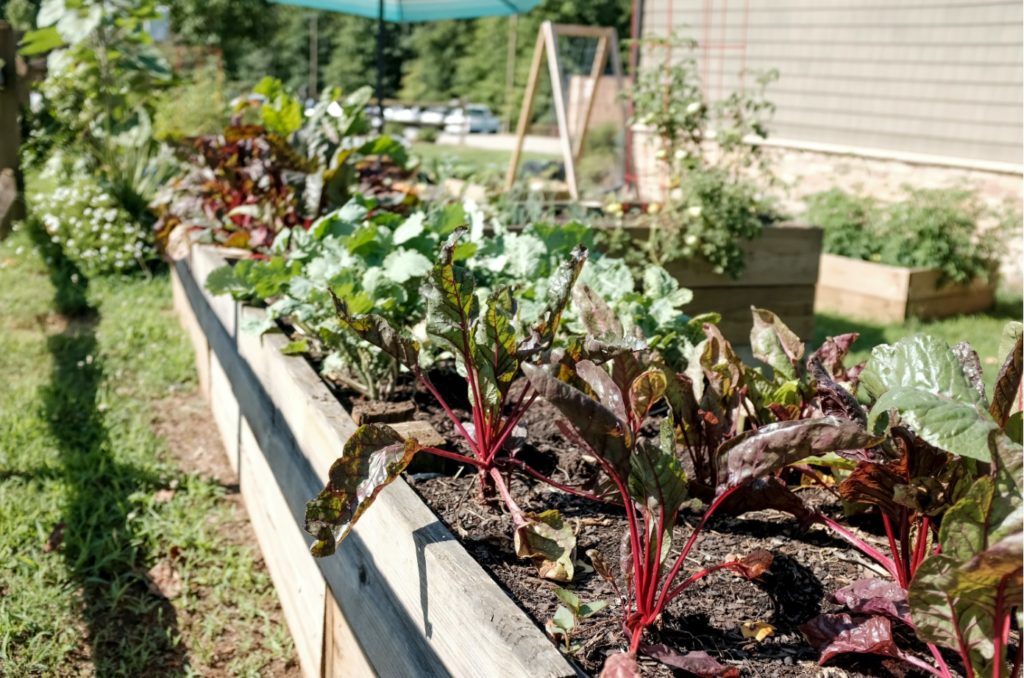
If garden space is limited or soil conditions are poor, containers or raised beds offer a controlled environment for sweet potatoes. Choose a deep container—at least 18 inches tall—and fill it with light, well‑draining mix enriched with compost. As vines trail over the edges, their decorative appeal is a bonus in patios and balconies!
Ipomoea batatas originates from the tropical Americas but container cultivation curbs its natural tendency to sprawl. You’ll still witness pollinator visits—morning glory–like flowers attract bees and hummingbird moths—but the roots stay contained, preventing unwanted volunteers. Plus, containers warm up faster in spring, letting you start earlier and prolong that sweet‑potato‑planting enthusiasm!