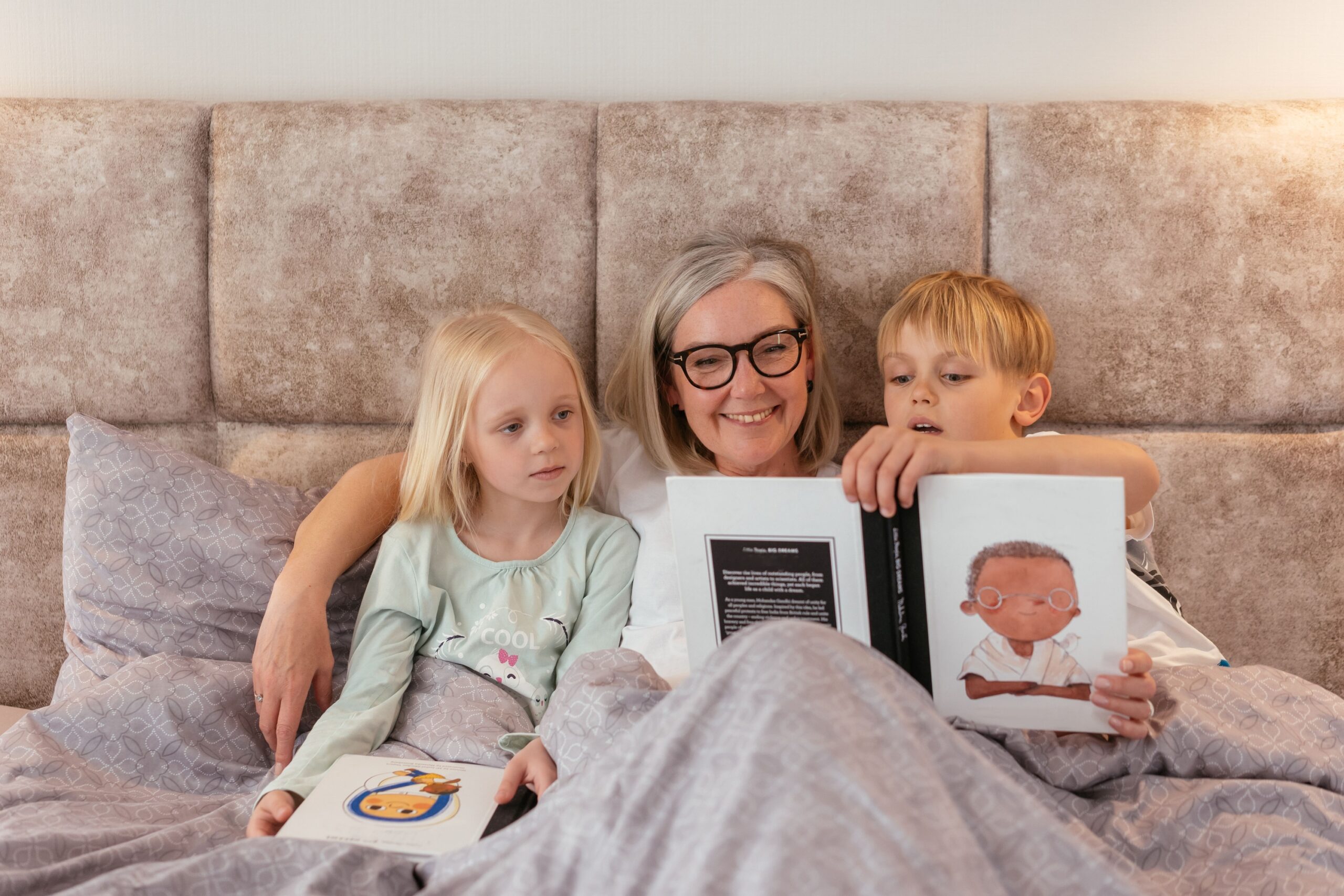

There’s something quietly powerful about a family that regularly gathers, cooks, plays, or simply sits together without a particular reason. These aren’t grand gestures. They’re small, repeated rituals that, over time, shape who children become and how families hold together.
Many of these traditions have faded not because they stopped working, but because modern life keeps accelerating. Screens multiply, schedules fragment, and the old rhythms get pushed aside. Yet the research pointing back toward these practices keeps growing. In 2026, there’s a compelling case for looking backward to find what actually helps.
1. The Nightly Family Dinner
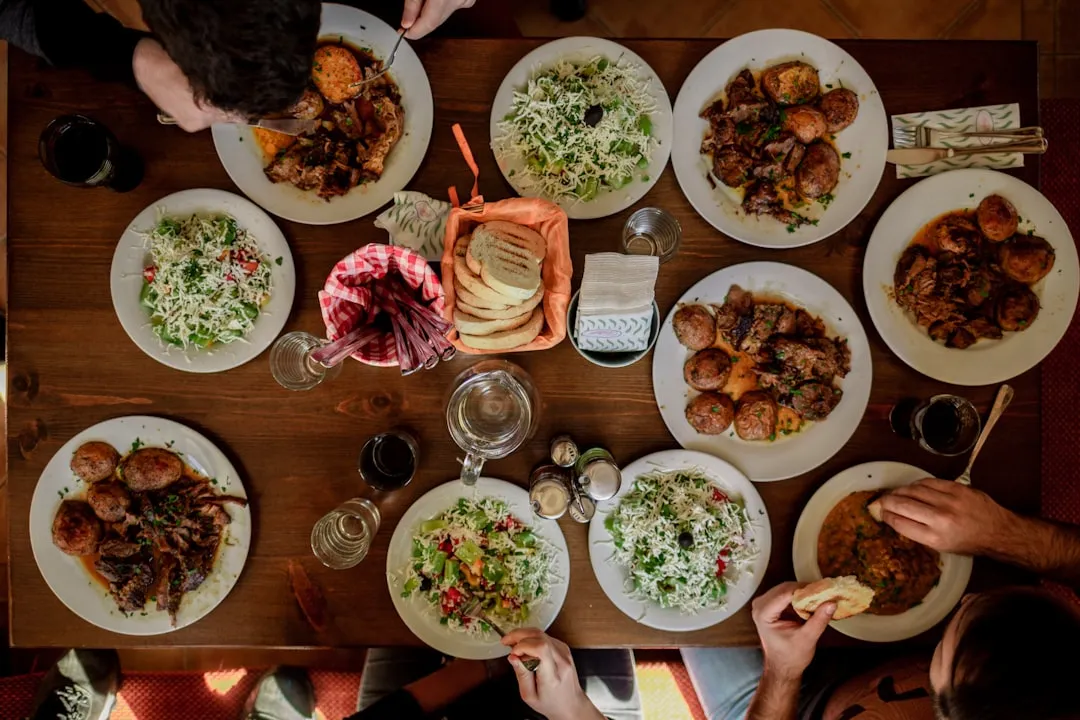
More than 35 years of research and thousands of studies from around the world document that family meals boost both physical and mental health, no matter how loosely you define “family.” That’s not a minor finding. It’s one of the most consistently replicated conclusions in family science.
Scholars at the Institute for Family Studies concluded that family dinners offer a valuable chance for family members to share the day’s highs and lows, discuss personal issues, current events, and big questions. Regular family meals are also associated with better mental health outcomes, including increased self-esteem and reduced levels of depression, anxiety, stress, self-harm, and suicidal thoughts.
Despite all of this, the habit remains surprisingly rare. Only about 30% of families manage to eat together regularly, according to the Family Dinner Project. The gap between what the evidence supports and what families actually do is wide. Still, more than 80% of Americans surveyed in 2024 reported consuming the same or more family meals than the year before, which suggests the desire is there.
2. Reading Aloud Together
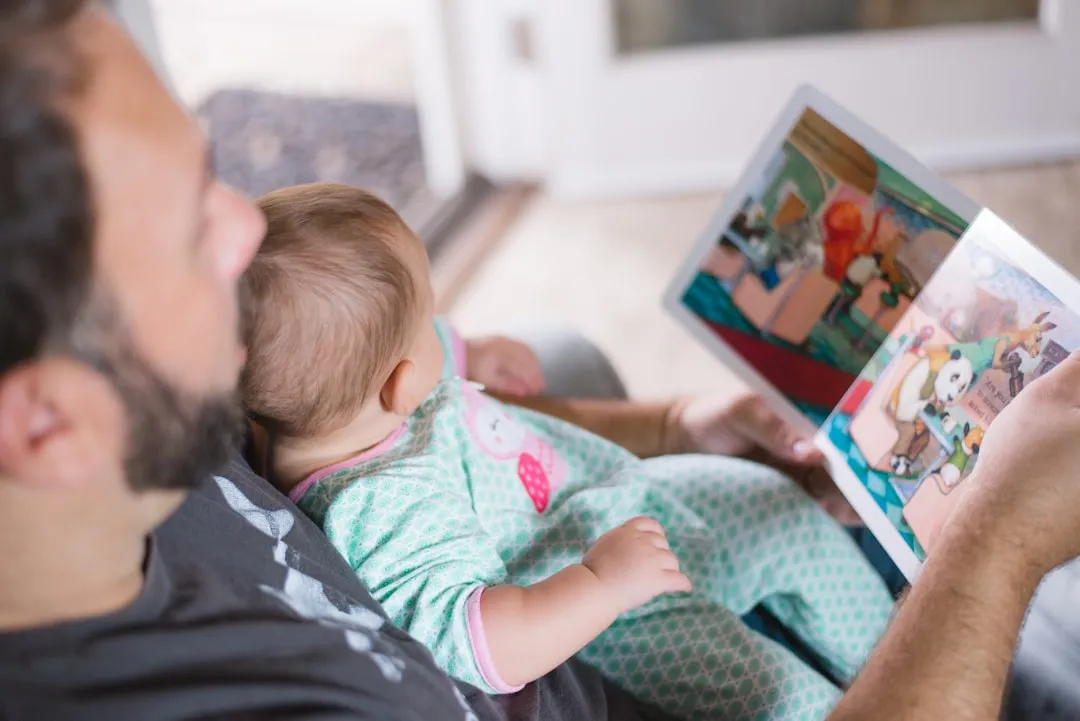
Bedtime stories were once a given in most households. Now they’re quietly slipping. According to a 2024 study by HarperCollins UK and Farshore, just 41% of parents with children under five say they read aloud frequently at home, a steep drop from 64% in 2012. That decline matters far more than it might seem at first glance.
Research shows that reading stories to children enhances their reading and language skills, and one set of cluster-randomized control trials found that reading aloud resulted in stronger development on two measures of intelligence compared to standard instructional activities. These gains were measurable and consistent across different age groups.
In 2024, 51% of families read aloud to their very young children, while only 37% read aloud to their kids between the ages of 6 and 8. The drop-off once children can read independently may be a missed opportunity. Reading together at any age builds vocabulary, empathy, and something harder to quantify: shared imagination.
3. Cooking Recipes Passed Down Through Generations

Most families have at least one dish that belongs to a grandparent, a particular holiday, or a specific memory. Teaching children to cook that dish is one of the quietest ways to pass on identity. Research shows that families who spend time together raise children with higher self-esteem and better social skills and behavior. The kitchen is one of the most natural places for that time to happen.
Shared cooking ties into broader trends. Ancestral diet categories, including foods like kefir, kimchi, and turmeric, are showing double-digit global growth, reflecting a wider cultural pull toward rooted, familiar nourishment. People are reconnecting with food traditions that carry meaning beyond nutrition.
Preparing a recipe together also teaches practical life skills in a context that feels natural rather than instructional. Children who regularly cook with family members tend to develop better relationships with food and a stronger sense of where their family came from.
4. Regular Family Walks in Nature
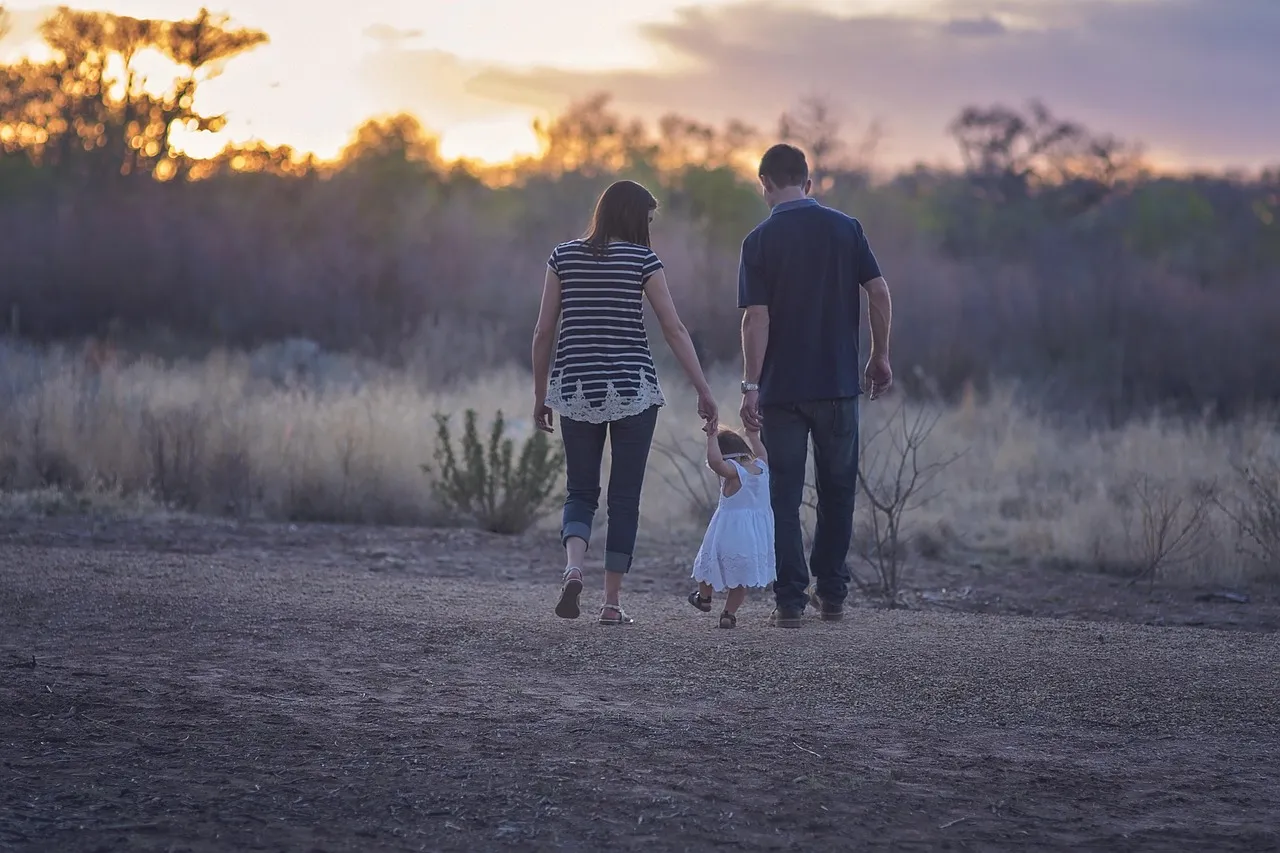
Before structured extracurricular schedules consumed weekends, families simply went outside together. A walk through a local park or along a trail doesn’t require planning or expense. A study published in the journal Environment International found that children who spent just 60 minutes daily in nature had a 50% lower risk of mental health issues. That number is striking.
The study also found that using natural environments for light activities, such as walking, was equally as beneficial as using those spaces for more vigorous activities like running. So the walk itself is enough. It doesn’t need to be a hike. Spending time in nature benefits kids’ mental health by reducing stress, improving sleep and focus, and encouraging creativity.
A 2025 meta-analysis revealed positive effects of outdoor recreation on mood, anxiety reduction, interpersonal relationships, and environmental responsibility. Turning a regular family walk into a weekly ritual quietly addresses several problems at once, and costs almost nothing.
5. Writing and Sending Letters or Cards

The handwritten letter has become rare enough that receiving one now feels genuinely surprising. That rarity is part of its value. Encouraging children to write to grandparents, cousins, or friends teaches a kind of attention and care that a text message simply doesn’t require.
Across continents, from the US to India to Europe to the Middle East, people are rediscovering comfort in tradition, continuity, and rootedness. Handwritten correspondence fits naturally into that mood. It’s tangible, personal, and preserves a record of who someone was at a particular moment in time.
For grandparents and older relatives especially, a physical card or letter carries emotional weight that digital messages rarely match. It’s a tradition that costs almost nothing but communicates a great deal about how much someone matters to you.
6. Family Game Nights
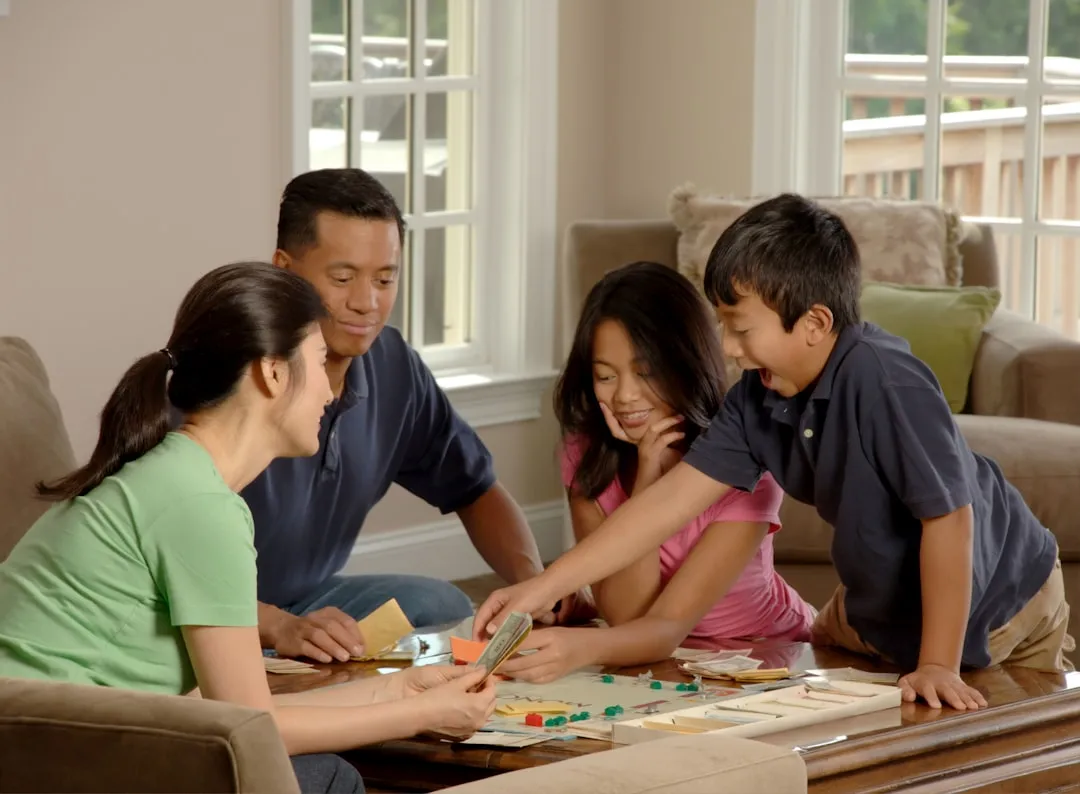
Board games and card games were a staple of household evenings for most of the twentieth century. They’ve never fully disappeared, but the pull of individual screens has made them far less common as a shared activity. Reviving a weekly game night creates a specific, low-pressure context for family members to be present with each other.
Research shows that families who spend time together raise children with higher self-esteem and better social skills and behavior. The format matters less than the consistency. Whether it’s a classic card game, a board game, or something new, the regularity of the gathering is what builds something lasting.
Game nights are also one of the easier traditions to sustain because they don’t require much preparation or money. The playfulness itself tends to lower the temperature in households where tension or distance has crept in, making them quietly useful beyond the obvious fun.
7. Storytelling and Sharing Family History

Before written records were widespread, families transmitted their history through spoken story. That tradition has enormous developmental value that research is still catching up to. Storytelling played a crucial role in human evolution. Through stories, humans gain declarative and procedural knowledge, and learn the skills that support learning itself.
Many of a family’s traditions are likely influenced by those who came before. When grandparents or parents share real stories, not just facts, children develop a stronger sense of their own identity within something larger than themselves. That sense of continuity has been linked to resilience in children.
The impact of what one person begins with a family lives on in each member, and what one woman began for her five children can ultimately be carried on across five different families made up of grandchildren and great-grandchildren. Spoken stories are the simplest version of that kind of legacy.
8. Multigenerational Gatherings and Family Reunions

Family reunions were once a regular fixture on the summer calendar. They’ve become less common, partly due to geographic spread, partly because organizing them takes effort most people aren’t sure how to justify. The justification, it turns out, is well-supported. Multigenerational living rates hit record highs in Italy, Spain, and Japan in recent years, and the trend reflects a broader cultural re-anchoring toward family closeness.
Economic strain and emotional need are pulling families back together. This isn’t nostalgia for its own sake. It’s a practical response to what research consistently shows about connection and belonging. Children who maintain relationships with grandparents and extended family tend to develop broader social intelligence and stronger emotional anchors.
A reunion doesn’t have to be a large organized event. An annual gathering of cousins, aunts, and uncles over a single afternoon can serve the same function. What matters is that it happens regularly enough to feel like something you belong to, not just an event you attend.
9. Establishing a Sunday or Weekend Rhythm
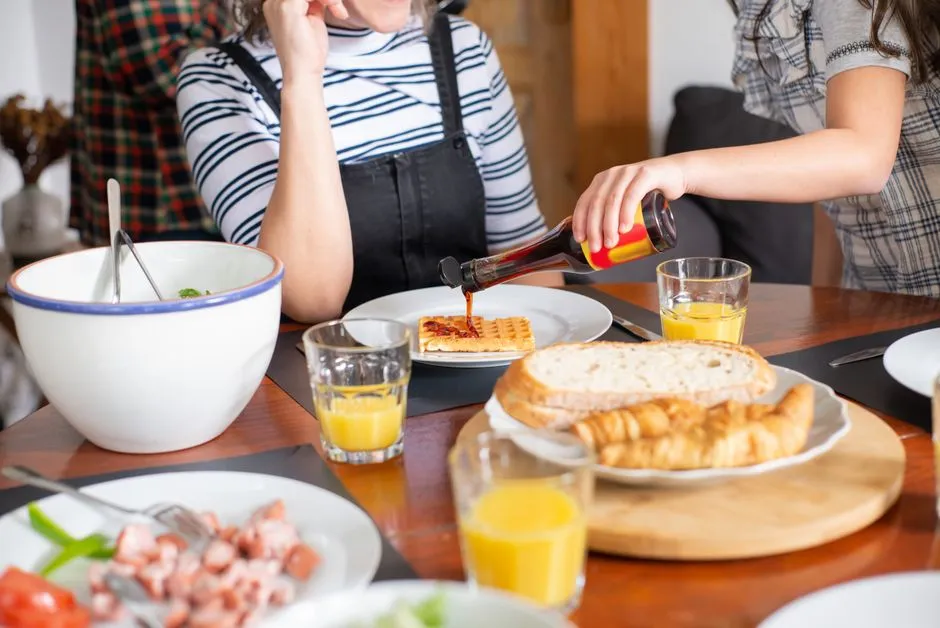
One of the most overlooked vintage family traditions is simply the idea of a shared day, a weekly rhythm that the whole household recognizes as different from the rest of the week. For many families historically, this was tied to religious observance. But the structure itself carries value independent of faith. Around 43% of people believe family meals are relaxing, and about 30% say they help them feel calm. A dedicated family day extends that effect across a full morning or afternoon.
People are choosing content and experiences that feel rooted rather than rootless. A family that reserves Sunday mornings for a shared breakfast, a slow walk, or a simple household project together creates a weekly anchor that children carry with them long after they leave home.
The specifics of what happens on that day matter less than the consistency of the rhythm itself. Starting with one or two set times a week where the family gathers and building from there is the practical approach, since the key is consistency rather than perfection. A weekly family day is that principle applied to an entire morning or afternoon.
Final Thoughts

None of these traditions require a perfect home, a large budget, or a complete reorganization of modern life. Most of them require only a decision to begin, and then the willingness to repeat it. By 2026, the cultural tide is shifting, not toward fragmentation but toward re-anchoring. Across continents, people are rediscovering comfort in tradition, continuity, and rootedness.
The evidence behind these nine practices is steady and consistent across decades of research. Family dinners, shared reading, time in nature, storytelling, multigenerational connection, each one has a documented impact on how children develop and how families hold together under pressure.
What vintage traditions offer isn’t a retreat from the present. It’s a set of tested, human-scale practices that have outlasted every wave of disruption so far. That, more than nostalgia, is the real reason they’re worth picking back up.
AI Disclaimer: This article was created with the assistance of AI tools and reviewed by a human editor.