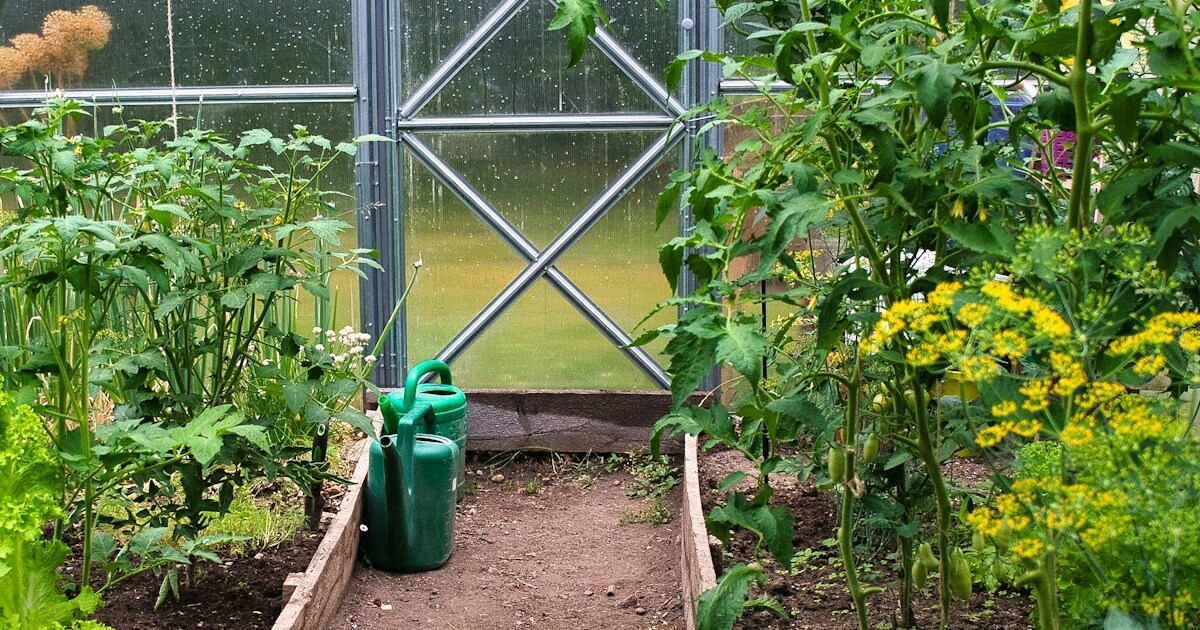

As summer winds down and the cooler air starts to creep in, your greenhouse becomes one of the most important tools in your gardening arsenal. Fall preparation isn’t just about tucking plants away for protection—it’s about creating an environment where they can continue to thrive when the outdoor growing season is slowing to a crawl. I’ve learned over the years that the time you invest in readying your greenhouse now pays off tenfold when you’re harvesting fresh produce and enjoying lush greenery while your neighbors’ gardens are fading.
Getting your greenhouse ready for fall means thinking ahead to the changing light, fluctuating temperatures, and potential pest pressures. This is the moment to set up systems that keep everything running smoothly through the months ahead. From cleaning and repairs to strategic planting, there are key steps you can take to make sure your greenhouse is primed for success. Let’s walk through them together so your plants will be happy, healthy, and productive well into the cooler months.
Deep Clean the Greenhouse Interior

A thorough cleaning is the best way to give your plants a fresh start for the fall. Over the summer, algae, moss, and debris can build up on glass or polycarbonate panels, reducing light transmission just when days are getting shorter. A good scrub with warm, soapy water (or a greenhouse-safe cleaner) will maximize the amount of sunlight your plants receive.
Don’t forget the hidden corners, shelving, and under benches where pests and fungal spores can hide. I’ve found that cleaning now prevents small pest populations from turning into major infestations once the greenhouse doors are closed for the season.
Check and Repair Ventilation Systems

As fall approaches, maintaining good airflow is just as important as it was in summer. Inspect your vents, louvers, and fans to make sure they’re working properly and clear of obstructions. Proper ventilation helps prevent the buildup of humidity, which can lead to fungal diseases like botrytis.
Automatic vent openers are a lifesaver, especially during those unpredictable warm days in early fall. I’ve seen too many plants wilt because the greenhouse overheated unexpectedly—good ventilation ensures your plants stay comfortable in shifting weather.
Inspect for Pests and Treat Early

Fall is a tricky time because pests often move into greenhouses seeking warmth. Check leaves, stems, and soil for signs of aphids, whiteflies, spider mites, or fungus gnats. Catching them now means you can deal with them before they explode in population.
I like to introduce beneficial insects, such as ladybugs or predatory mites, at this stage. It creates a natural balance and reduces the need for chemical treatments later. Remember, some pests overwinter in soil or plant debris, so removing old plant material is just as important as treating visible infestations.
Upgrade or Test Heating Systems

If you plan to grow tender crops or overwinter perennials, reliable heating is a must. Test heaters early to make sure they’re working efficiently—waiting until the first cold night to find out your heater is faulty can be disastrous.
Consider using a combination of electric, propane, or passive solar heating methods to keep costs down. I’ve also found that insulating with bubble wrap or thermal screens can reduce heat loss dramatically, saving money while keeping plants cozy.
Refresh and Amend Soil in Beds or Pots

After a summer of heavy growth, greenhouse soil can become compacted or depleted of nutrients. Remove any tired plants, loosen the soil, and work in compost or organic matter to restore fertility. This gives fall and winter crops the best chance to establish strong roots quickly.
If you’re growing in containers, replace the top few inches of potting mix and add a slow-release organic fertilizer. Healthy, nutrient-rich soil is your best defense against plant stress during the lower-light months.
Organize and Sanitize Tools
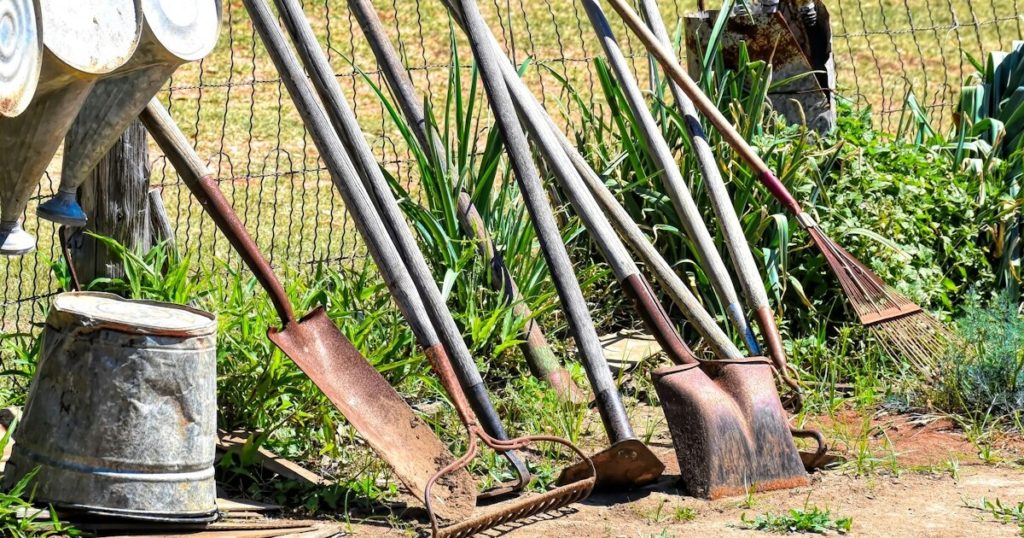
Greenhouse gardening often means working in close quarters, so dirty tools can quickly spread disease. Before fall planting, clean pruners, trowels, and watering cans with a mild bleach solution or horticultural disinfectant.
This is also a great time to organize your space—having tools, labels, and watering equipment within easy reach makes daily tasks faster and less stressful. I can’t count the number of times a little organization has saved me from trampling a seedling while hunting for my shears!
Plan for Overwintering Tender Plants
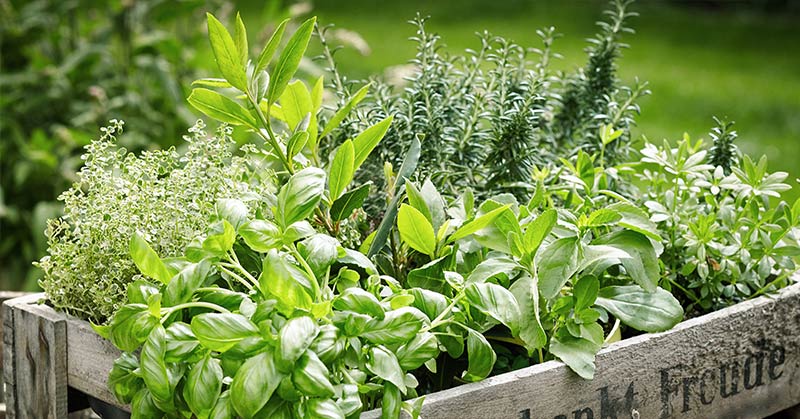
If you want to keep peppers, herbs, or other tender perennials alive, prepare their spots in the greenhouse now. Grouping plants with similar light and temperature needs makes care easier, especially when adjusting heat or humidity.
Many tropical plants can also attract pollinators and beneficial insects once they move back outside in spring, so keeping them alive over winter isn’t just about saving money—it’s about supporting your whole garden ecosystem year after year.
Adjust Watering Practices for Cooler Weather
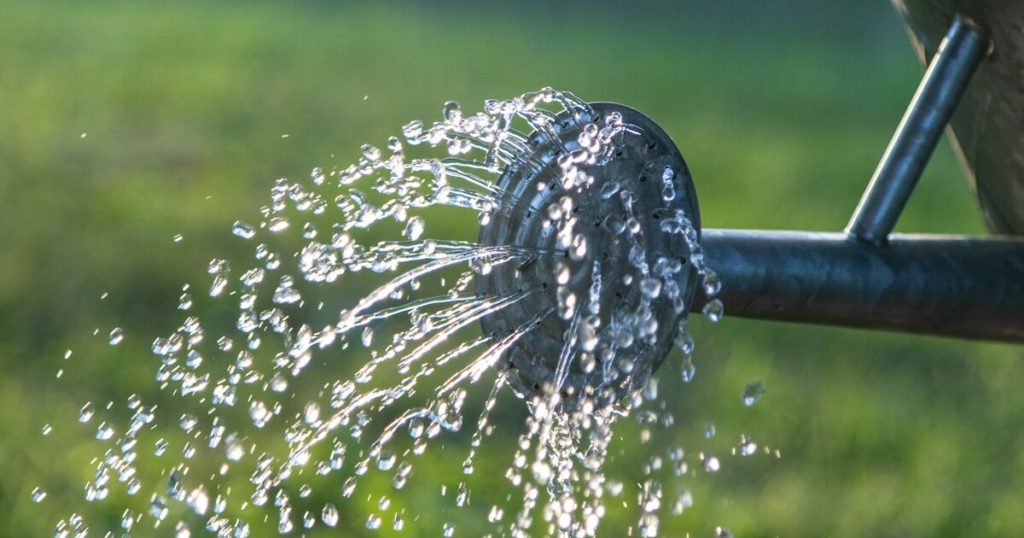
In fall, plants grow more slowly and need less water. Overwatering is a common cause of root rot in greenhouses during cooler months. Switch to watering based on soil moisture rather than a fixed schedule, and water in the morning so foliage has time to dry before evening.
If you’re overwintering plants, reducing water slightly can help them go semi-dormant, which conserves their energy until spring. This mimics the natural seasonal changes they’d experience in their native habitats.
Start Cool-Season Crops Now
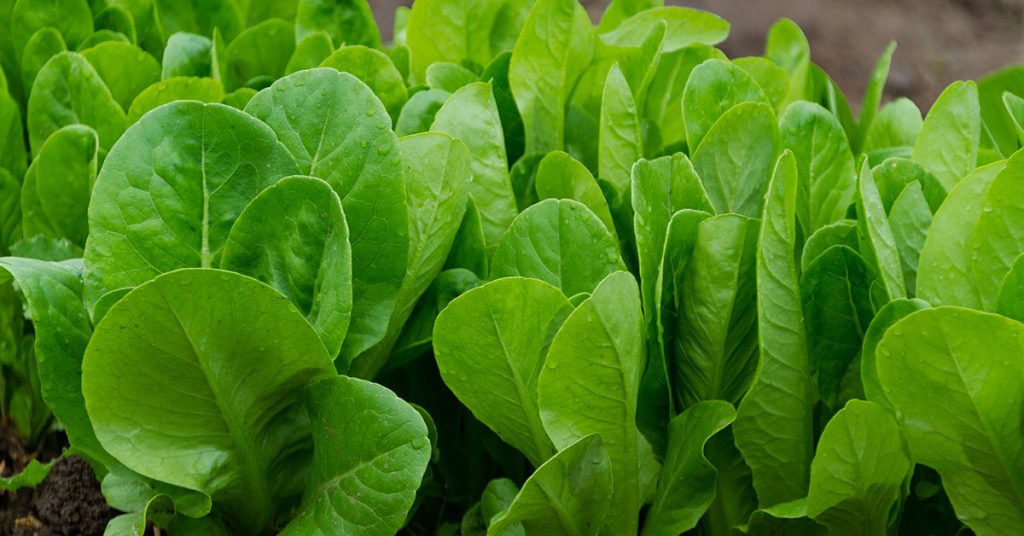
One of my favorite parts of fall greenhouse gardening is planting crops like lettuce, spinach, radishes, and kale. These thrive in cooler temperatures and can be harvested well into winter. By starting them now, you take advantage of the lingering warmth in the soil for quick germination.
Many of these crops are native to temperate regions and don’t mind shorter days, making them ideal for the fall-to-winter transition. Plus, nothing beats stepping into a warm greenhouse in December and harvesting fresh greens for dinner!