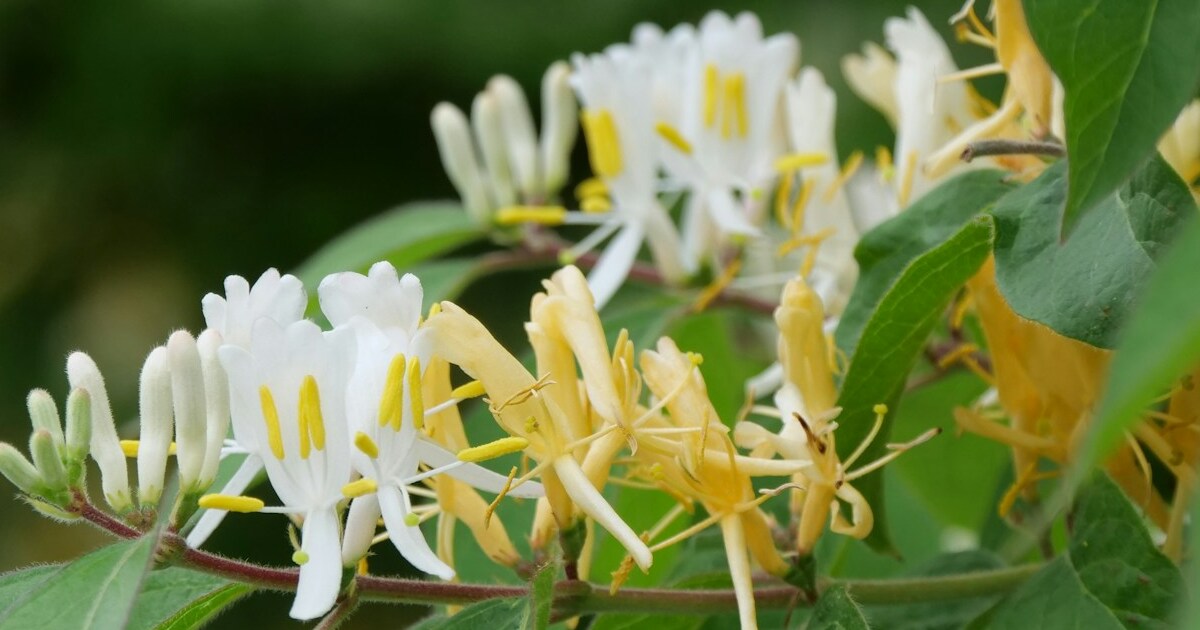

There’s nothing quite like the sweet, heady scent of honeysuckle drifting through the garden on a late summer evening. But as the days shorten and the seasons shift, this vigorous climber needs a little extra attention to help it thrive through fall and prepare for the months ahead. Whether you grow Japanese honeysuckle (Lonicera japonica), which is famously fragrant but can be invasive in some regions, or native varieties like trumpet honeysuckle (Lonicera sempervirens), there are key steps you can take to keep it healthy, controlled, and full of life.
I know how frustrating it can be to watch a beautiful vine decline because of a rough winter or unchecked growth. Honeysuckle has an incredible ability to bounce back, but giving it the right care now will not only protect it from seasonal stress but also encourage stronger blooms and more wildlife activity next year. These pre-fall tasks will help your vine stay vibrant, manageable, and as charming as ever.
A Thorough Pruning Session
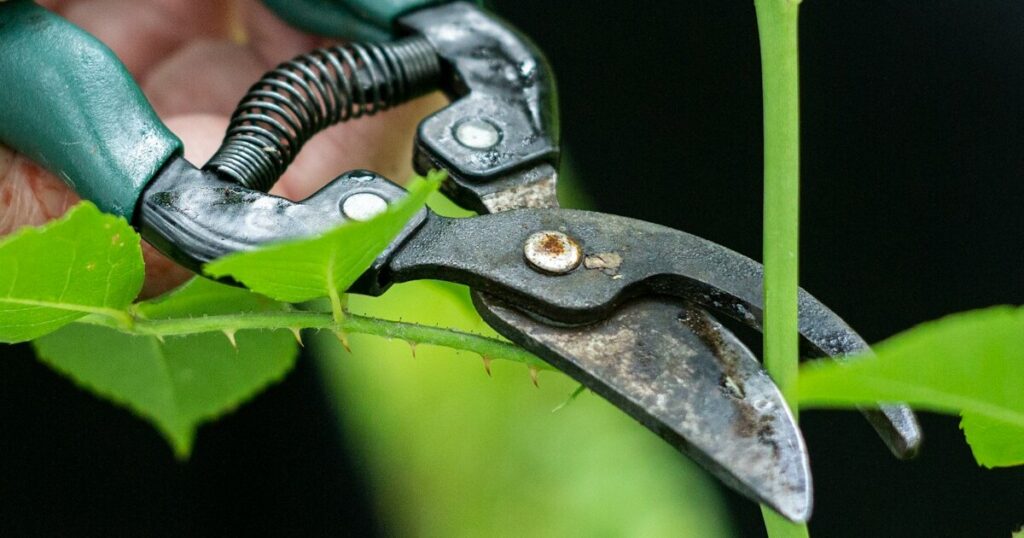
Pruning before fall isn’t about hacking the plant back completely—it’s about removing dead, tangled, or weak growth so that the vine can focus its energy where it counts. For invasive types like Japanese honeysuckle, which is native to East Asia, pruning is also an important control measure to prevent it from overwhelming nearby plants or escaping into wild spaces. Native species benefit too, as pruning improves air circulation and light penetration.
This is the time to shape your vine, guide it along trellises or fences, and stop it from smothering other plants. By taking out old stems, you also reduce hiding spots for pests that might overwinter in the dense foliage. It’s like giving your honeysuckle a haircut that keeps it looking sharp and healthy going into the cooler months.
Feeding for Root Strength
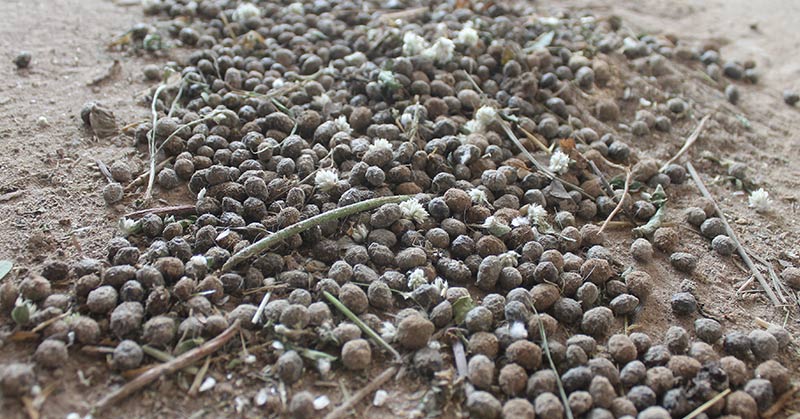
While honeysuckle doesn’t need constant fertilizing, a light feed before fall can help strengthen the root system for the winter ahead. Choose a balanced, slow-release fertilizer or add compost around the base. Native species like trumpet honeysuckle, found throughout the southeastern United States, respond especially well to organic matter that improves soil structure.
Focusing on root health now sets the stage for vigorous growth and abundant blooms next spring. Just be careful not to overfeed—excess nitrogen can push leafy growth at the expense of flowers, and you want the plant channeling its energy into building reserves for the dormant season.
Mulching for Moisture and Warmth

A fresh layer of mulch around your honeysuckle will help retain moisture, regulate soil temperature, and protect roots from sudden cold snaps. In their native habitats, honeysuckles are often found with natural groundcover, fallen leaves, or other organic debris at their base—mulch mimics this protection.
Use organic materials like shredded bark, composted leaves, or straw. This also has the bonus of suppressing weeds, which compete for nutrients and water. Keep mulch a couple of inches away from the stems to prevent rot, and your plant will thank you with healthier roots.
Support Maintenance
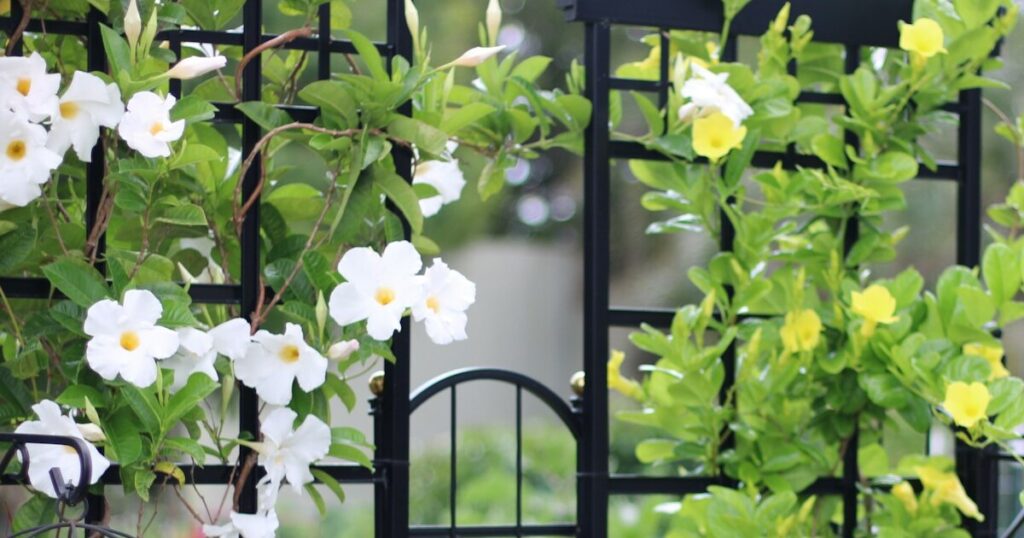
If your honeysuckle grows on a trellis, fence, or pergola, now is the perfect time to check the structure. Strong autumn winds and winter storms can loosen ties or damage supports, and a heavy vine can pull down weaker frames. Japanese honeysuckle, in particular, can grow vigorously enough to strain flimsy structures.
By securing vines now and repairing any weak points, you’ll prevent damage to both the plant and its support. Training new shoots into place also keeps the growth even and ensures next year’s blooms are displayed beautifully.
Pest and Disease Inspection
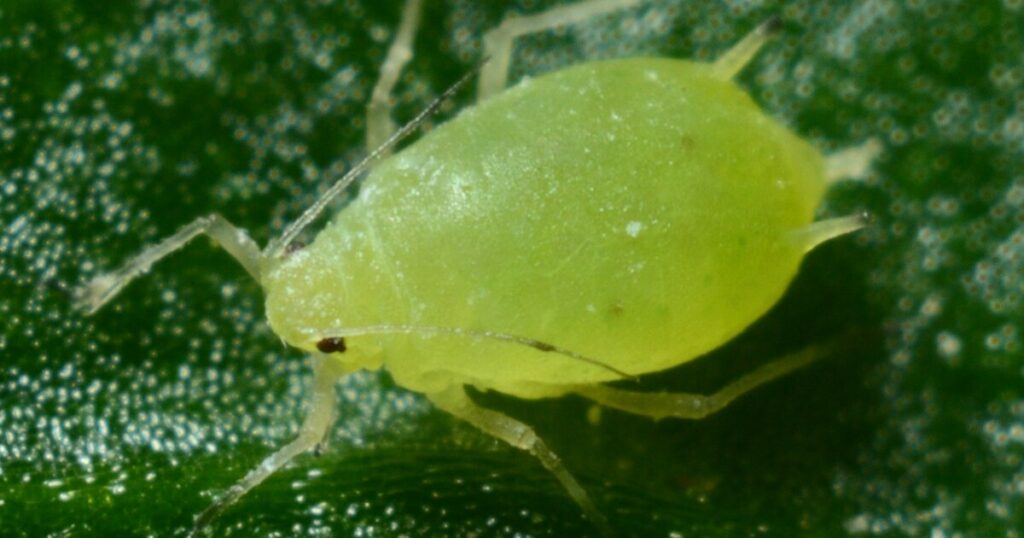
Before the cooler months set in, give your honeysuckle a thorough once-over for signs of pests like aphids, scale, or spider mites. Invasive species can sometimes be more prone to harboring pests because of their dense growth habit, but even native varieties can be affected.
Treating issues now, whether through pruning out infested areas or using insecticidal soap, prevents pests from overwintering and causing bigger problems in spring. Also, check for powdery mildew or leaf spots—both of which can spread quickly in humid fall weather.
Adequate Watering Before Frost
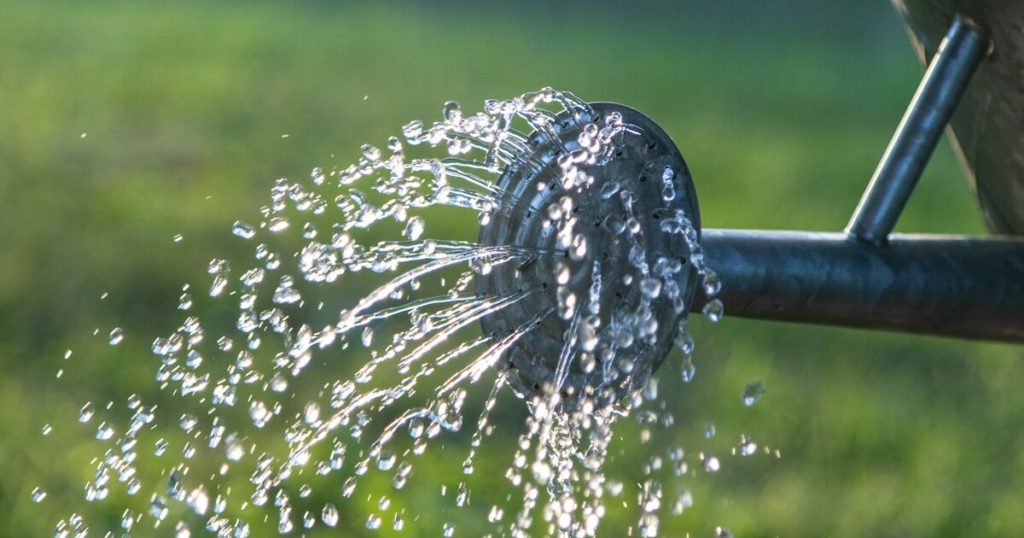
Even as the weather cools, honeysuckle still needs consistent moisture to head into winter in good shape. Native species tend to handle short dry spells better, but they’ll all benefit from a deep watering before the ground freezes. This is especially important for container-grown honeysuckles, where soil dries faster.
Moist soil helps insulate roots and supports the plant’s internal water reserves during dormancy. Just be careful to avoid waterlogging, which can cause root rot. Well-draining soil is key for a healthy vine year-round.
Clearing Fallen Debris

Dead leaves, old blooms, and organic debris can create a cozy hiding place for pests and diseases over winter. Clearing the area around your honeysuckle in late summer or early fall removes these risks and improves airflow at the base of the plant.
In native environments, natural decomposition may be balanced by weather and wildlife, but in a managed garden, debris buildup can tip the scales toward disease. A clean base also makes mulching more effective and keeps the plant looking tidy.
Light Trimming for Shape
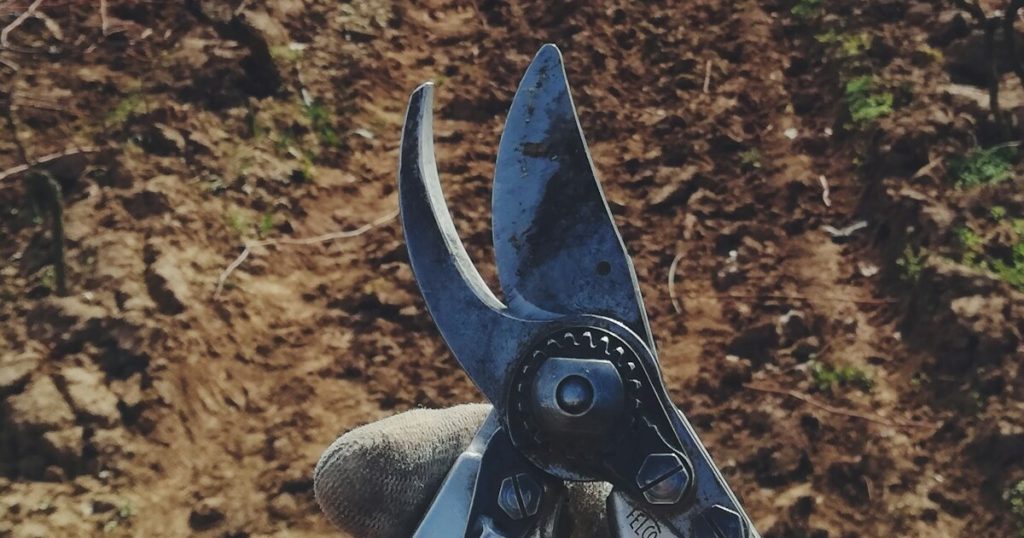
Aside from heavier pruning earlier in the season, light trimming in late summer or early fall can refine the shape of your honeysuckle. This is particularly helpful if you’re growing it for decorative purposes, such as framing an archway or trailing along a garden bench.
By guiding the vine’s growth, you ensure it fills in evenly next year rather than shooting off in wild, uneven directions. It also makes it easier to integrate your honeysuckle into the rest of your garden design without overwhelming nearby plants.
Encouraging Late-Season Blooms
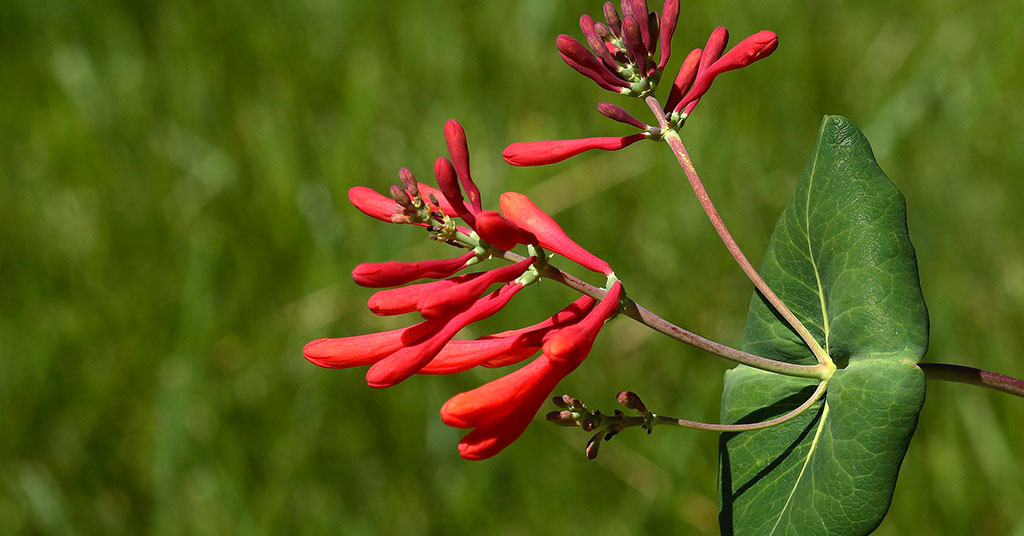
Some honeysuckle varieties, especially in milder climates, can continue producing blooms into early fall if cared for properly. Regular deadheading (removing spent flowers) can encourage this late flush of blossoms, which is a treat for both you and pollinators.
Bees, butterflies, and even hummingbirds will happily visit late-season flowers, getting an important food source before winter. Native trumpet honeysuckle is especially valuable for migrating hummingbirds, offering nectar at a time when other blooms are fading.