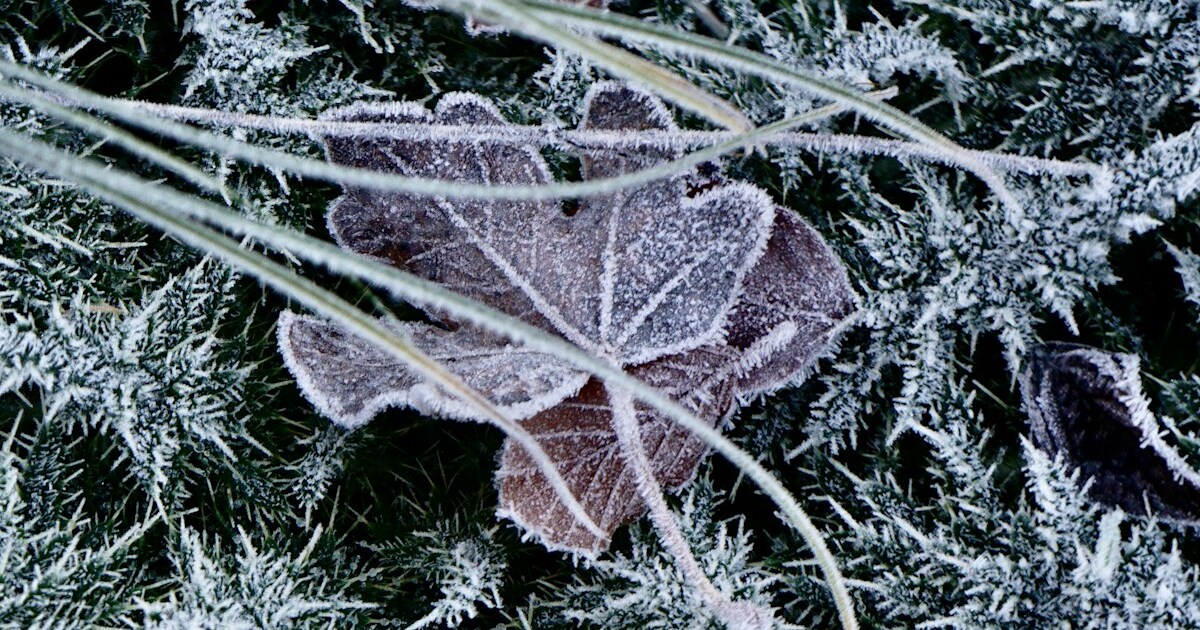

The first frost is a turning point in the garden. One day, you’re still enjoying vibrant blooms and baskets of fresh vegetables; the next, tender plants are blackened, and the air smells like winter. That’s why I’ve learned to treat the weeks leading up to frost as precious preparation time. The work you do now can protect your plants, extend your harvest, and make spring much easier when it rolls back around.
I know how easy it is to underestimate that first frost—it sneaks in earlier than you think! I’ve lost basil, peppers, and delicate flowers simply because I thought I had “just one more week.” By tackling these tasks in advance, you can face that chilly morning with the satisfaction of knowing your yard is ready for whatever the season throws at it.
Harvest Tender Vegetables and Fruits
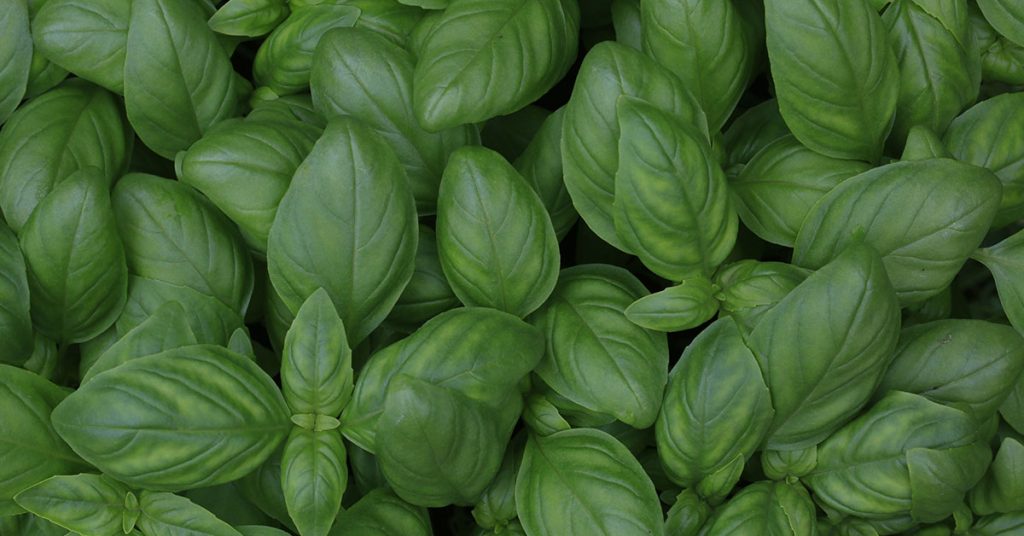
Before the first frost, harvest warm-season crops like tomatoes, peppers, eggplants, and basil. Even a light frost can ruin their texture and flavor, so it’s better to pick them slightly underripe and let them finish indoors. Green tomatoes will ripen on a sunny windowsill, and herbs can be dried or frozen for later use.
These plants—many native to warmer climates like South America or the Mediterranean—are simply not built for cold nights. Picking them now means you get to enjoy the rewards of your hard work instead of waking up to frost-damaged mush. I always go through the garden with baskets and pruning shears a few days ahead of the predicted frost, just in case it arrives early.
Protect Vulnerable Perennials
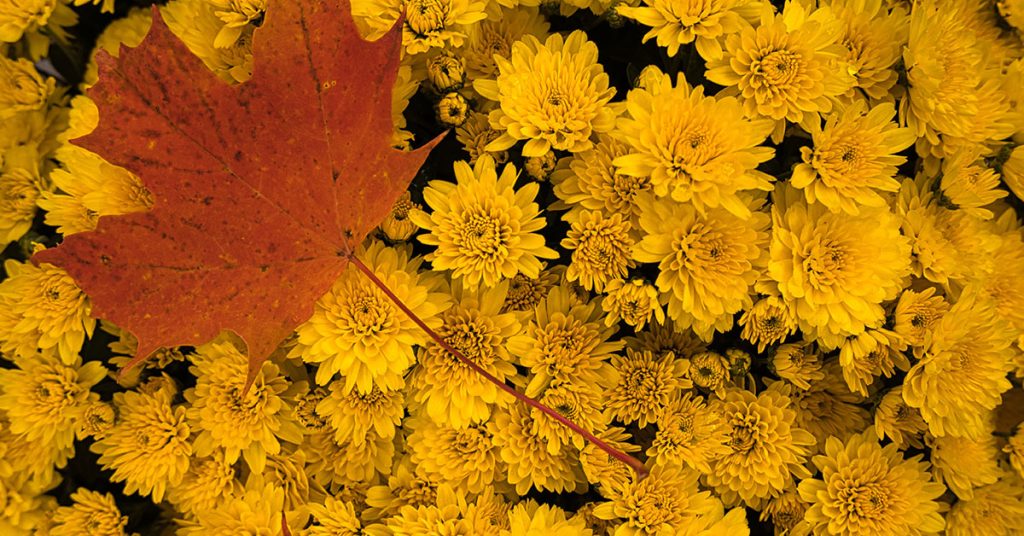
Perennials like chrysanthemums, tender salvias, and young berry bushes benefit from a layer of mulch or a frost blanket before temperatures dip. Mulch helps insulate roots, while frost cloth keeps leaves and stems from damage during those first cold snaps.
Native perennials are often more resilient, but even they can suffer from sudden temperature swings. I’ve seen early frost wilt the top growth of plants that should have sailed through the season. A little preemptive protection ensures they come back strong next year.
Bring Potted Plants Indoors
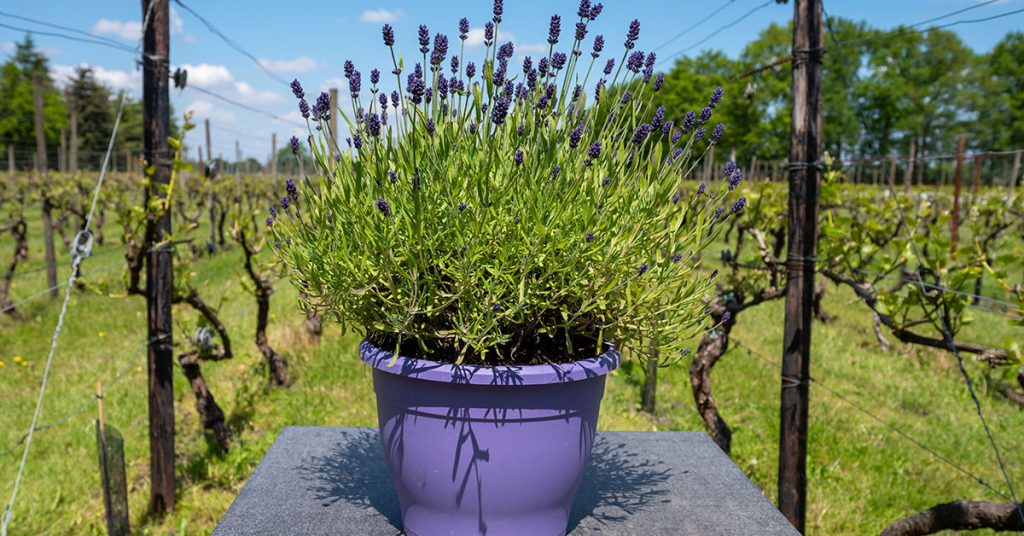
Container plants are more susceptible to frost damage because their roots are above ground and unprotected. Move tropicals, succulents, and potted herbs indoors or into a greenhouse before the cold sets in. Check for pests before bringing them inside, as hitchhikers like aphids or spider mites can become a problem in enclosed spaces.
Many potted plants, such as rosemary or citrus, are native to warmer regions and will not survive unprotected outdoors in colder climates. By transitioning them gradually to indoor conditions, you help them adjust to lower light and humidity without going into shock.
Collect and Save Seeds

Before frost kills off annuals like zinnias, marigolds, or sunflowers, collect their mature seeds for next year’s planting. Store them in labeled envelopes or jars in a cool, dry place. Seed saving not only saves money but also preserves varieties that have thrived in your yard’s specific conditions.
Native flowering plants often produce seeds that also feed birds through the winter. If you want to support wildlife, you can collect some for yourself while leaving plenty for the goldfinches, chickadees, and sparrows that rely on them.
Cut Back Diseased or Spent Plants
Clearing out plants that are past their prime or showing signs of disease helps prevent problems next year. Fungal spores, insect eggs, and bacteria can overwinter in plant debris, only to reappear in spring. Remove and dispose of infected material—don’t compost it unless you’re certain your pile gets hot enough to kill pathogens.
Healthy plant debris can be chopped and left as mulch, returning nutrients to the soil. I’ve found that this fall cleanup is one of the most effective steps for reducing pest pressure the following season.
Mulch Garden Beds
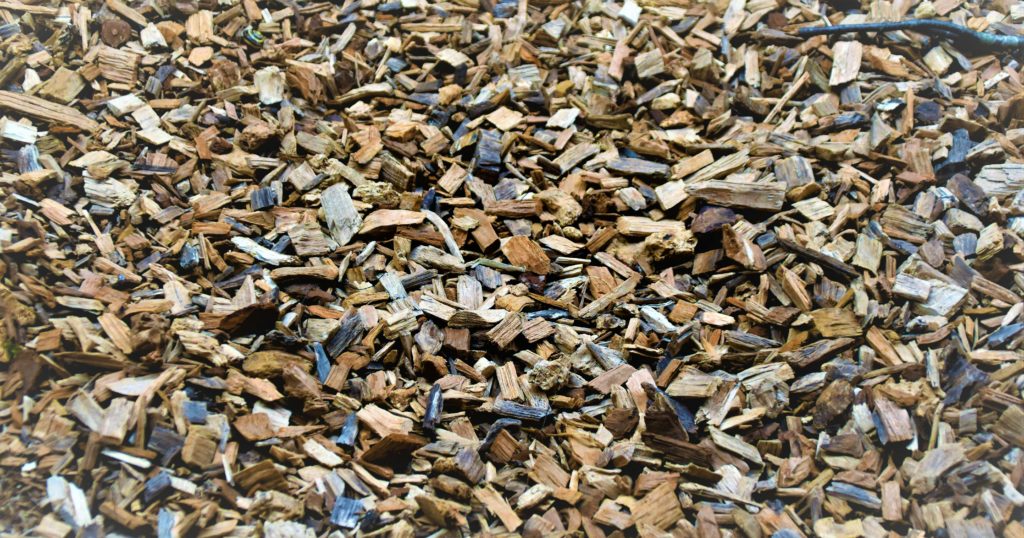
Adding a fresh layer of mulch to garden beds helps protect soil structure, retain moisture, and insulate plant roots during winter. Organic mulches like shredded leaves, straw, or bark chips slowly break down, enriching the soil for spring.
In my own beds, mulching before frost also prevents soil from splashing onto the stems and lower leaves of plants during fall rains, which reduces the spread of disease. It’s a small effort with a big payoff in plant health.
Divide and Transplant Perennials
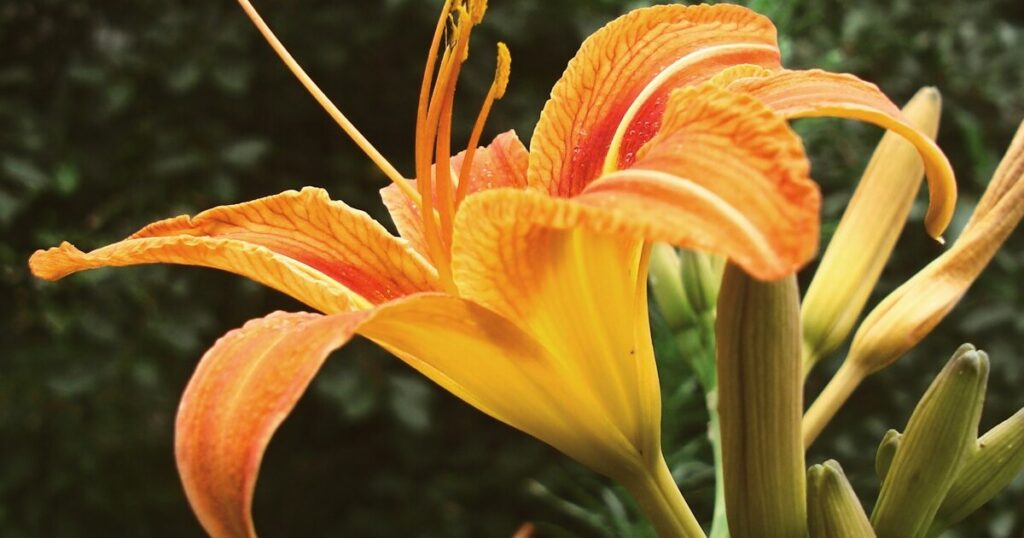
Fall is a great time to divide overcrowded perennials like daylilies, hostas, and coneflowers. The cooler weather and moist soil help transplanted divisions establish roots before winter sets in. This keeps plants healthier and promotes better blooms next season.
Many perennials—especially native varieties—are more likely to survive a transplant in fall than in the heat of summer. I always make sure to water them well and add a light mulch to help them settle in before the frost hits.
Clean and Store Garden Tools
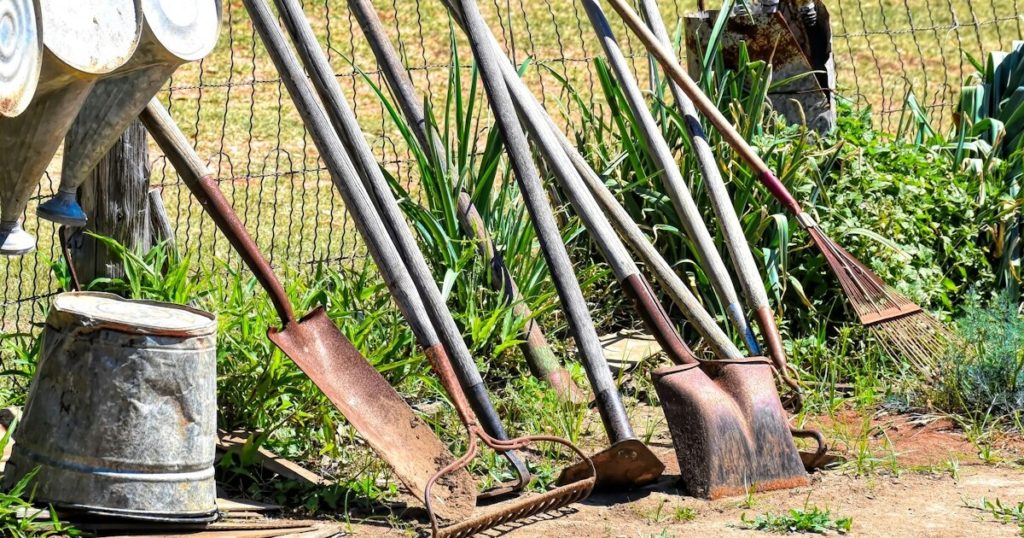
Before winter weather arrives, clean, sharpen, and oil your garden tools. This prevents rust and ensures they’re ready for immediate use in spring. Store them in a dry place to protect wooden handles and metal parts from damage.
I’ve had tools last decades simply because I took the time to care for them at the end of the season. A few minutes of maintenance now means no frustration when the first warm day in spring arrives and you’re eager to get planting.
Provide Shelter and Food for Wildlife
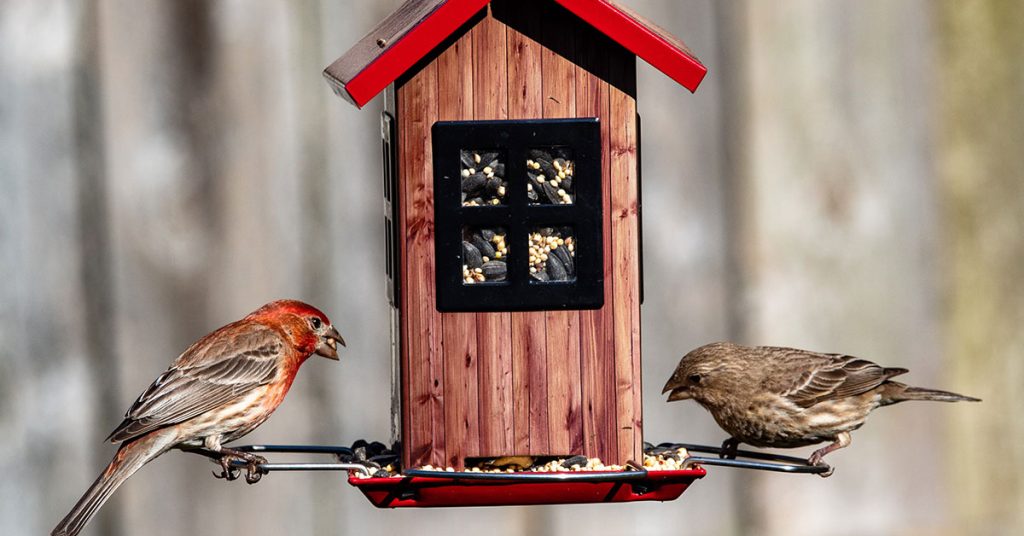
As frost approaches, food sources for birds, pollinators, and small mammals start to dwindle. Setting out feeders, birdbaths with de-icers, or leaving seed heads on some plants can make a huge difference for wildlife survival. Piles of leaves or brush in a quiet corner offer shelter from predators and cold winds.
Native wildlife has adapted to seasonal changes, but habitat loss means our yards can be critical safe havens. Supporting them through the winter months keeps your garden ecosystem balanced and full of life when spring returns.