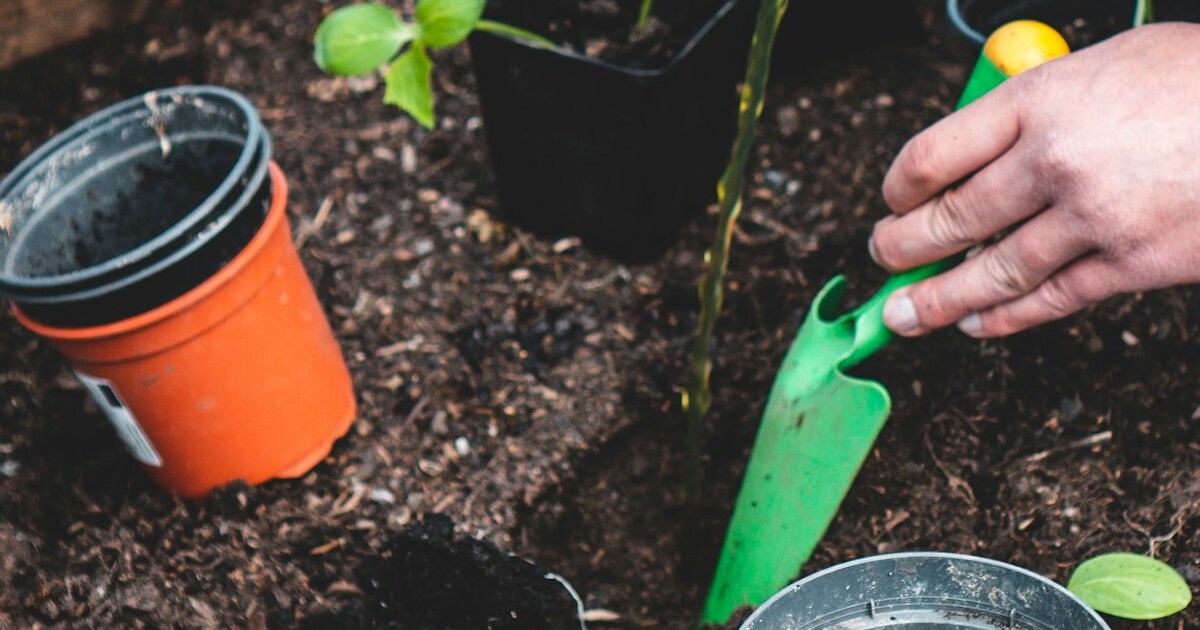

As a gardener who’s spent more than a few seasons scavenging for wilted blooms and lackluster yields, I know how dispiriting it can be to pour your heart into watering and weeding—only to have plants seem starved for nutrients! Getting your fertilizer game on point transforms your garden into a powerhouse of color and bounty, and that’s exactly what we’re diving into today. Ready to turn guesswork into growth?
Over the next nine insights, I’ll share the tips I’ve learned from trial and error—everything from timing feedings to decoding N-P-K labels, and balancing organic charm with synthetic precision. We’ll even chat about the tiny soil creatures and beneficial microbes that flair up when you feed them right! Let’s make this the year your garden truly comes alive with vigor and vibrancy.
Timing and Application Methods
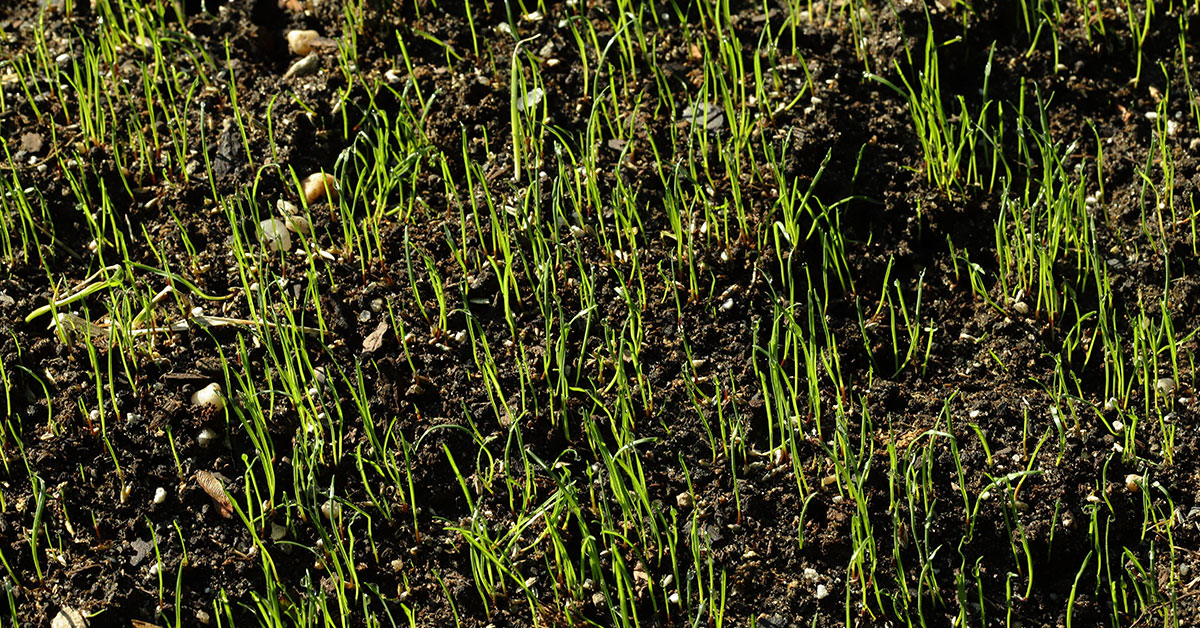
Knowing when to feed your garden is as crucial as knowing what to feed it. Spring is ideal for a balanced application—your bulbs, perennials, and seedlings are hungry for all-purpose nutrients as they burst into life. Switching to bloom-boosters or potassium-rich formulas in midsummer helps flowers and fruits ripen fully, so I often reserve higher-phosphorus feeds for July and August!
Application style matters, too: granular fertilizers sprinkled on the soil surface and lightly raked in provide a slow-release effect, while liquid teas or water-soluble granules deliver a rapid green-up via root uptake and foliar sprays. I love how a quick foliar feeding of seaweed extract can perk up drooping leaves almost immediately! Just be sure to water in any dry granules to prevent burning the roots.
Organic vs Synthetic Fertilizers

Deciding between bone meal, blood meal, and kelp blends—or commercial chemical granules—can feel overwhelming. Organic amendments feed soil biology, nurturing earthworms and microbes that improve soil structure over the long haul. One of my favorite moments is spotting worms wriggling through freshly amended beds; they’re proof positive that life beneath the surface is thriving!
In contrast, synthetic fertilizers offer precise nutrient ratios and rapid availability, perfect for rescuing a nitrogen-starved lawn or reviving a suddenly yellowing rose bush. I often combine both approaches: start the season with compost and organic base amendments, then supplement with targeted synthetic feeds when I spot a deficiency. It’s like having both a slow-burning log and a quick spark in your garden’s fireplace!
Incorporating Compost and Natural Amendments

Compost truly is gardening gold—it’s rich in organic matter that feeds plants and the myriad microbes they depend on. When I top-dress beds with homemade compost in early spring, I relish the sight of tiny mushrooms springing up and the earthy aroma that follows a light rain. Those fungi and bacteria break down organic nutrients into forms your plants can actually use!
Beyond compost, I often mix in well-aged leaf mold and finely ground rock phosphate to add trace minerals. These natural blends improve soil texture and moisture retention, reducing the need for constant watering. If you’ve ever watched a compost tea bubbling away on the kitchen counter, you know it’s like a multivitamin for your soil—packed with beneficial microbes ready to colonize every pore!
Understanding N-P-K and Ratios

Seeing a label like 10-10-10 can be puzzling until you know those numbers represent nitrogen for leaf growth, phosphorus for root and bloom development, and potassium for overall vigor. For leafy greens, I reach for high-nitrogen formulas like 16-4-8, whereas tomatoes and peppers flourish under bloom-boosting blends such as 5-10-10. Matching ratios to plant needs is like ordering precisely what your body craves at dinner!
I once fed my rose bushes a 6-10-4 mix midseason and watched bud counts double within weeks—I couldn’t believe the transformation! Conversely, giving that same blend to lettuce made the heads tough and bitter. Learning to read N-P-K is the secret to efficient feeding: no more one-size-fits-all bag, but a tailored plan for each corner of your garden.
Slow-Release vs Quick-Release Formulas

Quick-release granules can act like a sugar rush for plants, spiking growth almost overnight but fading fast—leaving you feeding weekly. Slow-release pellets coated in resin or sulfur drip-feed nutrients over months, smoothing out growth and cutting down on applications. When I switched my container veggies to a slow-release spike in April, I enjoyed uninterrupted blooms through October!
If you’ve ever dealt with fertilizer burn—brown leaf edges and burned roots—a slow-release option is your best defense. The gentle nutrient drip keeps plants nourished without shocking them. For gardeners juggling busy schedules, a single spring application of slow-release can replace half-dozen quick feeds—a game-changer for both time and plant health!
Micronutrients and Secondary Nutrients Matter

Beyond nitrogen, phosphorus, and potassium, your plants crave calcium, magnesium, sulfur, and trace elements like iron and zinc. A deficiency of any of these can show up as blossom end rot on tomatoes or interveinal chlorosis on peppers. After a disappointing tomato season, I applied gypsum for calcium and saw healthy fruit development almost immediately!
Chelated trace-mineral blends, applied as foliar sprays or soil drenches, fill these often-overlooked gaps. One of my most startling breakthroughs was treating iron deficiency in my sunflowers with a simple foliar iron spray—overnight, the yellowing faded to lush green! Don’t let your plants languish on incomplete nutrition; give them the full spectrum they need to shine.
Importance of Soil Testing Before Fertilizing

Throwing around fertilizer without a soil test is like guessing someone’s prescription dose—risky and expensive! A basic test reveals your soil’s pH, organic matter, and key nutrient levels, guiding you to the amendments you really need. I can’t tell you how many times a simple test has saved me from unnecessary applications and frustration.
When my vegetable bed tested low in magnesium, a targeted Epsom salt treatment turned spindly pepper plants into robust producers. Testing also flags toxicities—excess phosphorus can lock out micronutrients, even if N-P-K looks balanced. Investing in a test kit or lab analysis is a small cost for precision feeding and healthier, happier plants!
Choosing Fertilizer Based on Plant Needs

Just as athletes have sport-specific diets, garden crops demand tailored nutrition. Leafy vegetables thrive on nitrogen for lush foliage, while blooming bulbs need a phosphorus boost to fuel flower production. I keep three core blends on hand—high-nitrogen for greens, bloom-boosters for flowers, and balanced mixes for general maintenance—so I’m never caught treating all plants the same!
Labeling your fertilizer containers with crop categories makes life so much simpler at planting time. Nothing beats the thrill of walking outside with the perfect feed in hand, knowing every rose, lettuce, and tomato will get exactly what it craves. Trust me, tailored feeding is the secret to consistent, show-stopping results!
Environmental Impact and Runoff Prevention

We all hate seeing fertilizer washed away in heavy rains—nutrient runoff fuels algal blooms and represents wasted effort (and money!). To keep granules in place, I apply them before a light mulch layer, which traps nutrients and slows their release. Buffer strips of cover crops can also intercept runoff before it escapes your beds.
For extra eco-conscious gardeners, pairing fertilizer with mycorrhizal inoculants helps plants absorb nutrients more efficiently—leaving less available to leach into waterways. I love knowing that each feed supports both my plants and the surrounding ecosystem. When your garden thrives sustainably, you’re nurturing your slice of the planet as well as your own backyard!