

Gardening is a journey full of delightful discoveries, and today I’m thrilled to share some of my most cherished companion plants for Dianthus. As someone who has spent countless hours nurturing a garden teeming with life, I know the joy of watching nature come together in perfect harmony. This article dives into nine unique plants that not only complement Dianthus aesthetically but also enrich your garden’s ecosystem by attracting pollinators, providing nesting sites, and offering shelter for beneficial insects!
I understand how challenging it can be to create a balanced garden where beauty meets functionality. Whether you’re battling pests, working with challenging soils, or simply striving for a splash of vibrant color, these companion plants are here to inspire you! Each section reveals fascinating details about the plant’s native regions, its behavioral traits, and even tips on managing its growth to ensure it never becomes invasive.
Catmint

Catmint, with its soft blue-purple blossoms and aromatic leaves, instantly adds a breezy charm to any garden bed. I’ve always found it wonderful how its sprawling growth fills in gaps naturally, creating a seamless transition between borders and flower beds! Its inviting clusters are a magnet for bees and butterflies, providing them with ideal spots for nesting and feeding—truly a gardener’s delight.
Native to parts of Europe and Asia, catmint is celebrated for its resilience and typically non-invasive nature. I love how it effortlessly curbs unwanted weeds while offering a gentle contrast to the spiky texture of Dianthus. It’s as if catmint whispers a calming “relax and enjoy” to your garden, making it a friendly and practical companion that brightens the overall landscape!
Gaillardia (Blanket Flower)
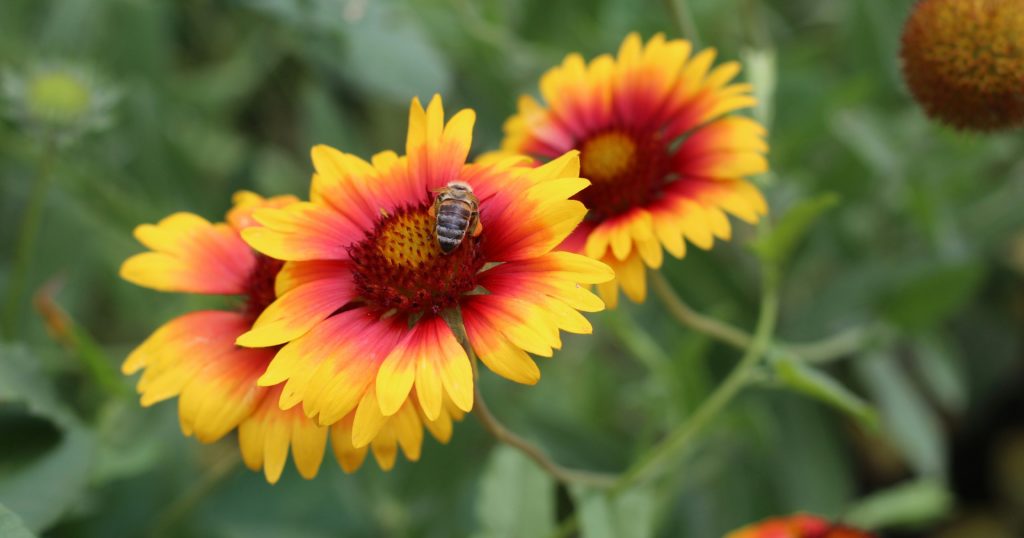
Gaillardia, commonly known as blanket flower, is an explosion of warm, cheerful hues that adds an instant burst of summer to your garden. Its daisy-like blossoms not only captivate the eye but also serve as perfect landing pads for bees, butterflies, and hummingbirds, many of which even find cozy spots to nest! The vivid interplay of red, orange, and yellow creates an atmosphere of joy and vitality that perfectly complements the delicate Dianthus.
Native to North America, gaillardia thrives in sunny, well-drained conditions and is generally well-behaved in garden settings. I’ve seen firsthand how its robust nature supports a diverse array of pollinators without becoming invasive. It’s a win-win scenario: a gorgeous splash of color coupled with a functional boost to your garden’s ecosystem—what’s not to love?
Alliums

Ornamental alliums are a dramatic addition to any garden, offering bold, spherical blooms that create an architectural focal point alongside Dianthus. These striking globes are not just visually appealing—they also attract beneficial insects like bees and butterflies, which often use them as nesting hubs during the warm, lively months! I’m always excited to see these stately flowers become the conversation starters in my garden layout.
Native to Central Asia and the Mediterranean, alliums are generally non-invasive when properly maintained, making them a safe bet for any gardener. Their unique shape and seasonal display provide a dynamic contrast to the soft, refined beauty of Dianthus, enhancing both structure and visual interest. With their subtle yet effective aroma, they sometimes even help deter pests, adding a practical edge to their ornamental appeal!
Yarrow (Achillea)
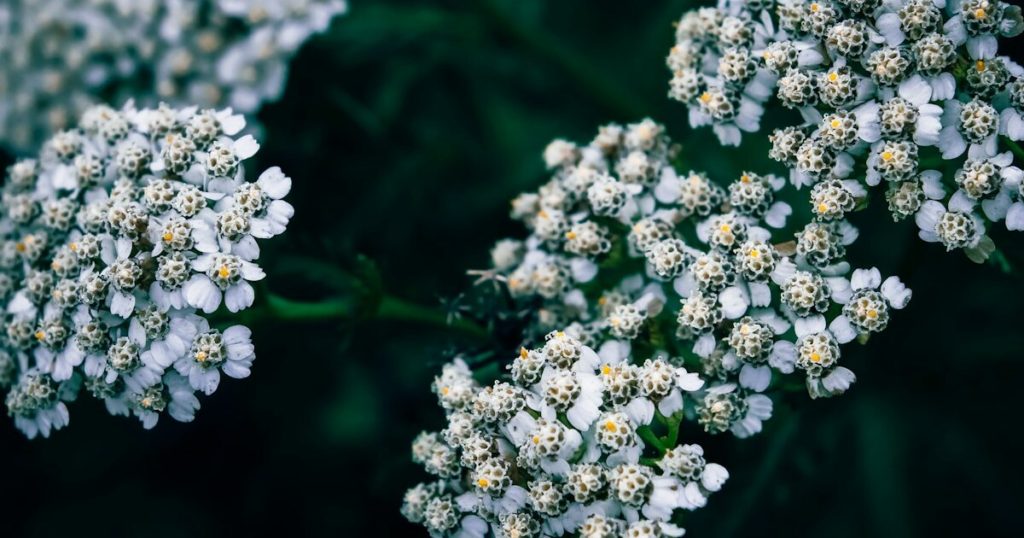
Yarrow has long been one of my favorites, and for good reason! Its flat-topped clusters of tiny, delicate flowers create a perfect haven for ladybugs, bees, and lacewings. I love watching as these beneficial insects visit yarrow, using its feathery foliage as a temporary nesting site during the busy growing season. The plant’s resilience in unpredictable weather only adds to its charm and functionality.
Native to temperate regions across the Northern Hemisphere, yarrow is adaptable and typically non-invasive in managed gardens. Its intricate structure and subtle fragrance work wonders in balancing the garden’s ecosystem. If you’re looking for a plant that offers both beauty and practicality, yarrow is a stellar choice that helps safeguard your Dianthus from common garden adversaries!
Sedum
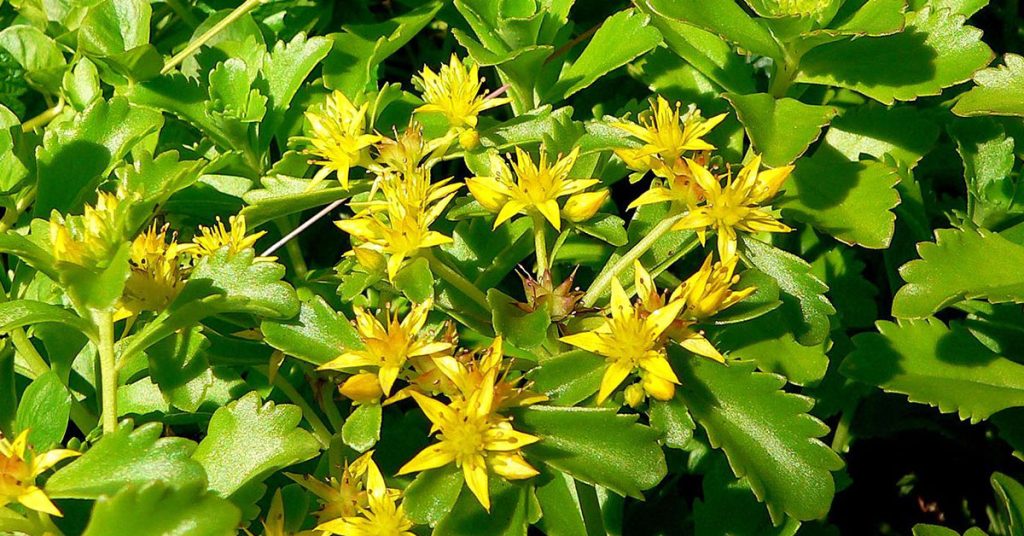
Sedum, often known as stonecrop, surprises with its succulent, water-storing leaves and clusters of star-shaped flowers that add a textural delight next to Dianthus. I’m always impressed by its ability to thrive in poor soils and harsh conditions, making it a reliable and low-maintenance companion. Its unique form not only appeals visually but also provides cozy microhabitats for bees and butterflies, who sometimes even nest among its fleshy leaves!
Native to Europe, Asia, and North America, sedum is prized for its hardiness and generally non-invasive behavior. In my experience, this versatile plant works beautifully in rock gardens or xeriscapes, offering an effortless yet captivating contrast to more delicate blooms. Its charm lies in its simplicity and robustness, proving that sometimes the simplest plants can have the most delightful impacts on your garden ecosystem!
Lavender

Lavender exudes a timeless elegance that has captured my heart for years. Its aromatic, silvery foliage paired with vibrant spikes of purple blooms brings a sense of calm and sophistication to any garden. I always enjoy the way lavender’s soothing scent fills the air, attracting bees and butterflies while naturally repelling some common pests—a true multi-tasker in the garden!
Native to the Mediterranean region, lavender thrives in sunny, well-drained soils and is generally non-invasive when properly maintained. Its presence not only enhances the aesthetic appeal of Dianthus but also creates a microhabitat for beneficial insects, offering them soft shelter and opportunities to nest. For gardeners who appreciate both beauty and utility, incorporating lavender is like adding a fragrant, functional masterpiece to your planting design!
Salvia
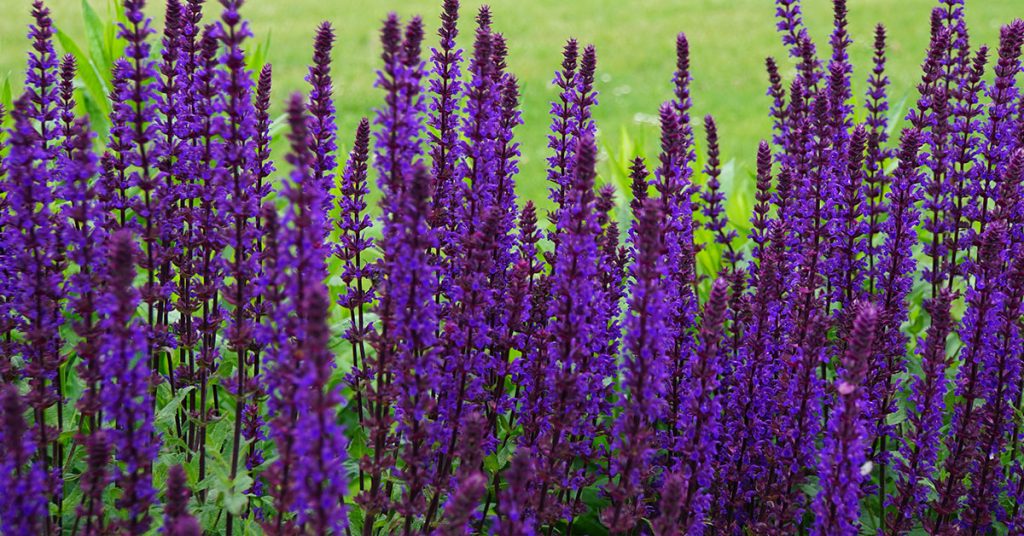
Salvia brings a vibrant burst of color and structure that is simply irresistible in any garden setting. With tall spikes of brilliant blooms and richly aromatic leaves, salvia stands out as a natural beacon for bees, butterflies, and even hummingbirds! I find that its dramatic presence creates a vertical contrast to the low, delicate Dianthus, inviting a flurry of pollinators to visit and even use its dense foliage for temporary nesting.
Native to regions ranging from Central America to the Mediterranean, various salvia species are known for their adaptability and ease of growth. While some varieties can become assertive in optimal conditions, careful garden planning ensures that salvia remains a beneficial and controlled companion. Its energetic character and robust performance truly enhance the interplay of textures and hues in the garden, making every corner a lively and colorful celebration!
Verbena
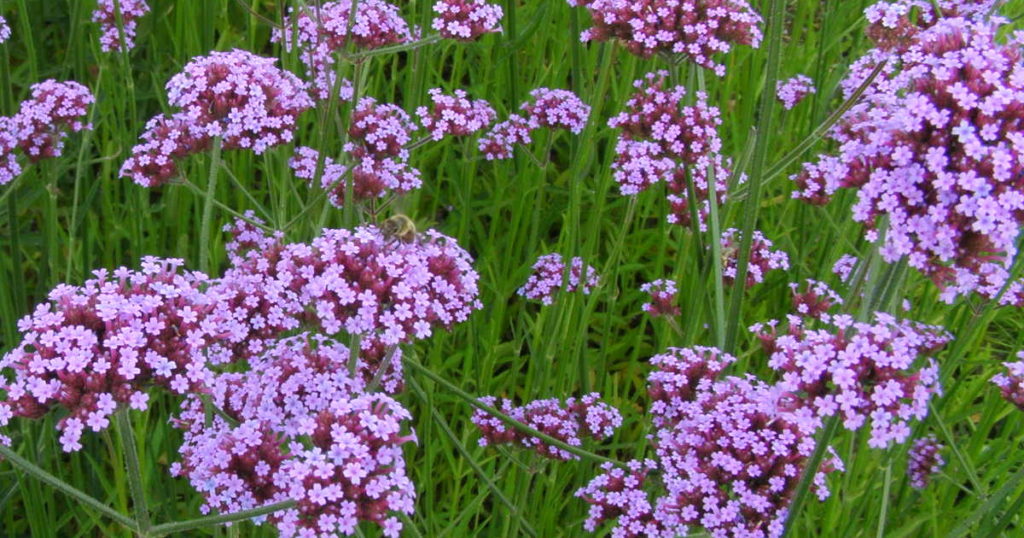
Verbena offers a delightful cascade of delicate blossoms that seem to dance in the breeze alongside your Dianthus. I’m always enchanted by its light, airy clusters that attract an abundance of butterflies and hummingbirds—many of which find perfect nooks for nesting! The playful movement of its blooms infuses the garden with energy and a sense of joyful spontaneity that is hard to resist.
Native to South America, various species of verbena have adapted to thrive in different climates, though in some regions they may exhibit mildly invasive tendencies if left unchecked. I’ve learned that providing them with ample space allows verbena to flourish without overtaking the garden. Its ability to create a safe haven for pollinators while bursting with vibrant color makes it a fantastic addition to any well-planned garden design!
Russian Sage
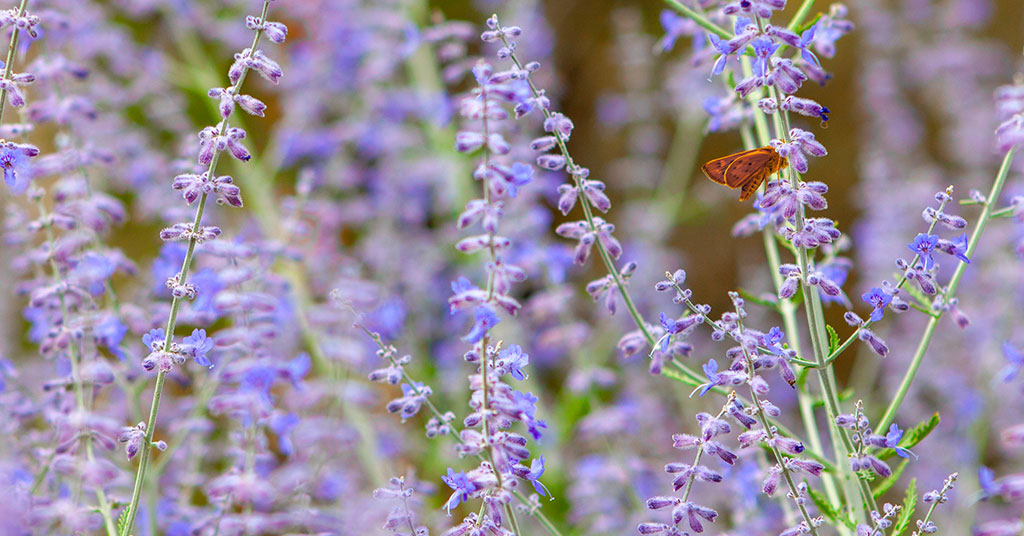
Russian sage, with its ethereal silvery-blue hue, is one of those plants that instantly elevates the garden’s aesthetic appeal. Its airy, elongated stems and clusters of tiny, aromatic flowers create a sense of movement and lightness that beautifully contrasts the intricate Dianthus blooms. I love how a gentle breeze transforms Russian sage into a mesmerizing display of color and texture, enticing bees and other beneficial insects to explore its inviting blossoms!
Hailing from Central Asia and the Caucasus, Russian sage is remarkably hardy and typically non-invasive in garden settings when given proper care. Its drought tolerance and rugged resilience make it an excellent choice for sunny, well-drained spots, while its soft, open structure offers natural nesting sites for a variety of pollinators. Embracing Russian sage in your garden not only adds a dash of cool sophistication but also reinforces a thriving, balanced ecosystem that every gardener dreams of!