
Every gardener has been there—you walk out to check on your plants, and your heart sinks. The leaves are gone, the stems look brittle, and it seems like all that time, care, and watering has been for nothing. But before you head for the compost bin, take a deep breath—what you’re seeing might not be death, but dormancy. Plants have evolved clever ways to survive challenging seasons, and going dormant is their version of hitting the pause button until conditions improve.
I know how frustrating it is to look at what seems like a lifeless stick in a pot, especially when it was lush and thriving just a few weeks or months ago. But the truth is, many plants—whether they’re perennials, bulbs, shrubs, or even certain tropicals—naturally shut down for a rest period. They’re conserving energy, protecting themselves from cold, heat, or drought, and waiting for the perfect time to bounce back. Here’s how you can tell the difference between a plant that’s truly gone and one that’s just taking a well-earned nap.
Stems Are Still Firm Under the Bark
One of the clearest signs a plant is still alive is that its stems remain firm and flexible beneath the outer bark. Gently scrape a small section with your fingernail—if you see green tissue underneath, that’s living cambium, and your plant is still in the game. Even if the top growth looks bleak, the living tissue means the plant can push out new growth when the time is right.
This is especially true for woody perennials and shrubs, many of which are native to climates with harsh winters or dry seasons. They’ve adapted to drop their leaves and focus on protecting their core structure. As long as that internal tissue is healthy, your plant isn’t finished—it’s just waiting for better days.
Roots Are Plump and Healthy
For many plants, especially bulbs and tuberous species, the health of the roots is a better indicator of life than the condition of the leaves or stems. Gently remove the plant from its pot or loosen the soil to check—healthy roots are usually white or light-colored and firm to the touch.
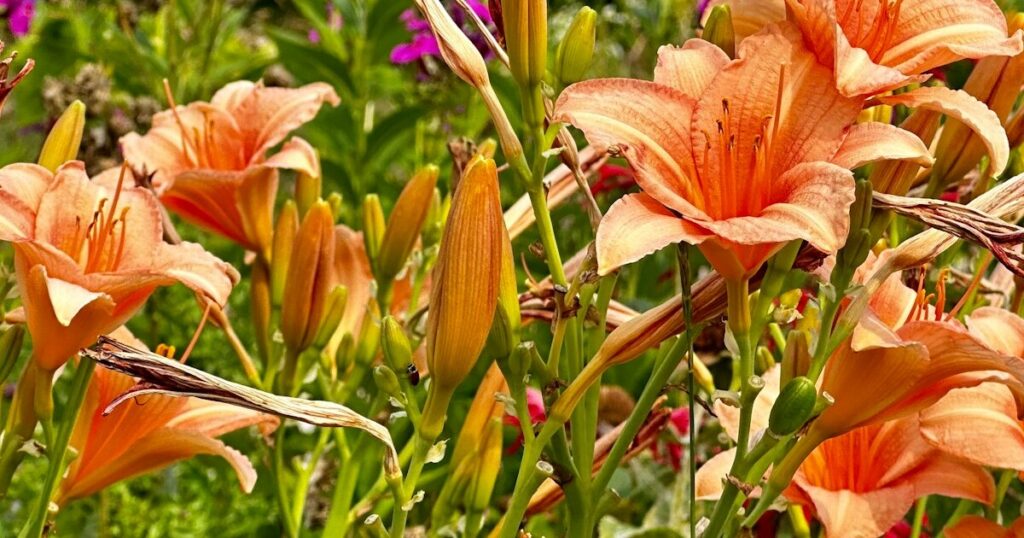
Plants like dahlias, lilies, and certain succulents are native to regions with seasonal extremes, so they retreat into their roots to survive unfavorable months. These storage structures hold all the energy needed to regrow, even if the top looks completely gone.
New Buds Are Hiding at the Base
Check closely around the base of the plant for tiny buds or shoots pushing up from the crown or rhizomes. These little nubs are a promising sign that your plant is preparing for its comeback. Sometimes they’re easy to miss, especially if they’re buried under soil or mulch.
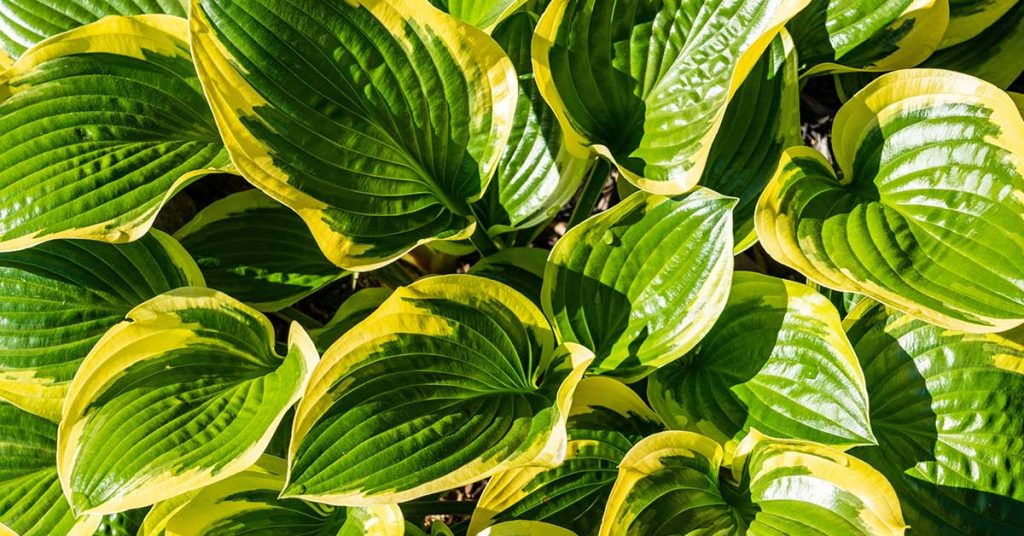
Many perennials, from peonies to hostas, go completely bare above ground but keep growing points hidden at soil level. In their native habitats, this strategy helps them survive grazing animals, fire, or harsh weather by keeping their regenerative tissue protected.
Leaves Have Fallen in a Seasonal Pattern
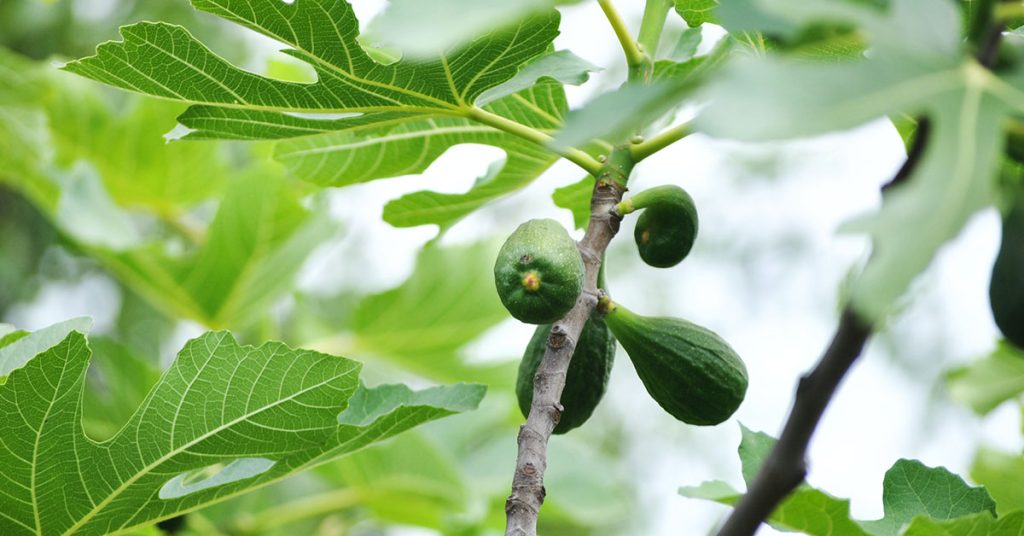
If your plant dropped leaves in sync with a seasonal change—like the onset of cooler weather or a summer dry spell—it’s likely responding to natural dormancy cues rather than dying. Deciduous plants have evolved to shed leaves when water or light availability drops, reducing stress and conserving resources.
For example, figs and many fruit trees from temperate climates lose their leaves in fall, even if grown in warmer zones. It can be alarming if you’re not expecting it, but it’s simply part of their survival playbook.
The Plant’s Native Habitat Suggests a Dormant Period

Knowing where your plant comes from can offer big clues. Species from areas with cold winters, dry summers, or monsoon seasons often have built-in rest periods. If your plant’s native region has pronounced seasonal changes, there’s a good chance dormancy is part of its normal cycle.
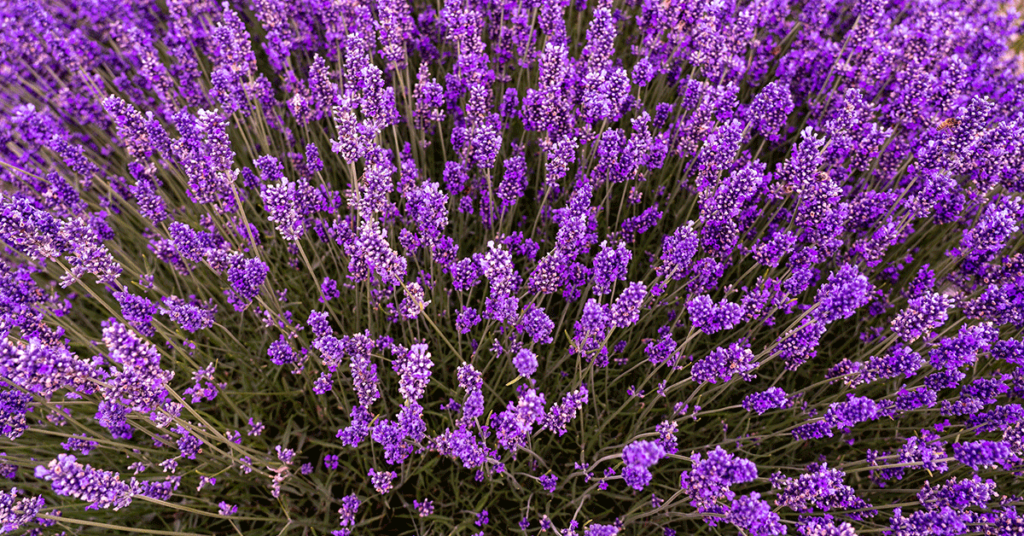
Tropical hibiscus from monsoon climates often slow down and drop leaves when days shorten. Mediterranean herbs like lavender may stop actively growing in cooler months but perk up again as daylight increases.
Growth Slows or Stops Without Signs of Disease
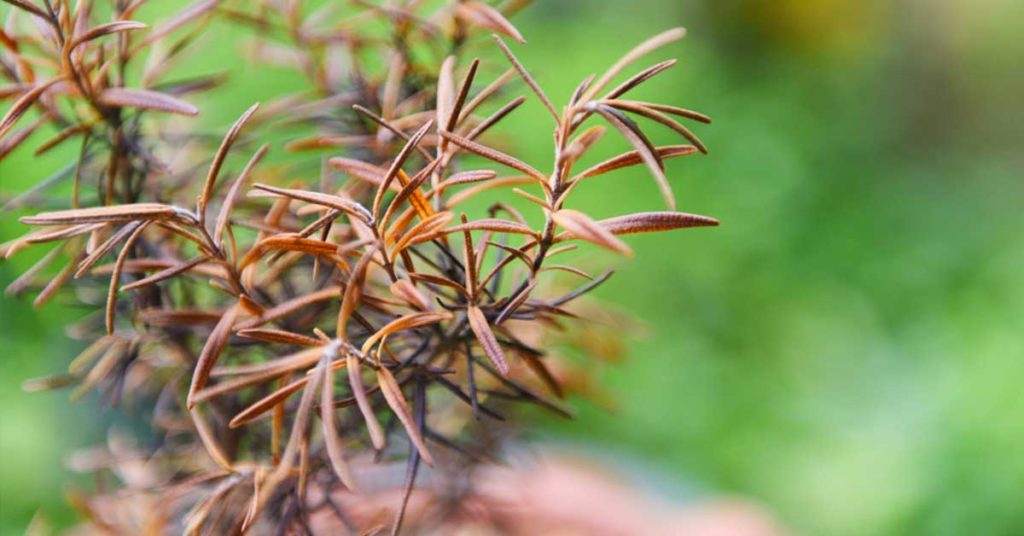
If your plant has simply stopped growing but isn’t showing symptoms like mushy stems, foul odors, or spreading leaf spots, it may just be conserving energy. Dormancy often looks like a complete halt in growth, with no new shoots appearing until conditions improve.
Native prairie perennials, for example, can hold steady for months underground, even in perfect soil and sunlight. They’ve evolved to time their active growth with environmental signals like rainfall or temperature changes.
It Responds to a Warm Watering or Light Change

Some dormant plants will show subtle signs of life when given a little extra encouragement. Bringing a potted plant into a warmer spot or giving it a gentle watering can trigger tiny changes—buds swelling slightly, stems firming up, or new shoots appearing.
Plants from arid regions, like many succulents, often respond to changes in day length or temperature with growth spurts. If yours reacts positively to these shifts, it’s a good indication it’s resting, not gone.
No Bad Smell or Soft Rot

A truly dead plant often develops a foul smell or mushy, collapsing tissue as it decays. If your plant’s crown, roots, and stems are free of rot and still structurally sound, there’s a solid chance it’s alive.
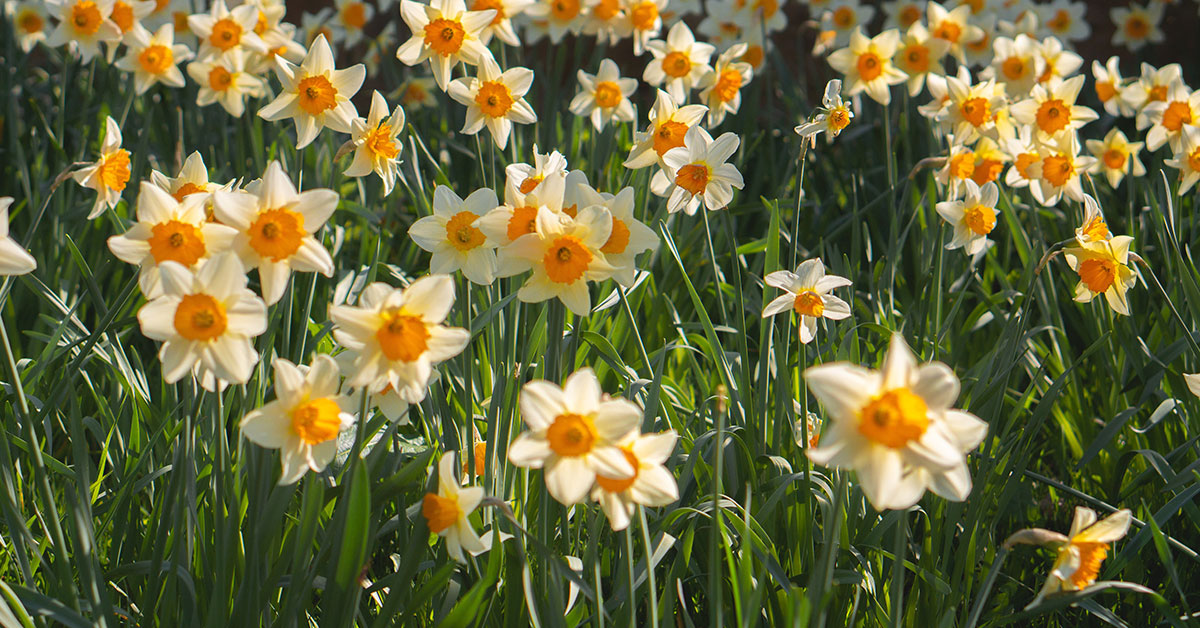
Bulbs like tulips and daffodils, native to areas with cold winters, can sit quietly in the soil for months without producing any growth, but their tissues remain firm. That firmness is a good sign to keep hope alive.
It Has a History of Seasonal Comebacks
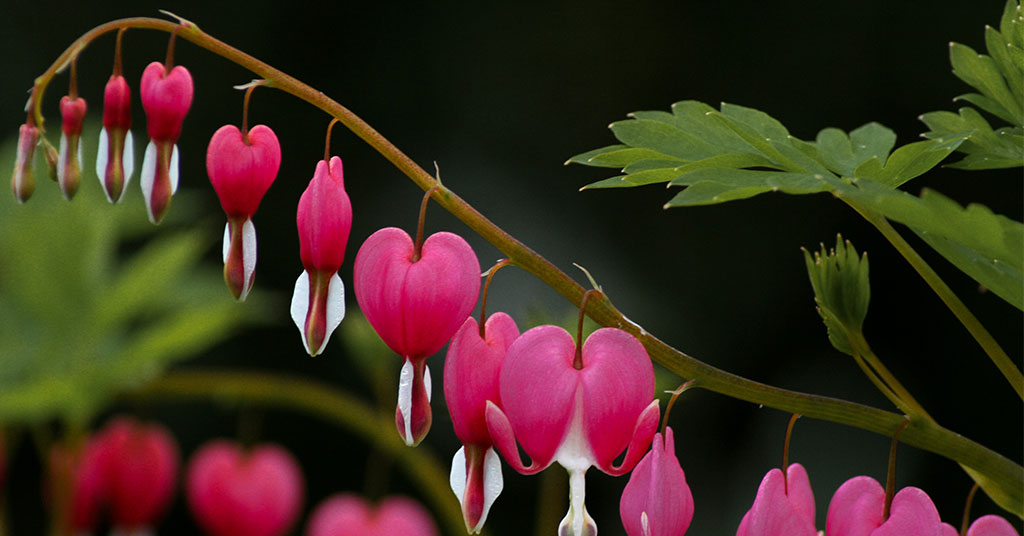
If your plant has gone bare in the same season before and bounced back, there’s no reason to assume this year will be different. Keep a mental or written note of its growth cycle so you can anticipate dormancy and avoid unnecessary panic.
Plants like bleeding heart or hardy hibiscus vanish from the garden after blooming, only to reappear the next year with even more vigor. In their native ranges, this dormancy is a built-in adaptation to survive extremes and come back strong.