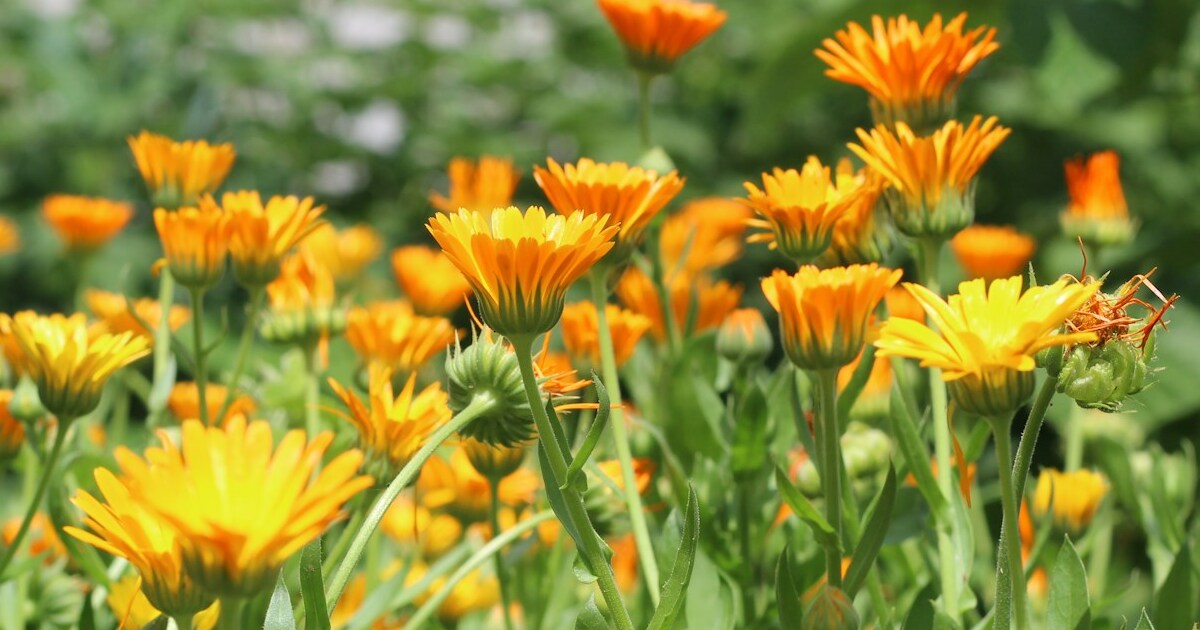

Calendula—oh, what a joyful presence in the garden! These sunny, daisy-like blooms not only brighten up borders and containers, but they also attract bees, repel pests, and offer all kinds of herbal uses from soothing balms to healing teas. But if you’ve ever watched your calendula start to lose its vigor midway through the season, you might be missing one key maintenance step: deadheading. Just like us, calendula needs a little tidying up now and then to keep looking and feeling its best.
Calendula (Calendula officinalis), native to southern Europe and parts of the Mediterranean, is not considered invasive in most climates, though it can reseed enthusiastically if left unchecked. It thrives in full sun and well-drained soil, and while it’s pretty forgiving, it definitely benefits from regular care. If you’re wondering whether your calendula needs a trim, you’re not alone. Let me walk you through the signs I look for when it’s time to give those stems a quick snip!
The Blooms Look Brown and Crispy
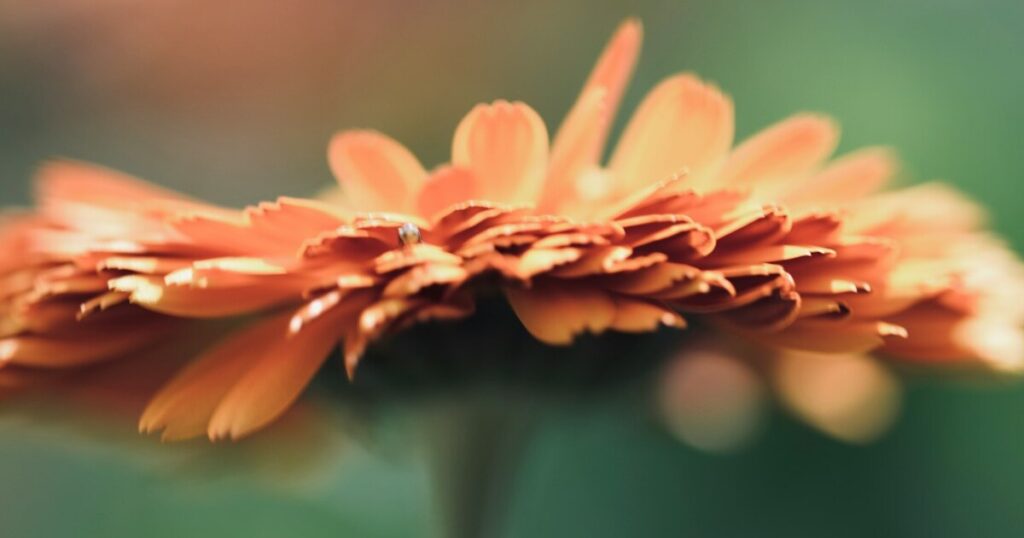
One of the clearest signs it’s time to deadhead your calendula is when the petals start to turn brown or papery. It’s such a bummer when you see what was once a bright, cheerful flower reduced to a crispy little tuft! These spent blooms not only drag down the look of your plant, but they also signal to the calendula that it’s time to shift into seed production mode.
By snipping off those faded flowers, you’re essentially telling the plant, “Hey, keep blooming!” It redirects its energy from forming seeds back into developing fresh buds. I like to use sharp garden scissors or just pinch the heads off cleanly with my fingers—whichever feels faster when I’m doing a quick walk through the garden.
The Plant Has Stopped Producing New Flowers

Calendula is one of those beautiful overachievers that wants to keep blooming all season long. But if your plant has suddenly slowed down or stopped putting out new buds, it might be spending all its energy on seed development instead. When I notice the bloom factory grinding to a halt, I immediately start deadheading.
It’s amazing how quickly the plant bounces back after a light trim. Within a week or so, new buds start forming at the leaf nodes, especially if you water and give it a little compost or organic fertilizer boost. Deadheading is like hitting the refresh button—it tells your calendula to reset and give you another wave of golden petals.
You’re Noticing More Seed Heads Than Flowers

Calendula has a very distinctive seed head—curled, knobby little crescents that look like they belong in a wizard’s apothecary. While these are awesome to save if you’re collecting seeds for next year, too many of them on your plant can be a red flag. When I see more seed heads than flowers, I know I’ve let things go a bit too long.
This is a signal that the plant believes its job is done. Snipping off those seed heads before they fully mature can keep the energy flowing toward new blooms instead of reproduction. If you do want to collect seeds, let a few heads ripen fully, but be strategic—don’t let the whole plant turn to seed if your main goal is continued flowering!
The Plant Looks Leggy or Lanky
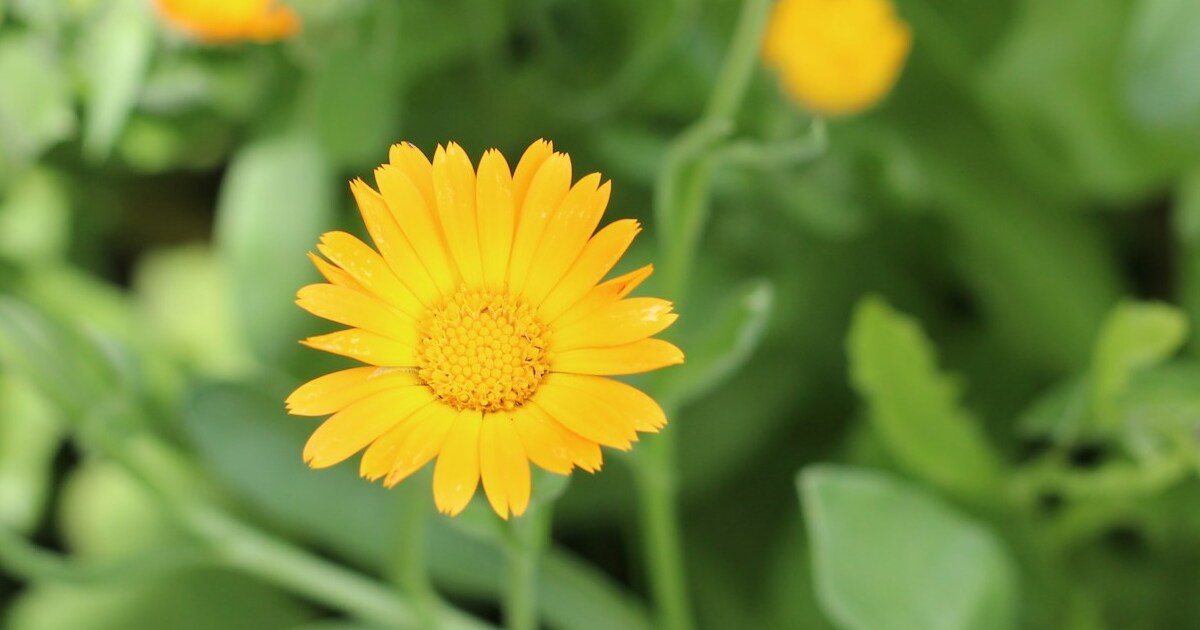
A calendula plant that’s gotten tall, leggy, or overly stretched often needs a bit of a haircut. Deadheading isn’t just about removing spent blooms—it can also help you manage the plant’s shape and encourage bushier growth. When your calendula starts to look like it’s trying to make a break for the sky, it’s usually a sign that it’s overdue for trimming.
I’ll go in and cut the longest stems back by about a third, especially if they’re topped with old blooms. This encourages new side branches to form lower down, which often leads to even more flowers. A bit of light pruning paired with deadheading can rejuvenate the whole plant and make it look much more full and vibrant.
You’re Seeing Yellowing Leaves Beneath the Blooms

Sometimes, when the top of your calendula is covered in fading flowers and seed heads, the lower leaves begin to suffer. If you’re noticing yellowing or wilting foliage near the base of the plant, it might be a result of the plant’s resources being diverted upward toward those spent flowers.
Deadheading can help restore balance. When the plant isn’t overexerting itself trying to support unnecessary seed production, it puts more effort into leaf health and root strength. After trimming, I usually water deeply and mulch lightly to stabilize the plant’s energy and give it a chance to bounce back.
It’s Attracting Fewer Pollinators
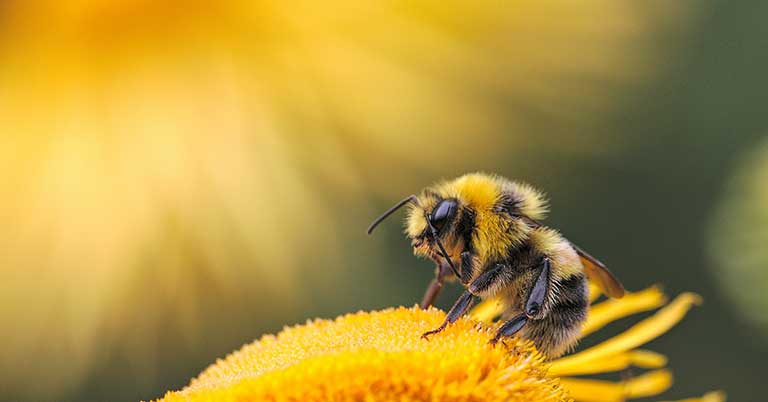
Calendula is a magnet for bees, hoverflies, and other beneficial insects—but only when the flowers are fresh and open. If you’ve noticed a drop-off in pollinator activity, check to see if the blooms are past their prime. Bees aren’t interested in faded flowers, so it might be time to clear the stage for some new ones.
By regularly removing old blooms, you’ll keep the plant putting out fresh flowers that act like flashing neon signs for pollinators. I’ve watched honeybees return to the same calendula patch within hours of new blooms opening. It’s such a lovely cycle to witness—and an easy one to encourage with a little upkeep.
Your Flower Heads Are Covered in Mold or Mildew
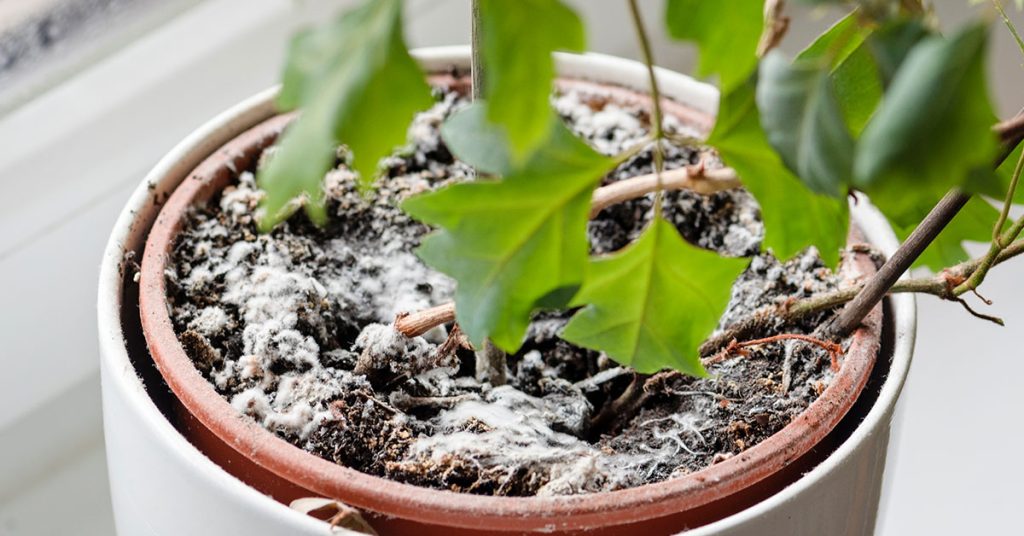
Calendula prefers dry, well-ventilated conditions, but sometimes a stretch of damp weather or poor air circulation can lead to fungal growth on older flowers. If you see fuzzy gray or black mold growing on the petals or seed heads, that’s a definite cue to deadhead right away.
Removing those problem spots keeps the fungus from spreading to healthy parts of the plant. It also tidies up the garden, since moldy flowers are not exactly attractive. After pruning, I sometimes apply a diluted neem spray if the weather’s been especially damp, just to help prevent any lingering spores from gaining ground.
The Blooms Are Becoming Small or Misshapen

As calendula ages, its blooms can start to look a bit… tired. If the flowers are opening smaller than usual, missing petals, or coming in with odd, irregular shapes, that can be a signal the plant needs some maintenance. I think of it like a gentle nudge—it’s saying, “I need help renewing myself!”
Deadheading helps redirect energy to newer growth that’s stronger and more uniform. You’ll often notice the next round of blooms returning to their full, glorious size. It’s especially rewarding to see the plant rebound with bold, symmetrical blossoms after a quick trim and a little TLC.
The Garden Bed Looks Cluttered or Untidy
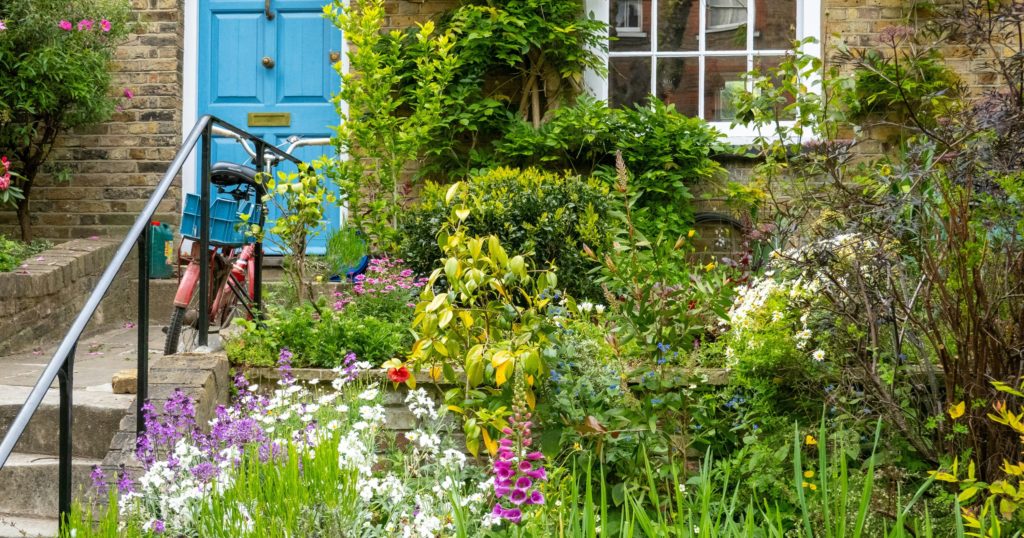
Okay, this one’s about aesthetics—but it does matter! If your calendula patch is looking messy, with drooping seed heads and crumpled petals all over the place, it might be time for a round of deadheading just to clean things up. A tidy bed doesn’t just look better—it encourages airflow, reduces hiding spots for pests, and helps highlight the remaining blooms.
I like to make deadheading a weekly ritual, especially during peak blooming season. It doesn’t have to take long—just a stroll with a basket and some snips—and it makes such a difference in how your garden feels. Calendula thrives with this kind of light, regular attention, and the reward is a bed that always looks refreshed and full of golden sunshine.