

As much as we dream of sunny, warm days in the garden, there comes a point when summer heat turns from friend to foe. I’ve had those heartbreaking moments—watching lush plants start to wilt, flowers crisping at the edges, and fruits refusing to ripen no matter how much I hover with a hose. It’s such a bummer when the weather we wait for all year ends up frying our garden beds into oblivion! Recognizing the signs of heat stress early can save your plants—and your hard work.
The trouble is, heat damage doesn’t always show up in obvious ways. Sometimes your garden just seems “off,” or growth stalls without explanation. As a gardener who’s been there more than once, I want to walk you through the clues that your plants are crying out for help. Here are ten signs the summer heat is wreaking havoc in your garden—and what you can do to stop the damage before it’s too late.
Flower Buds Dry Up Before Blooming

One of the clearest signs that heat is too intense for your garden is when flower buds form but never open. Instead, they dry out, turn brown, or simply drop off altogether. I’ve seen this with tomatoes, cucumbers, and even zinnias—just as you’re getting excited for a bloom or fruit, the plant aborts the effort due to stress.
This happens because the plant’s energy shifts toward survival instead of reproduction. In extreme temperatures, even sun-loving flowers like cosmos or marigolds might go dormant or scale back flowering. It’s a smart survival tactic for them, but frustrating for us! Adding afternoon shade or using shade cloth can help protect blooming plants during intense heat waves.
Leaves Curl Tightly Inward

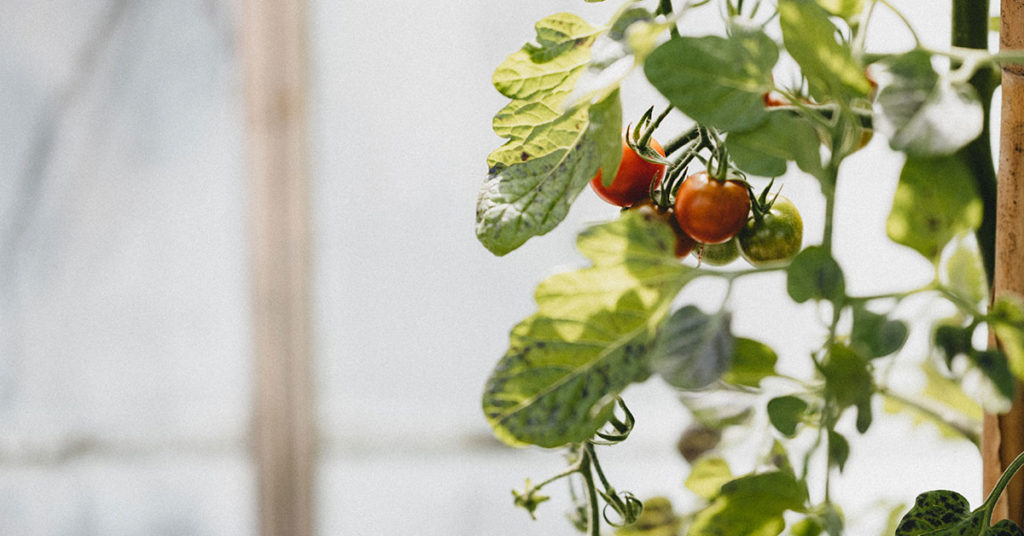
When you notice leaves curling tightly in on themselves—especially in the afternoon heat—it’s often a protective response to reduce surface area and conserve moisture. Tomato plants are notorious for this. It doesn’t necessarily mean they’re dying, but it’s a red flag that they’re under stress.
The tricky part is that curled leaves can also be caused by pests or nutrient deficiencies, so it’s important to consider the bigger picture. If your soil is moist, but the leaves are curling on hot, sunny days and then relaxing again in the evening, heat is the likely culprit. Mulching around the base of your plants helps retain soil moisture and can reduce temperature stress.
Fruits and Vegetables Stop Ripening
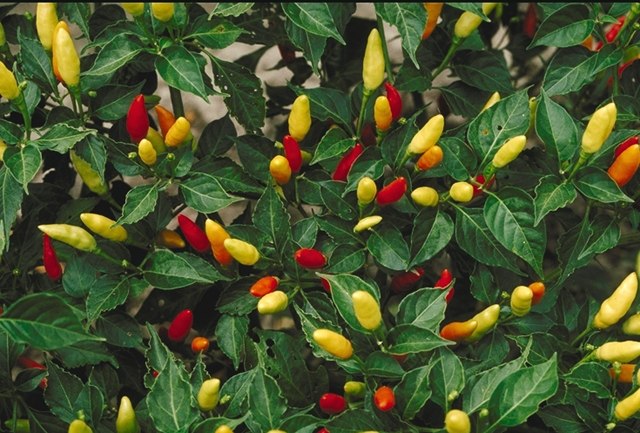
You wait all season for that first ripe tomato or pepper, and then… nothing. The fruits are just sitting there, green and stubborn, refusing to color up. High temperatures—especially above 85–90°F consistently—can halt the ripening process of many common crops.
This is especially true for tomatoes, which stop producing lycopene and carotene when it’s too hot. Peppers can also stall, and squash may start dropping immature fruits. If this is happening in your garden, consider providing filtered shade during peak heat hours. I use old sheer curtains and bamboo stakes in a pinch!
Leaf Edges Turn Crispy or Bleached

It’s always disheartening to see once-lush leaves turn crunchy around the edges. This kind of leaf scorch is a common sign of excessive heat combined with low humidity. The outer margins dry out first because they’re furthest from the veins that carry water.
Some plants are more sensitive than others. Lettuce, basil, and other tender greens are particularly vulnerable, but even sturdy perennials can show signs of sunburn. You might also notice a pale, bleached look on the sun-facing sides of leaves. If this is happening, increase your watering frequency slightly (especially in containers) and add some afternoon shade if possible.
Plants Wilt Even After Watering
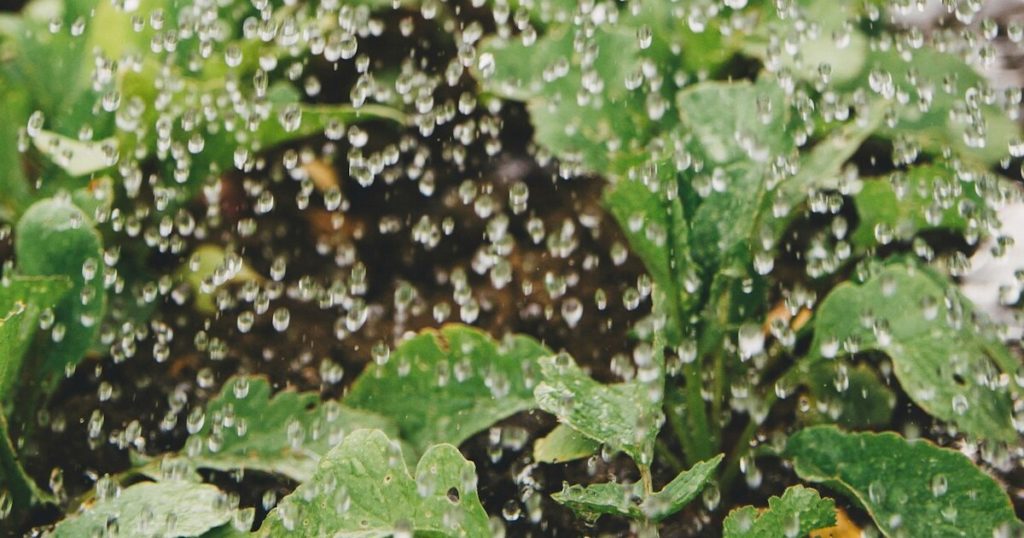
It’s such a gut punch—your plant is drooping, so you water it, only to come back later and find it still wilted! This can mean the roots have been damaged by heat or the plant is transpiring water faster than it can absorb it. Tomatoes and peppers often do this when daytime temps soar.
Another possibility is that the soil is too hot. Dark containers or black mulch can superheat the root zone, making water uptake more difficult. Try watering early in the morning or late in the evening when evaporation is low. And remember that wilting from heat isn’t always a sign the soil is dry—it might just be the plant’s midday coping mechanism.
Blossoms Drop Off Suddenly
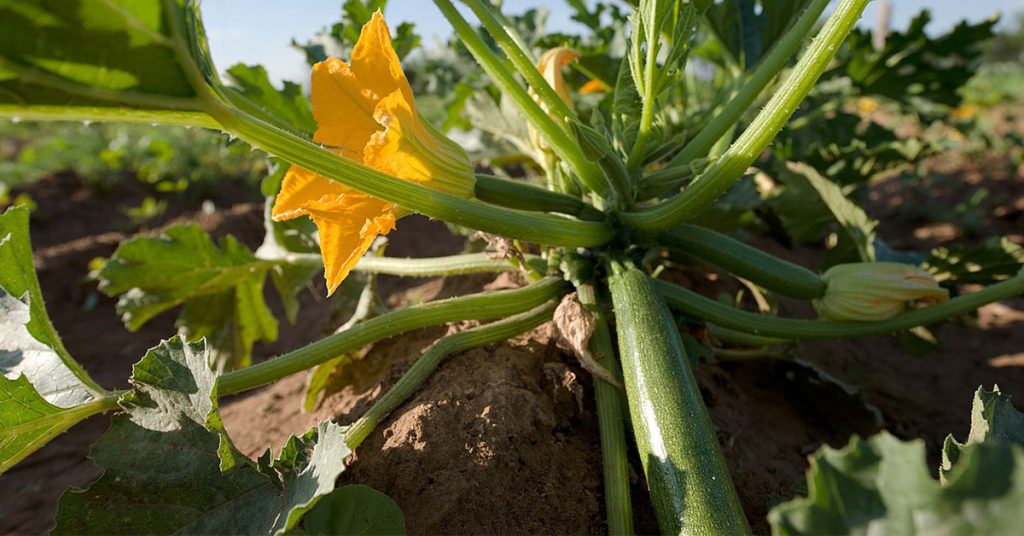
Blossom drop can be absolutely maddening. You’ve got a tomato or zucchini plant covered in flowers, and then boom—nothing but empty stems. This usually happens during prolonged hot spells when daytime temps exceed 85°F and nighttime temps stay above 70°F.
The plant simply can’t sustain reproduction under those conditions. Pollination can also be disrupted—bees work less in extreme heat, and pollen becomes sticky or nonviable. If you’re seeing this sign, focus on keeping the plant healthy through the heat spell rather than trying to force fruit production. Once things cool down, flowering will resume.
Soil Dries Out Within Hours
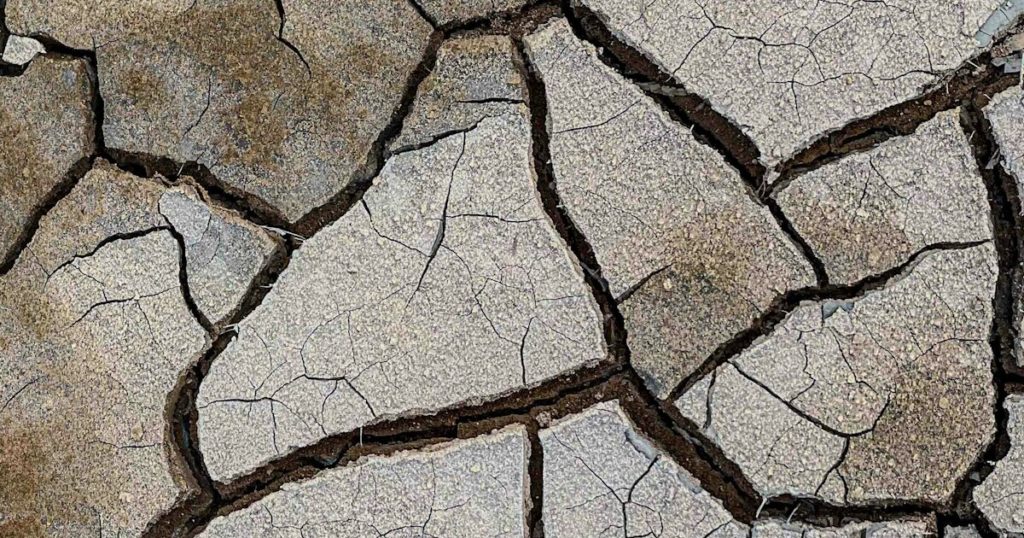
If you find yourself watering in the morning and seeing bone-dry soil by afternoon, it’s a clear indicator that the heat is pushing your garden past its limit. Shallow-rooted plants like lettuce or radishes will show symptoms first, but eventually even deep-rooted plants like squash or beans will start to suffer.
Bare soil loses moisture incredibly fast, so a thick layer of organic mulch—straw, leaves, or even grass clippings—can be a game-changer. It insulates the soil, slows evaporation, and keeps roots cooler. If you’re using containers, consider moving them into partial shade or placing them in trays with a bit of water to provide some relief.
Plants Appear Stunted or Stop Growing

You know that feeling when everything in the garden just seems… stuck? No new leaves, no stretching vines, no swelling fruit. Heat stress can put plants into a kind of suspended animation, where they stop growing to conserve energy. This is most common in young seedlings or newly transplanted crops, but even mature plants can shut down temporarily.
This is a survival response, not a death sentence, but it’s a signal your plants need help. Increase shade, check your watering habits, and avoid fertilizing until temps drop. Plants under heat stress can’t use nutrients efficiently, and too much fertilizer at the wrong time can actually burn them further.
Flower Colors Fade or Change Hue
Some flowers are especially sensitive to temperature, and you might notice their colors looking washed out or different from what you expected. Purple petunias may turn pinkish, while red zinnias can start to look pale. Heat can affect pigment production, especially in newly opened blooms.
This doesn’t mean your flowers are unhealthy—it’s just a response to stress. Still, it’s a good clue that your garden is being pushed to its thermal limit. Watering deeply and reducing reflected heat from nearby hard surfaces (like concrete paths) can help preserve flower vibrancy. I sometimes place potted flowers in partial shade to protect their colors when a heatwave rolls through.