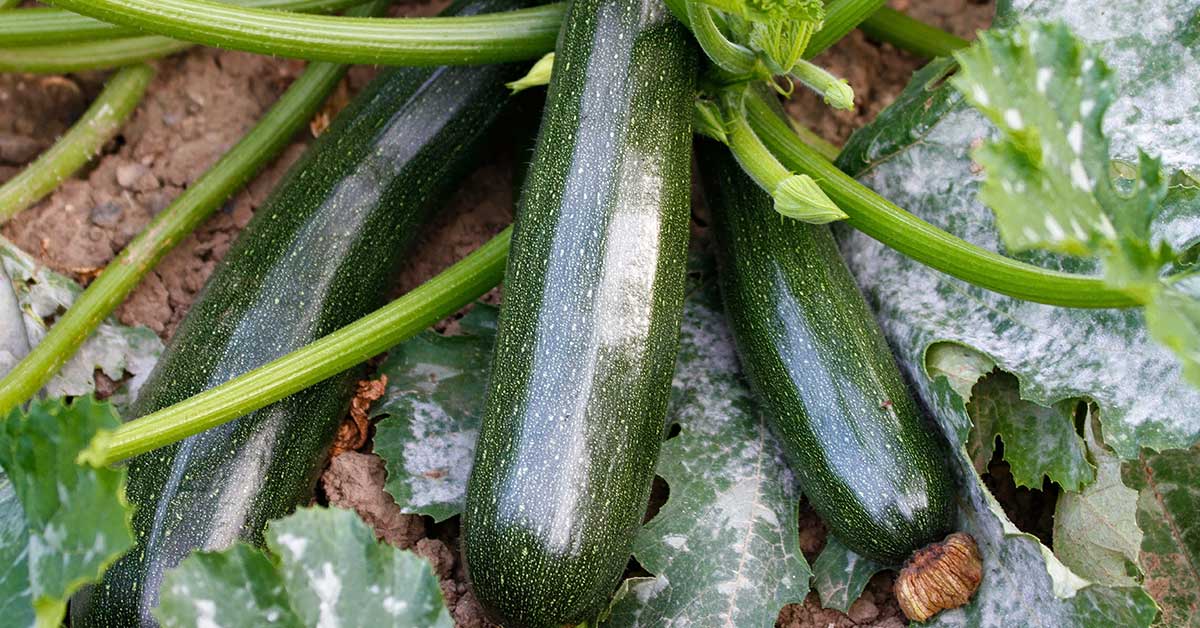

If you’ve ever grown zucchini, you know how fast those green beauties can go from a dainty blossom to a baseball bat-sized gourd overnight. I’ve definitely been guilty of letting one or two hide under the leaves a little too long—only to discover them when they’re longer than my forearm! It’s such a bummer when they get oversized and watery because you missed that perfect window. But once you get the hang of recognizing the signs, harvesting zucchini at just the right moment becomes second nature.
Zucchini, or Cucurbita pepo, is native to Central America and Mexico and is not considered invasive, though it can be wildly prolific. Its large leaves and yellow flowers also attract a host of pollinators, especially bees, who adore those big, open blooms! Some gardeners even notice nesting insects or beneficial critters hanging around the lush plants. Let’s dig into the telltale signs that your zucchini is at its prime—before it turns into a garden monster.
The Skin Is Glossy and Vibrant
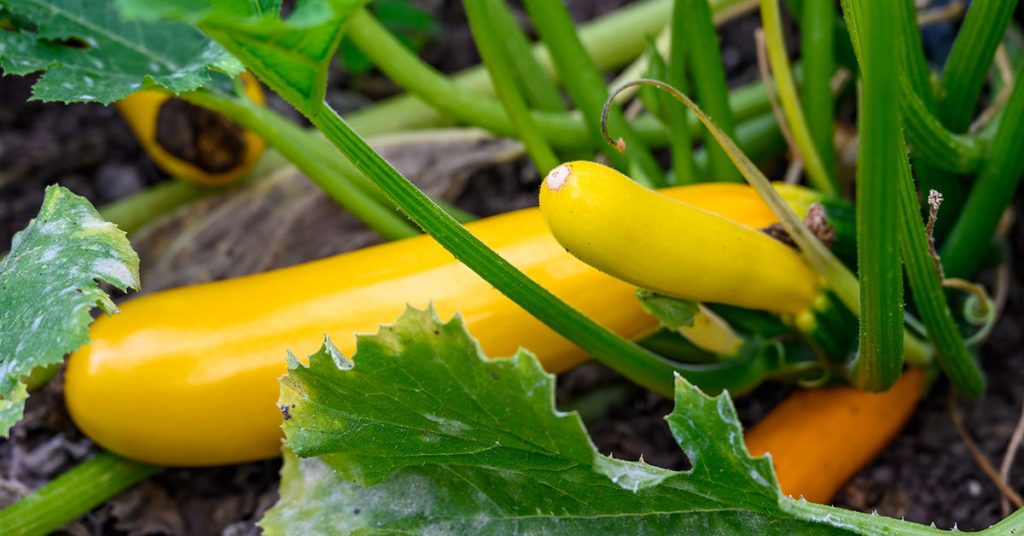
A ready-to-harvest zucchini will have a smooth, shiny skin with a vibrant green (or yellow, depending on variety) tone. That glossy appearance means the skin is still tender enough to eat and the flesh inside is dense but not overly watery. If the skin starts to dull or harden, the zucchini is getting overripe.
In my garden, I often spot that gleam when I’m doing my morning rounds. It’s like the squash is quietly waving, “Pick me today!” This shine is more than just a pretty feature—it’s an indicator that the zucchini is still in its prime for grilling, roasting, or spiralizing. Dull, matte skin means the texture may be tough and the flavor lacking.
It’s Between 6 to 8 Inches Long
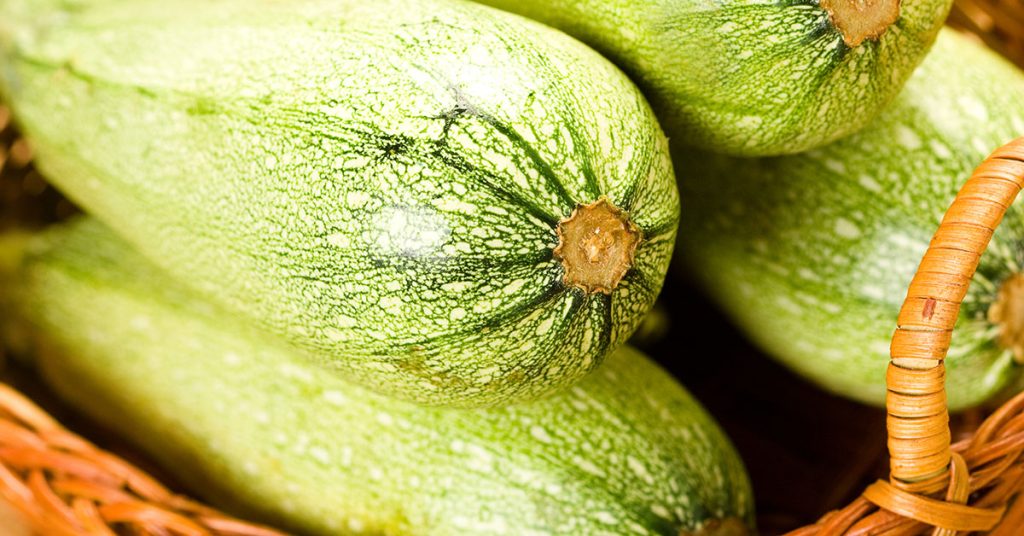
While zucchini can technically be eaten at any size, the sweet spot is usually around 6 to 8 inches. At this stage, the seeds inside are still small and soft, and the skin is thin enough to enjoy without peeling. If you wait too long and let them get longer than 10 inches, they can quickly become fibrous and flavorless.
I totally get the temptation to let them grow “just a little more,” especially when they seem to double in size overnight. But I promise—smaller zucchini have more concentrated flavor and better texture. They’re also less likely to trigger that panic harvest when you realize you’ve got twenty oversized squash all at once!
It Feels Firm When You Give It a Gentle Squeeze
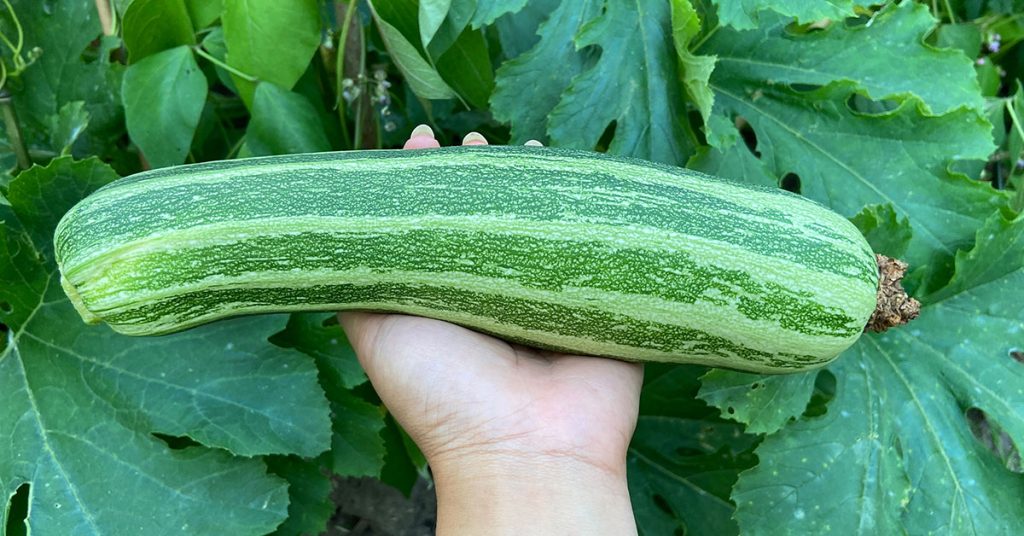
Give your zucchini a light press. If it feels firm and springy, it’s just right. A soft or spongy feel, especially near the blossom end, might mean it’s gone past its peak and started breaking down inside. Nobody wants to slice into a mushy zucchini and find seeds the size of marbles!
One thing I love about this method is that it’s reliable across all zucchini types—green, yellow, striped, or even round varieties. Whether you’re growing them in a raised bed or letting them sprawl through a pollinator patch, firmness is your go-to texture test. Trust your hands—they won’t steer you wrong.
The Blossom Has Dried Up or Fallen Off
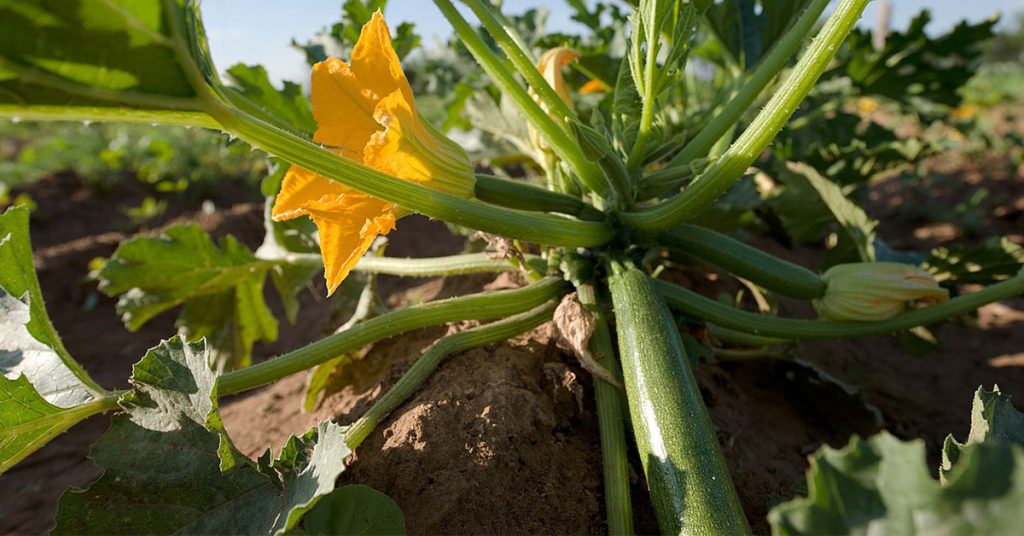
Zucchini start with a lovely bloom at the end of the fruit. As they ripen, that blossom withers, dries, and often falls away. This natural progression is one of the best signs that the zucchini is nearing harvest time. If the blossom is still attached and fresh, the fruit likely needs another day or two.
I always find this part kind of poetic—watching the flower give its final bow before the zucchini is ready to shine in your kitchen. Plus, once the blossom drops, the fruit stops growing as rapidly and begins concentrating flavor and sugars. It’s like the plant knows it’s time to pass the baton to the gardener.
You Can Pierce the Skin With Your Fingernail
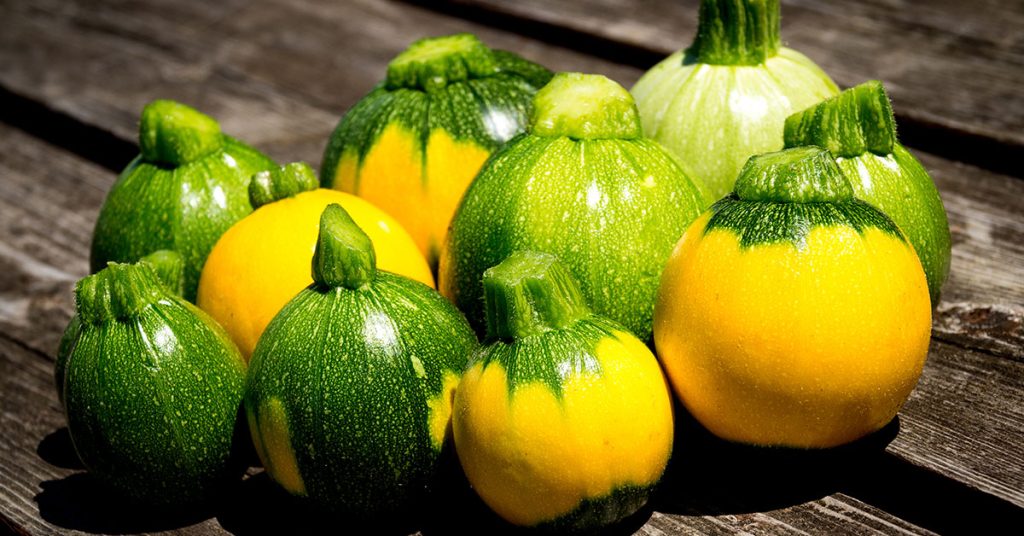
This is an old-school gardening trick that still works like a charm. Try gently pressing your thumbnail into the skin of the zucchini. If it leaves a slight indentation or breaks the surface easily, your squash is tender and ready to eat. If it resists or feels like wood, it’s probably overripe.
This method is especially useful when you’re growing multiple varieties and not all of them follow the same size guidelines. Some heirloom or compact zucchinis may mature at just 4 inches! Let the skin be your guide—it’s one of the clearest indicators of harvest time no matter the type.
The Color Is Consistent From Tip to Stem
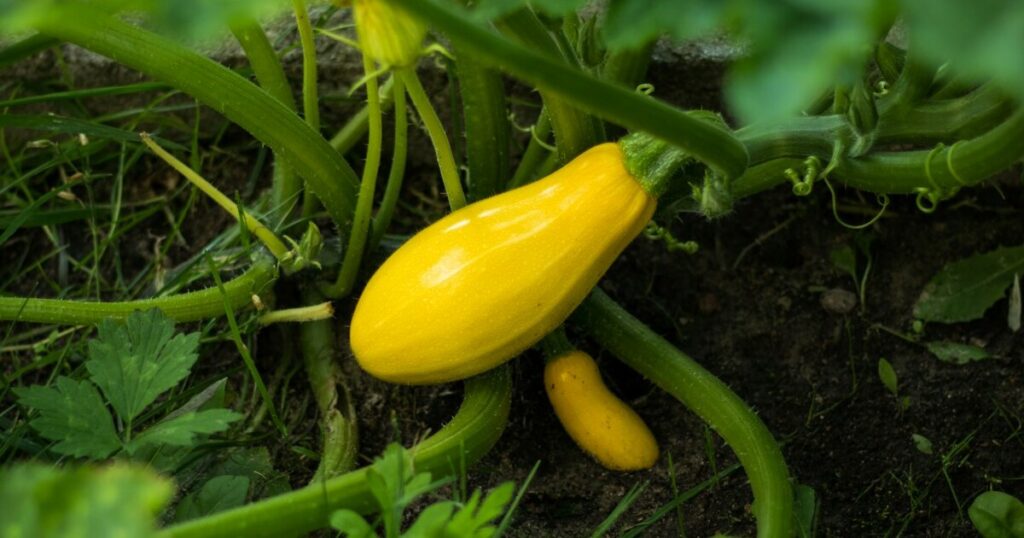
Check that your zucchini has even coloring from one end to the other. Uneven patches—like pale or green-tinted areas near the blossom end—can mean it still needs some ripening time. Consistent, saturated color across the whole fruit is a surefire sign of maturity.
This has helped me more than once when I’ve spotted half-hidden fruits beneath the giant leaves. A zucchini with even coloring looks like it belongs in a seed catalog photo, and it almost always tastes just as good as it looks. Keep an eye out for streaky or mottled skin if you’re growing patterned varieties—that’s often their natural ripening look!
It’s Been About 4 to 7 Days Since the Flower Opened
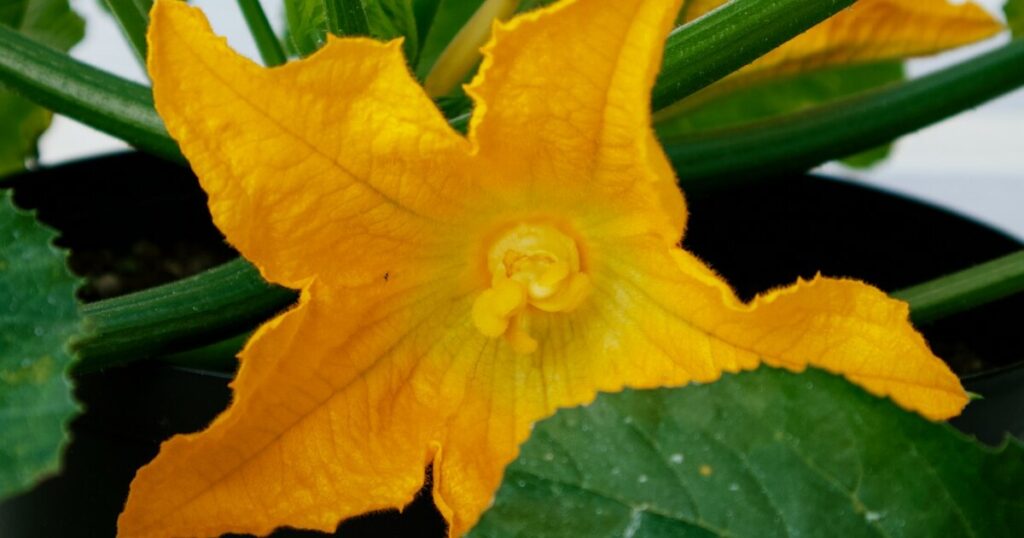
Once you see a blossom open, mark your calendar—zucchini can be ready to harvest just 4 to 7 days later! Their growth is incredibly fast, especially in warm, well-watered gardens. Tracking days since flowering is a great habit to get into, especially if you’re growing for peak flavor or market harvests.
I used to be shocked by how fast things developed—one day it’s a baby squash and a few days later it’s the size of a water bottle. Keeping track on a phone note or garden journal helps prevent surprises and overgrown giants hiding in the foliage. It’s all about timing and attention!
Pollinators Are Losing Interest
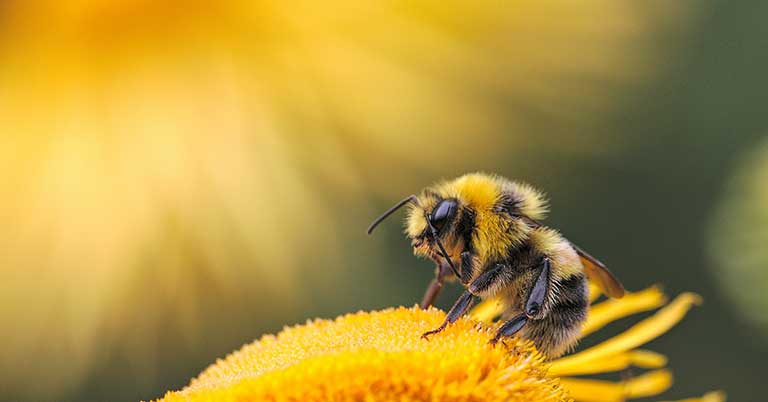
When your zucchini plants are no longer swarming with bees and hoverflies around the blossoms, that’s a sign that the primary pollination period has passed—and your fruits are probably maturing fast. Less floral activity often means the plant is focusing its energy on swelling fruit rather than attracting visitors.
Zucchini flowers are like nectar buffets for bees, and their open, cup-like shape makes them great nesting and feeding spots. I always enjoy watching the early-morning buzz around the patch. But when that show starts to fade, I know it’s time to pay close attention to the squash forming beneath those leaves!
You’re Starting to See Tiny Spines or Bumps on the Skin
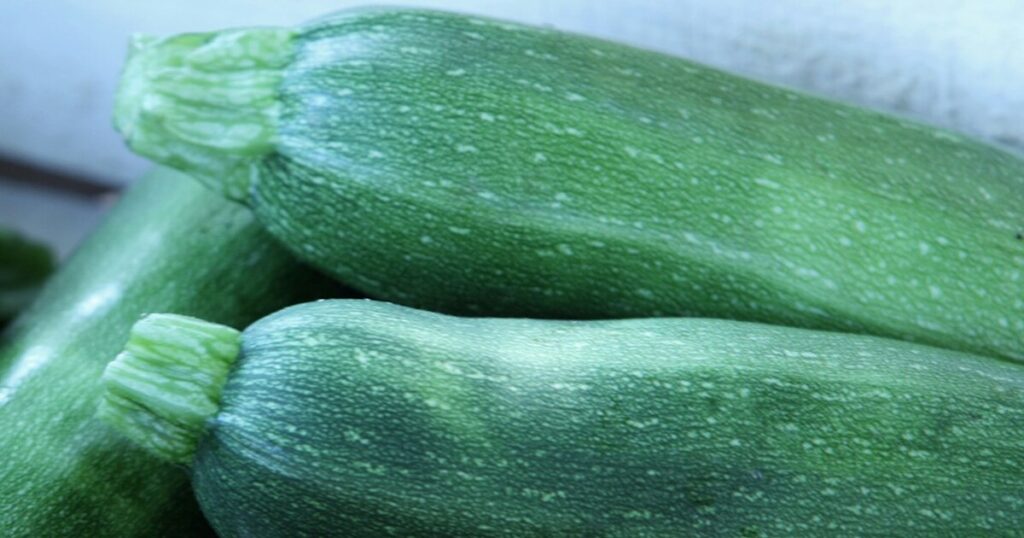
Some zucchini varieties develop fine little hairs or prickly bumps when they’re ripe. These aren’t dangerous, but they can feel a bit scratchy when you pick them. Once those tiny surface textures start appearing, it’s often a sign the skin is maturing and the fruit is approaching peak readiness.
This feature varies depending on the cultivar, but in my garden, it’s one of the first visual signs I spot when I scan the patch. If you’re growing classic dark green zucchini or even a round variety like Eight Ball, those tiny bumps can be your secret cue to grab the basket and harvest while the getting’s good!