
It’s such a bummer when you’ve nurtured your tomato seedlings, watered your pepper transplants, and tended your bean vines—only to find them looking pale, sickly, or even abandoned. Spider mites are stealthy little pests that can reduce a thriving vegetable patch to a withered mess before you even realize they’re there! As someone who’s battled these eight-legged invaders on everything from cucumbers to eggplants, I know how exasperating it can be to watch your hard work unravel.
Early detection is your best weapon. In this guide, we’ll explore nine unmistakable signs of spider‐mite infestation—so you can spring into action before populations explode. With a keen eye and prompt care, you’ll keep your veggies lush, productive, and spider-mite free!
Fine Webbing Draped Over Leaf Surfaces
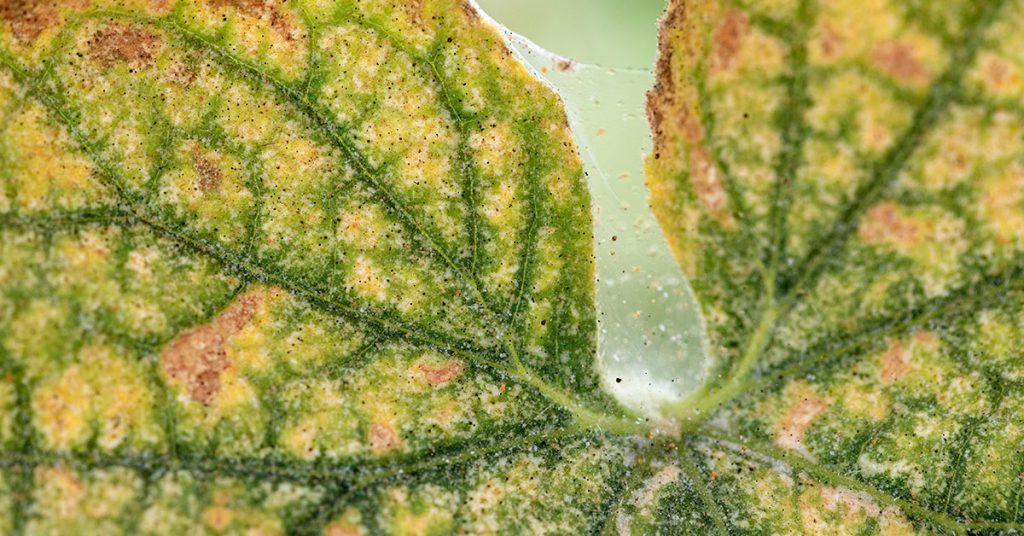
One of the most distinctive clues is the presence of silky, gossamer threads spun between leaf veins and stems. These fine webs aren’t your average spider’s handiwork—they’re the fortress spider mites build around their colonies (Tetranychus urticae, an invasive pest). On squash (Cucurbita pepo, native to the Americas), those webs can stretch from the leaf undersides to the neighboring foliage, creating a silken canopy.
Webbing protects mites from predators and even some sprays, making control trickier. I remember inspecting my cucumber patch and discovering entire vines wrapped in these silky tunnels—an alarming sight! If you spot webbing, it’s time to prune heavily infested leaves and begin targeted miticide or organic control measures immediately.