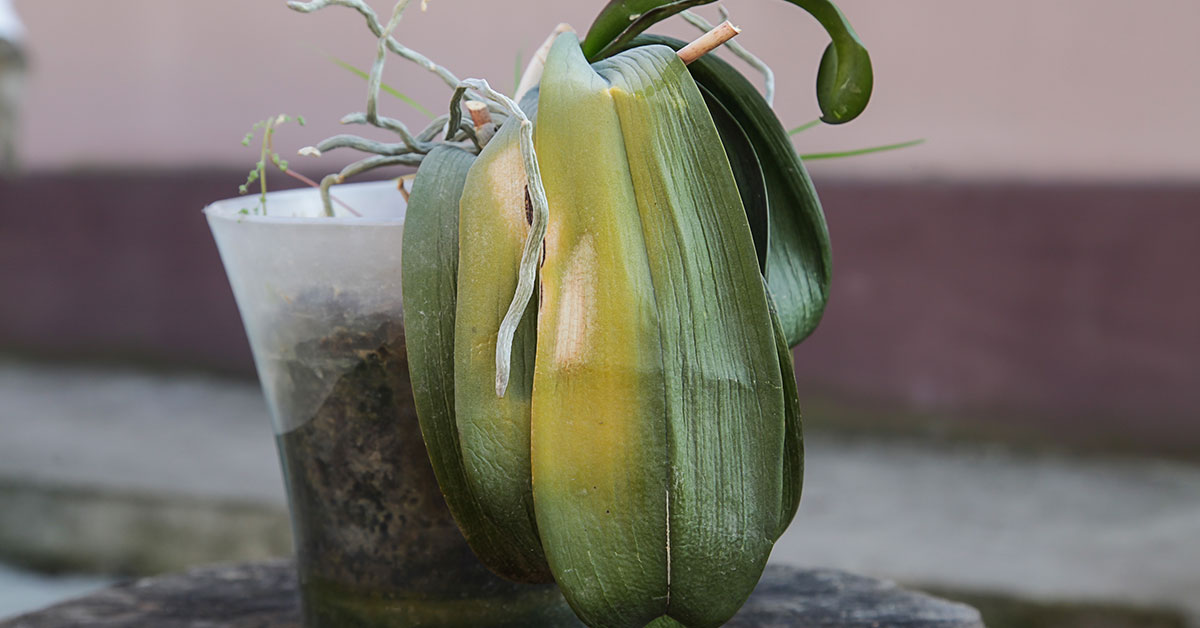

Root rot is a gardener’s nightmare—especially when your once-vibrant fiddle leaf fig or peace lily starts to look droopy and forlorn despite your best care. Houseplants come from diverse corners of the globe, each adapted to specific moisture, soil, and light conditions; none are invasive indoors, but they can all fall prey to overwatering and poor drainage. Catching root rot early means the difference between a quick recovery and a catastrophic loss of your green friends!
I know how disheartening it is to spot your beloved plants languishing, wondering where you went wrong. Those subterranean pathogens thrive in soggy, oxygen-starved soil and can spread faster than you think. Let’s dive into nine unmistakable signs of root rot—presented in a fresh, randomized order—so you can act fast, revive your plant babies, and avoid repeating the same mistakes!
Stunted Growth and Lack of New Shoots

Watching a spider plant fail to produce its signature baby plantlets can be soul-crushing—believe me, I’ve been there! When root rot sets in, the damaged roots can’t supply water and nutrients to support new growth, leaving your plant stuck at last season’s height.
If your plant seems frozen in time, check the roots. Healthy roots power fresh leaves and side shoots; rotten roots block that flow. A timely repot and root trim often reignite growth, giving you those delightful little sprouts you’ve been waiting for!
Brown or Blackened Root Tissue

Peeking beneath the soil and finding slimy, dark roots is never fun—I’ll admit I’ve cringed at that sight more than once. Unlike the firm, white roots of a healthy plant, brown or black roots are mushy and easily break apart under gentle tugging.
Once you spot discolored roots, it’s time for drastic action: trim away all the rotten bits until only firm, pale tissue remains. Treat the remaining roots with a natural antifungal like cinnamon, repot in fresh, airy mix, and watch your plant rally back to health.
Leaves Dropping Prematurely

A cascade of fallen leaves is a loud SOS from your plant. While seasonal leaf drop can be normal, sudden mass shedding—especially when accompanied by moist soil—points squarely at root trouble.
I always clear away those dropped leaves and check the pot’s drainage first. If the soil feels heavy and wet, root rot is likely the culprit. Fresh soil and better drainage usually stop the leaf litter and restore balance!
Soil Remaining Soggy for Days

If your pot remains heavy and waterlogged even days after watering, the roots are essentially drowning. I once forgot to clear a clogged saucer, and that stagnant moisture turned my fern into a mushy mess!
Good drainage is non-negotiable: make sure pots have unblocked holes, use chunky substrates like perlite, and elevate containers slightly. When water drains freely, roots stay oxygenated and rot has a hard time taking hold.
Mushy or Discolored Stems Near the Base

Noticing the lower stems of your dracaena going soft or turning brown is a clear sign that rot has crept from roots into the main structure. Mushy stems can’t transport nutrients, and before you know it, the entire plant wilts.
I saved one beloved dracaena by cutting just above healthy, white tissue and propagating the top portion. It felt dramatic, but that fresh cutting often reestablishes a strong root system—proof that even dire symptoms can lead to new beginnings!
Mold or Fungal Growth on the Soil Surface
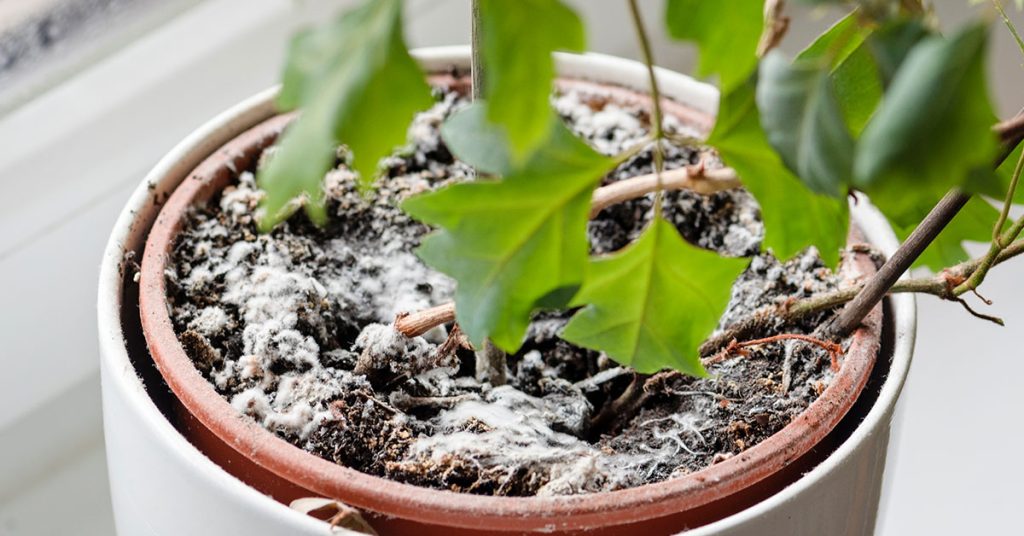
Spotting fuzzy white or gray patches on your plant’s soil sends a chill down any gardener’s spine! That surface mold thrives in constantly damp conditions and signals that pathogens are likely festering below.
When I see mold, I scrape off the top layer of soil, thin out crowded foliage, and repot with sterilized mix. Improving air circulation and reducing surface moisture usually halts the fungal bloom—and keeps root rot at bay too!
A Foul, Musty Odor From the Soil

A sour, swampy smell wafting from a pot is impossible to ignore—it’s like nature’s alarm bell. That musty odor comes from decaying roots and anaerobic bacteria thriving in oxygen-starved soil.
Trust your nose! As soon as I detect that smell, I unpot the plant, trim away rotten roots, and refresh the soil. It’s not fun, but it’s by far the quickest path to saving what’s left of your plant’s health.
Lower Leaves Turning Yellow First
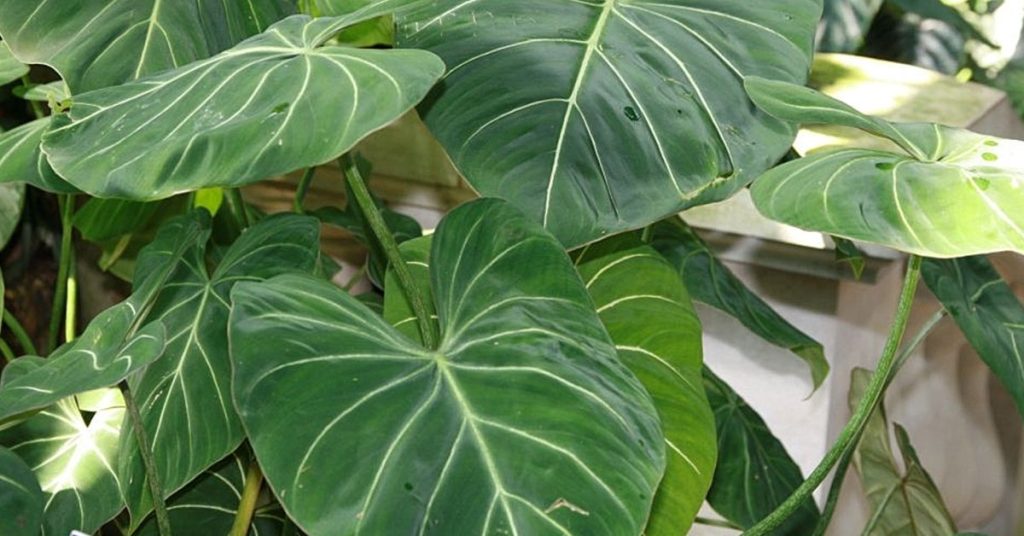
When the bottom leaves of your once-glossy philodendron start yellowing, it’s often a sign that nutrients aren’t making their way up from the roots. I’ve mourned the loss of foliage that faded despite perfect light and feeding—only to discover that the roots were the real problem.
Removing yellowed leaves and inspecting the roots can be your saving grace. If you find soft, dark roots, act quickly with repotting and root treatment to prevent yellowing from creeping upward!
Persistent Wilting Despite Moist Soil

Watering a wilting plant only to see it droop more is confusing—and heartbreaking. When roots rot, they can’t absorb water, so the soil feels damp but the foliage remains limp.
I remind myself that wilting isn’t always a thirst issue—it can be a rot issue. If a seemingly well-watered plant stays wilted, it’s time to check those roots, let the soil dry slightly, and give the plant a fighting chance in fresh, aerated mix!