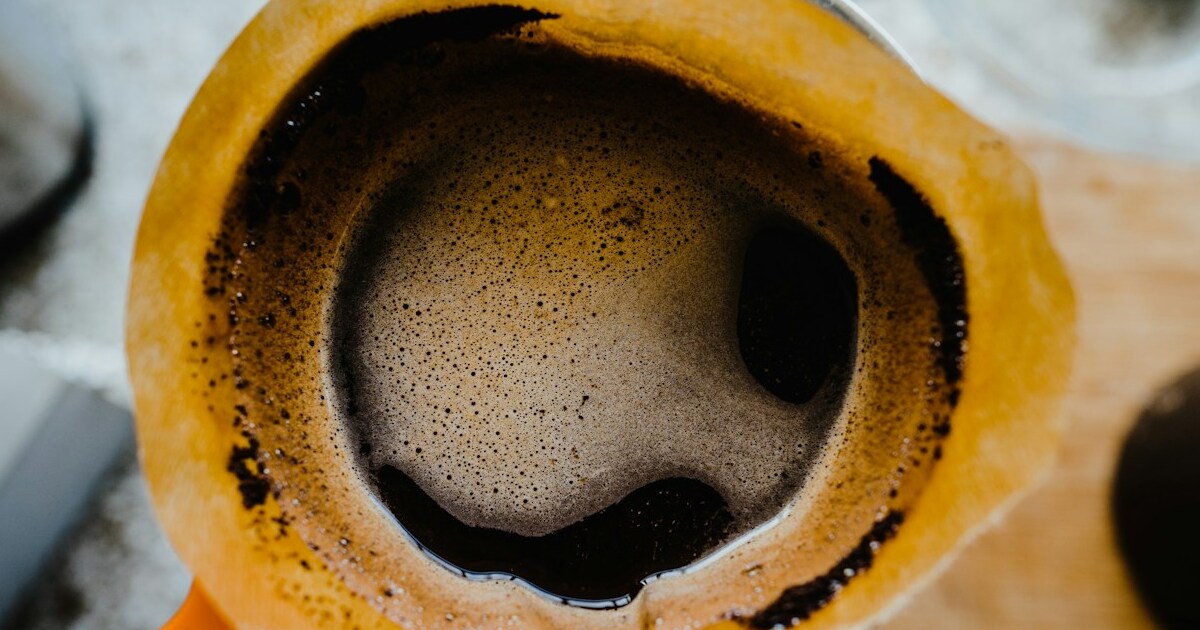

If you’re like me and start your day with a fresh cup of coffee, you’re probably left staring at a soggy pile of used grounds every morning. And it’s such a shame to toss them in the trash when they could be working magic in your garden instead! Composting coffee grounds is one of those easy, satisfying habits that not only cuts down on waste but actively improves your soil, helps your plants, and supports the broader ecosystem in your backyard.
I know how overwhelming it can feel to figure out what belongs in your compost pile and what doesn’t—especially when you’re trying to be eco-conscious without making things too complicated. That’s why I’m here, as your compost-loving garden buddy, to get you excited about one of the most overlooked, everyday additions you can toss into your bin. Let’s dive into why composting coffee grounds is such a game-changer—and why your plants (and the planet) will thank you!
Coffee Grounds Are Packed With Nitrogen
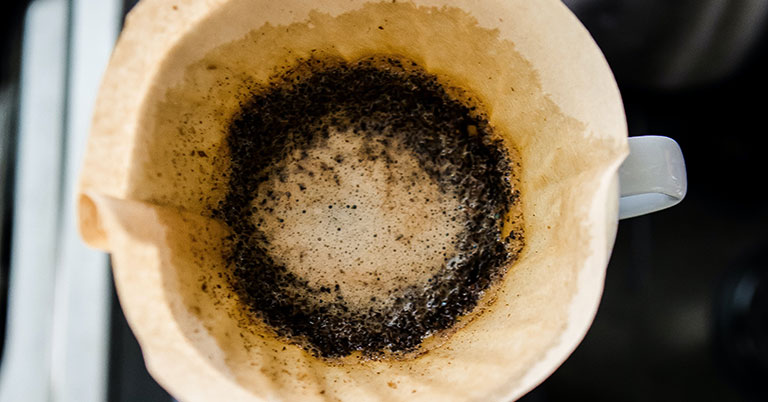
Nitrogen is one of the key ingredients for healthy compost, and coffee grounds deliver it in abundance. While many people assume used grounds are acidic, they actually become pH-neutral after brewing and serve as a powerful “green” component in your compost pile. Think of them like an energizing boost to the biological activity that breaks everything down into rich, dark humus.
For gardeners, this nitrogen is gold—especially if you’re dealing with slow-to-decompose materials like dried leaves or straw. Balancing your “browns” with a strong nitrogen source helps keep your compost from stagnating or smelling sour. And since you’re probably brewing coffee daily, this becomes a reliable, renewable addition to your pile that supports all kinds of beneficial microbial behavior.
They Attract Earthworms (the Good Kind of Nesting!)

If you’ve ever dug into your compost pile and been delighted to find it wriggling with earthworms, you’re not alone! Coffee grounds seem to be particularly enticing to these soil builders. Earthworms will actually gravitate toward areas in your compost where coffee grounds have been added, creating little nutrient-packed nests as they break it down.
Worms help aerate your compost, speed up decomposition, and produce worm castings—a nutrient-dense superfood for plants. So by adding coffee grounds, you’re basically rolling out the red carpet for these helpful creatures. It’s a symbiotic relationship that works beautifully in both outdoor bins and indoor worm composting systems.
You’re Reducing Landfill Waste Every Day
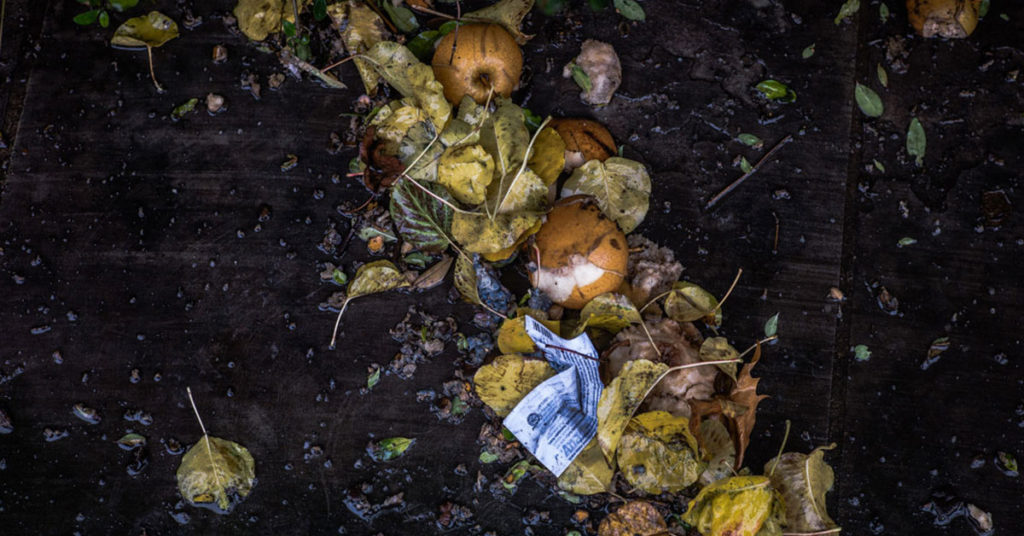
One of the simplest but most powerful reasons to compost your coffee grounds is to keep them out of the trash. Coffee grounds are heavy, and when they end up in landfills, they contribute to methane emissions as they decompose anaerobically. That’s a greenhouse gas we definitely don’t need more of!
By diverting them into your compost pile, you’re turning what would be trash into treasure. It might not feel like much each day, but over time, all those daily scoops of grounds really add up. I always remind folks that composting isn’t just about gardening—it’s a quiet, consistent act of environmental stewardship. And it starts right at your kitchen counter.
They’re a Natural Pest Deterrent

If you’ve ever had trouble with ants, slugs, or even neighborhood cats digging in your garden beds, used coffee grounds can be part of the solution. While the scent is pleasant to us, it’s a little too strong for many pests, and the gritty texture deters soft-bodied invaders like slugs from crawling through it.
I wouldn’t rely on grounds alone for major infestations, but as a deterrent sprinkled around vulnerable plants or added to compost that’s headed for the garden, they do make a difference. I’ve even seen birds avoid scratching in certain beds after I’ve mulched with a thin layer of compost containing coffee grounds!
They Help Break Down Tough Materials Faster

Certain compost materials—like corn stalks, woody stems, or thick, dry leaves—can take forever to decompose. Coffee grounds, being finely textured and nitrogen-rich, help generate the kind of heat and microbial activity needed to break these tougher items down. That’s especially useful during cooler seasons when decomposition slows naturally.
It’s kind of amazing how much a handful or two of grounds can liven up a tired or sluggish pile. If your compost isn’t heating up or you’re left with large chunks that won’t break down, try mixing in some moist coffee grounds with the bulkier stuff. It kickstarts the process and encourages more balanced breakdown.
Coffee Grounds Improve Soil Texture

Once composted, coffee grounds help create a loamy, crumbly texture that plants just love. The grounds themselves break down into fine organic matter that enhances soil structure, especially in sandy or compacted soils. They increase the soil’s ability to retain moisture while improving drainage—yes, both at once!
This kind of soil amendment is especially useful near front walkways or raised beds where drainage can get a little tricky. I’ve noticed my plants seem more vigorous in areas where I’ve worked in compost that had a healthy portion of coffee grounds. The texture alone is reason enough to keep those grounds out of the trash.
You’re Replacing Synthetic Fertilizers Naturally
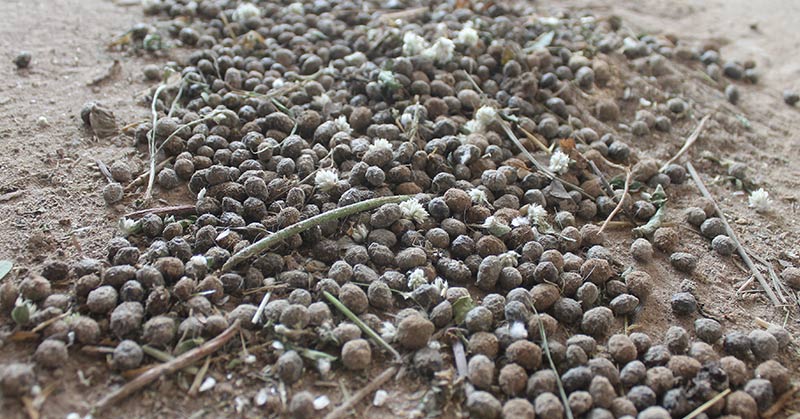
Store-bought fertilizers often come with runoff concerns, synthetic ingredients, and sometimes even microplastics. But compost that’s been built up with rich nitrogen sources like coffee grounds can provide a slow-release nutrient supply without the need for packaged products. This is a huge win for anyone trying to garden organically.
When you compost your coffee grounds, you’re essentially creating your own natural fertilizer at home—one that’s perfectly balanced with microbes, minerals, and organic matter. It may not be as flashy as a commercial product, but your plants will notice the difference. And your budget might too!
They Help Control Odors in the Compost Bin

Let’s be real—compost piles can get funky. Especially if your balance of greens and browns is off. But coffee grounds, with their naturally deodorizing properties and fine texture, can help soak up excess moisture and keep bad smells at bay. They’re especially handy when your pile is overloaded with kitchen scraps like fruit peels or veggie trimmings.
I like to sprinkle a thin layer of used grounds over the top of particularly smelly additions. It acts almost like a mulch layer, helping to lock in odors and moisture while the microbes do their work. It’s one of the little tricks I always suggest to new composters who are worried about their pile offending the neighbors!
They’re Readily Available Every Day

Unlike other compost ingredients that come in waves—like autumn leaves or spring grass clippings—coffee grounds are wonderfully consistent. Whether you brew a pot daily or just pick up a cup from your local café, those used grounds are almost always available. That makes them one of the most practical and sustainable ingredients in your composting routine.
Many coffee shops are even happy to give away their grounds for free! I’ve collected five-gallon buckets’ worth from local cafés before, which is especially helpful when I’m building up a new compost pile. It’s a resource hiding in plain sight, and once you start saving your grounds, it quickly becomes second nature.