

There’s nothing more disheartening than spotting a white, dusty layer creeping across the surface of your cherished pothos or African violet’s soil! You’ve nurtured these plants—perhaps a snake plant (Sansevieria trifasciata) from West Africa or a peace lily (Spathiphyllum wallisii) native to Central America—expecting robust, glossy leaves, only to find powdery mildew settling in like an uninvited guest. I know how frustrating it is when you water carefully, position your houseplants in bright, indirect light, and still end up seeing that fungal fuzz. Powdery mildew on soil is not only unsightly but can indicate deeper issues in your growing environment that might compromise overall plant health.
In this guide, we’ll explore nine common causes behind powdery mildew colonizing your indoor plant soil. Each section will delve into why this fungus flourishes, from clinging to spores in contaminated potting mixes to thriving in overly humid conditions. We’ll even discuss how certain practices—like reusing old soil without sterilizing or letting debris accumulate—create the perfect nesting ground for those fungal spores. By understanding these reasons and taking corrective actions, you’ll be one step closer to banishing that white fuzz and ensuring your indoor garden stays vibrant and mildew-free!
Lack of Beneficial Microorganisms in Your Soil
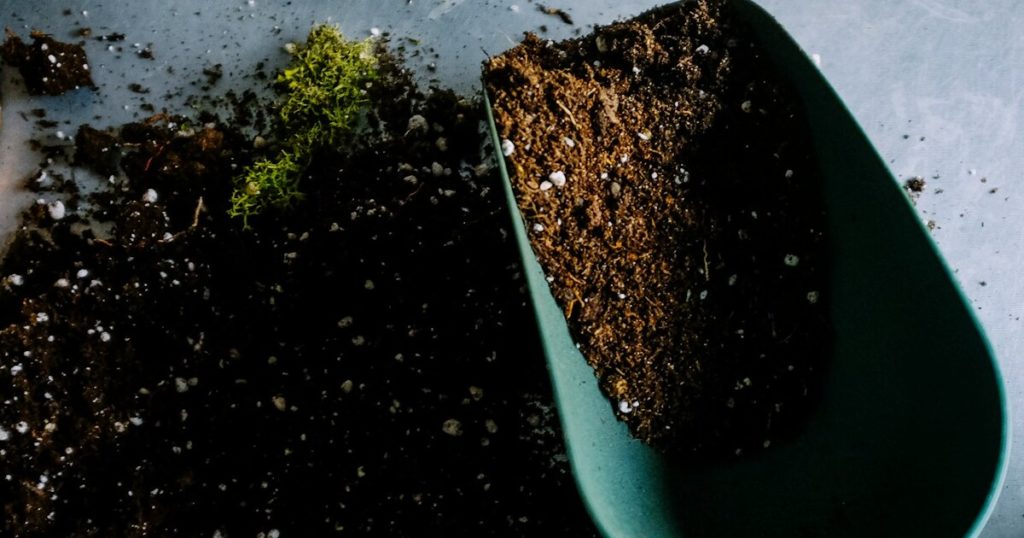
One of my favorite secrets to preventing soil-borne fungi is fostering a thriving community of beneficial microorganisms. In nature, soils teem with bacteria, nematodes, and non-pathogenic fungi that compete fiercely with powdery mildew for resources. However, many commercial potting mixes are sterilized or heavily treated to remove pests, inadvertently eliminating these helpful allies. Without this microbial competition, powdery mildew can easily nest among the weakened microbial community, seizing the opportunity to germinate and spread across that pristine-looking soil.
Imagine you’re caring for a maidenhair fern (Adiantum spp.), originally found in temperate woodlands: its native soil is alive with microorganisms that keep fungal invaders in check. But when repotting into chemically treated potting mix, you’re essentially creating a sterile petri dish—ideal for powdery mildew to flourish unchallenged. To combat this, blend in homemade compost or a small portion of forest soil (free from visible disease) to reintroduce beneficial microbes. Over time, you’ll notice fewer outbreaks of white, powdery fuzz as your soil’s microbial balance tilts back in favor of healthy bacteria and fungi that crowd out mildew.
Contaminated Potting Mix or Shared Tools

It’s such a bummer when you unbox a fresh bag of potting soil only to discover it’s already harboring powdery mildew spores. Commercial potting mixes can be contaminated at the factory or during storage, especially if stored in humid warehouses. The moment you scoop that soil into your container, you’re inadvertently sowing mildew spores alongside your philodendron (Philodendron hederaceum), a tropical native of Central and South America. Even more insidious, using the same unsterilized tools—like trowels or pruning shears—across multiple pots can transfer those spores from one infected plant to an otherwise healthy snake plant.
Think back to the last time you repotted a nubile African violet (Saintpaulia spp.), native to Tanzania. If you skipped sterilizing your pots or tools, there’s a good chance you carried living spores from an infected succulent over to the new soil. Even sharing a watering can or saucer between pots can allow spores to spread like wildfire. To stop this cycle, always source potting mix from trusted suppliers, store it in a cool, dry place, and wipe down tools with a 70% isopropyl alcohol solution between uses. This simple practice dramatically reduces the likelihood of transporting powdery mildew from one plant’s soil to another’s.
High Ambient Humidity and Inadequate Ventilation

Humidity is a double-edged sword for houseplants: while many favorites—like begonias (Begonia spp.), native to tropical regions of Asia and Africa—appreciate humid microclimates, stagnant, overly moist air invites powdery mildew to nest on the soil. When relative humidity hovers above 70% indoors, especially during cooler months when heaters aren’t running frequently, airborne spores linger longer and find it easier to colonize. If your ferns or peace lilies sit too close together by a north-facing window with little airflow, you’ve created a perfect foggy forest understory—ideal for mildew to spread unchecked.
Adequate ventilation helps spores evaporate and disperse before they can land and thrive. I once had a collection of calatheas (Calathea spp.), tropical natives from the Americas, clustering along a sunny wall. They looked gorgeous, but because I kept windows sealed and ran an old humidifier constantly, their soil ended up carpeted in white fuzz by spring! Opening a window for a few hours daily or using a small oscillating fan directed at the plant base can break up humidity pockets. Just enough air movement mimics a gentle breeze in a rainforest, discouraging powdery mildew from settling in your indoor oasis.
Overwatering and Persistently Moist Soil

I know how tempting it is to keep the soil of a thirsty monstera (Monstera deliciosa), native to the rainforests of southern Mexico, constantly damp—especially if you see drooping leaves and worry you’re underwatering. But herein lies a common pitfall: when soil stays soggy for days on end, powdery mildew spores exploit that moist environment like moldy orchids on a rainforest branch. Overwatering not only invites root rot but also ensures the soil’s surface never dries enough to discourage fungal germination.
The white, powdery layer often appears where water pools on the soil’s top, creating a shallow, wet mat ideal for mildew growth. To correct this, allow the top one to two inches of soil to dry before watering again, and choose well-draining mixes rich in perlite or orchid bark—especially for epiphytic plants like philodendrons. Additionally, ensure your pots have drainage holes and that excess water doesn’t linger in saucers beneath. Once the soil dries out periodically, you’ll likely see a significant retreat of that powdery mildew as its environment becomes less hospitable.
Accumulation of Organic Debris on Soil Surface
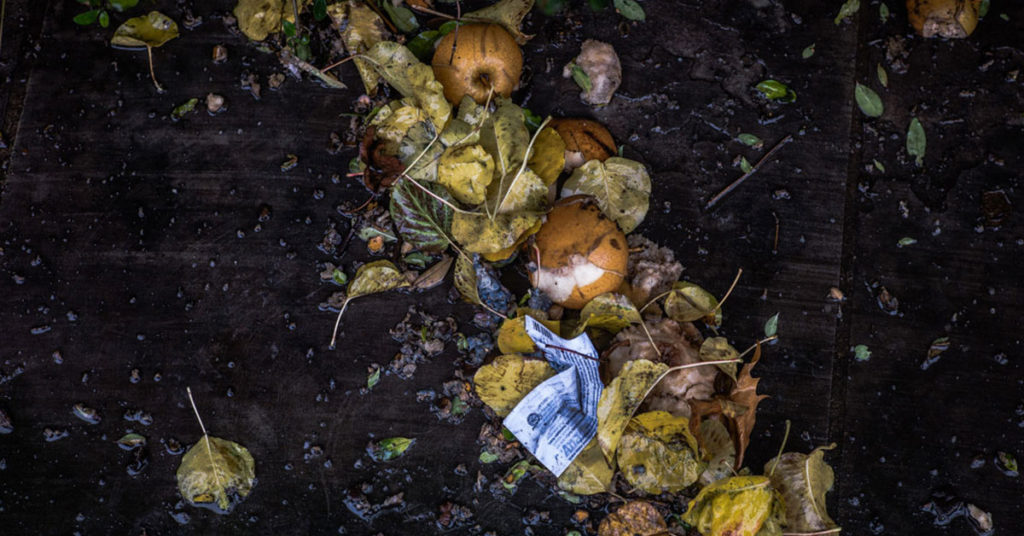
Those delicate leaves of your African violet or maidenhair fern can be prone to dropping spent foliage, flower petals, or fine root fibers onto the soil surface. Left unchecked, this organic debris decomposes slowly, creating a damp, nutrient-rich carpet that powdery mildew spores eagerly colonize. This scenario is especially common with begonias, whose native habitats in tropical Asia and Africa feature thick layers of fallen leaves, but indoors, without natural decomposers, that layer just sits there, beckoning fungal growth.
As a gardener who’s accidentally let leaf litter pile up under my peace lilies, I can attest to the frustration of waking up one day to find a fine, white dust coating the soil. To prevent this, gently remove old leaves and petals with tweezers or a small brush, being careful not to damage new seedlings. You can also top-dress your pot with a thin layer of horticultural grit or sterile sand that hides the soil without trapping moisture. This simple habit keeps the soil’s surface cleaner, denying mildew the decaying organic matter it loves to feed on.
Crowded Plant Placement Reducing Airflow

You’ve arranged your collection of fiddle leaf figs (Ficus lyrata), native to the rainforests of western Africa, so they look like a lush indoor jungle—and it is gorgeous! However, when multiple pots sit elbow-to-elbow, the microclimate between them becomes stagnant and humid. Powdery mildew spores, which can remain airborne for days, will seek out that sheltered, moisture-rich environment to germinate on the soil surface. Picture those spores finding every tiny gap between crowded containers, like sneaking into the understory of a dense forest floor—it’s the perfect hiding spot.
By slightly spacing out your plants, you encourage gentle breezes or fan circulation to reach each pot, disrupting the powdery mildew’s chance to settle. I used to keep all my succulents on a single windowsill, thinking they liked to be best buddies, until I found white fuzz on the soil of my prized echeverias. Once I gave each pot a bit of breathing room and rotated them regularly, mildew outbreaks on the soil became rare. Even moving plants to different positions week by week helps break up humidity pockets, ensuring spores can’t find a cozy, unmoving place to nest.
Cooler Temperatures Slowing Soil Drying

During chilly winter nights, especially if you live in a cooler climate, your houseplants might experience nighttime temperatures in the high 50s°F rather than their ideal tropical warmth. Many favorites—like the Chinese evergreen (Aglaonema spp.), native to Southeast Asian rainforests—prefer temps above 65°F, and when the mercury dips, their root zones cool accordingly. Cool soil temperatures slow evaporation, prolonging moist conditions and giving powdery mildew spores extra time to germinate and colonize the surface.
I remember one chilly February when our unheated sunroom hovered around 55°F overnight. My rubber tree (Ficus elastica), usually a picture of health, developed a conspicuous white layer on the soil the next morning. It was frustrating—I knew I hadn’t overwatered by habit. The culprit was the cold soil refusing to dry out. To combat this, consider relocating sensitive tropical plants to warmer rooms or using a small heat mat under the pots to gently elevate soil temperature. Once the soil consistently stays above 65°F, you’ll likely notice fewer powdery patches, as mildews struggle to reproduce in comfortably warm, less saturated conditions.
Lack of Sufficient Light to Evaporate Surface Moisture

Bright light does more than encourage leaf photosynthesis—it also helps keep the top layer of soil comfortably dry. Many houseplants from sunny understories—like the pothos (Epipremnum aureum), native to the Solomon Islands—thrive when their soil surface is periodically bathed in filtered daylight. If your plant sits in dim corners under artificial lights or far from a sunlit window, the soil remains shaded and damp, forming an inviting nursery for powdery mildew spores. Without enough brightness to drive evaporation, even moderate watering can leave soil perpetually moist.
One of my succulent-loving friends placed her jade plant (Crassula ovata), native to South Africa’s arid climates, in a north-facing hallway, thinking it would tolerate lower light. To her surprise, within weeks, powdery mildew shrouded the soil surface. Jade plants are accustomed to bright, direct light that dries their potting mix quickly. After moving it to a south-facing window, the mildew faded as the soil dried faster each day. Remember that each species has a light comfort zone, and matching that with adequate luminosity prevents not just leggy growth but also fungal soil infestations.
Overhead Watering or Watering Late in the Day

Watering directly onto the soil surface—common when using a spray bottle or narrow spout—can create shallow puddles that linger overnight, especially if done late in the evening. When you water your peace lily or English ivy (Hedera helix)—native to Europe and Western Asia—after sunset, the soil stays damp well into the night, and without daylight to catalyze evaporation, powdery mildew spores feel right at home. Moreover, repeated overhead watering can compact the soil’s top layer, making it harder for excess water to drain away.
To remedy this, adopt a bottom-watering approach or target the soil gently at its base earlier in the day—ideally before midday—so that any residual moisture on the surface evaporates with the sun’s warmth. Personally, I fill a saucer beneath my ferns first thing in the morning, allowing them to wick up water gradually, rather than drenching the surface. By midday, any shallow dampness disappears, and I avoid turning my plant stand into a fungal nursery. Consistent, well-timed watering ensures the soil never remains soggy long enough for powdery mildew to take root.