

As summer winds down, it’s easy to shift your focus away from weeding and think, “Well, the season’s almost over—why bother now?” But this is actually one of the most important times of the year to get in there and clear out those unwanted plants. Fall is coming, and what you do in these final warm weeks will have a big impact on the health of your garden next spring. Weeds aren’t just unsightly—they’re sneaky opportunists that can use the fall and winter to gain a head start on your cultivated plants.
I’ve learned the hard way that ignoring weeds in late summer means you’re basically rolling out a welcome mat for them next year. They can drop seeds, harbor pests, and even become winter homes for critters you don’t want hanging around. By weeding now, you’re protecting your soil, your plants, and your sanity for the seasons ahead. And yes—it’s a bit of a workout, but it’s one of the most satisfying garden chores you can do before the frost sets in!
Stop Seed Spread Before It’s Too Late
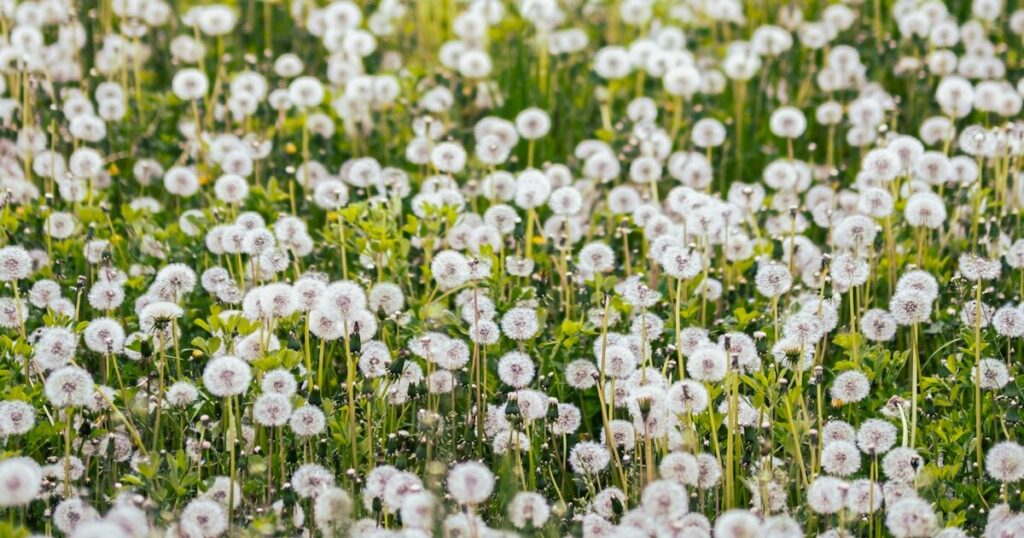
Many weeds are entering their seeding stage in late summer, which means if you leave them alone, they’ll scatter thousands of seeds that can lie in wait for years. Removing them before they drop seed heads prevents a future invasion. A single mature plant of something like pigweed or lamb’s quarters can produce tens of thousands of seeds—definitely not something you want germinating in your freshly planted spring beds.
Weeds are often incredibly adaptable and hardy, with native or invasive origins that allow them to thrive in a wide range of conditions. Some, like Canada thistle, are considered invasive in many regions and can quickly outcompete your garden crops. Pulling them now cuts off their reproductive cycle and gives your desirable plants a fighting chance next year.
Reduce Pest Overwintering Sites

Weeds provide excellent hiding spots for pests like aphids, spider mites, flea beetles, and slugs. By clearing them out before fall, you reduce the number of sheltered places where these pests can survive the winter and attack your garden early in spring. Even seemingly harmless weeds can be a haven for insect eggs that hatch when your tender seedlings emerge.
Many weeds are native to regions where pest-insect relationships evolved over centuries, which means they’re especially good at attracting and sustaining pest populations. In some cases, these pests overwinter right in the stems or root crowns of the weeds, ready to reemerge as soon as temperatures rise. Removing their shelter now breaks that cycle.
Improve Air Circulation for Late-Season Crops
If you’re still growing vegetables or flowers into the fall, weeds can block airflow and increase humidity around your plants, creating perfect conditions for fungal diseases. Removing them now allows more light and air to reach your crops, reducing the risk of powdery mildew and blight.
This is especially important for plants like tomatoes and peppers, which are native to warmer climates and prefer plenty of circulation. By opening up the space around them, you’re recreating the airy, sunny environment they evolved in, keeping them healthier for longer.
Preserve Soil Nutrients for Next Season
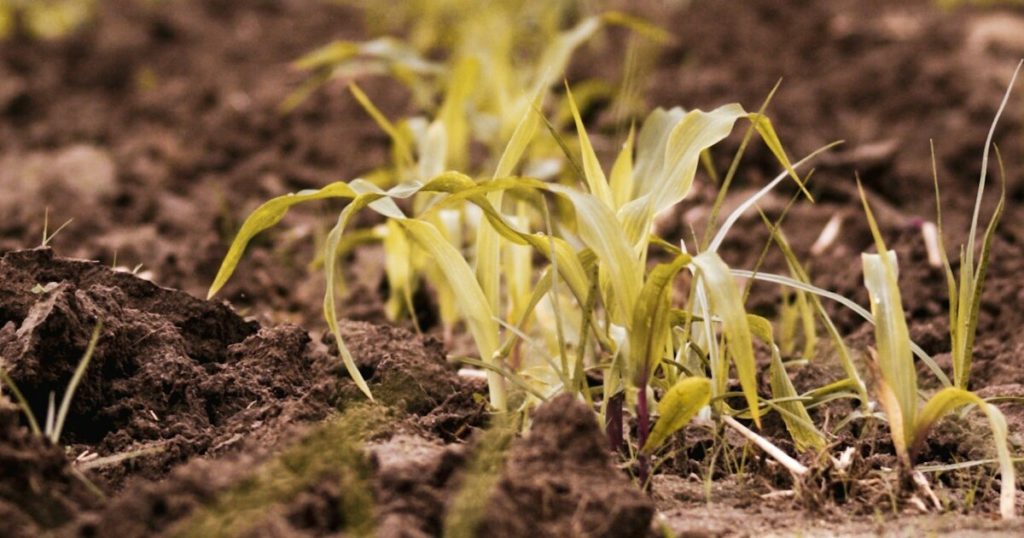
Weeds are greedy competitors when it comes to soil nutrients. Every day they remain in the ground, they’re pulling nitrogen, phosphorus, potassium, and trace minerals away from your intended plants—and from the soil reserves you want available for spring planting.
Some weeds, like dock or dandelion, have deep taproots that mine nutrients from lower soil layers. While that can be beneficial in small amounts for soil cycling, letting them take over means fewer resources for your crops. Pulling them before fall keeps your soil bank full for next year’s plantings.
Reduce Risk of Invasive Spread

Not all weeds are invasive, but many of the worst offenders are, such as bindweed, Japanese knotweed, and creeping charlie. These species can spread not only by seed but by underground rhizomes that creep through your soil all winter. Removing as much of their root system as possible before fall helps slow their spread.
Invasive weeds often originate from regions where they evolved without natural predators, which is why they’re so aggressive in foreign environments. If you spot any in your garden now, don’t wait—pull them, bag them, and dispose of them before they have a chance to gain ground.
Make Room for Fall Plantings

If you plan to plant fall crops like spinach, radishes, or garlic, you need weed-free soil to give them a strong start. Weeds left in place will compete with your seedlings for light, nutrients, and water—things that are already in shorter supply as the days grow cooler.
Many fall crops are native to cooler regions and prefer less competition to reach maturity before frost. By clearing weeds now, you give these late-season vegetables the best possible environment to thrive.
Protect Perennial Beds

Perennials like asparagus, rhubarb, and certain flowers benefit greatly from a weed-free environment going into fall. Weeds can smother new growth buds forming at the base of perennials, reducing their vigor next spring. Removing weeds now ensures those perennials can store up energy for winter dormancy.
In their natural habitats, many perennials would have seasonal dieback without the competition of aggressive weeds. By removing these competitors, you’re recreating that healthier, more balanced environment in your own garden.
Make Spring Cleanup Easier

Tackling weeds in late August or September means you’ll have far less work to do in spring. Dead, dried weeds can be tougher to remove after a long winter, and their roots may be more firmly entrenched in frozen or compacted soil. Getting ahead now saves you a muddy, backbreaking job later.
Plus, you’ll start the growing season with a cleaner slate, which makes it easier to spot and control any new weeds that sprout. A well-prepared bed in the fall often means a head start for planting in the spring.
Encourage Beneficial Insects Without Harboring Pests
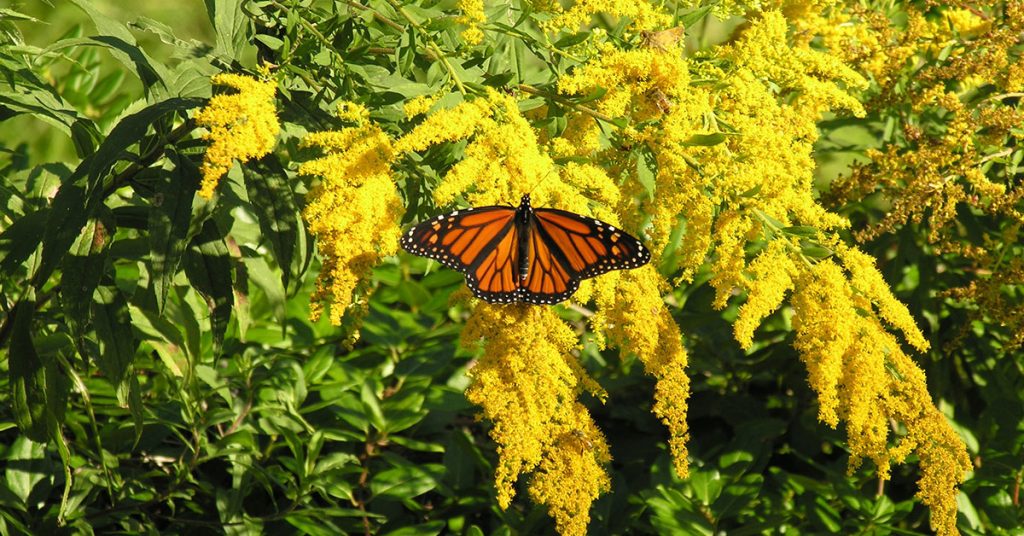
It’s true that some weeds can offer food and shelter for beneficial insects, but you can replace them with intentional plantings that do the same job without the drawbacks. Removing problem weeds now allows you to sow cover crops or fall-blooming flowers that feed pollinators while keeping pest populations in check.
Plants like native asters, goldenrod, and clover can provide nectar and shelter for bees, ladybugs, and lacewings—all without becoming invasive or overwhelming your garden. That way, you maintain a balanced ecosystem while still controlling unwanted plants.