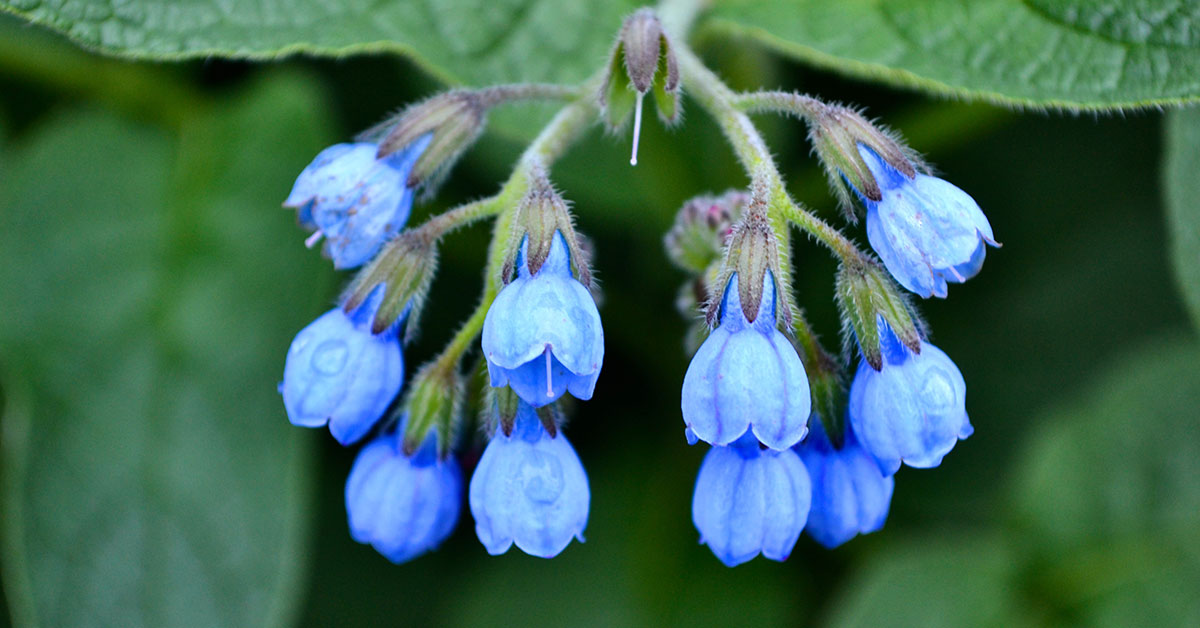

Comfrey is one of those plants that quietly does everything right—until you realize it’s become one of the hardest-working allies in your entire garden. With its lush foliage, deep taproot, and medicinal history, comfrey has earned a permanent spot in my yard. I know it might not have the showy blooms of your favorite annuals, but trust me—once you grow it, you’ll wonder how you ever managed your garden without it. Whether you’re looking to build soil, attract pollinators, or stock your compost pile with rocket fuel, comfrey steps up in ways you wouldn’t expect.
Native to Europe and parts of Asia, comfrey (Symphytum spp.) is not considered invasive in the same way as some garden thugs, but it is vigorous and long-lived. Once it’s in the ground, especially if you plant the Russian hybrid variety Symphytum × uplandicum, you’re in it for the long haul. But that’s not a bad thing when a plant brings so much value to your soil, pollinators, and even your first aid kit. Here’s why you might want to give comfrey a spot in your garden—and why it may become your most indispensable perennial.
It Makes an Incredible Mulch and Compost Booster

One of the biggest reasons gardeners grow comfrey is because it makes such a nutrient-rich mulch. Its deep taproot pulls minerals like potassium, calcium, and phosphorus from the subsoil, storing them in its thick, fuzzy leaves. When you chop and drop those leaves, you’re essentially feeding your soil a plant-based superfood. I like to lay the leaves around fruit trees, tomatoes, and squash plants, and the growth response is almost immediate!
Even better, comfrey leaves break down astonishingly fast in compost piles. Just a few handfuls can help heat up a sluggish pile and accelerate decomposition. It’s like a kickstarter for microbial activity! When you’re tired of waiting for compost to finish, adding comfrey can shift things into high gear. I make a point to cut mine every few weeks throughout the growing season just for this purpose.
It Attracts Pollinators All Season Long
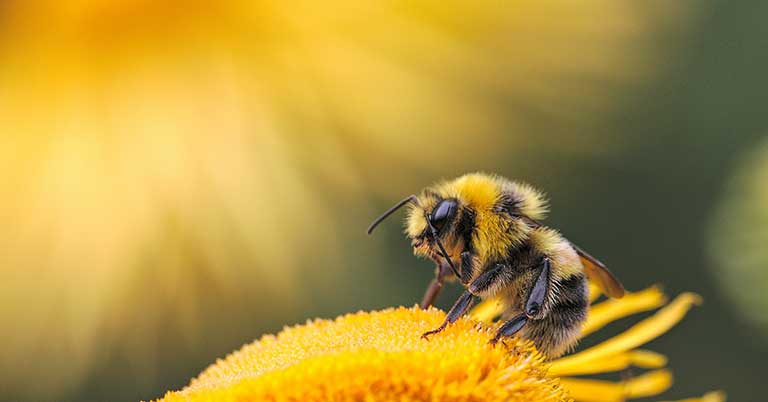
Those nodding, tubular flowers may not be the flashiest, but bees absolutely love comfrey. Bumblebees especially are drawn to its bell-shaped blooms, which appear from late spring through summer. Watching them crawl deep into the purple or blue flowers is endlessly charming—and it’s a reminder that even humble plants can be rich in nectar.
By planting comfrey near your vegetable beds or fruit trees, you’re encouraging pollinators to stick around longer, helping your entire garden thrive. It becomes a consistent source of food when other blooms may be lacking. And since it can bloom repeatedly if cut back after flowering, you can keep that pollinator buffet going nearly all season long!
It’s Nearly Impossible to Kill
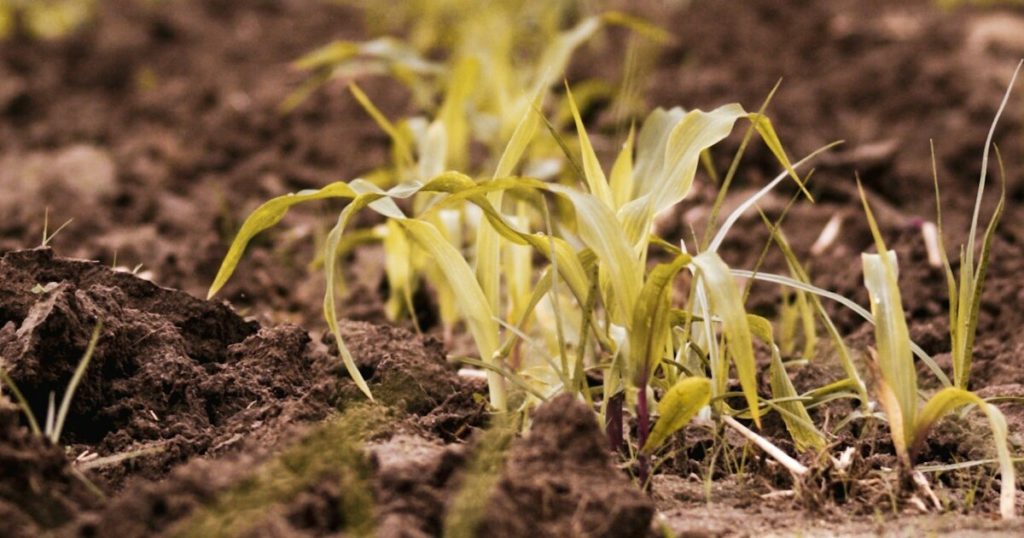
Comfrey is the definition of resilient. Once it’s established, it thrives in sun or partial shade, tolerates poor soil, and shrugs off drought once its roots are deep. If you’re the kind of gardener who forgets to water now and then (I’ve been there), comfrey’s forgiving nature will be a relief. It keeps growing vigorously no matter what you throw at it!
That said, be mindful of where you plant it. If you ever try to dig it up, even the smallest root fragment can resprout. That’s why many gardeners plant it in a permanent spot near compost piles, fruit trees, or the back of a perennial border. It’s a commitment—but a worthwhile one when you realize how many benefits it offers.
It’s a Fantastic Living Barrier
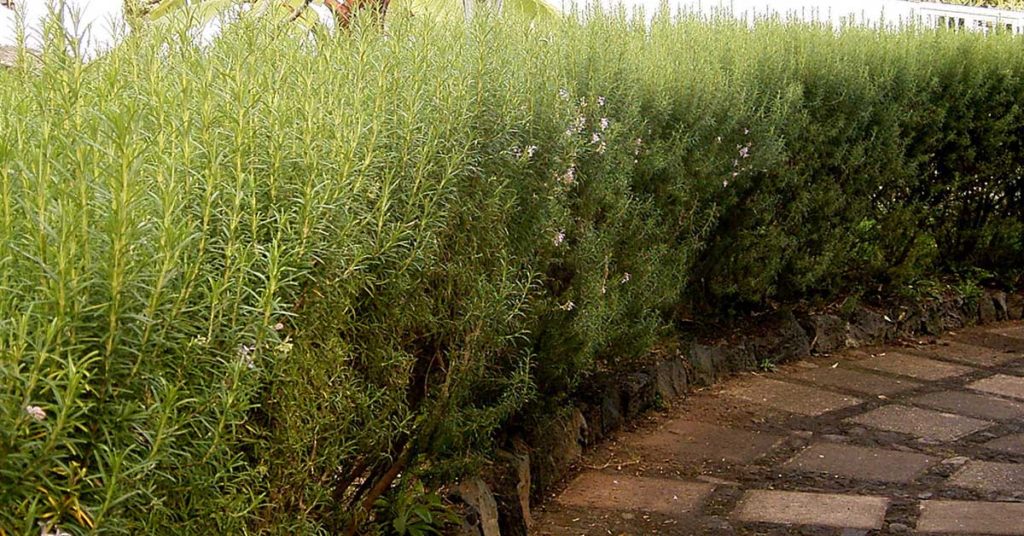
Comfrey’s broad leaves and dense growth habit make it an excellent living mulch or weed barrier. I like using it as a perimeter planting to suppress weeds at the edges of my vegetable beds. Once it fills in, not much else gets through, and it doesn’t compete too aggressively for nutrients thanks to its deep taproot.
It also works well along pathways, where the leaves can soften hard edges and give the garden a lush, overflowing feel. Plus, when you brush by the plants, the fuzzy foliage and subtle scent remind you that this is a working plant—not just something pretty to look at. It’s doing its job while still looking like it belongs in a naturalistic garden.
It Makes Liquid Fertilizer That’s Packed with Nutrients

If you haven’t tried making comfrey tea (for your plants, not yourself!), you’re missing out. This stinky but powerful liquid fertilizer is created by steeping chopped comfrey leaves in water for a few weeks. The resulting tea is dark, rich, and full of nutrients that plants love—especially potassium, which promotes flowering and fruiting.
I keep a bucket of comfrey tea going during peak growing season, and I use it to water tomatoes, cucumbers, and even container plants. Just a little diluted in water gives your plants a serious boost. It’s not the most fragrant process (I’ll be honest—it can smell awful!), but the results are well worth it. And when you’re making your own fertilizer from a plant that grows for free in your yard? That’s a win!
It Supports Soil Structure and Health

Because comfrey develops a massive taproot that dives deep into the earth, it can help break up compacted soil over time. This improves aeration and water infiltration in nearby areas, essentially acting like a living soil tiller. The root also pulls up minerals and micronutrients that shallower-rooted plants can’t access on their own.
Even after comfrey dies back in the fall, those roots continue to enrich the soil as they decompose. That makes it a great pioneer plant for establishing new garden beds or improving poor soil naturally. I often plant it at the edges of new garden zones, where it does some of the heavy lifting before I bring in more delicate perennials.
It Can Be Grown as Fodder for Chickens or Livestock
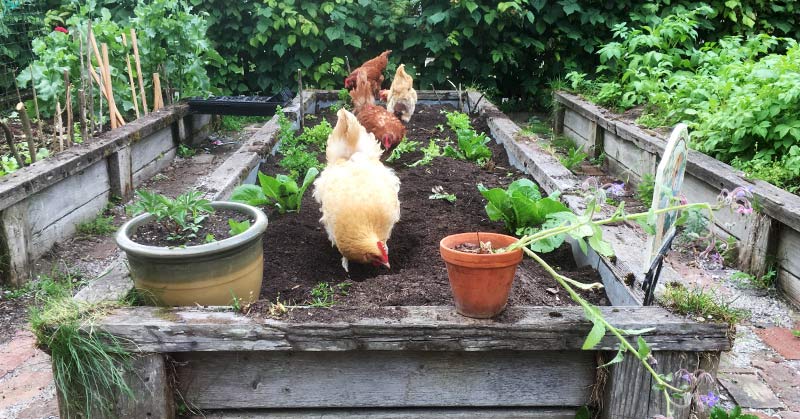
If you’re raising chickens, goats, or other animals, comfrey is a fantastic addition to your homestead. It grows fast and is highly nutritious, making it a valuable supplemental feed. Chickens in particular love the fresh leaves, and they’ll gobble them up enthusiastically. Just be sure to use comfrey varieties with lower levels of alkaloids if you’re planning regular feed use.
I don’t currently keep animals, but I grow comfrey for friends who do—and I’ve seen firsthand how much the animals appreciate it. It’s a low-cost, renewable feed that takes up very little space and asks almost nothing in return. That’s a pretty great deal for both you and your feathered or four-legged companions!
It Adds Texture and Beauty to the Garden
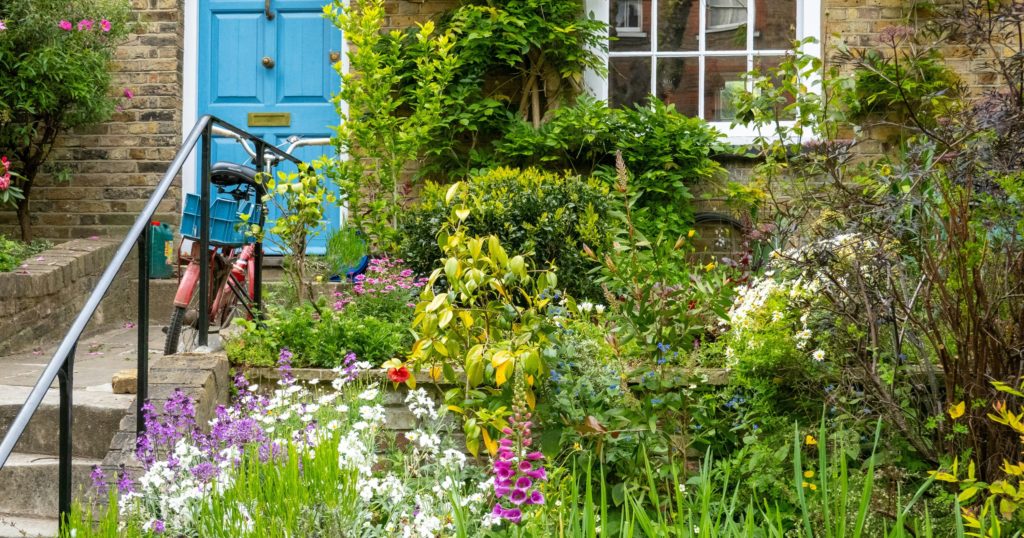
While comfrey isn’t traditionally grown for its looks, I’ve come to truly appreciate the aesthetic value it brings. The bold, fuzzy leaves have a prehistoric vibe, and when those drooping flower bells start to open, there’s a quiet elegance to it. In a mixed border, comfrey adds a lush, leafy backdrop that makes smaller or more delicate flowers pop.
It also gives off that “abundant and thriving” look I associate with old English cottage gardens and permaculture plots. There’s just something about a big, healthy comfrey plant that makes the whole garden feel more alive. Even if I didn’t use it for anything else—which would be a mistake—I’d still grow it for the way it rounds out the landscape.