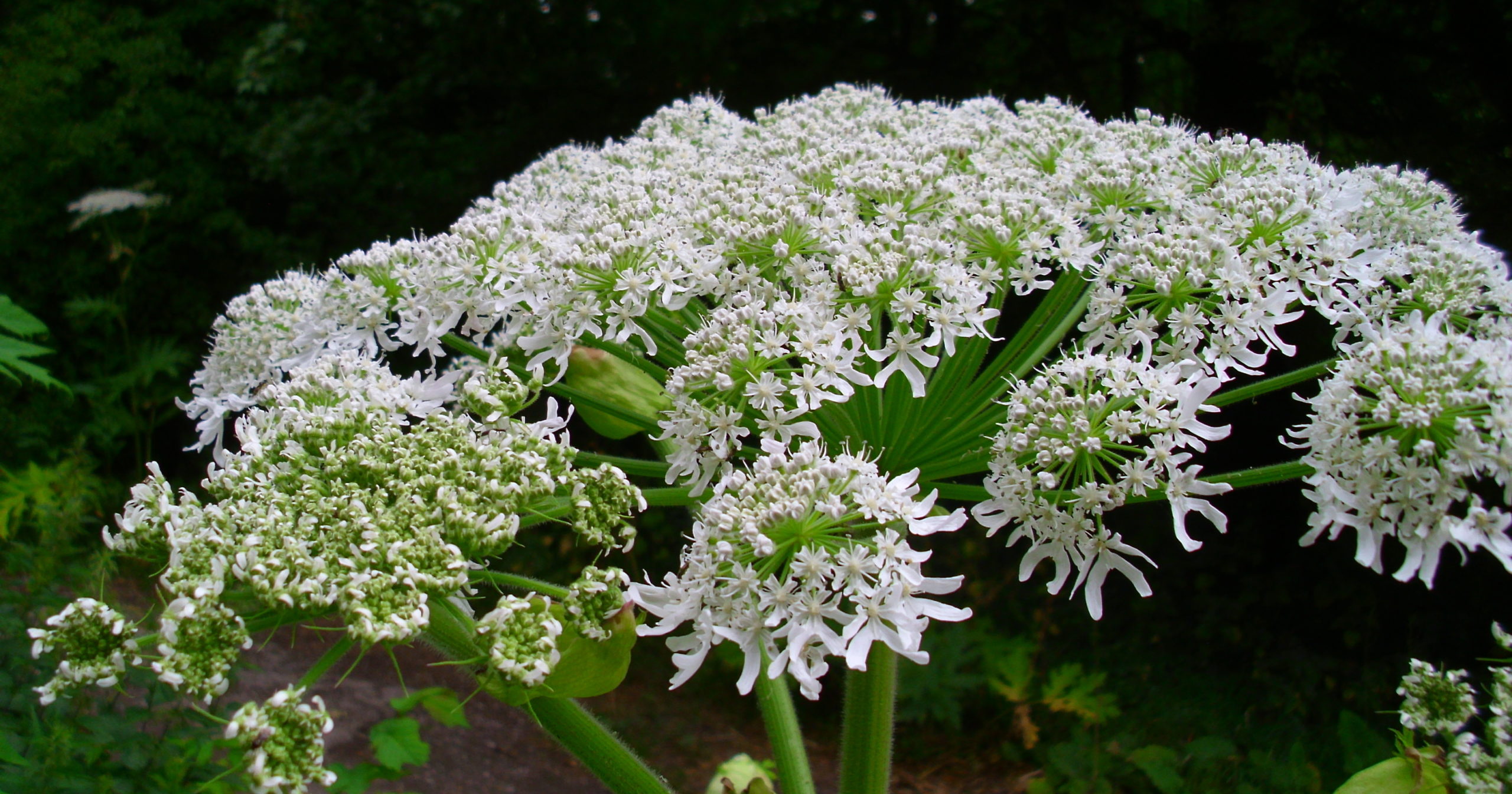

Gardening brings such joy—vibrant blooms, fresh veggies, and the gentle hum of pollinators flitting about! But it’s such a heart-sinker when you spot towering stalks of hogweed lurking at the edge of your flowerbeds. I know how alarming it can be to realize that these colossal plants aren’t just unsightly—they’re downright hazardous.
In this article, we’ll dive into nine compelling reasons why you need to eradicate hogweed pronto. Trust me, I’ve wrestled with gigantic rosettes popping up between my marigolds, and the battle is real! Let’s talk about everything from toxic sap to legal mandates, and get your garden back to being the safe, thriving oasis you envisioned.
Legal Obligations to Remove It
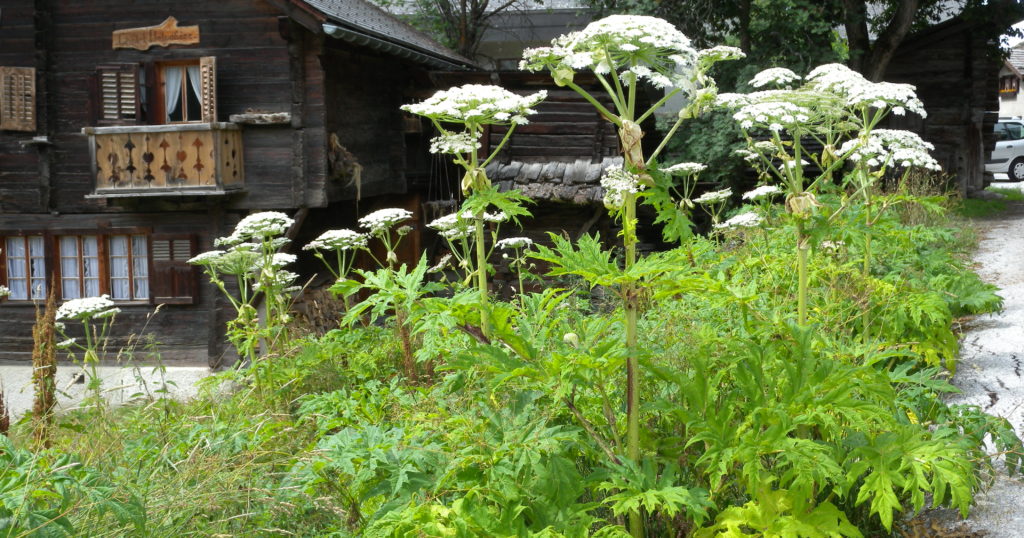
Many regions list giant and common hogweed (Heracleum mantegazzianum and H. mantegazzianum) as noxious weeds, making it a legal requirement to destroy any specimens on your property! Fines or penalties can be levied if you neglect this duty, and enforcement agencies often conduct community surveys to ensure compliance. I once received a friendly notice from my county extension office reminding me of my obligation—definitely motivated me to take action immediately!
Beyond paperwork, this legal status reflects the plant’s invasive nature and public health threat. Hogweed hails from the Caucasus region, introduced here for ornamental reasons but now overrunning roadsides, waterways, and sadly, private gardens. Authorities mandate removal to protect public spaces and curb its relentless spread, so don’t wait for that letter—get rid of it responsibly as soon as you see it!
Poses Risk to Pets and Wildlife
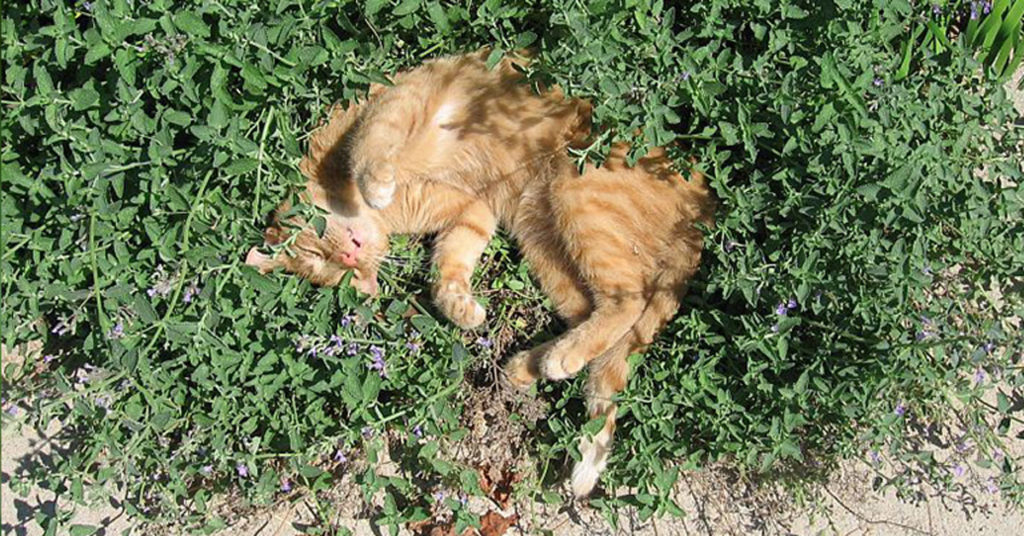
It’s not just human skin that’s vulnerable—pets and local wildlife can suffer too if they brush against hogweed’s toxic sap. Dogs and cats exploring the undergrowth may rub against the hollow stems, transferring sap to their fur and then their eyes or mouths. I had to wash my pup down after she romped near a hogweed patch, and it was a stressful ordeal!
Native animals don’t recognize the danger either. Young fawns nibbling on shoots or birds perching on stems can accidentally spread sap or seeds elsewhere. Since hogweed is non-native and invasive, it doesn’t have natural predators here, allowing it to dominate and push out beneficial plants that local fauna depend on for food and nesting.
Outcompetes Native Plants

When hogweed colonizes a spot, it forms dense stands that choke out native wildflowers, grasses, and shrubs. Those beautiful asters, milkweeds, and other pollinator-friendly species struggle to compete for light and nutrients. I’ve watched in dismay as that once-vibrant patch of prairie coneflower disappeared under a sea of hogweed rosettes!
Native plants evolved in harmony with local insects and soil microbes, providing precisely the pollen, nectar, and nesting materials that bees, butterflies, and beneficial beetles need. Hogweed’s aggressive growth alters soil chemistry and shading patterns, leading to ecological imbalances. By removing it, you make room for native communities to rebound and sustain your garden’s biodiversity.
Attracts Pollinators But Dominates Resources
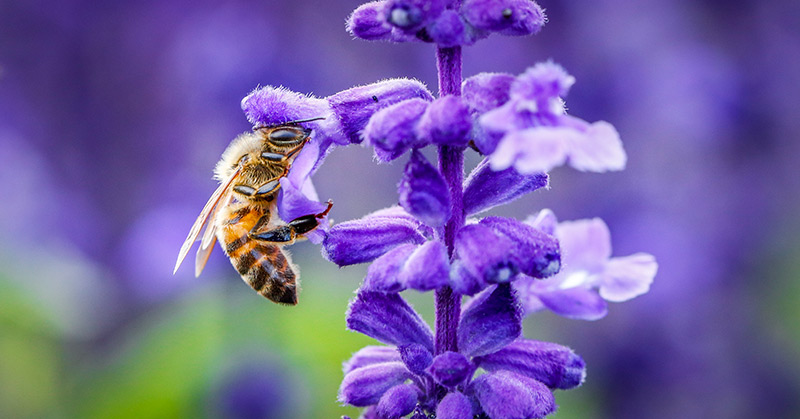
Hogweed’s umbrella-shaped white flower clusters are indeed a magnet for flies, bees, and wasps searching for nectar. One of my garden experiments involved observing insect visitation—and hogweed scored top marks on sheer numbers! But those hordes of pollinators get so distracted by the abundant blooms that they neglect nearby native flowers, reducing overall pollination diversity.
This monopolizing behavior can starve specialized pollinators that rely on spring ephemerals or summer wildflowers with narrower blooms. Over time, you risk supporting only generalist insects, while specialist bees and butterflies decline. By eradicating hogweed, you level the playing field, encouraging a broader spectrum of native plants to flourish and nourish your garden’s full range of pollinators.
Toxic Sap Causes Severe Burns
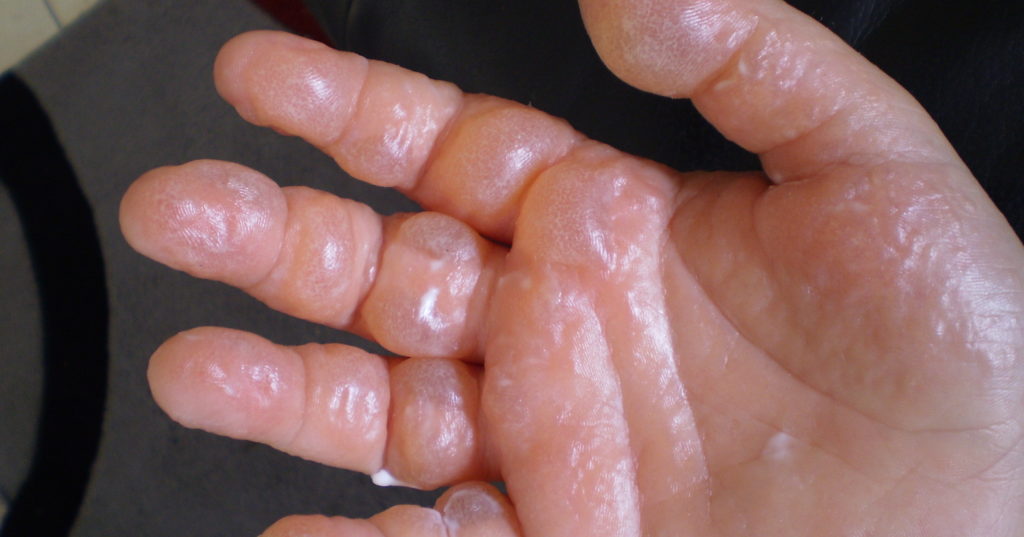
Perhaps the most notorious trait of hogweed is its phototoxic sap: clear, watery fluid loaded with furanocoumarins. If it contacts skin and you then expose that area to sunlight, you can develop painful blisters, dark scars, and even permanent photosensitivity. I learned this the hard way after accidentally brushing a stem—my arm swelled and blistered for days!
This sap is stored in all parts of the plant: stems, leaves, flowers, and roots. Mechanical removal without proper protective gear—thick gloves, eye protection, long sleeves—can lead to serious injuries. Destroying hogweed early, before it flowers and your garden guests roam freely, minimizes this health risk and keeps your hands—and arms—safe.
Undermines Garden Aesthetics and Usability
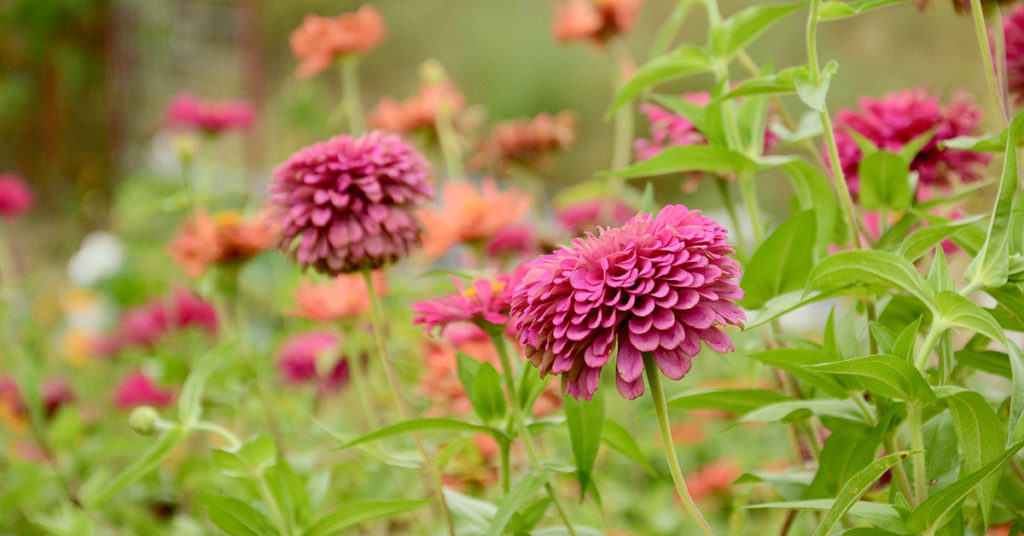
Let’s be honest: towering stalks with umbrella-sized flower heads—sometimes reaching 14 feet—throw off any design scheme! I had meticulously arranged my perennial borders, only to see hogweed seedlings sprout and erupt into monstrous rivals that outshaded lillies and dahlias. It’s so demoralizing when your carefully curated beds look like a wild jungle invasion.
Besides looking out of place, hogweed patches can form virtual walls that impede pathways and garden tasks. Tending to vegetables, harvesting herbs, or simply strolling through your oasis becomes a hazardous affair when you risk brushing against those sharp, bristly stems. Eradicating hogweed restores both the visual appeal and accessibility of your space.
Rapid Seed Dispersal Leads to Infestation
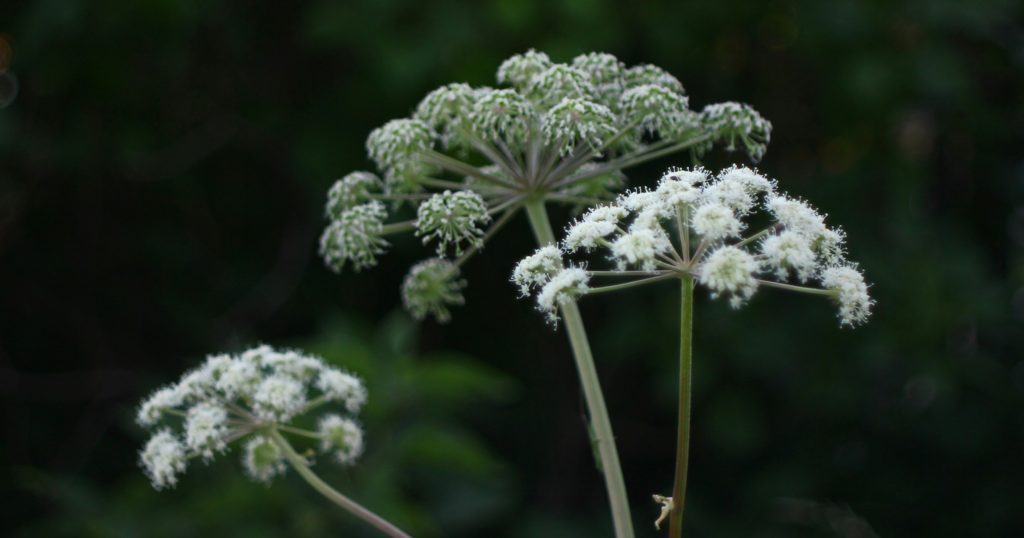
A single hogweed plant can produce up to 20,000 seeds that remain viable in the soil for over a decade! These seeds hitch rides on clothing, tools, and animal fur, quickly establishing new colonies meters away from the parent. I found new seedlings popping up along my fence line months after removing the main cluster—nature’s tenacity at its finest!
Because of this prolific seed bank, delaying destruction makes control exponentially harder. Tilling or mowing can inadvertently scatter seeds, while letting flowers mature seals your fate for future invasions. Uprooting before seed set—with all roots intact—and disposing of plant material as hazardous waste is key to preventing a relentless seed-rain that jeopardizes the entire garden.
Harbors Pests and Diseases

Hogweed isn’t just a botanical bully—it can shelter slugs, snails, and certain fungal pathogens that damage adjacent crops. Its thick foliage creates humid microclimates perfect for damp-loving pests, and decaying stems on the ground can foster root rot organisms. I once discovered slug trails under hogweed leaves that spread into my tomato patch!
By providing cover and moisture, hogweed inadvertently amplifies pest pressure on your prized vegetables and ornamentals. Eliminating these refuges forces pests to migrate elsewhere—or face natural predators you’ll invite with other beneficial plants. Your overall garden health improves when you remove hogweed’s pest-friendly hideouts.
Difficult to Control Once Established
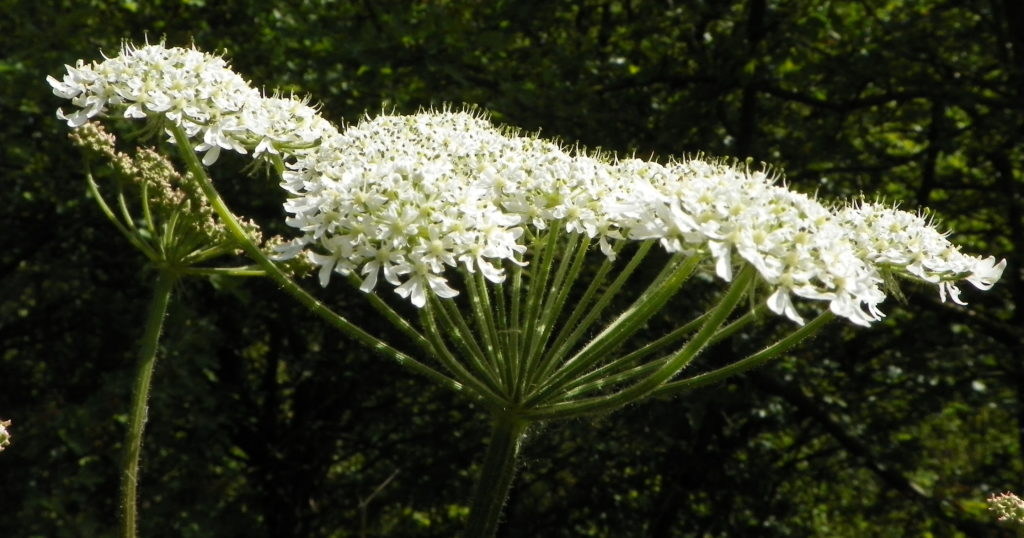
Hogweed’s deep, fleshy taproot and ability to regenerate from root fragments make it a stubborn foe. Pulling rosettes by hand often breaks the root, leaving pieces that resprout vigorously. I wasted hours digging only to see fresh shoots emerge a week later—a truly disheartening sight!
Effective eradication requires persistence: cutting flower heads before seed set, careful digging with root removal, and following up for several seasons. Some gardeners use targeted herbicide applications on regrowth, while others smother small patches under heavy tarps. The takeaway? The sooner you attack hogweed, the fewer seasons of drudgery you’ll face—and the better your garden will thrive.