

I absolutely love the moment when I gently wipe a layer of dust off a philodendron’s glossy leaves and watch its natural sheen return! Many of our favorite houseplants—from the fiddle-leaf fig, native to the rainforests of western Africa, to the snake plant, originally from the arid regions of West Africa—evolved under conditions where their leaves never gathered dust. In their tropical or arid native habitats, leaves stay clear of debris, allowing them to photosynthesize, “breathe,” and interact with beneficial insects without hindrance. Keeping those broad, waxy surfaces clean indoors is a simple way to mimic their natural environment and help your plant flourish.
I know how frustrating it can be to see your Monstera’s dramatic fenestrations dulled by a film of household dust, or to worry that particles settling on your ZZ plant might be inviting spider mites to nest. Beyond looks, dust can block up to 60% of a leaf’s light-gathering surface, disrupting the processes that keep your leafy companions thriving! Cleaning leaves regularly is one of the easiest habits to adopt, with big payoffs in growth, health, and even allergen control for you. Let’s dive into these nine compelling reasons to make leaf-cleaning a nonnegotiable part of your plant care routine!
Prevents pest nesting and infestation

When dust accumulates on leaves, it creates a cozy hideaway for tiny pests like spider mites, mealybugs, or thrips. In their native rainforest homes, philodendrons and monsteras sometimes host small arthropods that help with pollination—but indoors, those same cracks can become the perfect nursery for unwelcome invaders! By gently cleaning leaf surfaces, you remove the debris that pests use to anchor their eggs and larvae, cutting off infestations before they start.
I remember battling a stubborn mealybug outbreak on my Anthurium, only to discover that the thick film of dust on the undersides of its leaves was shielding the little white cottony pests. A quick wipe with a soft cloth and diluted neem oil sent them packing—and prevented further nesting. Keeping your leaves dust-free is like giving your plants a clean slate, making it much harder for critters to settle in and multiply!
Improves photosynthesis efficiency

Dust blocks sunlight, and when leaves can’t absorb their full quota of light, photosynthesis slows down. Many houseplants—like the lush Calathea species native to Brazil’s forest floor—are adapted to filtering dappled light through high canopies, so every ray counts. A dusty leaf is essentially wearing sunglasses indoors, reducing the energy your plant can produce for new growth!
After giving my Peace Lily a gentle wipe and watching its dark green foliage glisten again, I always notice an uptick in fresh shoots within days. Clean leaves capture more light, fueling sugar production and encouraging robust stem elongation and flowering. It’s such a delight to see your plant respond almost immediately with vibrant, healthy expansion!
Enhances gas exchange and respiration
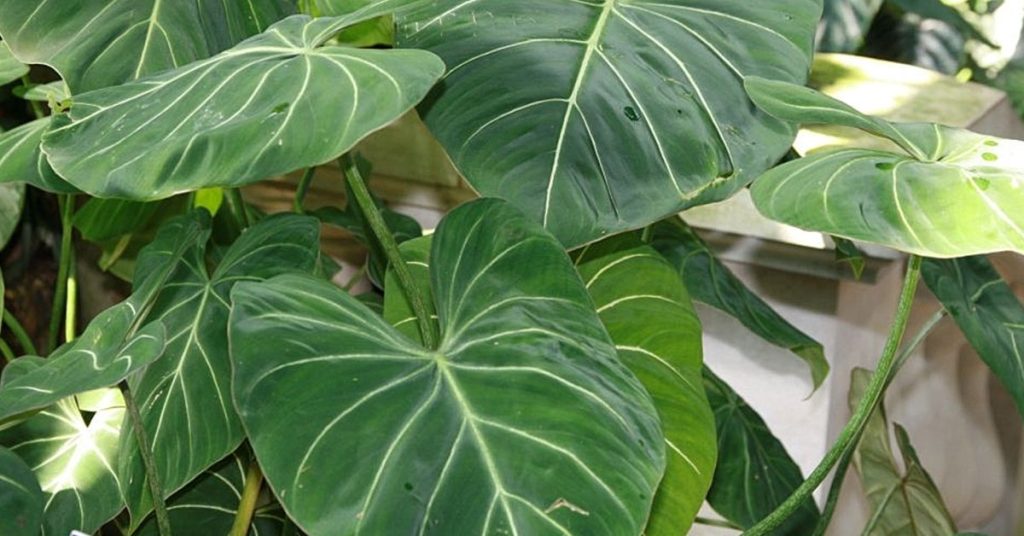
Leaves “breathe” through tiny pores called stomata, exchanging carbon dioxide and oxygen with the air. When dust settles over these openings, it clogs them and reduces gas exchange, stressing the plant. In their native jungles, many tropical species experience regular rainfall that naturally washes away debris—something our indoor plants miss out on.
By wiping away dust, you ensure stomata remain open and functional, allowing your green friends to maintain proper respiration and transpiration. I’ve found that plants with clean leaves wilt less often during dry spells because they can regulate moisture more effectively. It feels incredible to know you’re restoring that vital breathability, one leaf at a time!
Prevents fungal and bacterial growth

A layer of dust mixed with moisture can become a breeding ground for fungal spores or bacterial colonies. In humid environments—where many philodendrons and Alocasias hail from—the constant mist of rain keeps leaves fresh, but indoors that moisture lingers on dusty surfaces. Left unchecked, this can lead to unsightly spots or even leaf rot.
Regular cleaning disrupts the microenvironments fungi love, reducing the risk of leaf spot diseases. After I started wiping down my Alocasia Polly every week, I noticed far fewer brown patches and healthier new growth. It’s such a relief to avoid the battle against mold and bacteria simply by maintaining a gentle cleaning schedule!
Boosts humidity around your plants
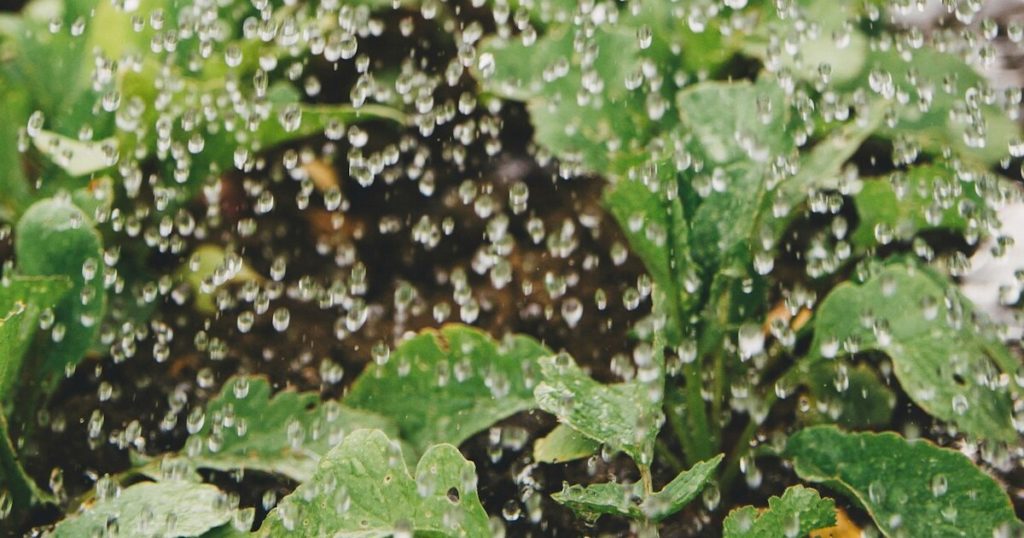
When you clean leaves with a damp cloth or light mist, you not only remove dust but also add moisture directly to the leaf surface. Many tropical houseplants appreciate that extra boost in humidity, mimicking the nightly mist they experience in their native understorey. In nature, this moisture helps prevent leaf dehydration and supports beneficial microfauna like tiny springtails.
I love grouping my plants on a pebble tray after cleaning, creating a little humid microclimate that they all share. Their leaves glisten, and I swear I can see their spirits uplift! That added humidity can also deter spider mites, who prefer dry air—a double win for your ecosystem.
Improves aesthetic appeal and your home’s air quality

Let’s be honest: a clean, shiny leaf simply looks stunning! When you invest in wiping off dust, your plants become living décor that truly pops. It’s like giving them a spa day, and there’s nothing quite like the feeling of admiring those glossy surfaces as sunlight filters through.
Beyond beauty, dust holds airborne pollutants and allergens—pollen, pet dander, even particulate matter from cooking. By cleaning leaves, you remove those airborne irritants, allowing your plants to filter and freshen your home’s air more efficiently. It’s such a joy to breathe deeply around a tidy, vibrant green corner!
Encourages vibrant new growth
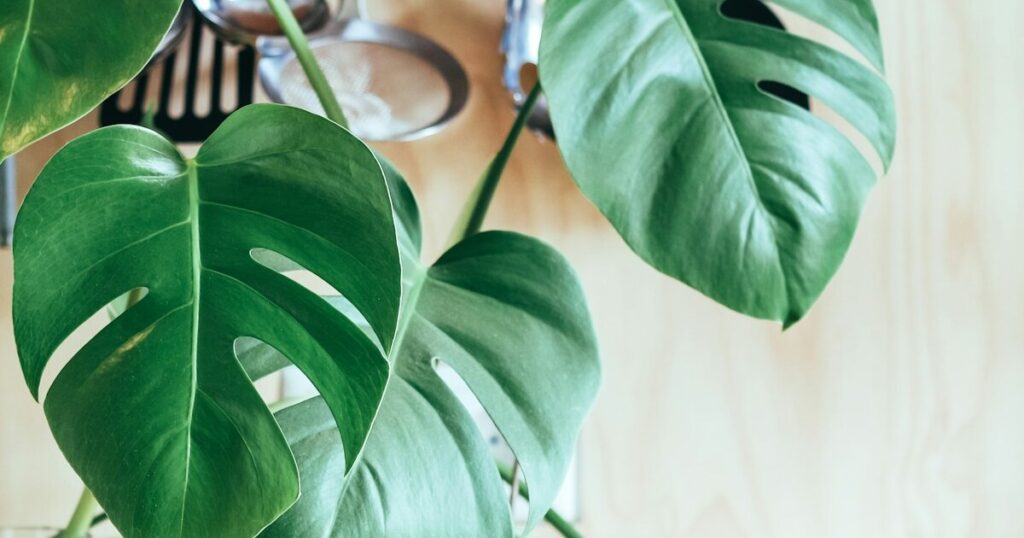
After a thorough leaf-cleaning session, I often see fresh shoots emerging within days. When leaves can fully absorb light and breathe properly, the plant channels more energy into producing new foliage. This is especially true for fast-growing species like the Philodendron ‘Brasil’ or Pothos varieties, which revel in the extra efficiency.
I still get a thrill when I spot a tiny, unfurling leaf peeking out from a node I’d just polished—proof that simple upkeep translates directly into growth rewards. It’s like watching a plant breathe a sigh of relief and stretch its limbs in joy!
Extends leaf lifespan and overall plant health

Dust-clogged leaves age prematurely; they yellow, crisp, or drop off sooner than their clean counterparts. In the wild, many philodendrons and other tropical plants replace faded leaves slowly but surely, under optimal conditions. Indoors, dust accelerates wear and tear, forcing your plant to divert energy into replacement rather than flourishing.
By keeping leaves dust-free, you prolong their functional life, meaning fewer pruning sessions and a fuller, more mature canopy over time. Your plant spends more time thriving and less time replacing damaged foliage—saving you effort and keeping your indoor rainforest looking lush longer!
Reduces allergen buildup in your home
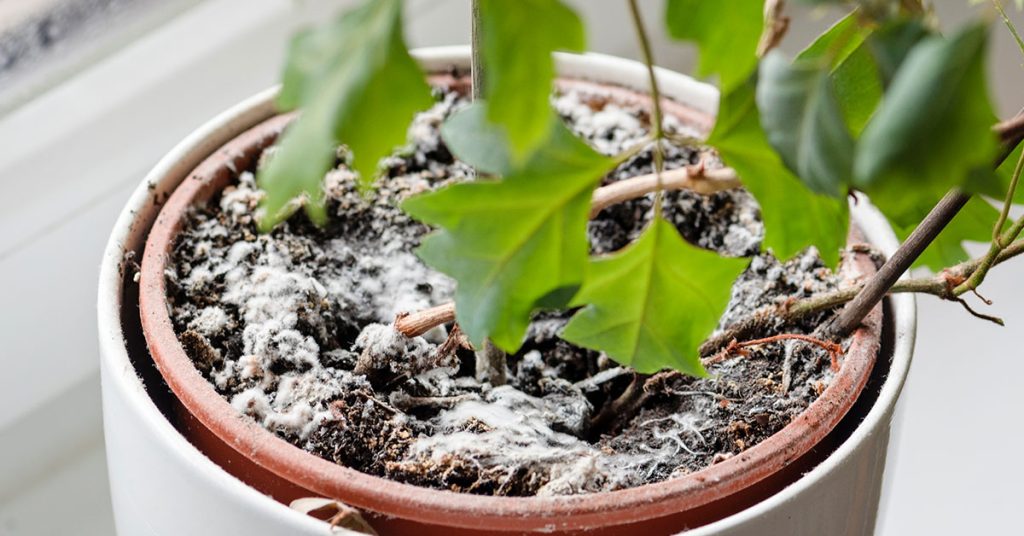
For allergy sufferers, dusty houseplants can sometimes act as reservoirs for pollen and mold spores, releasing them into the air each time a breeze stirs. While many of our indoor favorites—like the Spider Plant, native to tropical Africa—are low-pollen producers, the dust they collect can harbor irritants.
Wiping leaves clean not only benefits your plants but also safeguards your own respiratory health. I always recommend giving your green collection a gentle dust-off before inviting guests over or before using the room for yoga or meditation. It’s such a calming ritual—both for you and your plants!