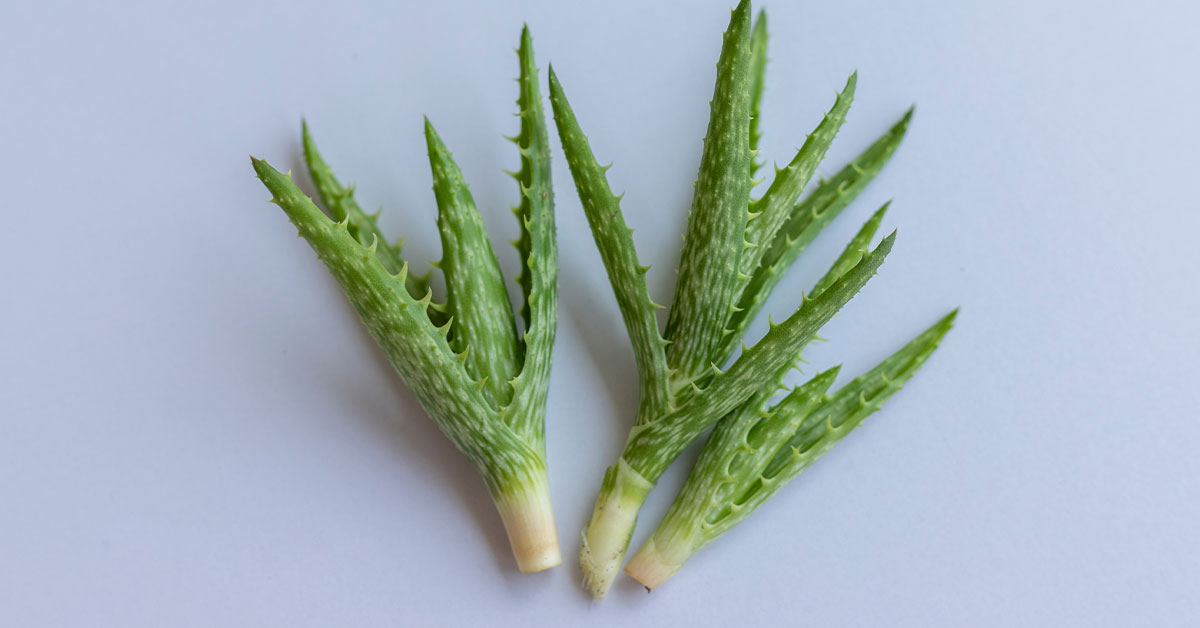

Aloe vera and its succulent cousins bring so much to our homes and gardens—from their sculptural form to their soothing gel—but letting a single mother plant shoulder all the work can lead to overcrowded pots and stressed greenery. Propagation isn’t just a gardener’s pastime; it’s a vital practice that keeps your aloe collection healthy, diverse, and ever-expanding. In these sections, we’ll explore nine compelling reasons to lift those offsets (“pups”) and give them new homes, drawing on aloe’s native origins in the Arabian Peninsula and its natural behaviors in the wild.
I know how it feels when pups pile up around the base of a single pot—roots tangling, water competing, and airflow stifled. It’s such a bummer when a plant you cherish starts looking leggy, or when a patch of pups hides the mother’s blooms from visiting honeybees and hummingbirds! By learning to propagate wisely, you’ll harness aloe’s regenerative powers, invite beneficial pollinators to nest nearby, and keep each rosette thriving without risking invasiveness in warmer climates. Let’s dive in!
Harness Medicinal Benefits at Scale
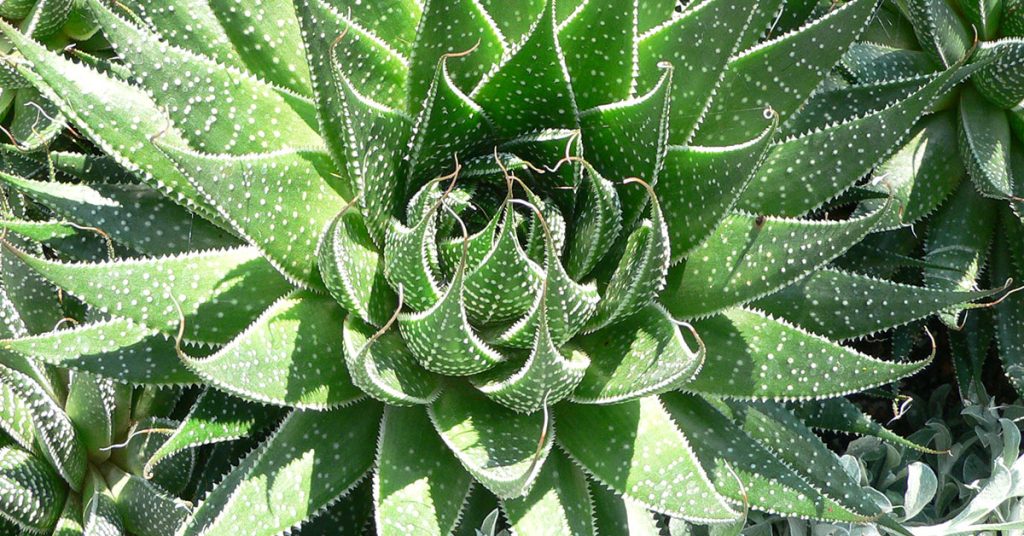
Aloe vera’s gel is prized for soothing burns, moisturizing skin, and easing minor irritations. By propagating, you multiply the number of gel-producing leaves at your disposal—no more rationing the precious slimy goodness when you need it most! I’ve found that having multiple young plants means there’s always a fresh leaf to harvest without overtaxing a single specimen.
In its native Arabian habitats, aloe grows in clumps, each rosette contributing to the community’s overall survival. More plants mean more flowers come spring—those tall, orange inflorescences that attract nesting solitary bees and butterflies. By propagating, you amplify both your home remedy reserves and your garden’s appeal to pollinators!
Preserve Genetic Diversity

Even within a single grocery-store aloe, offsets can show slight variations—some with deeper green hues, others sporting extra-fleshy leaves. Propagating preserves these subtle genetic differences, ensuring your collection doesn’t become a monoculture vulnerable to a single pest or disease. I once lost a tray of clones to a fungal blight, but the handful of distinct offsets I’d potted separately all bounced back!
In the wild, aloe species co-exist in diverse gene pools that bolster resilience. By spreading your plants across multiple pots or beds, you recreate that genetic mosaic, making sure no single outbreak can sweep through your entire collection.
Encourage Pest Resistance

A crowded aloe can trap moisture and limit airflow—conditions that attract mealybugs or scale insects, which nest in leaf axils. When you propagate and separate pups into their own containers, each plant gets better ventilation and dries out more evenly between waterings. I’ve noticed far fewer pest invasions after thinning out dense clusters!
Plus, younger offsets often lack the stress signals that draw sap-sucking bugs. A diversified propagation strategy reduces the chance of a full-blown infestation and makes manual inspections simpler—no more hunting through a tangle of stems for hidden hitchhikers.
Share the Aloe Love with Friends
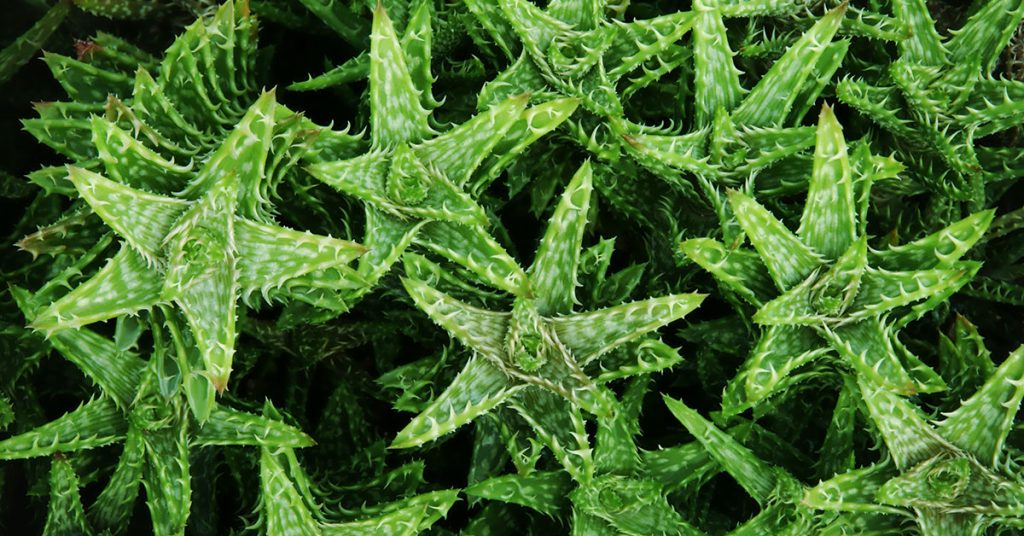
Few gifts are as gratifying as a baby aloe in a cheerful pot, ready to brighten a friend’s windowsill. Propagating gives you an abundance of pups to share without harming the mother plant. I love seeing the delight on visitors’ faces when they realize they can replicate—and then share—their aloe wealth in turn!
Sharing offsets also fosters community knowledge: as each new grower tends their plant, they learn about proper soil mixes, pot sizes, and the joys of nurturing a succulent baby into maturity. Your propagation becomes a ripple of education and enthusiasm.
Prevent Overcrowding in Pots
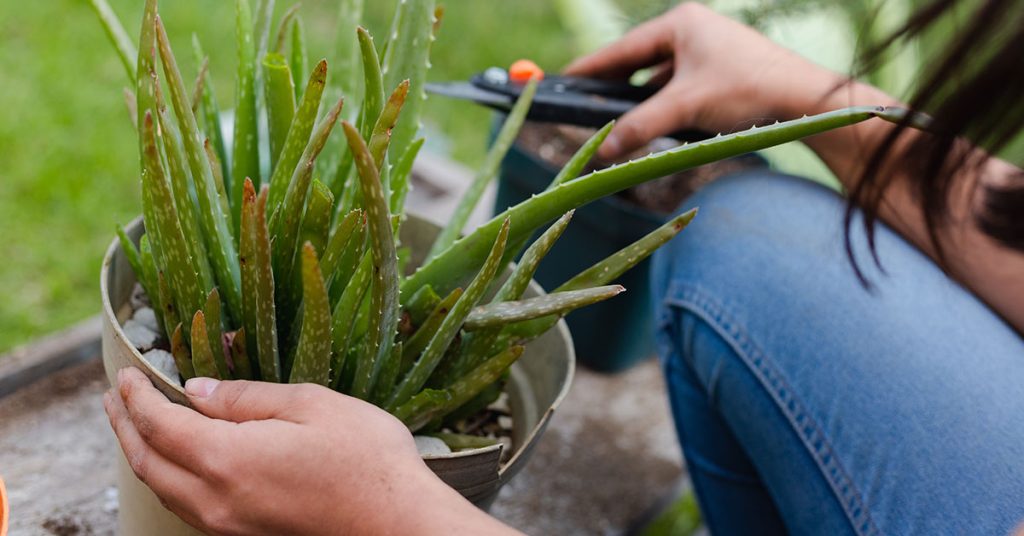
Left unchecked, aloe pups cluster tightly around the mother, competing for water, light, and nutrients. This often leads to spindly leaves and reduced blooming. Dividing and replanting pups ensures each rosette has its own space to develop strong roots and full, plump leaves.
In its native sandy soils, aloe spreads gradually, avoiding self-competition. By mimicking that spacing in containers, you reduce stress and soil-borne disease risk, ensuring each plant looks its best and flowers more reliably.
Control Invasiveness in Warm Climates

Some aloe species, like Aloe arborescens, can escape cultivation in frost-free zones and naturalize, crowding out native flora. Regular propagation into pots lets you enjoy their beauty without risking garden escape. I once watched volunteers take over a sunny gravel area—so now I pot all my pups to keep them contained and manageable!
This practice safeguards local ecosystems while still allowing you to cultivate an impressive aloe display. In colder climates, you can even move pots indoors over winter, giving these tender succulents the climate control they need.
Rejuvenate Aging Mother Plants

Over time, the original aloe rosette can become leggy or depleted, its center drying out and outer leaves yellowing. Removing healthy pups not only creates new plants but also stimulates the mother to produce fresh growth. After lifting offsets, I often see new basal shoots forming, giving aging specimens a second wind!
This rejuvenation mirrors aloe’s wild cycle, where older rosettes making space for new growth ensure the clump’s longevity. Regular division keeps every generation of your aloe patch vigorous and attractive.
Cost-Effective Garden Expansion
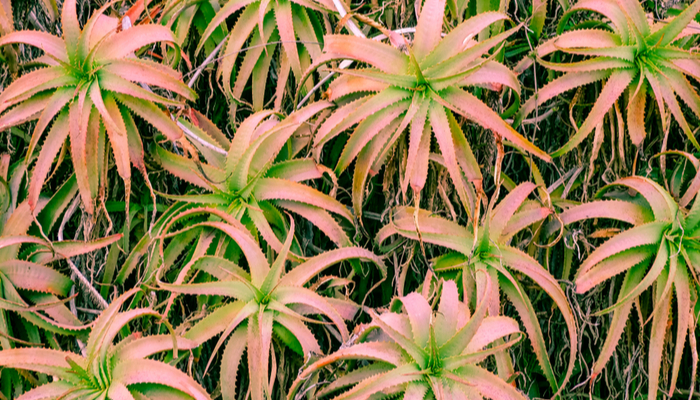
Buying multiple aloe varieties can get expensive, but propagation is practically free—just a handful of soil and pots. With each offset you root, your collection grows at minimal cost. I’ve quadrupled my aloe assortment over the years without spending a dime on new plants!
This DIY approach also allows you to experiment with different soil mixes, pot sizes, and microclimates—helping you discover which conditions make each variety thrive best in your unique environment.
Ensure Plant Health and Vigor

Propagation forces you to inspect root systems, identify any hidden rot or pests, and refresh potting medium. I’ve caught early signs of root-bound stress and disease during propagation sessions that I would have missed otherwise. Separating pups gives you a perfect moment to prune damaged roots and reinvigorate each plant with fresh, airy soil.
Regular propagation becomes a wellness check for your entire aloe population—keeping each rosette robust and primed for those signature, insect-attracting blooms.