

Neem oil, pressed from the seeds of the neem tree (Azadirachta indica) native to the Indian subcontinent, is a true multitasker in the garden—kind of like a Swiss Army knife for plant care! I know how demoralizing it can feel when aphids swarm your basil or whiteflies turn your coleus into a sticky mess. That’s where neem oil swoops in, offering a natural, gentle, yet powerful solution that lets you protect your plants without resorting to harsh chemicals.
I’m excited to share nine compelling reasons why I keep neem oil within arm’s reach every time I head outside. From stopping pests in their tracks to safeguarding beneficial insects and even preventing fungal diseases, neem oil’s versatility makes it one of my favorite go-to tools. Let’s dive into each benefit so you can see why this golden elixir deserves a permanent spot on your shelf!
Broad-Spectrum Pest Control
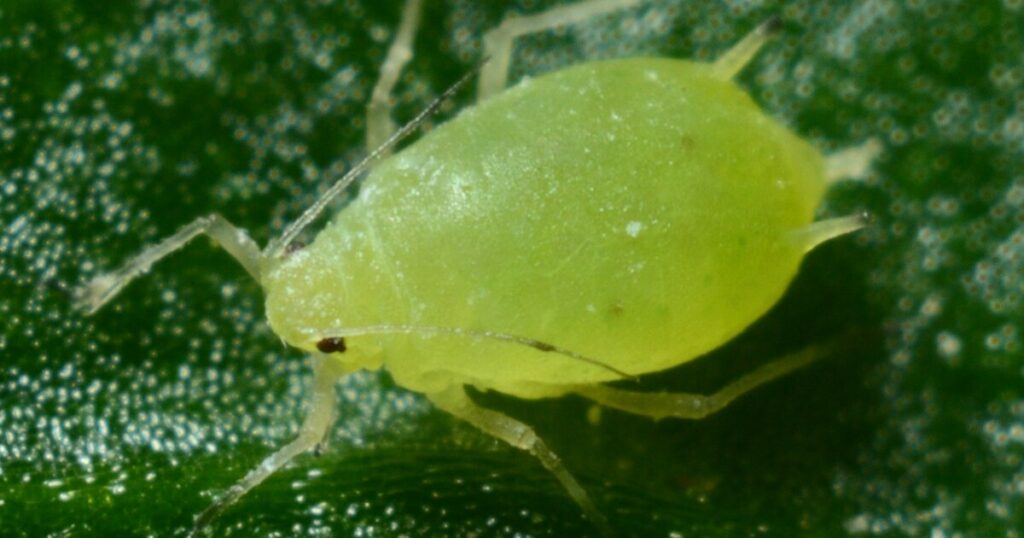
Neem oil disrupts the feeding, mating, and egg-laying behaviors of a wide range of pests—think aphids, whiteflies, mealybugs, and spider mites. I once rescued my heirloom tomatoes (Solanum lycopersicum), native to western South America, from a relentless aphid invasion by spraying neem oil every few days. The result? Leaves that went from sticky and curled to vibrant and unblemished again!
Because neem oil acts systemically when absorbed by foliage or roots, it continues protecting plants long after application. This means fewer sprays overall and more peace of mind as you watch beneficial predators like lacewings and ladybugs—which nest in leafy cover of native milkweed (Asclepias spp.)—carry on their natural pest patrol unharmed.
Effective Fungicide for Common Diseases

Beyond insects, neem oil helps manage fungal issues such as powdery mildew and black spot. Its active compounds create a protective film on leaf surfaces, inhibiting spore germination and spread. I recall my phlox (Phlox paniculata), native to eastern North America, shrugging off persistent powdery mildew within days of a neem spray regimen—a welcome relief during humid summer months!
Regular preventive sprays also shield susceptible plants like roses and dahlias. As the neem residue breaks down in sunlight and rain, it enriches the soil’s microbial community rather than leaving harmful residues behind.
Safe for Pollinators When Timed Right

One of neem oil’s standout traits is its selectivity: it targets harmful insects while sparing bees and butterflies—if applied in the early morning or late evening. This careful timing ensures that ground-nesting bees around your coneflowers (Echinacea purpurea) and lady’s mantle (Alchemilla mollis) stay out of harm’s way when foraging.
I love seeing honeybees drift among lavender blooms without worrying about chemical residues on petals. By syncing sprays with pollinator downtime, you protect both your garden’s productivity and its buzzing inhabitants.
Biodegradable and Eco-Friendly

Unlike many synthetic pesticides, neem oil breaks down naturally into harmless byproducts. Within days, sunlight and microbes convert it into simple organic matter, leaving no toxic footprint in your soil or waterways. That gives me real peace of mind when I see earthworms thriving beneath my raised beds—proof the ecosystem remains balanced and healthy.
This biodegradable nature also makes neem oil a responsible choice near ponds and streams, where dragonflies and damselflies breed, further enhancing your garden’s integrated pest control.
Insect Growth Regulator Properties

Azadirachtin, neem oil’s star compound, mimics insect hormones and prevents larvae from molting properly. I’ve watched cabbage worms on my broccoli (Brassica oleracea var. italica), native to the Mediterranean, fail to pupate after feeding on treated leaves—nature’s own checkmate against reinvasion!
Interrupting pest life cycles at the larval stage means fewer adults next season, reducing the need for repeated interventions and letting you spend more time enjoying your garden than battling bugs.
Non-Toxic to Mammals and Birds

Gardens are shared spaces—you never know which curious critter might wander through. Neem oil’s negligible toxicity to mammals and birds means you can treat beds without fretting about your chickens or backyard squirrels. My resident robins hop through treated borders without fear, hunting snails and beetles that might otherwise damage tender seedlings.
Knowing neem oil is safe for pets and people alike allows me to spray freely, confident that my family can enjoy the garden without accidental exposure to harmful chemicals.
Approved for Organic Gardening

Certified organic growers embrace neem oil as a cornerstone of sustainable pest management. Whether you’re harvesting heirloom beans or sweet peppers, neem aligns perfectly with organic principles like composting, crop rotation, and cover cropping. I take pride knowing my garden produce qualifies as genuinely “organic,” thanks in part to this time-honored remedy.
Sharing neem’s virtues with neighbors has turned me into a bit of a neighborhood eco-ambassador—one sparkling tomato at a time!
Versatile Soil Drench for Nematode Control

Root-knot nematodes can weaken crops like eggplant and squash by attacking roots underground. A simple neem soil drench disrupts nematode eggs and larvae, improving root health and overall vigor. After a summer of treating my raised beds, I’ve noticed more robust zucchini and healthier cucumbers, free from that stunted, yellowing look.
Supporting beneficial soil organisms like springtails becomes easier when harmful nematodes are kept in check, fostering a balanced underground ecosystem.
Cost-Effective and Long-Lasting

A little neem oil goes a long way—concentrates treat large areas of both foliage and soil, stretching a single bottle across multiple seasons. I mix just a small amount into my sprayer and still have plenty left for autumn applications, making it far more economical than single-use chemical sprays.
With consistent results and a budget-friendly price tag, neem oil has earned a permanent place in my gardening arsenal—no more last-minute pharmacy runs or expensive emergency sprays needed!